Japan’s cryptocurrency landscape is about to change dramatically. The 2026 tax reform blueprint, released by the Liberal Democratic Party and Japan Innovation Party in December 2025, introduces 20% tax rate on crypto gains. This represents a major shift from the current system where digital asset profits can be taxed as high as 55% as miscellaneous income. For investors who have accumulated wealth through Bitcoin, Ethereum, and other cryptocurrencies, this reform creates a unique opportunity to diversify into Tokyo real estate.
What Is Changing in Japan’s Crypto Tax System?
Under the current system, cryptocurrency profits in Japan are classified as miscellaneous income. This means gains are added to your regular income and taxed at progressive rates that can reach 55% for high earners (45% national income tax plus 10% local inhabitant tax). The new reform will treat specified crypto assets differently, applying a flat 20% separate taxation rate. This brings cryptocurrency in line with how Japan taxes stocks and investment trusts.
The new 20% rate splits between 15% national income tax and 5% individual inhabitant tax. The reform also introduces a three-year loss carryforward system, allowing investors to offset future gains with past crypto losses. This feature has long been available for equity investors but was missing from crypto taxation.
The effective date will be January 1 of the year following the enforcement of amendments to Japan’s Financial Instruments and Exchange Act. The reform applies only to “specified crypto assets” handled by businesses registered in the Financial Instruments Business Operator Registry. Major cryptocurrencies like Bitcoin and Ethereum are expected to qualify. Around 105 cryptocurrencies currently listed on registered exchanges are likely to fall under this new framework.
Comparison: Current vs New Tax Treatment for Japanese Cryptocurrency
| Factor | Current System | New System |
| Tax Classification | Miscellaneous income | Separate taxation |
| Tax Rate | Up to 55% | Flat 20% |
| Loss Carryforward | Not available | 3 years |
| Treatment | Combined with salary | Separate from other income |
| Covered Assets | All crypto | Specified crypto assets only |
When Will the New Japan Cryptocurrency Tax Rules Take Effect?
How the Legislative Cycle Works
Japan’s tax reform process follows a predictable annual cycle. Understanding this timeline helps investors plan accordingly.
The process began with the Financial Services Agency (FSA) proposing to reclassify crypto assets under the Financial Instruments and Exchange Act (FIEA) rather than the Payment Services Act. This regulatory shift is a prerequisite for the tax changes.
Key dates in the reform timeline:
| Date | Milestone |
|---|---|
| December 19, 2025 | Ruling coalition issues the FY 2026 tax reform outline (令和8年度税制改正大綱), formally endorsing the 20% crypto tax rate |
| Early 2026 | FIEA amendment bills submitted to the Diet (ordinary session) |
| 2026-2027 | Legislative debate, committee review, and enactment of amended laws |
| January 1, 2028 (likely) | New crypto tax regime takes effect |
Why the delay?
Legal revisions in Japan typically require about one year to promulgate after Diet approval. Because the tax changes are contingent on the FIEA amendments passing first, the timeline is sequential rather than parallel. Industry leaders have expressed frustration with this pace, with SBI’s CEO calling it “extremely slow” compared to reforms in the US and Asia.
The new tax treatment will apply to transfers of “Specified Crypto Assets” made on or after January 1 of the year following the FIEA enforcement date. This means investors should plan for the 2028 tax year as the likely starting point for the 20% flat rate.
Why Does This Matter for Real Estate Investment?
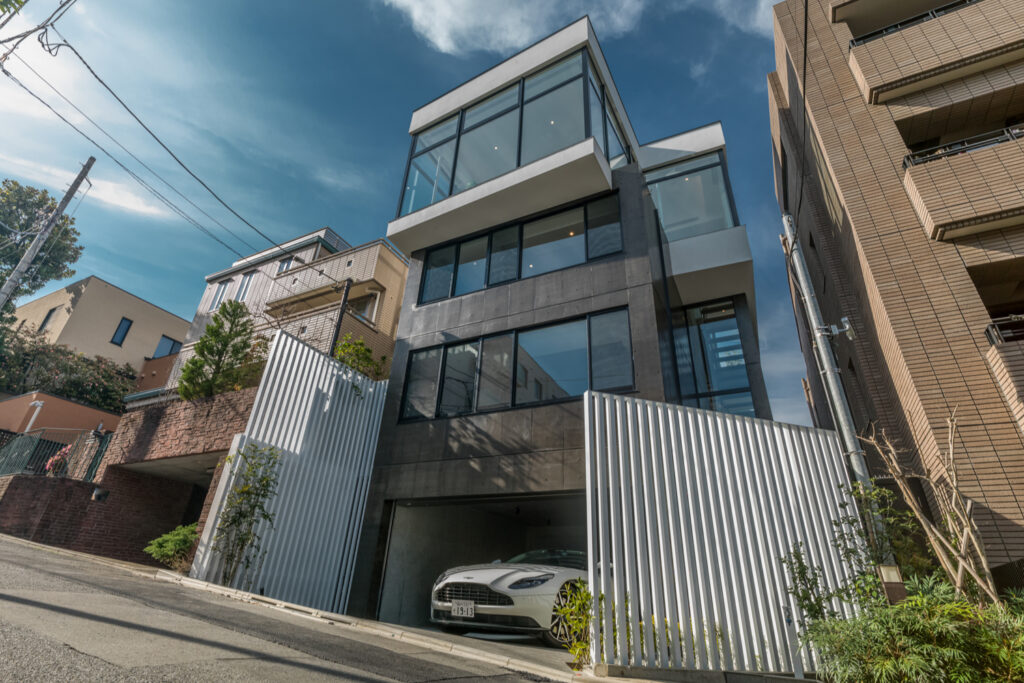
The timing of this reform creates a strategic opportunity for crypto investors to consider Tokyo real estate. There are several reasons why moving some crypto gains into property makes sense in the current environment.
More Money Stays in Your Pocket
Under the current system, an investor realizing 100 million yen in crypto gains could face taxes exceeding 50 million yen at the highest bracket. Under the new 20% rate, that same gain would result in a 20 million yen tax bill. This means an additional 30 million yen remains available for investment. That difference could cover a substantial down payment on Tokyo luxury property or fund an entire investment apartment in some areas.
Crypto Volatility Continues
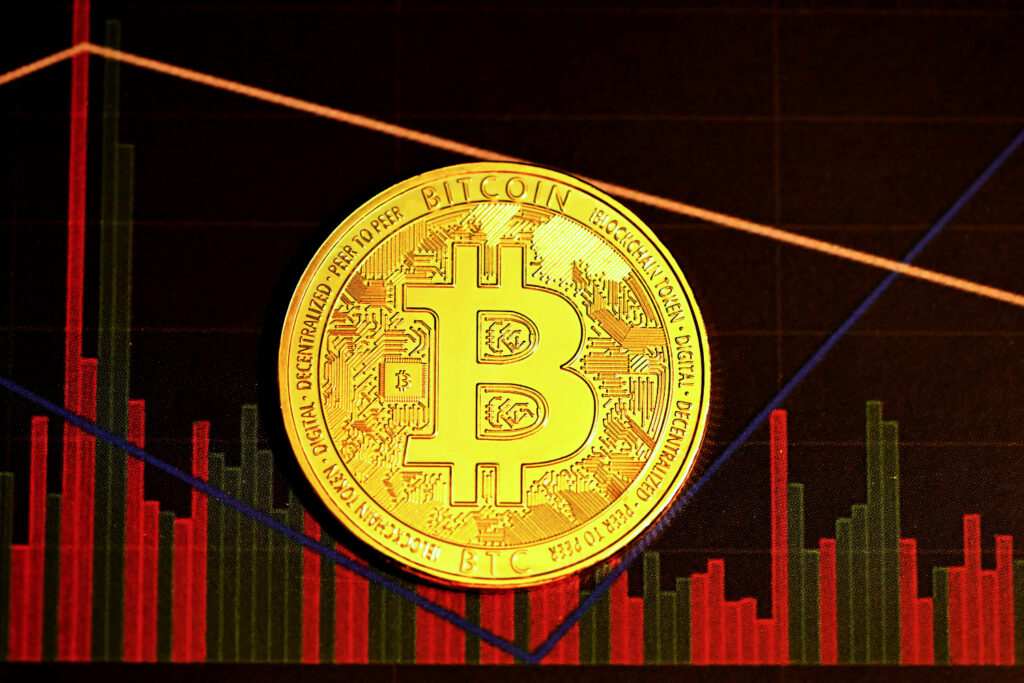
Bitcoin experienced significant price swings throughout 2025, climbing above 125,000 USD before experiencing sharp corrections of over 40,000 USD from peak to trough. Bitcoin’s 30-day volatility exceeded 45% at its highest points. This level of volatility creates stress for investors and can lead to poor decision-making. Tokyo real estate, by contrast, has historically shown steady appreciation of 5-10% annually in prime locations with some rental yields of 3-6%.
Tokyo Property Prices Keep Rising
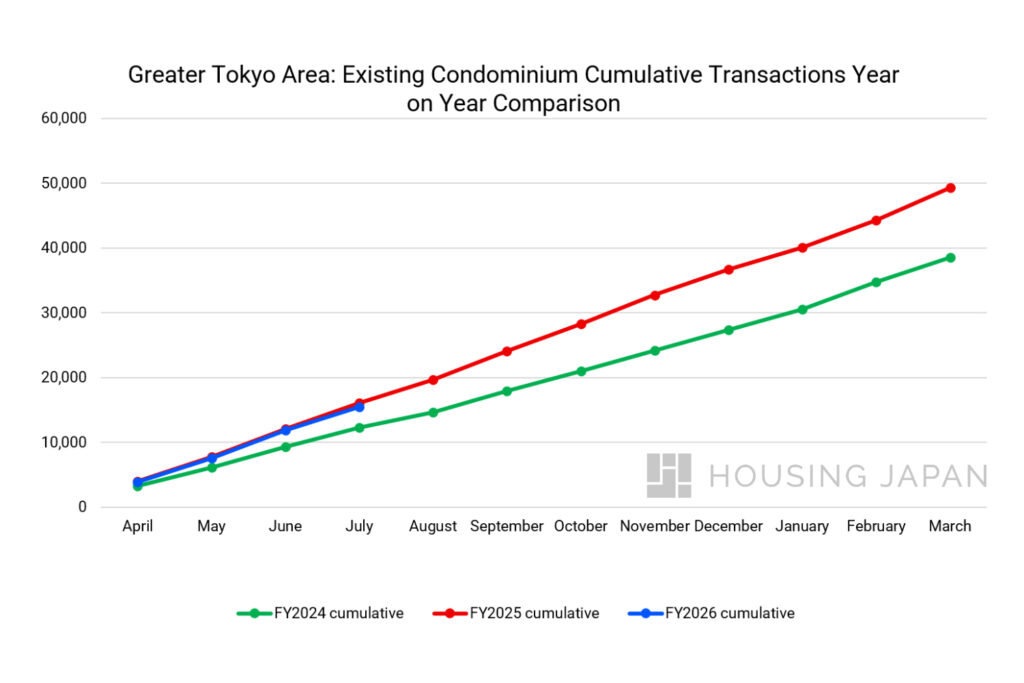
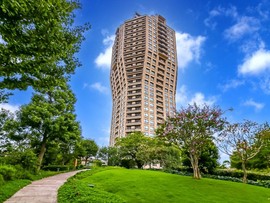
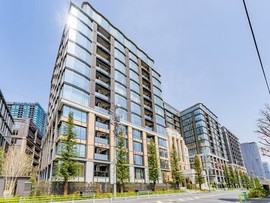
The average price of a used condominiums in the greater Tokyo area rose 37.5% year-on-year, as of March 2025, to 104.85 million yen (approximately $675,000 USD February 2026). These increases reflect strong demand and limited supply. Only 23,000 new Condominium units are forecast for 2026, marking the lowest level in over 50 years.
Tokyo’s luxury real estate market is being driven by both domestic and international buyers. There has been an increased intertest form investment potential in Tokyo by international buyers in recent years.
How Do Crypto and Real Estate Work Together in a Portfolio?

Successful investors understand that diversification helps manage risk. Cryptocurrency and Tokyo real estate have different characteristics that can complement each other in a balanced portfolio.
Cryptocurrency offers potential for rapid growth but comes with significant volatility. Prices can change dramatically within hours based on market sentiment, regulatory news, or macroeconomic factors. Real estate provides stable, tangible value with regular income through rent. Property prices tend to move slowly and predictably compared to digital assets.
Bitcoin’s correlation with the S&P 500 reached 0.88 during periods of market stress in early 2025, according to institutional investment research. This means crypto increasingly moves with traditional risk assets during downturns. Tokyo real estate, however, maintains relatively low correlation with both cryptocurrency and global equity markets. This independence helps smooth portfolio volatility over time.
Some Financial advisors generally recommend keeping cryptocurrency allocation between 1-5% of a well-balanced portfolio. The remainder can be distributed across more stable assets including real estate, bonds, and traditional equities. For investors whose crypto holdings have grown beyond these recommended limits, moving some gains into Tokyo property helps restore balance.
Comparing Investment Characteristics
| Characteristic | Cryptocurrency | Tokyo Real Estate |
| Volatility | High (30-day vol exceeds 45%) | Low (steady 5-10%) |
| Income Generation | Staking rewards around 2-6% annually (taxed at up to 55%) | Rental yield 3-6% annually (deductible profit taxed) |
| Tangibility | Digital only | Physical asset |
| Liquidity | 24/7 trading | Weeks to months for sale |
| Tax Benefits | 20% flat rate (from 2026) | Depreciation deductions and low taxes |
| Correlation | High with S&P 500 in stress | Low correlation with crypto |
What Should Crypto Investors Consider Before Buying Property?
Timing Your Exit from Crypto
The tax reform creates an incentive to wait for the new rules before realizing large gains. However, investors should weigh potential tax savings against market risk. Cryptocurrency prices can change significantly while waiting for favorable tax treatment. Some investors may prefer to realize gains at current higher rates rather than risk price declines.
Which Cryptocurrencies Qualify?
The 20% rate applies only to specified crypto assets handled by registered businesses. While Bitcoin and Ethereum are expected to qualify, not all digital assets will receive the same treatment. Staking rewards, lending yields, and NFTs remain classified as miscellaneous income under the reform and continue to face rates up to 55%. Investors should verify their holdings qualify before making tax planning decisions.
Where Are the Opportunities in Tokyo Real Estate?

Central wards like Minato, Chiyoda, and Shibuya can command the highest prices and can attract the most international buyer interest. These areas tend to offer strong rental demand from professionals and expatriates working at nearby corporate headquarters and embassies.
According to analysis from December 2025, prices in central Tokyo exceeded 120 million yen on average as of late 2025. Occupancy rates in rental properties within these central wards over 97%, indicating extremely tight supply. This near-full occupancy, combined with rising rental costs, signals a competitive rental environment driven by local demand and international professionals.
For investors seeking value, emerging areas along redevelopment corridors offer potential. Areas with improving transport connections or upcoming urban renewal projects may offer appreciation potential at lower entry points. However, these areas typically attract less rental demand from high-income tenants compared to established central locations.
What Factors Should Investors Watch?
Interest Rate Environment
The Bank of Japan has begun raising interest rates after decades of ultra-low borrowing costs. As of late 2025, the policy rate stands at 0.75% as of February 2026. While still low by global standards, further rate increases could impact mortgage affordability and property valuations. Buyers should consider locking in financing terms while rates remain relatively favorable.
Currency Fluctuations
The Japanese yen remained relatively weak through much of 2025, making Tokyo property attractive to foreign buyers holding dollars, euros, or other currencies. Currency movements can significantly impact the effective cost for international purchasers. Some investors use the weak yen as an opportunity to acquire assets at a discount relative to their home currency.
Regulatory Developments
Prime Minister Sanae Takaichi has asked government ministries to implement new ways to monitor foreign investments, including asking international buyers to declare their nationality when purchasing property. While Japan currently has no restrictions on foreign property ownership, investors should monitor any policy changes that could affect their purchase process or ownership rights.
Conclusion
Japan’s 2026 crypto tax reform represents a significant change in how the country treats digital asset investors. The reduction from potential 55% rates to a flat 20% creates new possibilities for portfolio management and diversification. For investors who have accumulated substantial crypto gains, Tokyo real estate offers a tangible alternative that provides stable income, gradual appreciation, and protection against volatility.
The Tokyo property market continues to show strength, with prices reaching new records in 2025 and demand remaining robust from both domestic and international buyers. While the market carries its own risks including interest rate changes and currency fluctuations, real estate provides characteristics that complement cryptocurrency holdings in a diversified portfolio.
Investors considering this transition should consult with tax and financial professionals who understand both asset classes. The interplay between crypto taxation, property purchase timing, and portfolio allocation requires careful planning to optimize outcomes.
Q&As
When does the new 20% crypto tax rate take effect?
There is not yet a confirmed date, but it is expected to take effect January 1, 2027, or January 1, 2028. The new tax rate takes effect on January 1 of the year following the enforcement of amendments to Japan’s Financial Instruments and Exchange Act. The reform was outlined in the fiscal year 2026 tax blueprint released in December 2025. Final legislation must pass through the Diet before implementation. Expected timing is late 2026 or early 2027 depending on the legislative calendar.
Which cryptocurrencies qualify for the lower tax rate?
The 20% rate applies to specified crypto assets handled by businesses registered in the Financial Instruments Business Operator Registry. Around 105 cryptocurrencies currently listed on registered Japanese exchanges are expected to qualify, including Bitcoin and Ethereum. Tokens traded on overseas exchanges or held in unregistered wallets may not qualify. Staking rewards, lending yields, and NFTs remain taxed as miscellaneous income at rates up to 55%.
Can foreigners buy property in Japan?
Yes. Japan has no legal restrictions on foreign property ownership. You do not need Japanese citizenship or a residence visa to purchase real estate. However, non-residents may face different financing options, and mortgage approval typically requires demonstrating income and financial stability. Working with experienced professionals who understand international buyer requirements simplifies the process.
Can I use cryptocurrency to pay for property in Japan?
Some developers now accept cryptocurrency payments. Open House Group, a Tokyo Stock Exchange listed company, began accepting Bitcoin and Ethereum for property purchases in early 2025. However, this remains uncommon. Most transactions are conducted in Japanese yen, meaning investors typically need to convert crypto to fiat currency before purchasing. This conversion may trigger a taxable event under either current or future rules.
What rental yields can I expect in Tokyo?
Rental yields in Tokyo can range from 3-6% annually depending on location, property type, and condition. Central Tokyo luxury apartments can yield lower percentages but sometimes offer stronger appreciation potential. Investment properties in outer wards may offer high yields with possible less price growth. Occupancy rates in prime areas exceed 97%, indicating strong rental demand. Contact Housing Japan for more information.
How do property taxes work in Japan?
Real estate investors in Japan can deduct maintenance costs, property management fees, and depreciation from taxable income. Annual property taxes include a fixed asset tax (typically 1.4% of assessed value) and city planning tax (up to 0.3%). Capital gains on property sales are taxed at different rates depending on holding period. Properties held over five years receive more favorable long-term capital gains treatment.
Housing Japan
Housing Japan specializes in buying, selling, and managing residential luxury real estate in central Tokyo. Whether you are looking to diversify cryptocurrency gains into tangible assets or seeking a second home in one of the world’s most dynamic cities, the Housing Japan team provides expertise in Tokyo’s competitive property market. With 25 years of experience, we can help identifying prime locations with strong rental potential to navigating the purchase process for international clients, Housing Japan offers comprehensive support for investors at every stage.
Source: Japanese Government Real Estate Information Library (JP Only) and Government Cyrpto Currency Tax reform blueprint PDF (JP Only)
Disclaimer: This article is for informational purposes only and does not constitute financial, tax, or legal advice. Cryptocurrency and real estate investments carry risk, and past performance does not guarantee future results. Readers should consult qualified professionals regarding their individual circumstances before making any investment decisions.