Tokyo’s cherry blossom season has begun. The city’s Somei Yoshino trees officially opened on March 19, 2026, a few days earlier than the long-term average, and full bloom across central Tokyo is expected around March 27. If you are in the city this week, the blossoms are opening now.
For those who live in Tokyo year-round, this moment is one of the genuine pleasures of city life. The neighborhoods closest to Tokyo’s most celebrated cherry blossom spots also tend to be among the most desirable places to live, with green spaces, good transport links, and a calm residential atmosphere that complements the energy of central Tokyo.
This guide covers five of those neighborhoods, the sakura spots they sit beside, and what makes each one worth considering as a place to live.
2026 Cherry Blossom Season: Live Status and Key Dates
Tokyo’s cherry blossom season is underway. First bloom was confirmed on March 19, 2026, and the trees are currently opening across the city. Full bloom, when around 80% of buds have opened, is forecast for around March 27, with peak viewing expected between March 25 and March 29.
This year’s season is running a few days earlier than usual, driven by higher-than-average temperatures through February and March. As always, the exact timing at individual parks can vary, and wind or rain during peak bloom can shorten the window. The Japan Meteorological Corporation released its ninth forecast on March 19, with the next update due March 26.
2026 Tokyo Sakura Season at a Glance
| 2026 Sakura Season | Details |
|---|---|
| Current status (Tokyo) | Blossoms opening (as of March 23, 2026) |
| First bloom confirmed (Tokyo) | March 19, 2026 |
| Full bloom forecast | Around March 27, 2026 |
| Peak viewing window | March 25 – March 29, 2026 |
| Season vs. average | A few days earlier than usual |
| Bloom duration | Approx. 7–10 days at full bloom |
| Primary variety | Somei Yoshino (Yoshino Cherry) |
| Forecast source | Japan Meteorological Corporation (JMC), March 19, 2026 |
It is worth noting that this is an estimate and there may be some deviation due to weather changes.
Yoyogikamizonocho, Shibuya – Yoyogi Park

Yoyogi Park is one of Tokyo’s most popular open spaces and home to around 600 cherry trees. During sakura season, the park fills with families, friends, and colleagues enjoying hanami, the Japanese tradition of gathering beneath the blossoms. The park also hosts cultural events throughout the year, including outdoor markets and community festivals.
The Yoyogikamizonocho neighborhood sits just outside the park’s eastern edge, placing it within easy walking distance of the blossoms. The area is also close to Meiji Jingu Shrine, one of Tokyo’s most significant Shinto sites. This adds a quieter, more reflective atmosphere to what is otherwise a very well-connected part of the city.
Shibuya Station is nearby, serving 11 train and metro lines and connecting this neighborhood to the rest of Tokyo with ease. For those who want a balance of natural surroundings, cultural landmarks, and city accessibility, this area is a strong choice.
Naitomachi, Shinjuku – Shinjuku Gyoen National Garden
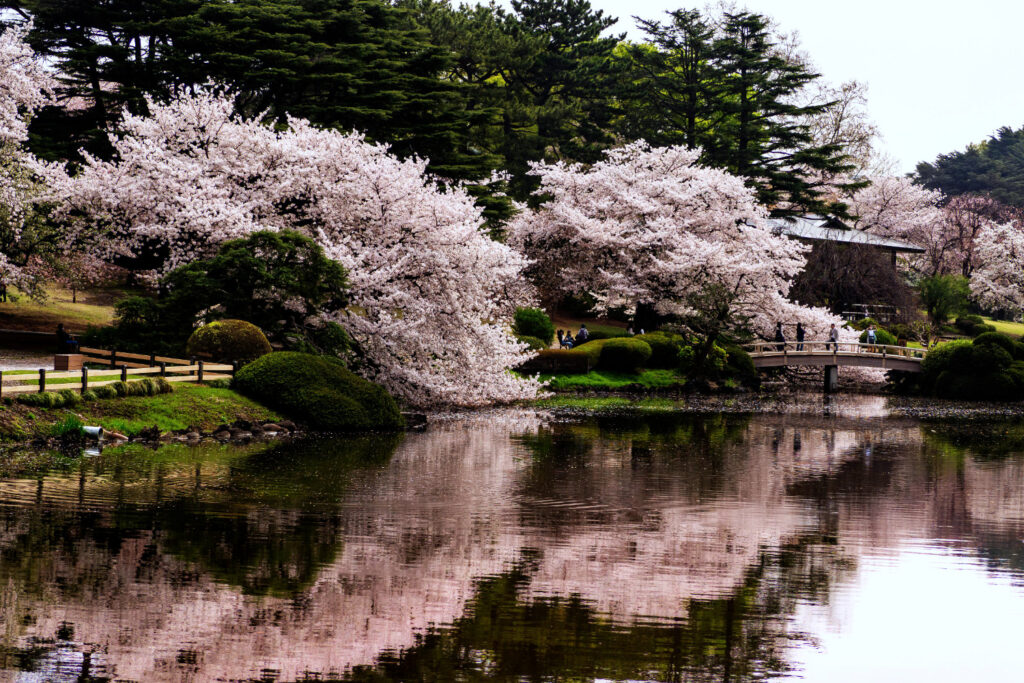
Shinjuku Gyoen is widely regarded as one of Tokyo’s most carefully maintained gardens. The park holds over 1,100 cherry trees covering 65 different varieties, which means the sakura season here tends to last longer than at most other spots, different trees bloom at slightly different times, extending the viewing window over several weeks.
The garden charges a small entry fee, which helps keep it calmer and less crowded than free public parks during peak season. A scenic walkway along the north side, running between Yotsuya and central Shinjuku, gives a beautiful preview of the blossoms before you even enter.
Living in Naitomachi puts Shinjuku Gyoen practically at your doorstep. Shinjuku Station, one of the world’s busiest train hubs, served by 20 rail lines, is also close by, making this one of the most connected residential neighborhoods in the city. The area supports a range of high-quality apartments and has long attracted those looking for a polished urban lifestyle alongside natural beauty.
Meguro City – Meguro River

The Meguro River is perhaps Tokyo’s most atmospheric cherry blossom spot. Around 800 trees line the banks of this urban waterway, their branches stretching across the canal and creating a canopy of pink and white blossoms that is particularly striking when seen reflected in the water below.
The most picturesque stretch runs between Meguro Station and Nakameguro, a neighborhood known for its independent cafes, boutique shops, and relaxed pace. During sakura season, this same stretch comes alive with lantern-lit evening viewings, pop-up food stalls, and outdoor dining, the combination of natural beauty and urban culture at its best.
Meguro City sits slightly outside central Tokyo but maintains strong transport connections. Meguro Station provides direct access to Minato-ku, a key business district, making this area particularly well-suited to professionals who want a quieter residential base without sacrificing easy access to the city centre.
Sanbancho, Chiyoda – Chidorigafuchi

Chidorigafuchi is one of Tokyo’s most iconic sakura settings. This moat surrounds Kitanomaru Park on the grounds of the former Edo Castle, and every spring around 200 Yamazakura and Somei-Yoshino cherry trees line a 700-metre promenade along the water’s edge.
What makes Chidorigafuchi stand out is the experience of viewing the blossoms from the water itself. Rowing boats are available for hire, and paddling beneath the canopy of blooms is one of the more memorable ways to experience Tokyo’s cherry blossom season. The area also hosts the Chiyoda Sakura Festival each year, which includes evening illuminations that transform the moat into something quite extraordinary after dark.
Just nearby, Yasukuni Shrine adds a further 1,000 cherry trees to the area, along with seasonal food stalls. The adjacent Sanbancho neighborhood is one of the quietest and most prestigious addresses in central Tokyo, a low-rise, residential area with green spaces, well-maintained streets, and a sense of calm that is rare this close to the heart of the city. Read this Guide To Sanbancho.
This is one of the reasons why Housing Japan chose to develop a luxury family townhouse only a few minutes away. Check out Sanbancho house -> Here
Roppongi – Hinokicho Park and Tokyo Midtown

Hinokicho Park, located directly beside Tokyo Midtown in Roppongi, offers a different kind of cherry blossom experience. The park blends modern landscape design with traditional Japanese garden elements, and during sakura season it becomes one of the quieter alternatives to the more crowded spots elsewhere in the city.
Sakurazaka Street, which runs nearby, is one of Tokyo’s most photographed spots during bloom season, a sloping pedestrian road lined with cherry trees, best seen in the early morning when foot traffic is light.
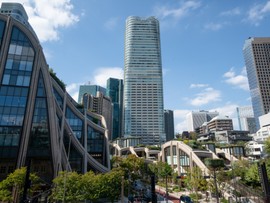
The Roppongi area around Tokyo Midtown has developed into one of the city’s more refined residential and commercial districts, with a concentration of international restaurants, galleries, and high-end retail. Midtown’s grocery offering includes Precce, a well-stocked supermarket carrying both Japanese and imported products, a practical consideration for international households. For those who want contemporary urban living alongside easy access to sakura, this area combines both well.
Read the Housing Japan area guide to Roppongi -> Here
What Is Hanami – and Why Does It Matter for Where You Live?
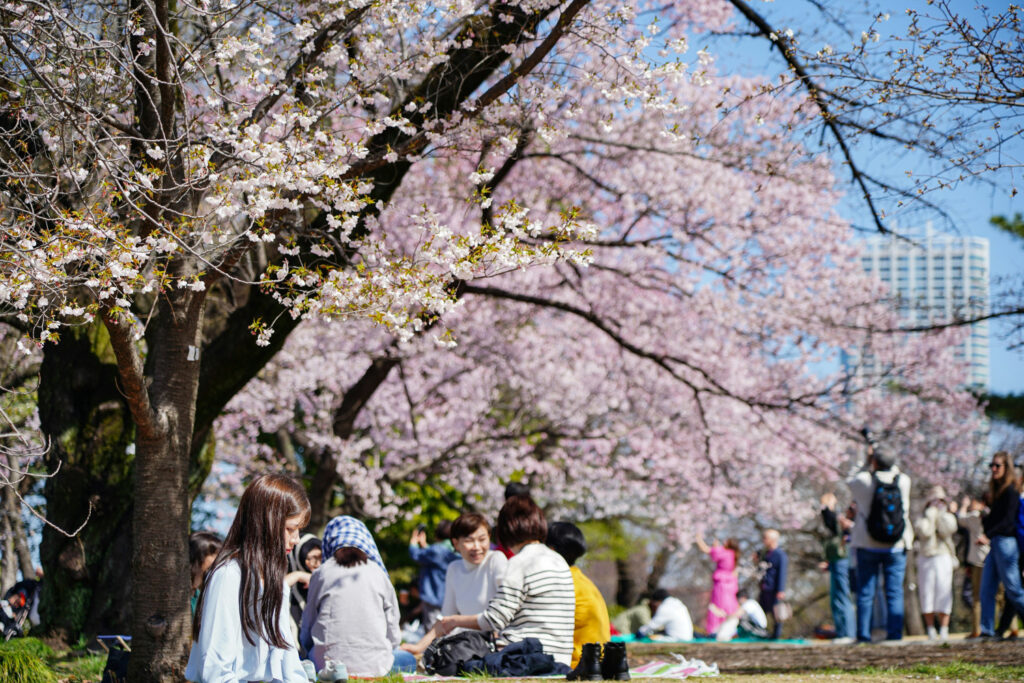
Hanami literally means “flower viewing” in Japanese. In practice, it refers to the custom of gathering outdoors beneath cherry trees during bloom season, usually with food, drinks, and good company. The tradition has been part of Japanese culture for over a thousand years, with roots in the aristocratic customs of the Heian period.
Today, hanami is one of the most widely observed seasonal rituals in Japan. Office colleagues, friends, and families mark the season by reserving spots in parks and along riverbanks, often from early in the morning. In Tokyo, the most popular spots fill up fast, and weekends during peak bloom can become very busy.
Living close to a good sakura spot means you can enjoy the blossoms on weekday mornings and evenings, outside the peak weekend crowds. It also means the visual pleasure of the season extends beyond single outings; you pass the trees on your daily walk, see them from your commute, and watch the petals fall across days rather than during a single visit.
Cherry Blossom Neighborhoods at a Glance
| Neighborhood | Sakura Spot | Character |
|---|---|---|
| Yoyogikamizonocho | Yoyogi Park (~600 trees) | Vibrant, central, family-friendly |
| Naitomachi, Shinjuku | Shinjuku Gyoen (1,100+ trees) | Polished, well-connected, upscale |
| Meguro City | Meguro River (~800 trees) | Relaxed, riverside, café culture |
| Sanbancho, Chiyoda | Chidorigafuchi (~200 trees) | Quiet, prestigious, historic |
| Roppongi | Hinokicho Park / Sakurazaka | Contemporary, international |
Finding a Home Near Tokyo’s Cherry Blossom
Tokyo’s cherry blossom season is short, peak bloom typically lasts around one week, and the blossoms are always subject to wind and rain. But living close to one of the city’s major sakura spots means the season becomes part of your daily life rather than something you travel to see. The neighborhoods in this guide all offer that combination: access to green space, good transport links, and proximity to some of the most celebrated natural displays the city has to offer.

If you are considering a move within Tokyo or relocating to the city, Housing Japan can help you explore properties in these and other areas. With 25 years of experience, our team specialises in luxury residential property across Tokyo and is happy to discuss your requirements.
Q&A
When do cherry blossoms bloom in Tokyo in 2026? Tokyo’s first bloom was confirmed on March 19, 2026, with full bloom forecast for around March 27. Peak viewing is expected between March 25 and March 29.
Where are the best places to see cherry blossoms in Tokyo? The most popular spots are Shinjuku Gyoen (1,100+ trees, 65 varieties), Chidorigafuchi (700-metre promenade with boat hire), Meguro River (around 800 trees), Yoyogi Park (around 600 trees), and Ueno Park.
How long does sakura season last in Tokyo? Full bloom typically lasts around one week. The overall period from first flowering to petal fall runs two to three weeks, though wind and rain can shorten this considerably.
What is hanami? Hanami means “flower viewing” in Japanese — the centuries-old tradition of gathering outdoors beneath cherry trees with food and drinks. Popular spots fill quickly on weekends, so weekday mornings and evenings tend to be quieter.
What are the main cherry blossom festivals in Tokyo? The Chiyoda Sakura Festival at Chidorigafuchi features evening illuminations and boat hire. The Sumida Park Cherry Blossom Festival runs along the Sumida River with Tokyo Skytree as a backdrop. Koganei Park holds its festival in late March.
Does living near cherry blossom spots affect property desirability in Tokyo? Areas close to Tokyo’s major parks and green spaces are consistently among the city’s most desirable residential locations. If you would like information about current availability in any of the neighborhoods covered in this article, please contact the Housing Japan team directly.