Shibuya
Watch this area guide video on Shibuya!
What Is Central Shibuya Known For?
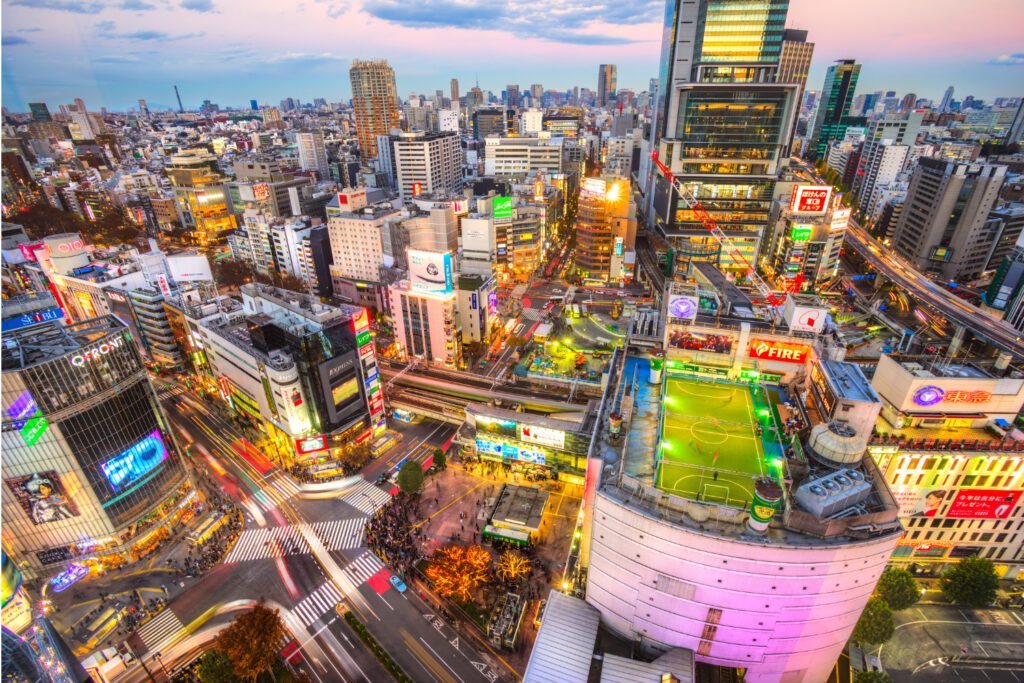
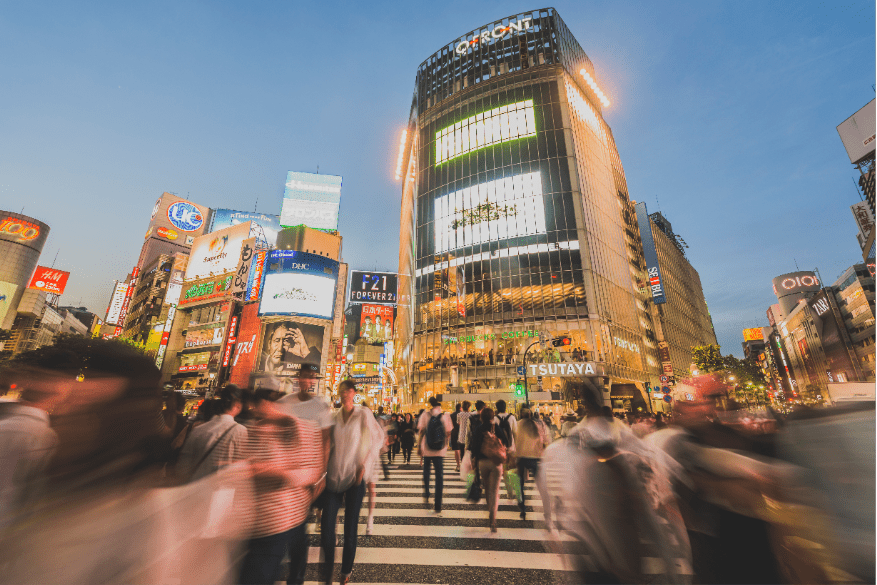
Central Shibuya is one of Tokyo’s most energetic and rapidly transforming districts. Located in the heart of the city, it combines youth culture, global business, and upscale residential neighborhoods within walking distance of one another. The area is known worldwide for Shibuya Crossing, the famous pedestrian intersection that has become a symbol of modern Tokyo.
Beyond the bright lights and busy streets, Central Shibuya includes quieter residential enclaves such as Shoto and Shinsencho. These neighborhoods offer a different pace of life, with tree-lined streets, private homes, and proximity to parks and cultural institutions. This mix of urban energy and refined living makes Central Shibuya appealing to professionals, families, and international residents alike.
The district has also become a growing center for technology companies, such as google, startups, and creative industries. Major redevelopment projects around Shibuya Station are reshaping the area into a business and lifestyle hub with global appeal.
Where Is Central Shibuya Located in Tokyo?
Shibuya is a special ward (ku) in central Tokyo, positioned west of the Imperial Palace and south of Shinjuku. The area covered in this guide focuses on Central Shibuya, including the neighborhoods of Dogenzaka, Shoto, and Shinsencho. These areas surround Shibuya Station, one of Tokyo’s busiest transportation hubs.
To the east, Shibuya borders Minato Ward, home to neighborhoods like Roppongi and Azabu. To the north lies Harajuku and Omotesando, known for fashion and boutique shopping. Ebisu and Daikanyama, popular for cafes and lifestyle retail, sit to the south. This central position makes Shibuya easy to reach from almost anywhere in Tokyo.
A Brief History of the Area
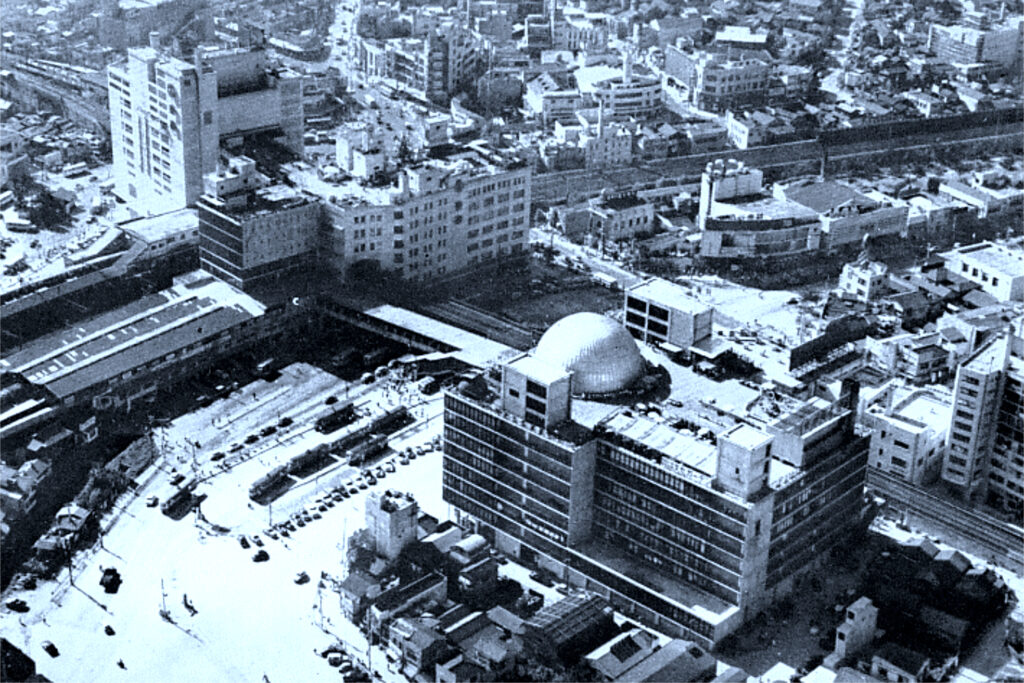
Shibuya takes its name from the Shibuya clan, a samurai family that controlled the area during the 11th century. For much of its early history, Shibuya remained a modest residential district on the outskirts of central Tokyo. This changed in the early 20th century as railway lines began converging at Shibuya Station, turning it into a transportation crossroads.
After World War II, Shibuya developed rapidly. Department stores and shopping centers appeared near the station, and competition between railway operators Tokyu and Seibu shaped the commercial landscape. Tokyu Hands and Shibuya 109 became retail landmarks during this period. By the 1990s, Shibuya had emerged as the center of Japanese youth culture, fashion, and nightlife.
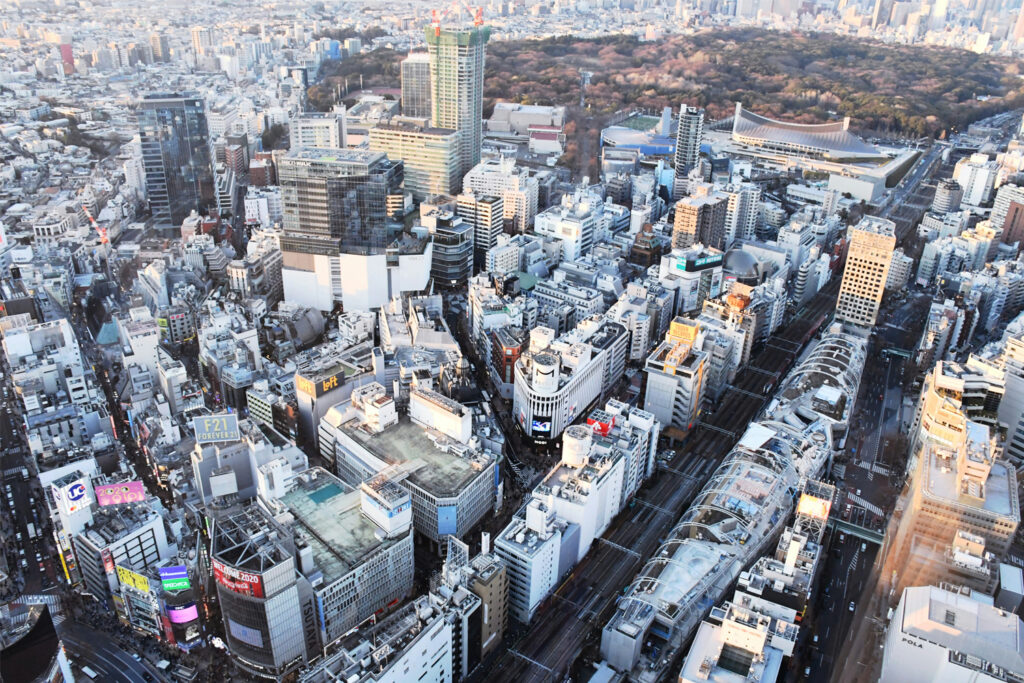
Since the 2010s, large-scale redevelopment has transformed the area around the station. New mixed-use towers such as Shibuya Hikarie, Shibuya Stream, and Shibuya Scramble Square have introduced modern office space, hotels, and retail. These projects represent one of Tokyo’s largest urban renewal efforts.
Daily Life in Central Shibuya
Living in Central Shibuya means having everything close at hand. Supermarkets, pharmacies, clinics, and convenience stores are plentiful near the station and throughout residential streets. For international residents, English-speaking services are more available here than in many other Tokyo neighborhoods.
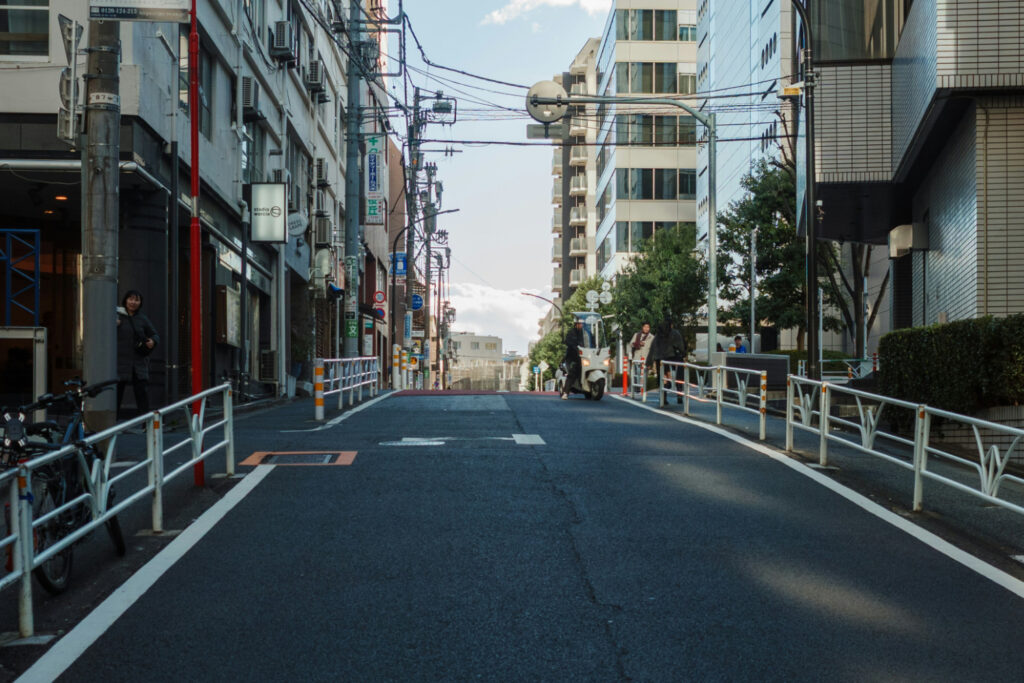
The atmosphere varies depending on the neighborhood. Near Shibuya Station and along Dogenzaka, the streets are busy with shops, restaurants, and entertainment venues. A short walk away, Shoto offers a quieter environment with embassies, private residences, and the greenery of Nabeshima Shoto Park. Shinsencho, located west of the station, provides a balance between convenience and calm.
Families in Central Shibuya have access to local public schools as well as international options nearby. Parks, playgrounds, and cultural facilities such as Bunkamura provide spaces for recreation and learning.

Transport and Connectivity
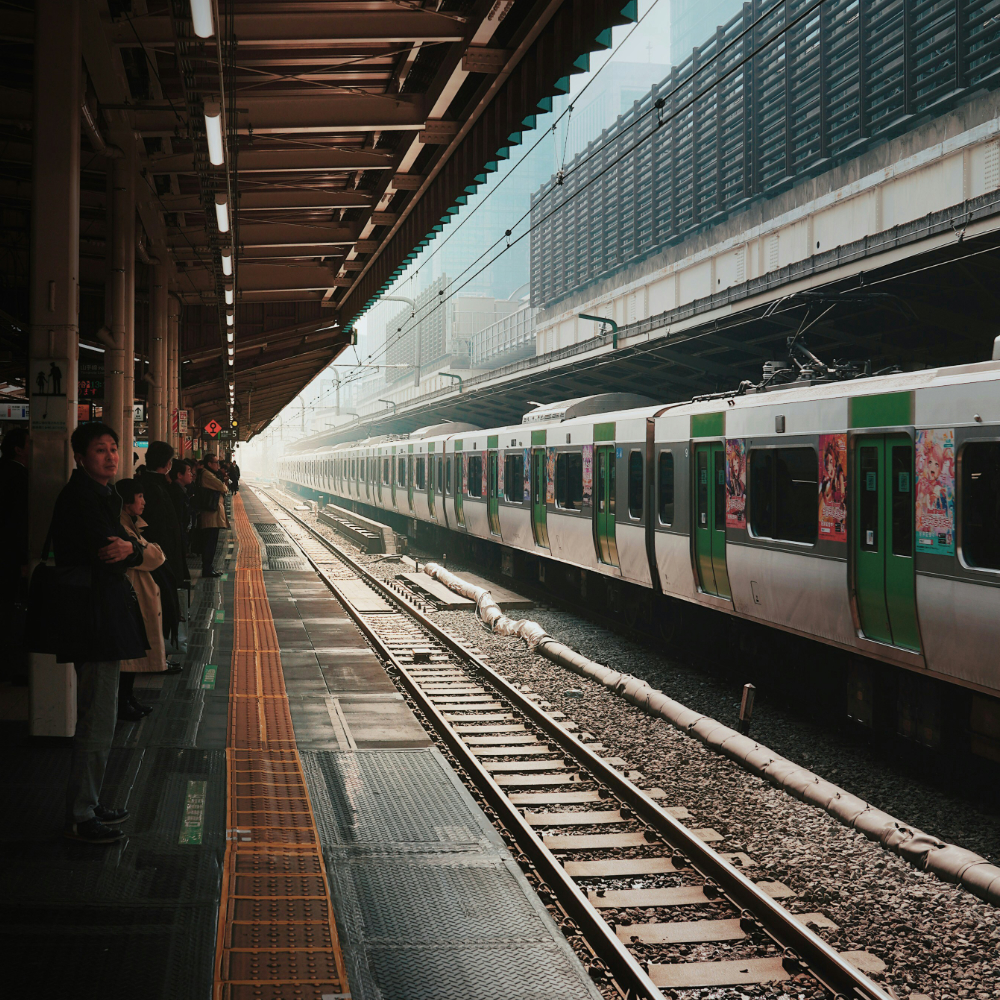
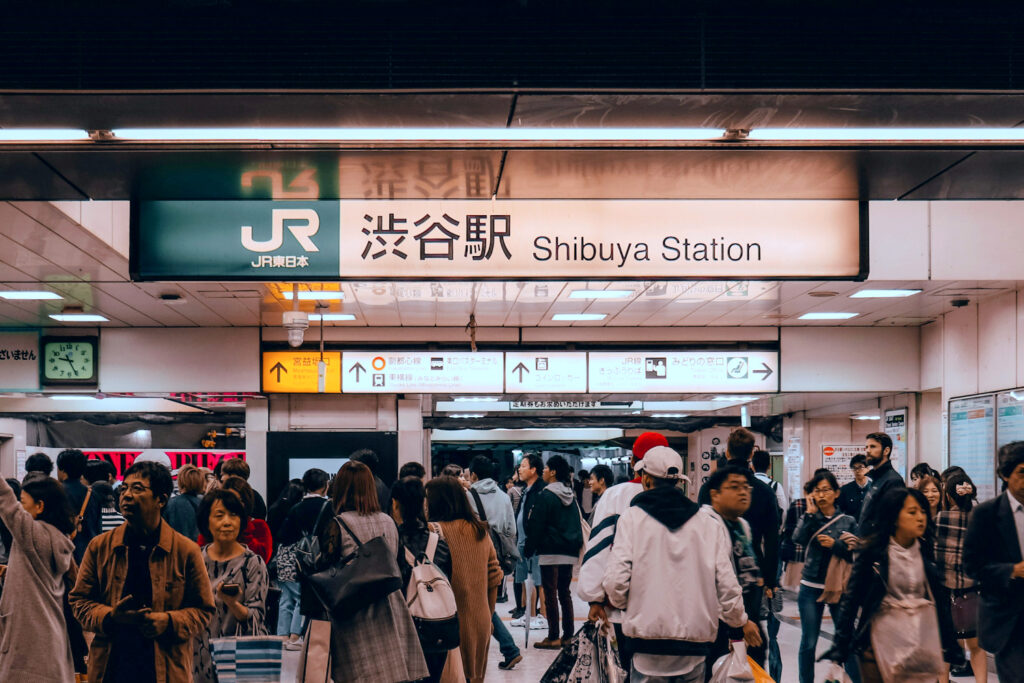
Shibuya Station is one of Tokyo’s most connected transportation hubs. It serves multiple JR lines including the Yamanote Line, which circles central Tokyo, and the Saikyo Line, which connects to Shinjuku and Ikebukuro. Tokyo Metro’s Ginza, Hanzomon, and Fukutoshin lines also pass through Shibuya, providing direct access to business districts like Marunouchi and Otemachi.
Private railways add further options. The Tokyu Toyoko Line links Shibuya to Yokohama, while the Tokyu Den-en-toshi Line serves residential areas to the southwest. The Keio Inokashira Line connects to Kichijoji and western Tokyo. Shinsen Station, on the Keio Inokashira Line, offers a quieter alternative for residents of Shinsencho.
Ongoing redevelopment has improved pedestrian flow and station access. New underground concourses and elevated walkways now connect different parts of the station complex more directly. Travel times to Tokyo Station are approximately 20 minutes, to Haneda Airport around 35 minutes, and to Narita Airport roughly 90 minutes by train.
Full Shibuya Station line list:
- JR Yamanote Line (山手線)
- JR Saikyō Line (埼京線)
- JR Shōnan-Shinjuku Line (湘南新宿ライン)
- Narita Express (as a service using JR platforms)
- Tokyo Metro Ginza Line (東京メトロ銀座線)
- Tokyo Metro Hanzomon Line (東京メトロ半蔵門線)
- Tokyo Metro Fukutoshin Line (東京メトロ副都心線)
- Keio Inokashira Line (京王井の頭線)
- Tokyu Toyoko Line (東急東横線)
- Tokyu Den-en-toshi Line (東急田園都市線)
Dining, Shopping, and Local Amenities
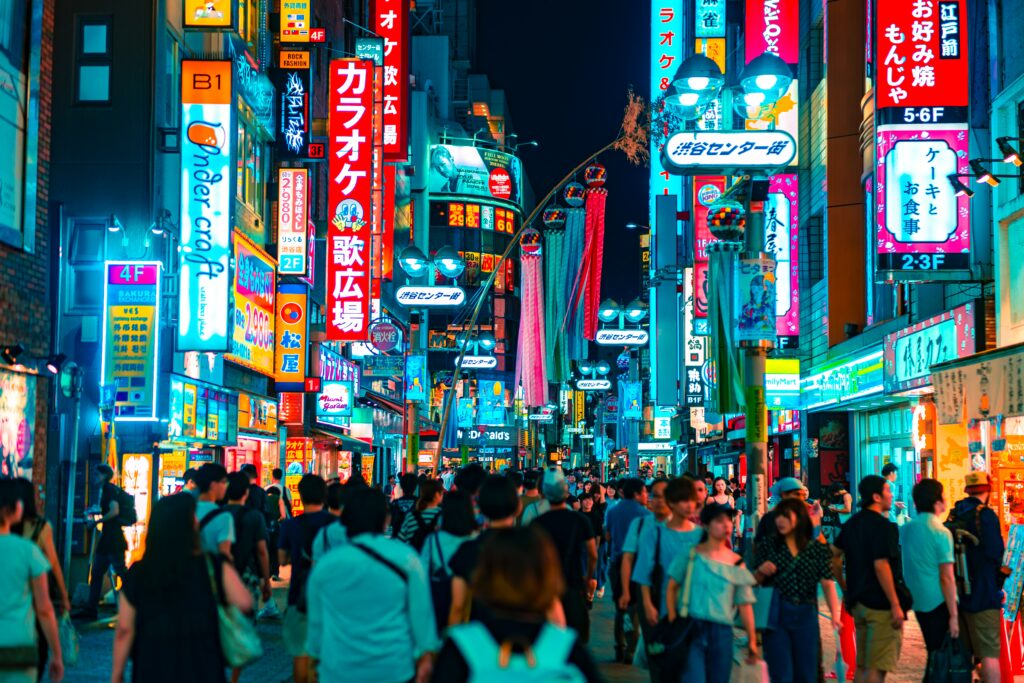
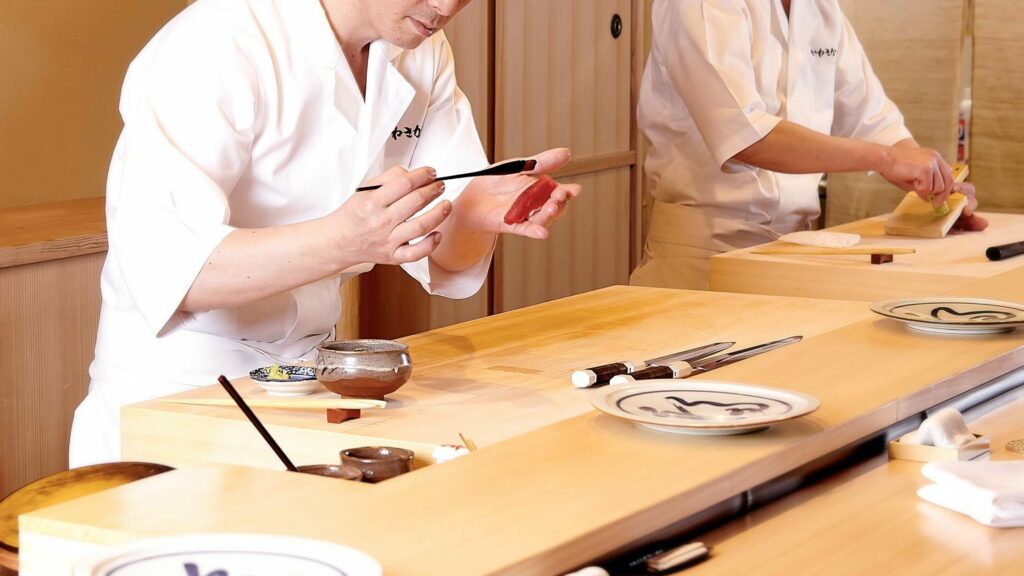
Central Shibuya offers a wide range of dining options, from casual izakaya to high-end restaurants. The area around the station features food halls, international cuisines, and quick service options for busy professionals. Dogenzaka and Center Gai are known for their concentration of restaurants and bars catering to younger crowds.
For a quieter dining experience, Tomigaya and Okushibuya, located on the northwest side of the station, offer cafes and small restaurants popular with locals and creative professionals. Shinsencho also has neighborhood eateries and coffee shops that feel removed from the busier commercial streets.
Shopping ranges from major department stores like Tokyu and Seibu to boutiques and specialty shops. Shibuya 109 remains a fashion landmark, while newer developments like Miyashita Park and Shibuya Scramble Square house international brands alongside local retailers. Daily shopping for groceries is served by supermarkets including Tokyu Store and smaller neighborhood markets.
Iconic Landmarks, Culture, Recreation and Parks
Central Shibuya is home to several landmarks that define the area’s character, from world-famous attractions to peaceful neighborhood escapes.

- Shibuya Crossing – One of the world’s busiest pedestrian intersections, located outside Shibuya Station’s Hachiko Exit. Thousands of people cross from multiple directions each time the lights change, creating the organized flow that has become a symbol of Tokyo.
- Hachiko Statue – A bronze statue commemorating the loyal Akita dog who waited at the station for his owner every day. The statue stands at the Hachiko Exit and serves as one of Tokyo’s most popular meeting points.
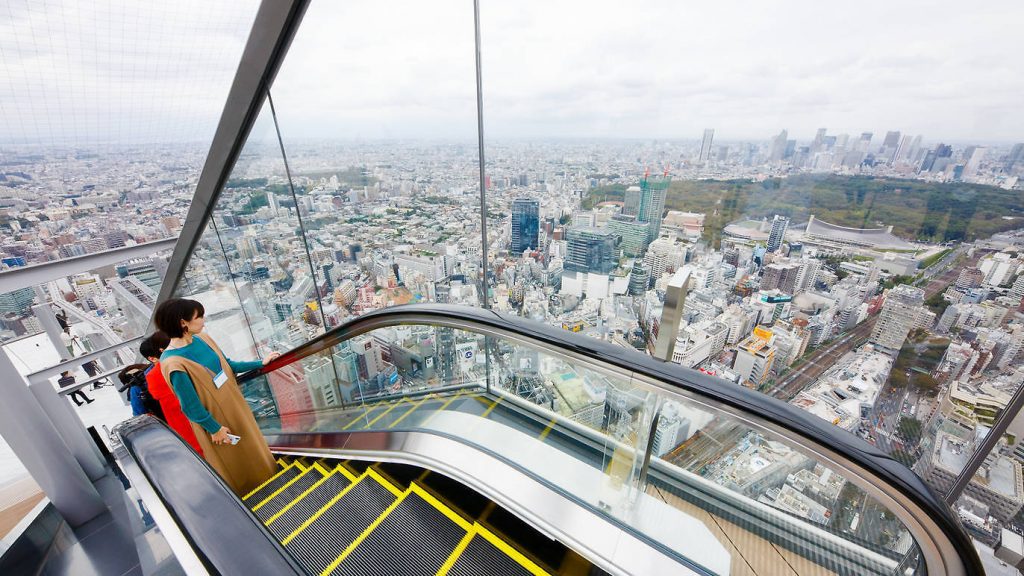
- Shibuya Sky – An open-air observation deck atop Shibuya Scramble Square, offering panoramic views of Tokyo including Mount Fuji on clear days. The rooftop space provides a unique perspective on the city’s scale and density.
- Miyashita Park – A rooftop park built above a retail and hotel complex, reopened in 2020. The elevated green space includes a skate park, climbing wall, and open lawn areas, combining recreation with shopping and dining below.
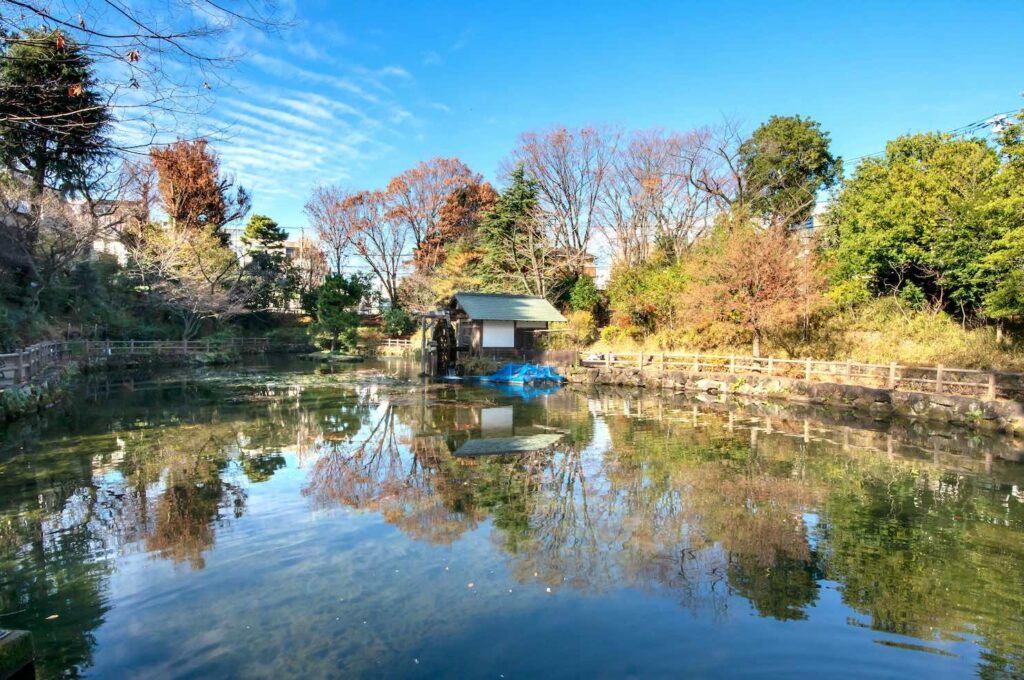
- Nabeshima Shoto Park – A traditional Japanese-style park located in the Shoto residential neighborhood. The park features a pond, walking paths, and mature trees, offering a quiet retreat just minutes from the busy station area.
- Bunkamura – A major cultural complex housing the Orchard Hall concert venue, Theatre Cocoon, a cinema, and gallery spaces. Bunkamura hosts exhibitions, performances, and film screenings, anchoring the area’s arts scene.
Who Lives in Central Shibuya?
Central Shibuya attracts a diverse mix of residents. Young professionals are drawn to the area’s energy and convenience, particularly in neighborhoods closer to the station. The presence of technology companies and creative industries means many residents work in fields like digital media, entertainment, and design.
Shoto, sometimes called the Beverly Hills of Tokyo, is home to affluent Japanese families, executives, and long-term expatriates. The neighborhood’s low-rise character, private homes, and proximity to embassies give it a quieter, more exclusive atmosphere. International residents are common throughout Central Shibuya, supported by nearby international schools and English-friendly services.
Families living in the area benefit from access to parks, cultural facilities, and a range of educational options. The mix of housing types, from compact apartments to spacious houses, accommodates different household sizes and preferences.
Real Estate Overview in Central Shibuya
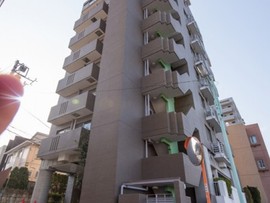
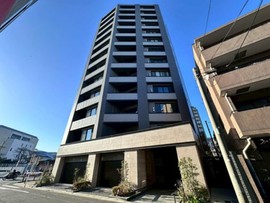
Housing in Central Shibuya ranges from modern high-rise apartments near the station to low-rise residences and detached homes in Shoto and Shinsencho. Newer developments often include building amenities such as concierge services, fitness facilities, and secure parking.
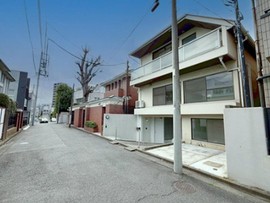
Shoto is known for larger properties, including houses with gardens, and remains one of Tokyo’s established residential addresses. The area appeals to buyers and renters looking for privacy and space while staying close to central Tokyo’s conveniences. Shinsencho offers a somewhat more accessible entry point while maintaining a residential character.
The ongoing redevelopment around Shibuya Station has brought new residential options to the market, including units within mixed-use towers. These properties attract residents who value direct access to transportation, retail, and business facilities. Housing Japan provides English-language support and local expertise for those exploring residential options in Central Shibuya.


Living in Central Shibuya: Is It Right for You?
Central Shibuya suits people who want to live at the center of Tokyo’s urban life without sacrificing access to quieter residential streets. The district works well for professionals who commute across the city, as Shibuya Station connects to most major destinations. Families can find suitable housing in neighborhoods like Shoto, where parks and schools are nearby.
The area may appeal less to those seeking a very quiet environment or traditional neighborhood atmosphere. However, the contrast between busy commercial zones and calm residential pockets means that lifestyle preferences can often be accommodated by choosing the right location within the district.
For international residents, Central Shibuya offers practical advantages including English-friendly services, international dining, and proximity to embassies and international schools. The combination of connectivity, amenities, and residential variety makes it one of Tokyo’s most adaptable neighborhoods.
Frequently Asked Questions
What is Shibuya Crossing?
Shibuya Crossing is the large pedestrian intersection outside Shibuya Station’s Hachiko Exit. It is one of the busiest pedestrian crossings in the world, with thousands of people crossing from multiple directions each time the lights change. The crossing has become a symbol of Tokyo and a popular destination for visitors.
How far is Central Shibuya from Tokyo Station?
Tokyo Station is approximately 20 minutes from Shibuya Station by train. The most direct routes use the Tokyo Metro Ginza Line or JR Yamanote Line with a transfer.
Is Shibuya a good area for families?
Yes, particularly in residential neighborhoods like Shoto and Shinsencho. These areas offer parks, access to schools including international options, and a quieter atmosphere than the commercial center. Families living in Central Shibuya benefit from the area’s convenience and variety of amenities.
What is the Shibuya redevelopment project?
The Shibuya redevelopment is one of Tokyo’s largest urban renewal efforts, led by Tokyu Corporation alongside JR East and Tokyo Metro. The project focuses on improving circulation around the station, adding new mixed-use towers, and creating public spaces. Major milestones include Shibuya Hikarie, Shibuya Stream, and Shibuya Scramble Square, with completion expected in the early 2030s.
Where is Shoto located?
Shoto is a residential neighborhood located west of Shibuya Station, within walking distance of the commercial center. It is known for its quiet, tree-lined streets, private homes, and Nabeshima Shoto Park. The area is sometimes compared to Beverly Hills due to its upscale character.
What train lines serve Shibuya Station?
Shibuya Station is served by JR lines including the Yamanote and Saikyo lines, Tokyo Metro lines including the Ginza, Hanzomon, and Fukutoshin lines, and private railways including the Tokyu Toyoko, Tokyu Den-en-toshi, and Keio Inokashira lines.
What is Hachiko?
Hachiko was an Akita dog famous for waiting at Shibuya Station for his owner every day, even after his owner’s death. A bronze statue of Hachiko stands outside the station’s Hachiko Exit and has become one of Tokyo’s most recognizable meeting points.
Featured Properties in Shibuya