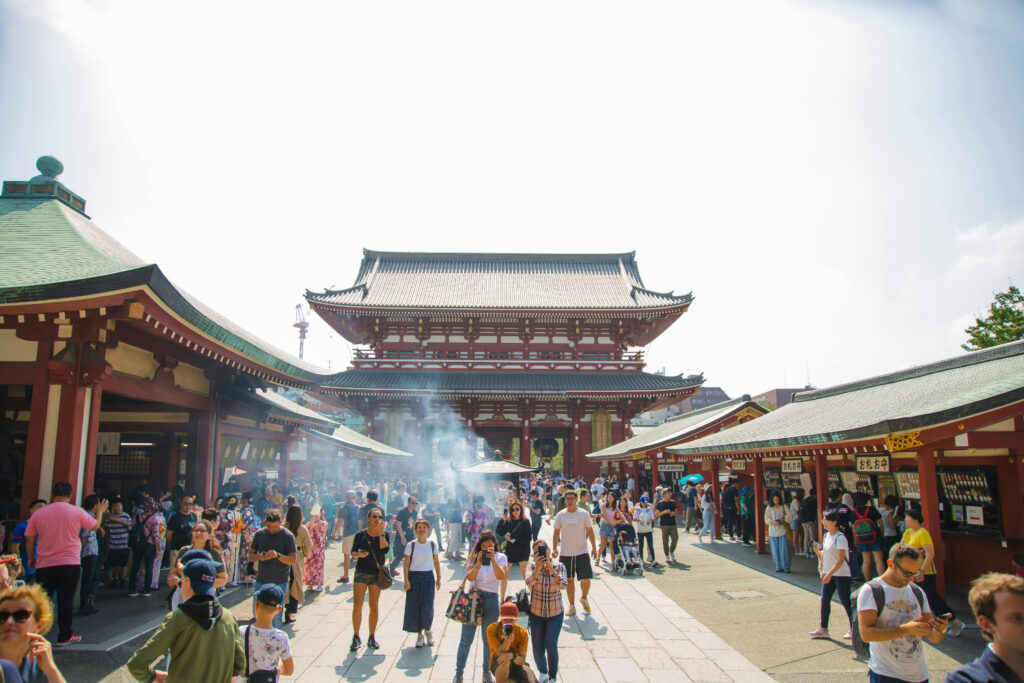
Japan welcomed a record 42.7 million foreign visitors in 2025, breaking through the 40 million threshold for the first time. Tourism minister Yasushi Kaneko announced this milestone in January 2026, confirming that Japan is making strong progress toward its goal of 60 million annual visitors by 2030. For property owners and those considering real estate in Tokyo, this surge in tourism brings meaningful opportunities.
How Has Tourism Grown in Recent Years?
The numbers show consistent growth since Japan reopened its borders after COVID-19 restrictions. In 2024, the country received 36.87 million foreign visitors. The 2025 figure of 42.7 million represents a jump of nearly 16 percent in just one year. This marks the second consecutive year of record-breaking visitor numbers.
Visitors from Asia made up the largest share of arrivals in 2025, according to the Japan National Tourism Organization. Combined arrivals from Europe, the United States, and Australia grew by 22 percent compared to the previous year. This diversification of visitor origins helps create a stable foundation for continued growth.
How Does Japan Compare to Other Countries?

When looking at global tourism figures, Japan’s 42.7 million visitors put it in a strong position, though still well below some of the world’s busiest destinations. Spain welcomed around 97 million international visitors in 2025, placing it near the top globally, Spanish Tourism Minister Jordi Hereu told reporters. The United States received approximately 77.1 million international visitors based on National Travel and Tourism Office forecasts, while the United Kingdom saw around 43.4 million international visits according to VisitBritain and ONS projections.
This comparison offers useful perspective. Even if Japan reaches its 60 million visitor targets by 2030, it will still receive fewer tourists than countries like Spain and the United States currently handle. These nations have demonstrated that high visitor numbers can be managed effectively with proper infrastructure and planning. Japan’s goal is ambitious but realistic, and the country has the capacity to welcome more visitors while maintaining the quality experience that travelers expect.
Sources: The NTTO forecasted US, VisitBritain and ONS
What Does This Mean for the Japanese Economy?
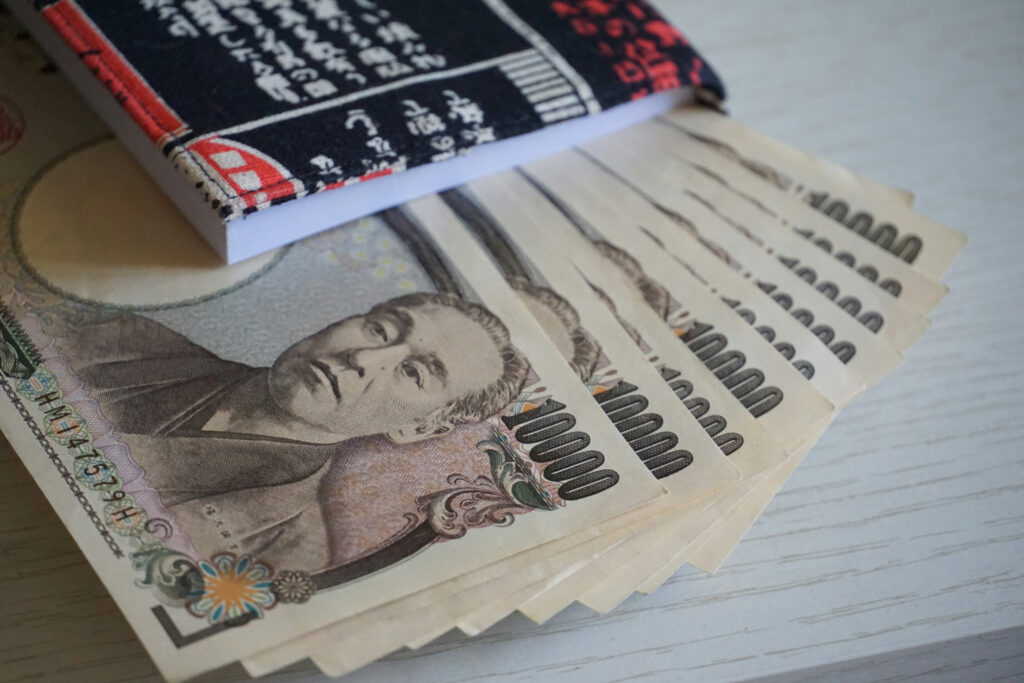
Foreign travelers spent a record 9.5 trillion yen in 2025, up from 8.1 trillion yen the year before. This represents an increase of more than 17 percent in tourist spending. The weak yen against major currencies has made Japan more affordable for international visitors, while Japanese culture and food continue to attract global attention.
This spending flows directly into local businesses, from hotels and restaurants to retail shops and transportation services. For property owners, higher visitor spending often leads to increased demand for accommodation and commercial spaces in popular areas.
Why Is Mountain Tourism Growing in Japan?

Beyond the busy streets of Tokyo and Kyoto, Japan’s mountain regions are seeing strong growth in visitor numbers. According to JNTO data, winter tourism in 2024 increased by 34% percent compared to pre-COVID levels. The Japanese Alps, known for reliable snowfall and quality powder, have become a popular destination for international skiers and snowboarders.
The Hakuba Valley in Nagano Prefecture sits at the heart of this growth. Famous for hosting events during the 1998 Winter Olympics, Hakuba offers access to multiple ski resorts with terrain suited to all ability levels. The area draws visitors not just in winter but throughout the year, with summer activities including hiking, mountain biking, and exploring the alpine scenery. Its location only 2 and a half hours from Tokyo also helps with its appeal.
Housing Japan operates two hotels, with its sister company Resort Japan, in the Hakuba Valley. Nomad Hakuba is located in Echo Land, offering comfortable accommodation in a convenient location. Blue Star Hotel sits in Tsugaike, just one minute from the ski lift, making it easy to get onto the slopes each morning. In February, we are opening Cedars Hotel, a luxury ski-in ski-out property that offers direct access to the mountain. This new addition reflects the growing demand for quality accommodation in Japan’s alpine regions.
For those interested in buying property or investing in the Hakuba area, our partner company Resort Japan specializes in mountain real estate and can help you explore opportunities in this growing market.
How Is Infrastructure Improving?
The Japanese government has been actively investing in infrastructure to support growing tourism numbers. Officials are working to promote lesser-known regions of Japan, which helps spread economic benefits beyond major cities like Tokyo and Kyoto. This effort to redistribute tourism flows means that more areas are receiving attention and development.
Transportation links continue to improve, with better connections between airports and city centers. Hotels and accommodation providers are expanding and upgrading their facilities. These infrastructure improvements benefit not just tourists but also residents, making neighborhoods more connected and increasing the appeal of properties in well-served areas.
What Does Record Tourism Mean for Property Values?
Strong tourism numbers support property values in several ways. Areas with high visitor traffic see increased demand for both commercial and residential real estate. Neighborhoods near popular attractions, transportation hubs, and entertainment districts often experience sustained interest from buyers and investors.
The steady growth in visitor numbers also signals confidence in Japan as a destination. When tourism thrives, local economies strengthen, employment grows, and neighborhoods develop. These factors contribute to a healthy property market where values tend to hold steady or appreciate over time.
Is There an Opportunity in Short-Term Accommodation?

With visitor numbers reaching new highs, the demand for quality accommodation continues to grow. Many travelers prefer alternatives to traditional hotels, seeking apartments and serviced residences that offer more space, privacy, and a local experience.
For property owners interested in the short-term rental market, this presents a clear opportunity. Our sister company, Kens Place, offers daily and monthly rentals in some of the most desirable locations in Tokyo. Whether you are considering purchasing an investment property or want to explore options for your existing property, short-term stays can provide an attractive income stream supported by Japan’s booming tourism sector.
What Can We Expect Going Forward?
Japan’s target of 60 million visitors by 2030 now looks increasingly achievable. The current trajectory suggests continued growth, supported by Japan’s enduring appeal as a travel destination. Japanese culture, food, safety, and hospitality continue to draw visitors from around the world.
For those considering property in Tokyo, these tourism trends offer reassurance. A thriving tourism sector supports local economies, drives infrastructure improvements, and creates demand for both residential and commercial real estate. Whether you are looking for a primary residence, a second home, or an investment property, the positive outlook for Japanese tourism adds another reason to explore what Tokyo has to offer.
Q&As
How many tourists visited Japan in 2025?
Japan welcomed a record 42.7 million foreign visitors in 2025, surpassing 40 million for the first time in its history.
How much did tourists spend in Japan in 2025?
Foreign travelers spent 9.5 trillion yen in 2025, an increase from 8.1 trillion yen in 2024.
What is Japan’s tourism target for 2030?
The Japanese government aims to welcome 60 million visitors annually by 2030.
Where did most visitors to Japan come from in 2025?
Visitors from Asian countries made up the largest share of arrivals. Combined visitors from Europe, the United States, and Australia increased by 22 percent compared to the previous year.
How does Japan’s tourism compare to other countries?
Japan’s 42.7 million visitors in 2025 are comparable to the United Kingdom’s estimated 43.4 million. Spain welcomed around 97 million visitors, while the United States received approximately 77.1 million. Japan’s 60 million target for 2030 remains manageable by global standards.
How can I invest in short-term accommodation in Tokyo?
Kens Place, our sister company, offers daily and monthly rental services in prime Tokyo locations. Contact Housing Japan to learn more about investment opportunities in the short-term rental market.
Housing Japan
Whether you are traveling to Japan or settling into the heart of Tokyo, Housing Japan is here to help. With 25 years of experience, we specialize in helping clients to buy, sell, and managing residential luxury real estate in central Tokyo. From short-term accommodations to permanent homes, we offer options in convenient locations throughout the city. Our services include expert property management, so you can enjoy your investment with peace of mind. Contact us today to explore your options.
Contact Us
Housing Japan
7F BPR Place Kamiyacho, 1-11-9 Azabudai, Minato-ku, Tokyo, Japan 106-0041