Japan has 16 national holidays in 2026 and 18 non-working days. Three remain: Sports Day on Monday October 12, Culture Day on Tuesday November 3 and Labor Thanksgiving Day on Monday November 23. Government offices then close from December 29 to January 3. The 2027 calendar has 16 holidays and one substitute day, Monday March 22.
The Public Holiday Act of 1948 sets Japan’s 16 national holidays. Two extra days off in 2026 came from the Act’s own rules: a substitute day on Wednesday May 6 and a Citizens’ Holiday on Tuesday September 22, which created Silver Week from September 19 to 23, the first since 2015. Traditional observances such as Obon and Setsubun sit alongside these without being official holidays.
Most shops, restaurants and tourist spots stay open during public holidays, unlike in many Western countries. The big exception is New Year, when much of Japan closes down for several days.
Quick Reference: Japan’s Public Holidays 2026
| Holiday | Dates for 2026 | Type | Consecutive Days Off |
| New Year’s Day (元日) | January 1st | Fixed | 1 day (Thursday; offices closed Dec 29 to Jan 3) |
| Coming of Age Day (成人の日) | January 12th | Second Monday in January | 3 days (including weekend) |
| National Foundation Day (建国記念の日) | February 11th | Fixed | 1 day (mid-week) |
| Emperor’s Birthday (天皇誕生日) | February 23rd | Fixed | 3 days (including weekend) |
| Spring Equinox Day (春分の日) | March 20th | Variable | 3 days (including weekend) |
| Showa Day (昭和の日) | April 29th | Fixed | 1 day (mid-week Pre Golden Week) |
| Constitution Day (憲法記念日) | May 3rd (May 6th substitute day) | Fixed | 5 days (Golden Week) |
| Greenery Day (みどりの日) | May 4th | Fixed | 5 days (Golden Week) |
| Children’s Day (こどもの日) | May 5th | Fixed | 5 days (Golden Week) |
| Marine Day (海の日) | July 20th | Third Monday of July | 3 days (including weekend) |
| Mountain Day (山の日) | August 11th | Fixed | 1 day (mid-week) |
| Respect for the Aged Day (敬老の日) | September 21st | Third Monday of September | 5 days (Silver Week) |
| Citizens’ Holiday (国民の休日) | September 22nd | Article 3(3) bridge day (Silver Week 2026) Citizens’ Holiday, not one of the 16 statutory holidays | 5 days (Silver Week) |
| Autumn Equinox Day (秋分の日) | September 23rd | Variable | 5 days (Silver Week) |
| Sports Day (スポーツの日) | October 12th | Second Monday of October | 3 days (including weekend) |
| Culture Day (文化の日) | November 3rd | Fixed | 1 day (mid-week) |
| Labor Thanksgiving Day (勤労感謝の日) | November 23rd | Fixed | 3 days (including weekend) |
Looking ahead to 2027? Jump to our Japan Public Holidays 2027 key dates.
How Do Japanese Holidays Work?
Two rules in the Public Holiday Act create Japan’s long weekends. Under Article 3(2), when a holiday falls on a Sunday, the next day that is not itself a holiday becomes a day off. In 2026 that day was Wednesday May 6, not Monday May 4, because May 4 and May 5 are already holidays. Under Article 3(3), a working day sitting between two holidays also becomes a day off. That second rule produces Silver Week.
Golden Week packs four holidays into eight days in early May. In 2026 the Article 3(3) rule also produced Silver Week, turning Tuesday September 22 into a day off between Respect for the Aged Day and Autumn Equinox Day.
When Are Japan’s Major Holiday Periods in 2026?
When Was Golden Week 2026? (April 29 – May 6)
Golden Week 2026 combined four national holidays: Showa Day on April 29, Constitution Day on May 3, Greenery Day on May 4 and Children’s Day on May 5. Because Constitution Day fell on a Sunday, a substitute day off followed on Wednesday May 6. The calendar alone gave five consecutive days from May 2 to May 6, and taking April 30 and May 1 as leave extended that to eight. Golden Week is one of Japan’s three main domestic travel seasons, alongside Obon and New Year.
When Was Obon 2026? (August 13 -16)
Obon 2026 fell from Thursday August 13 to Sunday August 16. It is a Buddhist observance honouring ancestors and it is not a public holiday, so ward offices, the Legal Affairs Bureau and banks stayed open on August 13 and 14. Most private companies closed, and the shinkansen and expressways filled with people travelling to family homes.
Mountain Day on Tuesday August 11 sat two days before Obon began. Leave on Monday August 10 and Wednesday August 12 linked the two, giving nine consecutive days off from Saturday August 8 to Sunday August 16.
When Was Silver Week 2026? (September 19 – 23)
Silver Week 2026 ran from Saturday September 19 to Wednesday September 23, giving five consecutive days off. Respect for the Aged Day, the third Monday in September, fell on the 21st and Autumn Equinox Day on the 23rd. Tuesday September 22 sat between them and became a day off under Article 3(3) of the Public Holiday Act.
JR East reported 950,000 reserved seats for September 18 to 23 as of September 3, 2026, 189% of the previous year’s figure, according to its press release of September 4. On the roads, the expressway companies’ preliminary figures, published by NEXCO Central on September 25, 2026, counted 201 traffic jams of 10km or more over the five days, against 225 over the same five days of Golden Week (May 2 to 6). Outbound traffic peaked on Saturday September 19, and the return rush peaked on Tuesday September 22, a day before the break ended.
Which Holidays Are Left in 2026? (October – November)
Sports Day on Monday October 12 is the next of the three national holidays left in 2026, giving a three-day weekend from Saturday October 10. Culture Day falls on Tuesday November 3, so a day of leave on Monday November 2 creates a four-day break from Saturday October 31. Labor Thanksgiving Day on Monday November 23 gives a final three-day weekend from November 21.
December has had no national holiday since 2019, when the Emperor’s Birthday moved from December 23 to February 23 with Emperor Naruhito’s accession. The next break after November 23 is the year-end closure from December 29.
When Does Japan Close for New Year? (December 29 – January 3)
January 1 is the only national holiday in this period, but government offices close from December 29 to January 3 under Article 1 of the Act on Holidays of Administrative Organs. This year the closure runs from Tuesday December 29, 2026 to Sunday January 3, 2027, and offices reopen on Monday January 4. Banks keep a shorter break, closing from December 31 to January 3 under Article 5 of the Banking Act Enforcement Order (銀行法施行令). Most private businesses follow the government dates. Families gather, and shrines draw large crowds for hatsumode, the first shrine visit of the year.
When Is the Next Silver Week in Japan?
The next Silver Week is projected for Saturday September 18 to Wednesday September 22, 2032, with another from September 19 to 23, 2037. Both come from equinox dates the National Astronomical Observatory of Japan (国立天文台, NAOJ) calculates in advance. NAOJ confirms each year’s dates officially only in February of the year before.
Why Does Silver Week Only Happen Every Few Years?
Respect for the Aged Day moves between September 15 and 21 as the third Monday, while the autumn equinox falls on September 22 or 23. Only when the two land exactly two days apart does the working day between them become a holiday. That happened in 2009, 2015 and 2026, and NAOJ’s calculated equinox dates put the next two cases in 2032 and 2037.
| Year | Silver Week | Respect for the Aged Day | Citizens’ Holiday | Autumn Equinox Day | Status |
|---|---|---|---|---|---|
| 2015 | Sat Sept 19 – Wed Sept 23 | Mon Sept 21 | Tue Sept 22 | Wed Sept 23 | Past |
| 2026 | Sat Sept 19 – Wed Sept 23 | Mon Sept 21 | Tue Sept 22 | Wed Sept 23 | Past |
| 2032 | Sat Sept 18 – Wed Sept 22 | Mon Sept 20 | Tue Sept 21 | Wed Sept 22 | Projected |
| 2037 | Sat Sept 19 – Wed Sept 23 | Mon Sept 21 | Tue Sept 22 | Wed Sept 23 | Projected |
Source: NAOJ, 何年後かの春分の日・秋分の日はわかるの? (nao.ac.jp/faq/a0301.html) gives the calculated autumn equinox as Wednesday 22 September 2032 and Wednesday 23 September 2037, with the caveat that actual dates may shift. The Monday dates are calendar arithmetic (third Monday rule).
How Do Public Holidays Affect Property Settlements in Japan?
A property settlement in Japan cannot close on a public holiday, because banks shut under Article 5 of the Banking Act Enforcement Order and the Legal Affairs Bureau (法務局, homukyoku), which records changes of ownership, closes with other government offices. On settlement day the buyer’s funds move and the judicial scrivener (司法書士, shiho shoshi) files the transfer registration, so both have to be open on the same business day.
The Ministry of Justice’s online registration system now accepts applications on public holidays from 8:30 to 18:00, but it logs anything sent on a holiday as received from 8:30 on the next business day. Registrations on the same property rank in order of receipt under Article 20 of the Real Property Registration Act (不動産登記法, fudosan toki ho), so a holiday submission does not secure an earlier place.
Silver Week 2026 closed banks and the Legal Affairs Bureau from September 21 to 23. The last settlement day before the break was Friday September 18 and the first after it was Thursday September 24. Ward offices were shut on the same days, so no one could collect a 住民票 (juminhyo, residence certificate) or 印鑑証明 (inkan shomei, registered seal certificate) over the counter.
Banks stay open on December 29 and 30, but the Legal Affairs Bureau and its online system close from December 29 to January 3. That makes Monday December 28, 2026 the last business day this year on which funds and the registration filing can go through together, and Monday January 4, 2027 the first next year.
Housing Japan has brokered sales in Tokyo since 2000, and our licensed agents plan settlement dates around the holiday calendar from the start of a transaction. Speak to our sales team about a purchase or sale that needs to close before the year-end.
What Are Japan’s 16 National Holidays in 2026?
New Year’s Day (January 1) Shogatsu is the year’s main family observance. Families visit shrines and temples, eat osechi ryori, and give children otoshidama, envelopes of money. Most businesses stay closed through January 3.
Coming of Age Day (Second Monday in January) Marks the step into adulthood. The legal age of majority fell from 20 to 18 in April 2022, but most local governments kept their ceremonies for people turning 20, now often called 二十歳のつどい (hatachi no tsudoi). Cities hold them at civic halls, with most participants in furisode or hakama.
National Foundation Day (February 11) Marks the legendary founding of Japan by its first emperor in 660 BC. A day to think about Japanese history and culture.
Emperor’s Birthday (February 23) Marks the birthday of Emperor Naruhito, who ascended to the throne in 2019. The Imperial Palace opens to the public and the Emperor greets visitors from a balcony. The Imperial Household Agency confirms arrangements each year.
Spring Equinox Day (Around March 20) Celebrates the arrival of spring. Many people visit family graves during this time, as it’s considered a good time to honour ancestors.
Showa Day (April 29) Honours the Showa period (1926-1989) and former Emperor Hirohito. Kicks off Golden Week and is a time to reflect on Japan’s modern history.
Constitution Day (May 3) Celebrates Japan’s post-war constitution that took effect in 1947. Often includes discussions about peace and democracy.
Greenery Day (May 4) Set aside for appreciating nature and the environment. Parks and gardens are busy, and it falls in the middle of Golden Week.
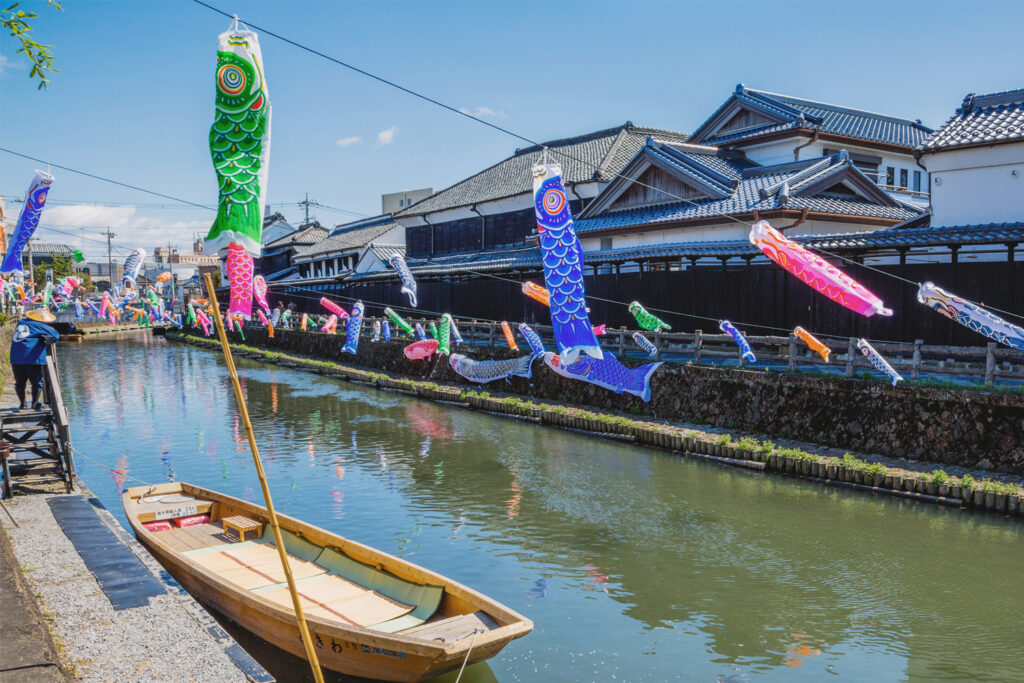
Children’s Day (May 5) Also called Boys’ Day, though it now celebrates all children. Families fly colourful carp streamers (koinobori) and display samurai dolls.
Marine Day (Third Monday in July) Celebrates Japan’s relationship with the ocean. It falls at the start of the summer beach season, and many people head to the coast for the long weekend.
Mountain Day (August 11) Japan’s newest holiday, added in 2016. Encourages people to appreciate Japan’s beautiful mountains and often coincides with summer hiking season.
Respect for the Aged Day (Third Monday in September) Honours elderly people and celebrates long life. Communities often hold special events for senior citizens.
Citizens’ Holiday (September 22, 2026) is a day off rather than one of the 16 statutory holidays. It appears when a working day falls between two public holidays. In 2026 it bridged Respect for the Aged Day and Autumn Equinox Day to create Silver Week, and the next is projected for September 21, 2032.
Autumn Equinox Day (Around September 23) Like the spring equinox, this is a time to remember ancestors and visit graves. Many people enjoy the beautiful autumn weather.
Sports Day (Second Monday in October) Originally celebrated the 1964 Tokyo Olympics. Encourages physical fitness and sports participation. Schools often hold sports festivals around this time.
Culture Day (November 3) Promotes arts, culture, and education. Museums often have special exhibitions, and the government gives cultural achievement awards.
Labor Thanksgiving Day (November 23) Similar to Labor Day in other countries, this day appreciates workers and their contributions to society.
Are Shops Open on Japanese Holidays?
Yes. Most shops, restaurants and department stores in Tokyo stay open on public holidays, often on normal hours. Government offices, banks and post offices close. The main exception is New Year, when a large share of businesses shut from around December 29 to January 3.
Because banks and government offices close, paperwork, transfers and official documents have to be scheduled around the dates. Restaurants keep normal hours but get busier, so reservations are worth making in advance.
Trains and buses run on holiday timetables, which are less frequent than weekdays. During Golden Week and New Year the stations fill up and shinkansen seats sell out well in advance. Hotels and attractions raise prices across the same weeks.
Ken’s Place offers daily and monthly rentals in central Tokyo, which is one option if hotel rates over a holiday week look steep.
Which Japanese Celebrations Are Not Public Holidays?
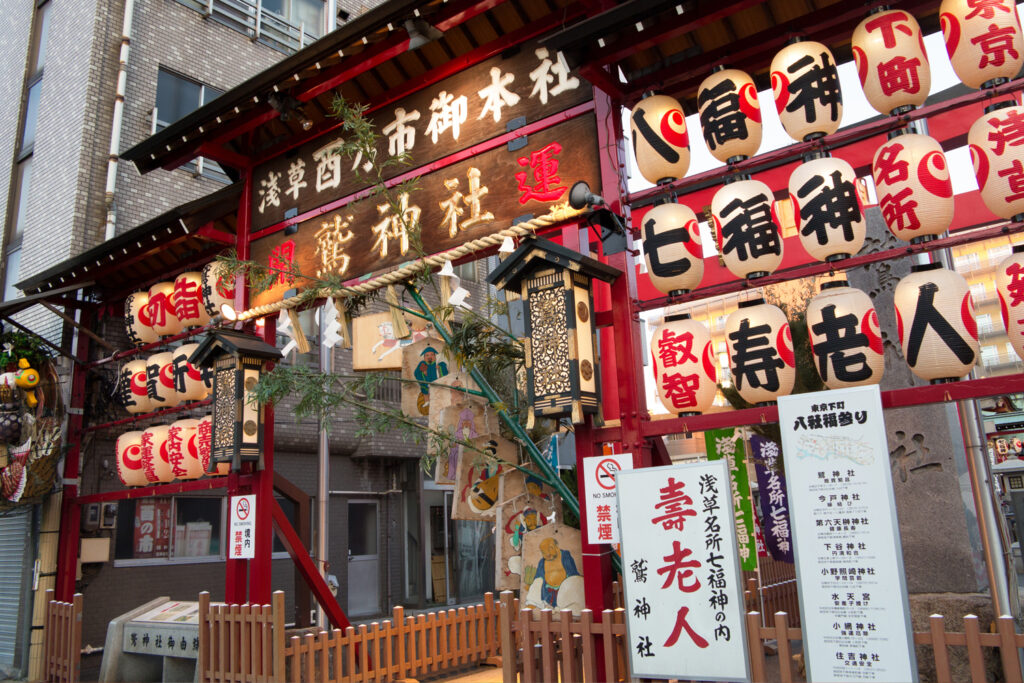
Several seasonal events are widely observed without being official holidays. They affect shopping, dining and crowds in a given neighbourhood, but nothing closes.
Setsubun marks the beginning of spring on February 3, when people throw roasted beans while shouting to chase away evil spirits and welcome good luck for the coming year. Cherry blossom season runs from March into May, with hanami picnics under the trees. Parks get crowded and restaurants put on seasonal menus.
Tanabata, the Star Festival on July 7, celebrates a romantic legend about separated lovers who can meet once a year, with people writing wishes on colourful paper strips and hanging them on bamboo branches. Christmas isn’t a public holiday but has become widely celebrated with unique Japanese traditions like eating fried chicken and sharing strawberry shortcake. Department stores and shopping areas create elaborate decorations, and many couples treat it as a romantic holiday similar to Valentine’s Day in other countries.
Holiday Tips for Tokyo Residents
Stock up before New Year, when supermarkets close for several days and convenience stores run short. Trains switch to holiday timetables, and Shinjuku, Tokyo and Shibuya get heavy during peak travel windows. Book long-distance tickets early.
Most restaurants stay open and some run holiday menus. The popular ones book out, so reserve ahead. Hotels run holiday buffets over the same weeks.
What Are Japanese Holidays Like in Tokyo’s Prime Residential Areas?
High-end buildings decorate their common areas for the season, with pine and bamboo displays at New Year and cherry blossom themes in spring. Concierge desks are more useful than usual over holiday weeks, when restaurant hours shift and transport needs arranging.
Building amenities keep running while public facilities cut their hours. Roppongi, Azabu and Shibuya are close to the shrines and temples that draw hatsumode crowds, and to the main hanami spots.
Housing Japan has brokered luxury residential sales in Tokyo since 2000, with multilingual staff across sales and leasing.
When Are Japan’s Major Holiday Periods in 2027?
2027 has 16 national holidays and 17 non-working days. The extra day is the substitute Monday March 22, after Spring Equinox Day falls on Sunday March 21.
Golden Week 2027 (April 29 – May 5). Showa Day falls on Thursday April 29 and Friday April 30 is a working day. Constitution Day, Greenery Day and Children’s Day run Monday May 3 to Wednesday May 5, giving five consecutive days from Saturday May 1. Taking April 30 as leave extends this to seven days from April 29.
Obon 2027 (August 13 – 16). Obon falls Friday August 13 to Monday August 16, so the weekend does most of the work. Mountain Day lands on Wednesday August 11, and a single day of leave on Thursday August 12 produces six consecutive days from August 11 to 16.
No Silver Week in 2027. Respect for the Aged Day falls on Monday September 20 and Autumn Equinox Day on Thursday September 23, with two working days between them rather than one, so no bridge day forms. September still gives a three-day weekend from the 18th to the 20th, and leave on Friday September 24 turns the equinox into a four-day break.
The rest of 2027. Sports Day on Monday October 11 gives a three-day weekend from October 9. Culture Day falls on Wednesday November 3 and Labor Thanksgiving Day on Tuesday November 23, both midweek and both isolated. Government offices close from December 29 to January 3 as usual, running Wednesday through to Monday across the new year.
Key Dates to Plan Ahead: Japan Public Holidays 2027
| Holiday | Date | Type | Consecutive Days Off |
|---|---|---|---|
| New Year’s Day (元日) | January 1st | Fixed | 3 days (including weekend) |
| Coming of Age Day (成人の日) | January 11th | Second Monday of January | 3 days (including weekend) |
| National Foundation Day (建国記念の日) | February 11th | Fixed | 1 day (mid-week) |
| Emperor’s Birthday (天皇誕生日) | February 23rd | Fixed | 1 day (mid-week) |
| Spring Equinox Day (春分の日) | March 21st | Variable | 3 days (observed Monday March 22nd) |
| Showa Day (昭和の日) | April 29th | Fixed | 1 day (mid-week, pre Golden Week) |
| Constitution Day (憲法記念日) | May 3rd | Fixed | 5 days (Golden Week) |
| Greenery Day (みどりの日) | May 4th | Fixed | 5 days (Golden Week) |
| Children’s Day (こどもの日) | May 5th | Fixed | 5 days (Golden Week) |
| Marine Day (海の日) | July 19th | Third Monday of July | 3 days (including weekend) |
| Mountain Day (山の日) | August 11th | Fixed | 1 day (mid-week) |
| Respect for the Aged Day (敬老の日) | September 20th | Third Monday of September | 3 days (including weekend) |
| Autumn Equinox Day (秋分の日) | September 23rd | Variable | 1 day (mid-week) |
| Sports Day (スポーツの日) | October 11th | Second Monday of October | 3 days (including weekend) |
| Culture Day (文化の日) | November 3rd | Fixed | 1 day (mid-week) |
| Labor Thanksgiving Day (勤労感謝の日) | November 23rd | Fixed | 1 day (mid-week) |
Golden Week 2027 gives five consecutive days from Saturday May 1 to Wednesday May 5, with Showa Day on Thursday April 29 and Friday April 30 a working day. The only substitute day in 2027 is Monday March 22, after Spring Equinox Day falls on a Sunday. No Silver Week forms, as the September holidays do not align to create a bridge day. The Cabinet Office will publish the 2028 holiday dates in February 2027.
Making the Most of Japanese Holidays
Holidays are the easiest time to see how the year is marked in Japan: hatsumode crowds at New Year, koinobori flying for Children’s Day, and local festivals through the summer and autumn.
The planning side is what catches people out. Government offices, banks and the Legal Affairs Bureau close on every public holiday, so anything involving paperwork, transfers or property registration has to sit on one side of the dates or the other. Shops and restaurants stay open, but trains fill up and hotel rates rise.
Monday December 28 is the last day government offices and the Legal Affairs Bureau are open in 2026, and they reopen on Monday January 4, 2027. Golden Week 2027 then runs from Saturday May 1 to Wednesday May 5, with Showa Day on Thursday April 29 and Friday April 30 a working day.
Sign up for Housing Japan’s weekly property listings to see new Tokyo homes as they come to market.
Frequently Asked Questions
How many public holidays does Japan have in 2026? Japan has 16 national holidays each year under the Public Holiday Act, and 2026 has 18 non-working days in total. The two extra days come from the Act itself. Article 3(2) added a substitute day off on Wednesday May 6 after Constitution Day fell on Sunday May 3. Article 3(3) turns any working day sandwiched between two holidays into a day off, which created the September 22 holiday between Respect for the Aged Day and Autumn Equinox Day.
What is Silver Week in Japan? Silver Week is a run of consecutive September holidays that forms only when Respect for the Aged Day and Autumn Equinox Day fall two days apart, leaving a working day between them that becomes a public day off under Article 3(3) of the Public Holiday Act. The name mirrors Golden Week in spring. In 2026 it ran from September 19 to 23, giving five consecutive days off, the first since 2015. It appears at irregular intervals rather than on a fixed cycle, and the next is projected for September 18 to 22, 2032.
When was Golden Week 2026? Golden Week 2026 ran from Wednesday April 29 to Wednesday May 6. Showa Day fell on April 29. Constitution Day, Greenery Day and Children’s Day covered Sunday May 3 to Tuesday May 5, and a substitute day off followed on Wednesday May 6. The calendar alone gave five consecutive days from Saturday May 2, and leave on April 30 and May 1 extended that to eight.
Is Obon a public holiday in Japan? No. Obon is not an official public holiday, though it functions like one in practice. Obon 2026 fell from Thursday August 13 to Sunday August 16, and most private companies closed for those dates. Mountain Day on Tuesday August 11 sat two days before it, so leave on August 10 and 12 produced nine consecutive days off from August 8 to 16. Government offices and banks stay open on August 13 and 14, because Obon is not a public holiday.
Do all Japanese businesses close during public holidays? Most shops, restaurants, and tourist attractions stay open during public holidays, which differs from many Western countries. Department stores and shopping centres often see increased business on these days. The main exception is New Year, when many businesses close from around December 29 through January 3. Some smaller family-run shops may also close on other holidays.
Do banks and government offices close on Japanese holidays? Yes, banks, post offices, and government buildings close on all public holidays. ATMs inside bank branches may have limited hours, though convenience store ATMs typically remain available. If you need to handle banking, official paperwork, or government services, plan around holiday dates.
What happens if a holiday falls on a weekend in Japan? If a holiday falls on a Sunday, the next day that is not already a holiday becomes a substitute day off, known as furikae kyujitsu. This is usually the Monday, but not always. In 2026 Constitution Day fell on Sunday May 3 and the substitute landed on Wednesday May 6, because May 4 and May 5 are also holidays. Separately, a working day sandwiched between two holidays becomes a day off, which is how Silver Week forms.
When is the best time to visit Japan considering holidays? Spring from late March through May and autumn from September through November offer pleasant weather and beautiful scenery. However, Golden Week in early May brings large domestic crowds and higher prices, as did Silver Week in September 2026. For cultural experiences, New Year offers unique traditions like temple visits, though many businesses close. June and December have no public holidays, making them quieter periods for tourism.
How do Japanese holidays affect transportation? Trains and buses run on holiday schedules with reduced frequency on most public holidays. During major holiday periods like Golden Week, Obon, Silver Week, and New Year, stations become extremely crowded as millions of people travel simultaneously. Shinkansen tickets can sell out weeks in advance during peak periods, so booking early is essential. Some expressways experience significant traffic congestion during these times.
Are there regional differences in how holidays are celebrated? While public holidays are observed everywhere in Japan, local customs and festivals add regional character to celebrations. Many prefectures also have their own “Prefecture People’s Day” when local government offices and schools close, though businesses remain open. Obon dates vary slightly by region, with some areas following traditional lunar calendar timing. Each part of Japan brings its own traditions to national celebrations.
What is the Japanese calendar year for 2026? The year 2026 is Reiwa 8 (令和8年) in the Japanese calendar system. You may see this notation on train tickets, official documents, and event schedules. The Reiwa era began in 2019 when Emperor Naruhito ascended to the throne.
What is the last day to complete a property purchase in Japan before New Year? Monday December 28, 2026 is the last business day in 2026 on which a property settlement can go through with a same-day registration filing. The Legal Affairs Bureau and the online registration system close from December 29 to January 3, even though banks stay open on December 29 and 30. The first settlement day of 2027 is Monday January 4. The days either side of the closure are busy for banks and judicial scriveners, so fixing the date early leaves room if a loan approval or a document runs late.
When is Golden Week 2027? Golden Week 2027 covers Showa Day on Thursday April 29, then Constitution Day, Greenery Day and Children’s Day from Monday May 3 to Wednesday May 5. Friday April 30 is a working day. Golden Week needs no substitute day in 2027; the year’s only substitute day is Monday March 22. The calendar gives five consecutive days from Saturday May 1 to Wednesday May 5, and taking April 30 as leave extends this to seven. There is no Silver Week in 2027.
Is there a Silver Week in 2027? No. Silver Week occurs at irregular intervals, only when Respect for the Aged Day and Autumn Equinox Day fall two days apart, leaving a working day between them that becomes a public day off. In 2027 the September holidays do not align this way, so there is no Silver Week. The next Silver Week after 2026 is projected for September 18 to 22, 2032, based on equinox dates calculated by the National Astronomical Observatory of Japan, which confirms each year’s dates officially in February of the year before.
Sources:
Cabinet Office (内閣府), 国民の祝日について. Holiday dates for 2026 and 2027
Japanese Law Translation, Act on National Holidays (Act No. 178 of 1948), Articles 2 and 3
e-Gov, 行政機関の休日に関する法律, Article 1. The December 29 to January 3 closure
National Astronomical Observatory of Japan (国立天文台), calculated equinox dates to 2040
Ministry of Justice (法務省), online registration hours and holiday filings