Tokyo is one of the most populated cities in the world, and finding an apartment here is both competitive and unique. Whether you are an expat navigating a new housing market, a professional relocating for work, or a buyer evaluating property in Japan, understanding how apartments are sized, labeled, and priced will save you time and help you make better decisions.
Tokyo apartments vary widely by location. Space is at a premium in central wards such as Minato-ku and Shinjuku-ku, and prices reflect this. From compact studios to spacious family homes, the market has options across a range of budgets and needs.
Average Apartment Sizes in Tokyo
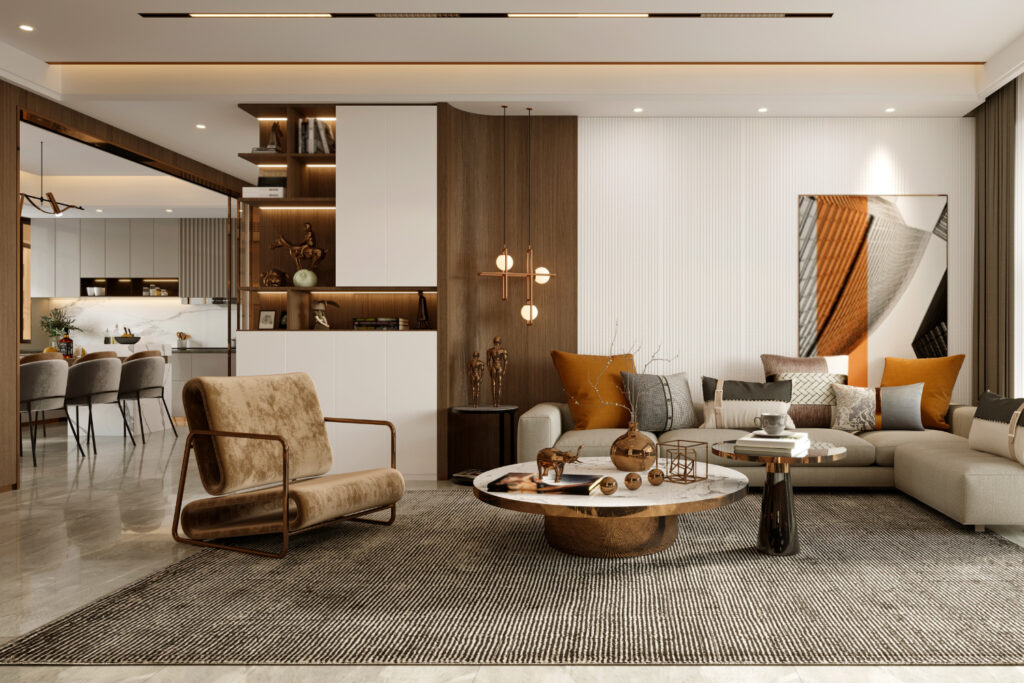
Apartments in Tokyo range from under 20 square meters for a basic studio to over 150 square meters for larger luxury properties. According to Japan’s Ministry of Land, Infrastructure, Transport and Tourism (MLIT) housing guidelines, a single person living in a city should have a minimum of 25 square meters to maintain a healthy and culturally fulfilling life, with an ideal amount of 40 square meters. In practice, many units in central Tokyo fall below this ideal, reflecting the pressure of limited land and high demand.
Apartments are measured in square meters in modern listings. You may also see measurements in tatami mats, an older traditional unit where one tatami mat equals approximately 1.65 square meters. This comes from the historical use of tatami flooring throughout Japanese homes, which made each mat a practical standard for room size. Most modern listings use square meters, but tatami measurements still appear in older properties.
How Japanese Apartment Layouts Are Labeled
Every apartment listing in Japan uses a shorthand code to describe how the space is divided. Understanding this system is essential to reading listings clearly. The number indicates how many separate bedrooms the apartment has. The letters describe the shared living area:
- R = Room (one undivided space, kitchen, sleeping, and living all in one)
- K = Kitchen (a separate, enclosed kitchen space)
- DK = Dining and Kitchen combined
- LDK = Living, Dining, and Kitchen combined
| Layout | Description | Typical Size | Best For |
| 1R | Single room, kitchen, living, and sleeping in one open space | 13–20 sqm | Singles, short stays |
| 1K | One room plus a separate enclosed kitchen | 20–25 sqm | Single professionals |
| 1DK | One room plus combined dining and kitchen | 25–35 sqm | Singles or couples |
| 1LDK | One bedroom plus combined living, dining, and kitchen | 35–50 sqm | Couples, professionals |
| 2LDK | Two bedrooms plus living, dining, and kitchen | 50–80 sqm | Couples, small families |
| 3LDK | Three bedrooms plus full living areas | 70–120 sqm | Families |
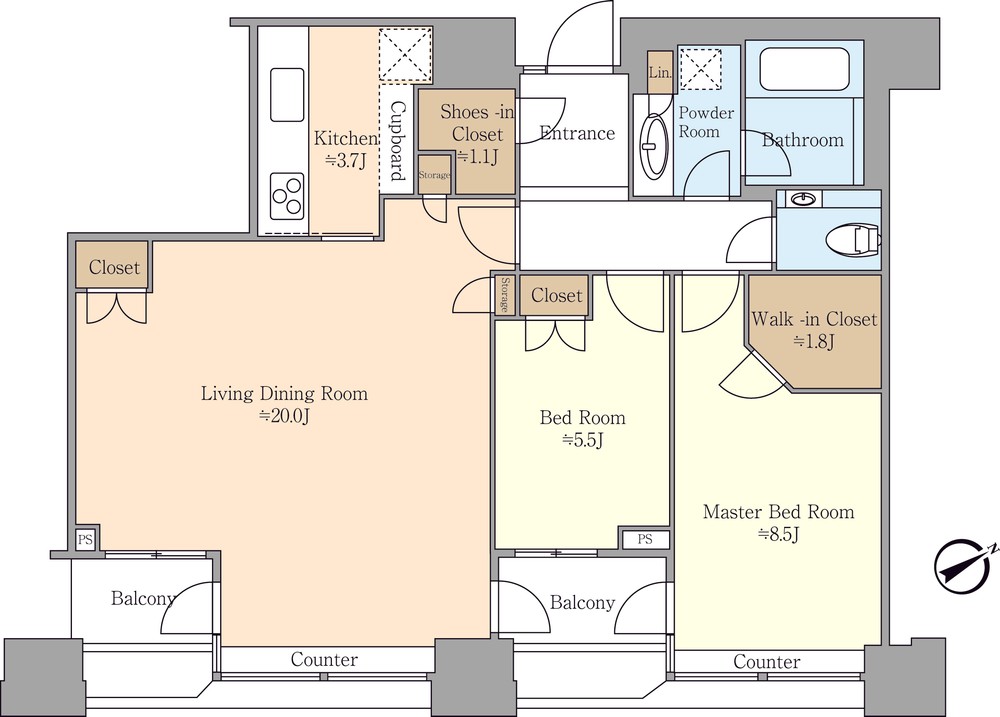
The above 3D floorplan on the left is a 1K short term, fully furnished rental available at KensPlace. A short-term apartment rental is a great choice when you need more flexibility and when living on your own. The 2LDK floor plan on the right is a luxury apartment available at Housing Japan in the exclusive ‘Park Court Toranomon Atago Tower’ which is for sale here. Buying luxury apartment mean you have private access to some of the best amenities’ which can be extremely convenient.
Apāto and Manshon: What Is the Difference?
In Japan, two terms describe the main types of residential buildings, and the distinction matters for quality, cost, and day-to-day living.
Apāto (アパート) refers to smaller buildings, often two to three storeys, typically with wood or light steel construction. These tend to be more affordable and are common in outer wards and quieter residential neighborhoods. Soundproofing and insulation are generally more limited.
Manshon (マンション) derived from the English word “mansion”, refers to modern reinforced concrete apartment buildings. These are the standard in central Tokyo and luxury residential areas. They offer better build quality, stronger soundproofing, and often include amenities such as concierge services, parcel lockers, and fitness facilities. Manshon properties carry higher purchase prices but deliver a noticeably better standard of living.
For buyers focused on central Tokyo, manshon buildings are the market standard. Housing Japan specializes in premium manshon properties across Tokyo’s most desirable wards.
What Does It Cost to Buy an Apartment in Tokyo?

Tokyo property prices have risen consistently over recent years. According to MLIT’s FY2024 Trends Concerning Land report, the unit price per square meter of newly built condominiums in the Tokyo metropolitan area was at the ¥1.2 million level in Q4 2024. The average price for pre-owned condominiums in the Tokyo metropolitan area reached ¥48.90 million in 2024, up 6.9% year-on-year.
Land prices reinforce this direction. MLIT’s official land price announcement for 2025 shows that residential land prices across Tokyo’s 23 wards rose an average of 7.9% year-on-year, with the five central wards, Chiyoda, Chuo, Minato, Shinjuku, and Shibuya, rising 12.0% on average. This was the fourth consecutive year of increase, and the highest rate of growth since the early 1990s.
The most expensive residential land in Tokyo is in Minato-ku. MLIT data records the highest residential land price point in central Tokyo at 5,900,000 yen per square meter in Akasaka, Minato-ku, the highest point for eight consecutive years.
Additional Costs When Buying
The listed price is not the full amount you will pay. Buyers should budget an additional 4 to 8 percent of the purchase price to cover:
- Real estate agent fee: typically 3% of the purchase price plus ¥60,000, subject to consumption tax
- Registration and stamp taxes: approximately 1 to 1.5% of the purchase price
- Real estate acquisition tax: 3 to 4% of the assessed property value
- Building management reserve and repair fund: one-off contributions paid at purchase
For a ¥100 million apartment, this typically means ¥4 to 8 million in costs on top of the purchase price. Understanding these figures before you start looking helps you set a realistic total budget.
Making the Most of a Tokyo Apartment
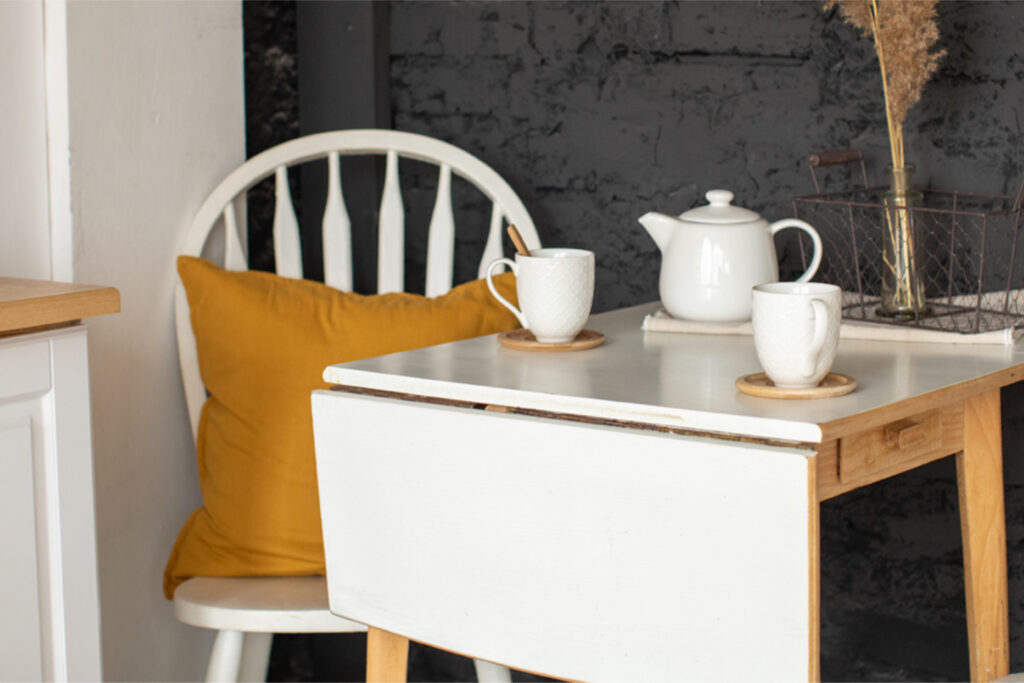
Living in central Tokyo often means adapting to a more compact floor plan than people moving from overseas may be used to. Japanese design has developed a strong tradition of maximizing function within limited space, and there is a lot to draw on when furnishing and organizing an apartment here.
Multifunctional furniture, sofa beds, storage ottomans, foldable tables, makes a real difference in everyday living. Using vertical wall space for shelving keeps the floor clear. South-facing apartments (minami-muki) are particularly valued in Japan for the sunlight they receive, which also helps with warmth in winter and reduces dampness in older buildings.
One great way to get furniture that will fit the aesthetic and design of Japanese apartments is to use a Japanese companies. They will understand how to utilize the space in the most effective way. Some great Japanese High-end Homeware and Furniture companies include:
- karimoku-case – high-end Japanese furniture brand that caters to design-conscious urban customers who value quality craftsmanship, natural materials, and timeless modernist aesthetics inspired by both Japanese and Danish design traditions.
- a.flat – targets nature-loving customers seeking comfortable, customizable furniture with resort-inspired aesthetics and a 100-color fabric selection system.
- Momo Natural is a traditional Japanese furniture manufacturer that focuses on creating timeless, approachable pieces for customers who value authentic craftsmanship and natural materials rooted in their Okayama heritage.
External Storage Options
There are some great external storage options to help maximize your space. You can store extra items that you don’t need in the apartment, but you can still access it easily if you have too much to fit into the apartment. One said company is TrunkRoom Tokyo. It is also a great option when moving between apartments and can also work long term.
See the TrunkRoom Tokyo Japanese website -> Here
TrunkRoom Tokyo English Website -> Here
Renting an Apartment in Tokyo
Rental costs in Tokyo vary considerably depending on location, size, and building type. Central wards such as Minato-ku, Chiyoda-ku, Chuo-ku, Shinjuku-ku, and Shibuya-ku command the highest rents, reflecting their proximity to business hubs, international schools, and transport links. These areas are also the most popular with expats and internationally mobile professionals. In outer wards, rents drop significantly, though the trade-off is typically a longer commute.
The terminology used for buildings matters for renters too. Older apāto buildings tend to offer lower rents but more limited amenities and soundproofing. Modern manshon buildings in central locations offer a higher standard of living, concierge services, secure entry, and better construction quality, and are priced accordingly. For those seeking a premium living experience in Tokyo, Housing Japan manages a selection of high-quality properties across the city’s central wards. Contact us to discuss your requirements.
Common Questions About Tokyo Apartments
Can foreigners buy apartments in Tokyo?
Yes. There are no legal restrictions on foreign nationals purchasing property in Japan. Foreigners can buy on the same terms as Japanese nationals. Financing through a Japanese bank typically requires residency, but many international buyers purchase through cash or overseas financing.
What does the 1LDK, 2LDK system mean?
The number is the bedroom count. The letters describe the shared space: L is living room, D is dining room, K is kitchen. A 2LDK has two bedrooms and a combined living, dining, and kitchen area.
What is the difference between apāto and manshon?
Apāto are smaller, lower-cost buildings, usually wood or steel construction. Manshon are larger reinforced concrete buildings with better amenities and build quality. Most quality properties in central Tokyo are manshon buildings.
How do additional purchase costs work in Japan?
On top of the purchase price, buyers typically pay 4 to 8% in fees covering agent commissions, registration taxes, acquisition tax, and building reserve contributions. For any significant purchase, it is important to factor this into your budget from the start.
Sources: Ministry of Land, Infrastructure, Transport and Tourism (MLIT)
Looking to Buy Property in Tokyo?
Housing Japan has been helping buyers find and purchase property in central Tokyo for over 25 years. Our multilingual team works with buyers from around the world, guiding you through every step of the process, from identifying the right property to completing contracts and settling in.
We specialize in luxury residential property across Tokyo’s most desirable wards, including Minato, Shibuya, Chiyoda, and Meguro. Whether you are buying your first home in Japan, relocating for work, or expanding your property portfolio, our team has the local knowledge and international experience to support you.