Tokyo enters 2026 with a wave of major developments set to reshape several neighborhoods across the city. From historic Nihonbashi to the evolving waterfront in Ariake, new mixed-use complexes, cultural venues, and entertainment hubs are opening their doors throughout the year. These projects reflect Tokyo’s ongoing transformation as the city balances modern urban planning with its deep cultural heritage.
For anyone considering property in Tokyo, understanding these developments provides useful context about neighborhood changes and the broader direction of urban planning in the capital. Here is what to expect from five major projects completing in 2026.
Nihonbashi 1-Chome Naka-chiku Type-1 Urban Redevelopment Project

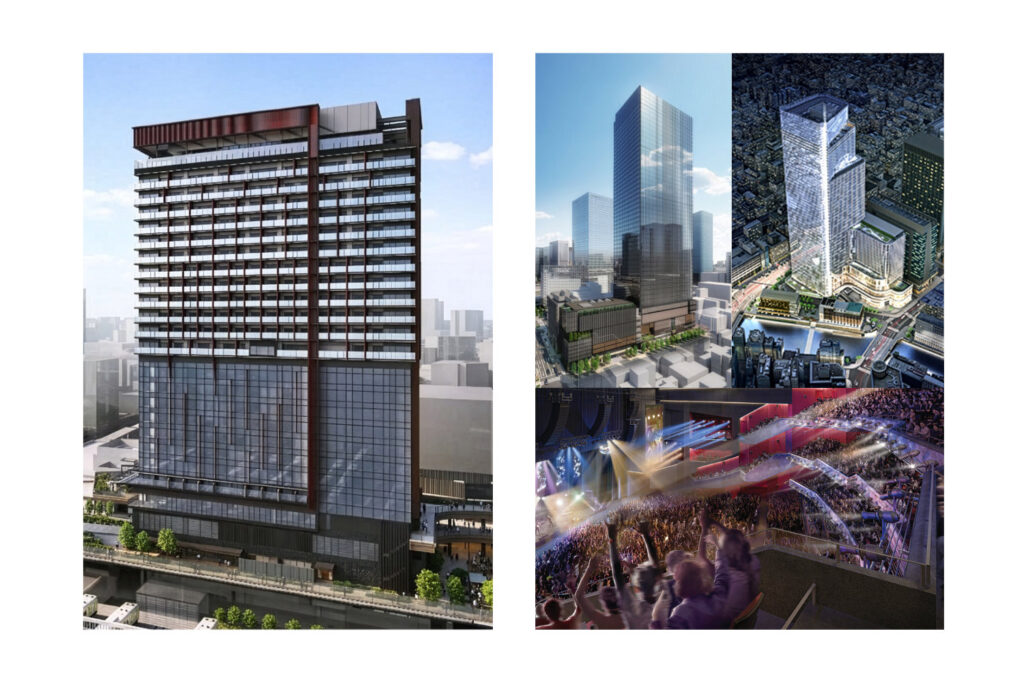
The Nihonbashi 1-Chome Naka-chiku Type-1 Urban Redevelopment Project is one of the largest developments currently underway in central Tokyo. Located in Chuo-ku, this project covers approximately 3.0 hectares and features a 52-story tower rising 284 meters. Construction began in December 2021 with completion scheduled for March 2026, followed by facility openings throughout the year.
The development sits along the Nihonbashi River and connects directly to Nihonbashi Station via the Tokyo Metro Ginza and Tozai Lines, as well as the Toei Asakusa Line. JR Tokyo Station is also nearby, making this location accessible for both domestic travel and international connections to Narita and Haneda airports.
What the Development Includes

The project consists of three building areas. Block A preserves and renovates the exterior of the former Nihonbashi Nomura Building, a 1930 structure designed by architect Takeo Yasui that Chuo City has designated as a tangible cultural property. This low-rise building will house retail and office space while maintaining its historic facade.
Block B is a newly constructed mid-rise building with seven floors above ground containing retail and residential space. Block C, the main tower, will contain offices, conference facilities designed for international events, business support facilities, retail space, and a hotel. The total floor area across the complex reaches approximately 385,000 square meters.
Within this large mixed-use project, Waldorf Astoria Residences Tokyo Nihonbashi will occupy the upper floors of the main tower (floors 48–51) and represent the first Waldorf Astoria branded residential property in the Asia-Pacific region under Hilton’s luxury brand. The tower also includes the Waldorf Astoria Tokyo Nihonbashi Hotel on floors 39–47.
Waterfront and Environmental Features
The development takes advantage of its riverside location by including terrace decks and public plazas along the Nihonbashi River. A new pedestrian deck will open to the community as a waterfront walking path. The project also connects to the existing Nihonbashi Boat Terminal, expanding options for river transportation.
This development is part of the broader Nihonbashi Revitalization Plan, which includes plans to move the elevated Metropolitan Expressway underground by the 2030s. When the expressway is eventually removed, the riverside spaces being created now will gain open views of the sky above the Nihonbashi River.
The project is being developed by the Nihonbashi 1-chome Naka Area Urban Redevelopment Association, with Mitsui Fudosan and Nomura Real Estate Development serving as lead participants. Nikken Sekkei handled the design, with Pelli Clarke Pelli Architects contributing to the high-rise building design.
TOFROM YAESU at Tokyo Station
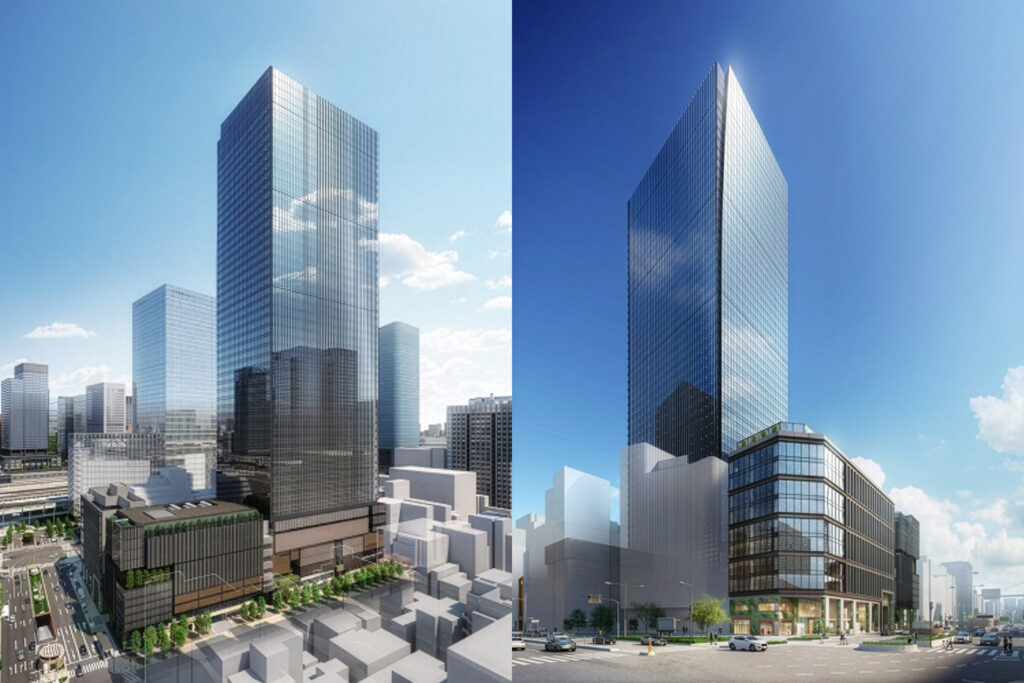
Scheduled to open in 2026, TOFROM YAESU is a mixed-use complex located at the Yaesu Exit of Tokyo Station. The project consists of two buildings: TOFROM YAESU TOWER, a 51-story tower standing approximately 250 meters tall, and TOFROM YAESU THE FRONT, a 10-story building. Together they form a development directly connected to one of Japan’s busiest railway stations.
The name combines “TO” and “FROM” to represent the developers’ vision of the site as a place where people, goods, and ideas from across Japan and around the world gather, connect, and create new value. The project is designated as a national strategic special zone and aims to strengthen Tokyo’s position as a global city.
Facilities and Access
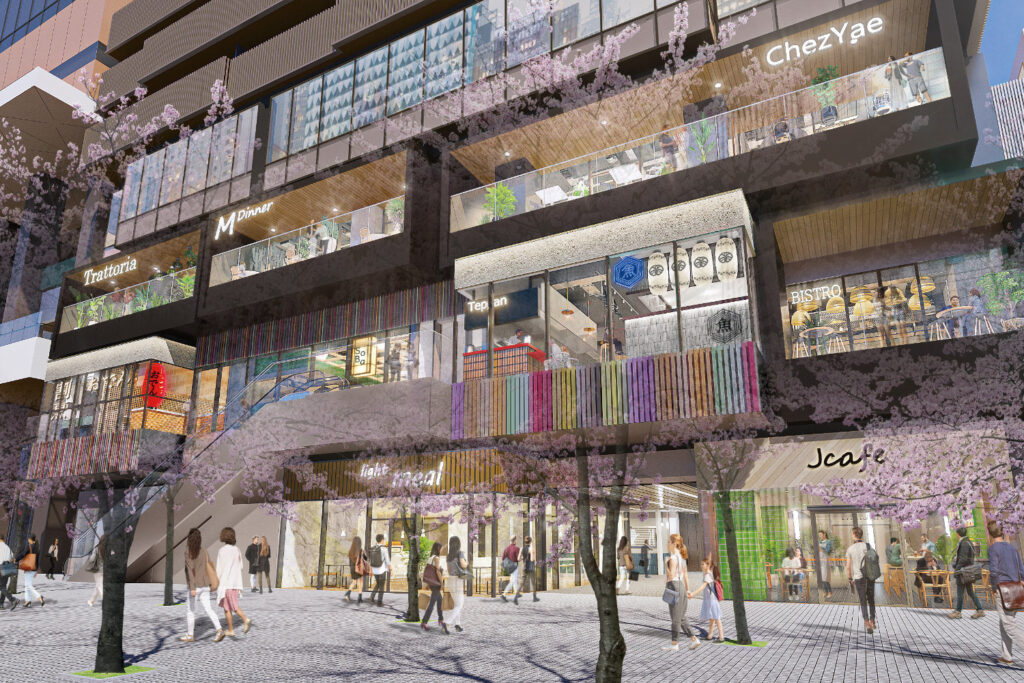
The lower floors of both buildings will contain approximately 6,000 square meters of commercial space with around 70 shops, primarily restaurants. The development includes an indoor plaza called Himonocho Square on the first floor, which will serve as a cultural gathering space and feature displays such as mikoshi portable shrines from local festivals.
The second phase of Bus Terminal Tokyo Yaesu will open in the basement levels, improving long-distance bus connections from Tokyo Station to destinations across Japan and to major airports. The third through sixth floors will house an 800-seat theater and conference halls operated by Pia Corporation and Congress Inc., intended for concerts, performances, and business events.
Office floors in the tower will feature facilities focused on occupant wellbeing, including relaxation spaces and dedicated wellness floors. Tokyo Tatemono is leading the development as a member of the project’s redevelopment association. The location offers direct station access, putting travelers within a one-minute walk from JR Tokyo Station and three minutes from Nihonbashi Station.
TOKYO DREAM PARK in Ariake
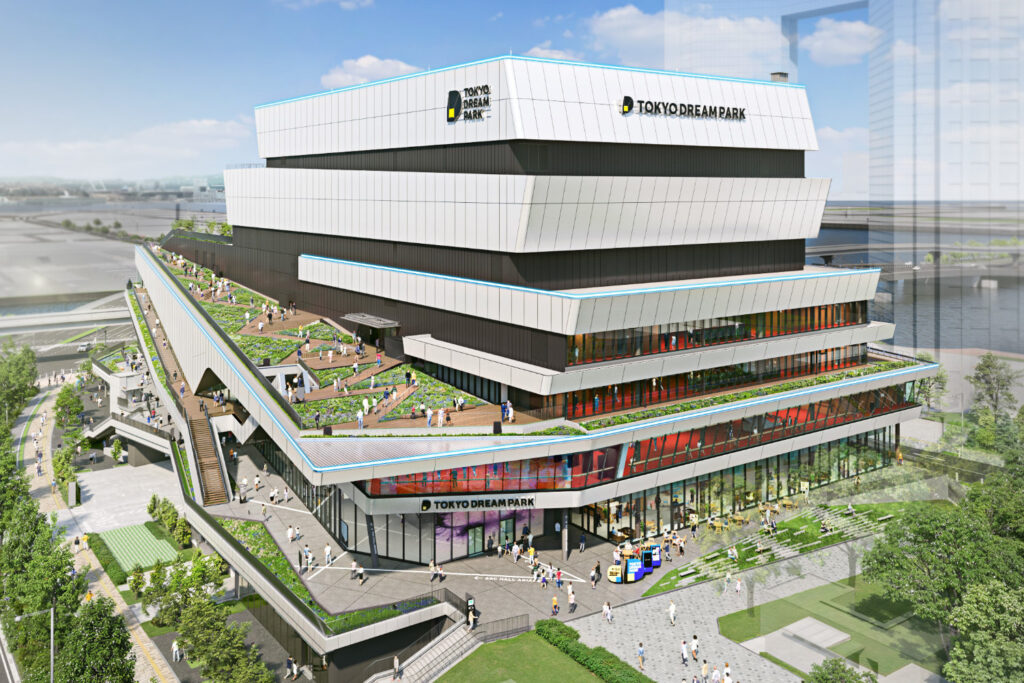
TOKYO DREAM PARK opens on March 27, 2026, in the Ariake district of Koto Ward. This entertainment complex is operated by TV Asahi and designed to host concerts, theater performances, exhibitions, and cultural events. The building has nine floors above ground and one basement level, with a site area of approximately 12,900 square meters.
The facility is located about a five-minute walk from Tokyo Big Sight Station on the Yurikamome Line and nine minutes from Kokusai-Tenjijo Station on the Rinkai Line. This puts it in the same area as Tokyo Big Sight convention center and the broader Ariake development zone that hosted several 2020 Olympic venues.
Performance Venues
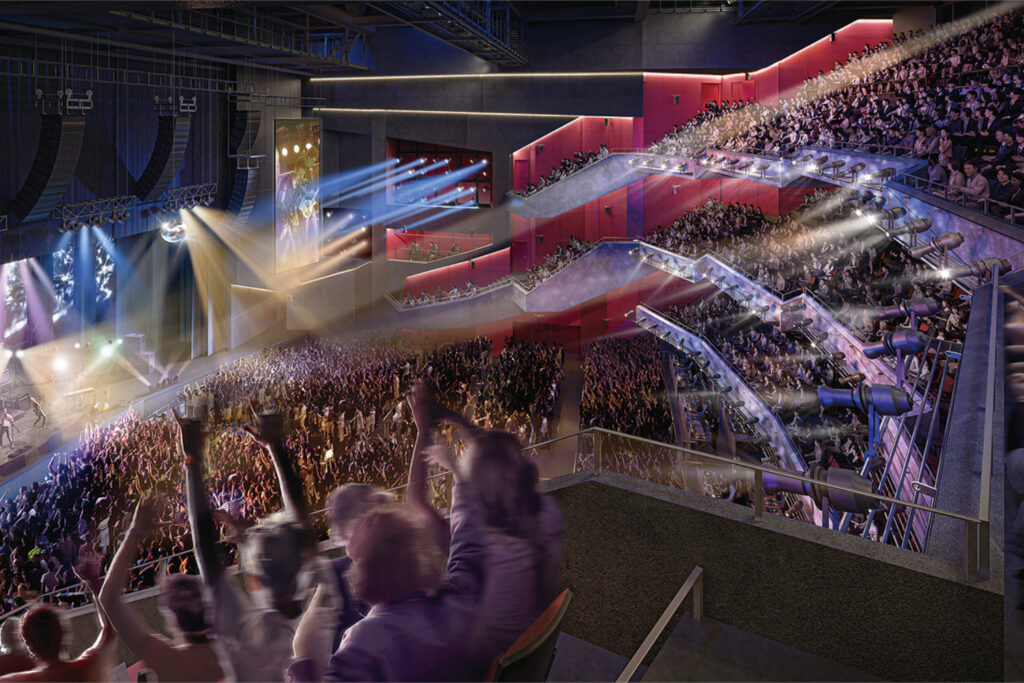
The main venue is SGC HALL ARIAKE, a multipurpose hall that seats approximately 3,700 people or accommodates up to 5,000 standing. The hall is equipped with an immersive audio system developed from TV Asahi’s experience producing music programs. Opening performances are scheduled to include B’z on March 28-29, Tatsuro Yamashita on April 11-12, and Sakanaction on April 18-19.
EX THEATER ARIAKE is a 1,500-seat theater designed for plays and musicals, featuring flexible staging and acoustic design for clear dialogue delivery. The opening year lineup includes a new musical called AmberS opening in April 2026, a summer production from the theater company Gekidan Shinkansen, and the Japanese premiere of a Tony Award-winning musical.
Exhibition and Event Spaces
The seventh floor houses EX STUDIO7, a multipurpose exhibition space spanning approximately 870 square meters. For the opening, this space will host 100% Doraemon & Friends in Tokyo, described as the largest Doraemon event held in Japan. The eighth floor, EX STUDIO8, will feature Japan’s first branch of the immersive digital art experience Reve des Lumieres from Paris, presenting works by artists including Van Gogh.
The sixth floor includes DREAM TERRACE, a rooftop garden with ocean views, alongside a restaurant with approximately 200 seats. This outdoor space will host seasonal events throughout the year and provide a gathering spot for visitors attending performances at the adjacent venues.
MoN Takanawa: The Museum of Narratives
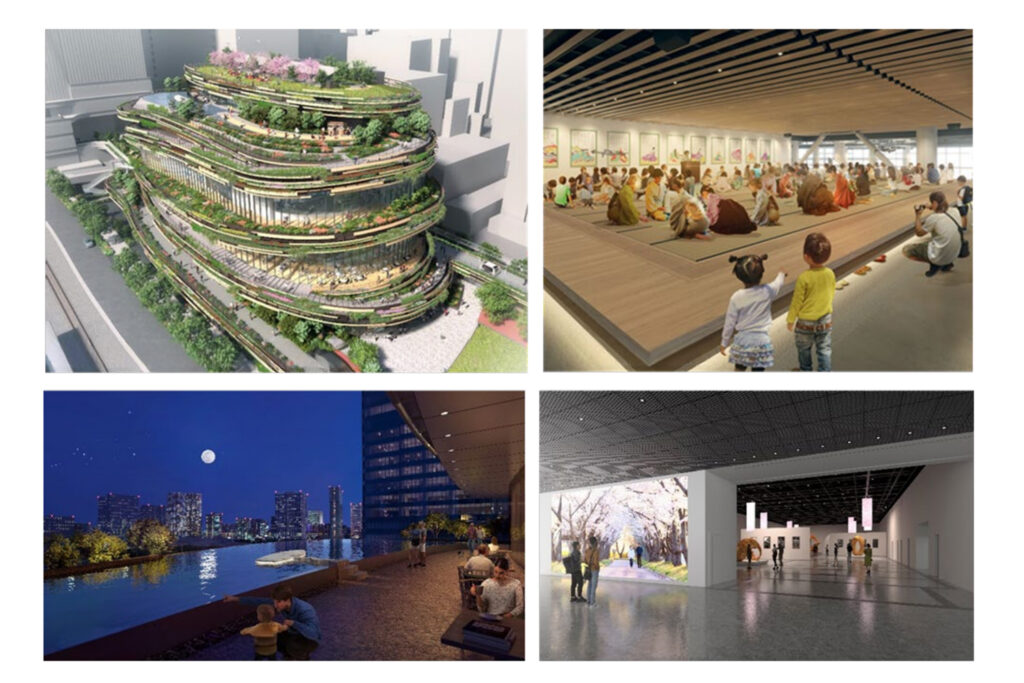
MoN Takanawa: The Museum of Narratives opens on March 28, 2026, within TAKANAWA GATEWAY CITY, the large-scale development adjacent to Takanawa Gateway Station. The museum is directly connected to the JR Yamanote Line station, making it accessible from central Tokyo locations.
The name “MoN” carries two meanings in Japanese. It references mon (gate), connecting to both the station name and the historic Takanawa Okido Gate that once stood in this area. It also suggests mon (question), reflecting the museum’s approach of posing thematic questions that change twice yearly and guide programming across different exhibition areas.
Building and Exhibition Approach
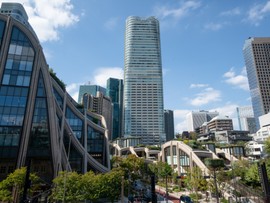
The building spans six floors above ground with three basement levels and features exterior design by Kengo Kuma & Associates. Its spiral form uses timber extensively and includes native Japanese plant species throughout, allowing visitors to experience seasonal changes. The museum contains approximately 1,500 square meters of exhibition space divided into large and small “boxes,” a theater with LED panels across the stage, and a tatami space of approximately 100 tatami mats.
Rather than permanent collections, MoN Takanawa presents rotating programs organized around central themes. Each theme runs for approximately six months and brings together content spanning traditional performing arts, manga and anime, music, food, and other cultural forms. Technology integration allows for immersive experiences as visitors move through the building.
The opening theme, titled Life as Culture, runs from March 28, 2026, through September 2026. Programs include MANGALOGUE, a new format that presents manga on large-format screens with sound, lighting, and live narration. The museum has also announced partnerships with organizations including Shochiku for innovative Kabuki presentations and digital archiving of traditional performing arts.
The museum is operated by the JR East Cultural Creation Foundation, established in 2022 specifically to plan and run this facility as a cultural centerpiece of the broader Takanawa Gateway City development.
OIMACHI TRACKS in Shinagawa
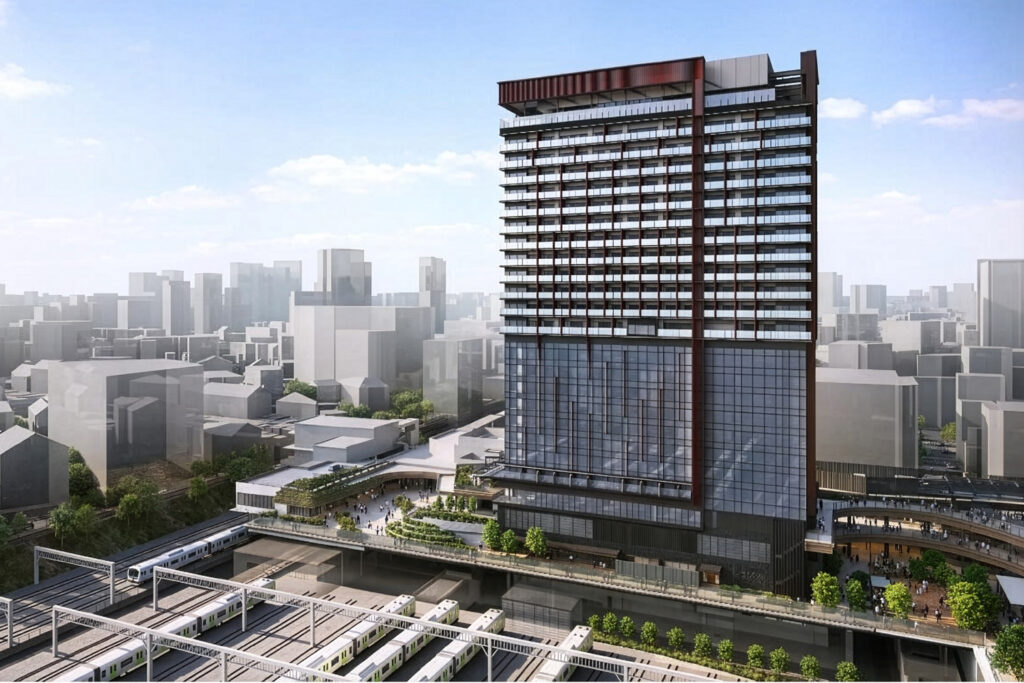
OIMACHI TRACKS opens on March 28, 2026, directly connected to Oimachi Station. The development consists of two towers: an office tower and a hotel/residential tower, rising 26 stories above ground with 3 basement levels and reaching approximately 115 meters in height. The complex is part of JR East Group’s Greater Shinagawa Area development strategy.
The location offers access to three railway lines: JR Keihin-Tohoku Line, Rinkai Line, and Tokyu Oimachi Line. This connectivity places Tokyo Station, Shinagawa Station, and Haneda Airport within 30 minutes, while Shibuya, Shinjuku, and Ginza are reachable in under 20 minutes without transfers.
Hotel and Residential Facilities
Hotel Metropolitan Oimachi Tracks Tokyo will occupy floors 6 through 13, offering 285 guest rooms designed with a forest cabin theme using green tones and wood textures. The hotel includes a fifth-floor restaurant styled after European dining cars, called The TAILOR YARD MAIN DINING, and a rooftop bar on the 26th floor with views of central Tokyo and the Yamanote Line train depot below. A gym is available for hotel guests on the sixth floor.
OIMACHI TRACKS RESIDENCE occupies floors 14 through 25 with 194 residential units plus 20 SOHO units. Oakwood Oimachi Tracks Tokyo, a serviced apartment operation, takes floors 15 through 17 with 78 units. The residential and serviced apartment components offer options for both long-term residents and extended-stay business travelers.
Public Spaces and Commercial Areas
The development includes TRACKS PARK, a large open space of approximately 4,600 square meters that also functions as a wide-area evacuation site. STATION PLAZA provides gathering space near the station entrance, while CROSS PLAZA sits between the two towers. Commercial areas feature restaurants, lifestyle shops, wellness facilities, and entertainment options including a cinema.
The project name references the railroad car factory and train tracks that have occupied this area since the Taisho era. The development aims to carry forward this railway heritage while creating a mixed-use environment where office workers, hotel guests, residents, and visitors share interconnected spaces throughout the day.
What These Developments Mean for Tokyo
These five projects share several common threads that reflect current directions in Tokyo urban development. Each combines multiple uses, such as office, residential, hotel, retail, and cultural facilities, within integrated complexes. This mixed-use approach creates neighborhoods that remain active throughout the day and week rather than emptying after business hours.
Transportation connectivity is central to each project. Direct station connections, proximity to Shinkansen lines, and accessibility to airports feature prominently in how these developments are positioned. This reflects both the practical needs of residents and workers and the growing importance of Tokyo as a destination for international business and tourism.
Cultural programming also appears across multiple projects, from the traditional arts focus at MoN Takanawa to the entertainment offerings at TOKYO DREAM PARK and the theater facilities at TOFROM YAESU. These investments in cultural infrastructure suggest confidence in Tokyo’s continued role as a center for both Japanese and international creative industries.
For anyone looking at Tokyo property, these developments offer insight into where the city is directing significant investment and how different neighborhoods are evolving. Areas around these projects may see changes in accessibility, local amenities, and neighborhood character as the facilities open and mature over the coming years.
Q&As
When do these Tokyo developments open in 2026? The Nihonbashi 1-chome project completes construction in March 2026 with facilities opening throughout the year. TOKYO DREAM PARK opens March 27, 2026. MoN Takanawa and OIMACHI TRACKS both open March 28, 2026. TOFROM YAESU is scheduled for completion in 2026, with specific opening dates to be confirmed.
Which development includes Asia-Pacific’s first Waldorf Astoria Residence? The Nihonbashi 1-Chome Naka-chiku Type-1 Urban Redevelopment Project house the first Waldorf Astoria Residences in the Asia-Pacific region on floors 48 to 51 of the main tower. The Waldorf Astoria Hotel is on floors 39 to 47.
What is MoN Takanawa? MoN Takanawa: The Museum of Narratives is a cultural facility opening March 28, 2026, at Takanawa Gateway City. It presents rotating exhibitions and programs organized around themes that change twice yearly, combining traditional Japanese culture with contemporary forms like manga, music, and technology. The building was designed by Kengo Kuma & Associates.
How do I get to TOKYO DREAM PARK? TOKYO DREAM PARK is located in Ariake, Koto Ward. The nearest station is Tokyo Big Sight Station on the Yurikamome Line, about a five-minute walk away. Kokusai-Tenjijo Station on the Rinkai Line is approximately nine minutes on foot.
What hotel is opening at OIMACHI TRACKS? Hotel Metropolitan Oimachi Tracks Tokyo opens March 28, 2026, with 285 guest rooms on floors 6 through 13. The hotel includes a European dining car-themed restaurant and a rooftop bar on the 26th floor with views of the Tokyo skyline and train depot. The hotel is directly connected to Oimachi Station.
Housing Japan
Whether you are traveling around Japan or settling into the heart of Tokyo, Housing Japan is here to help. With 25 years Luxury Real Estate experience, our bilingual team can we help you buy, sell, and manage residential property in central Tokyo. Whether you are a local resident or looking for a second home or temporary residence for business, our one-stop service includes management so you can focus on what matters. We are here to help every step of the way.