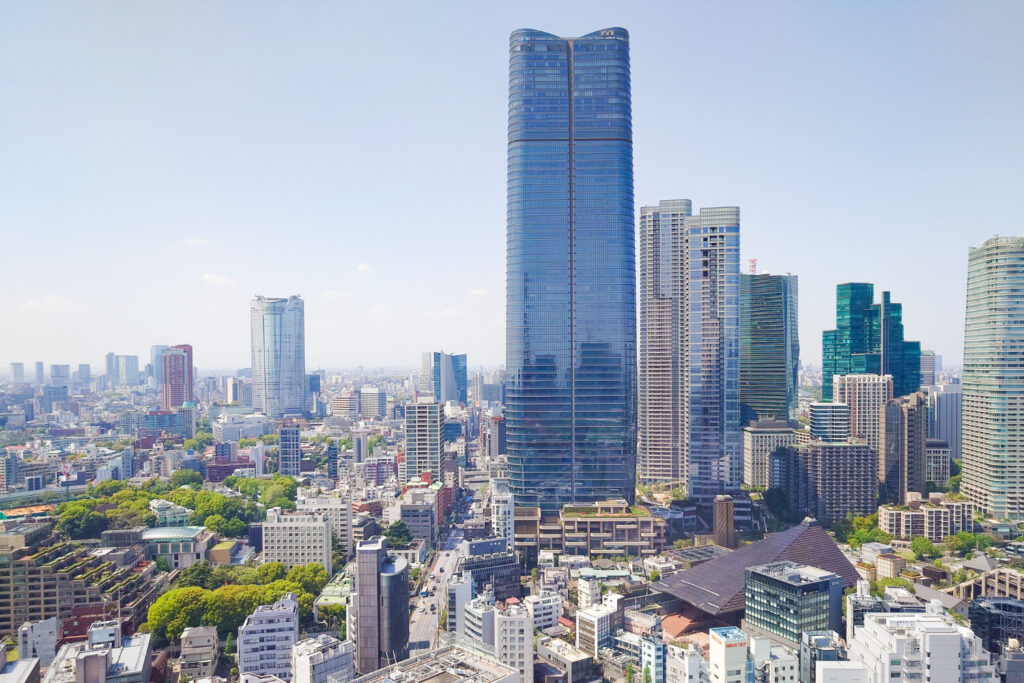
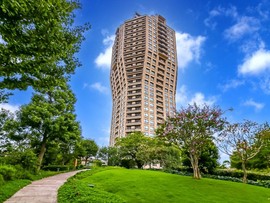
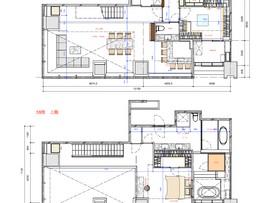
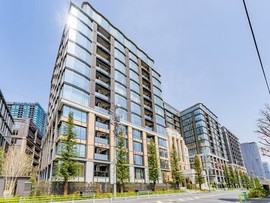
Tokyo’s luxury residential areas are concentrated across six central wards: Minato, Shibuya, Chiyoda, Shinjuku, Shinagawa, and Meguro. Prime neighborhoods include Azabu, Hiroo, Roppongi, Akasaka, Daikanyama, and Nakameguro, alongside the suburban enclaves of Denenchofu and Seijo. Each combines proximity to international schools, embassies, and central business districts with a distinct architectural character.
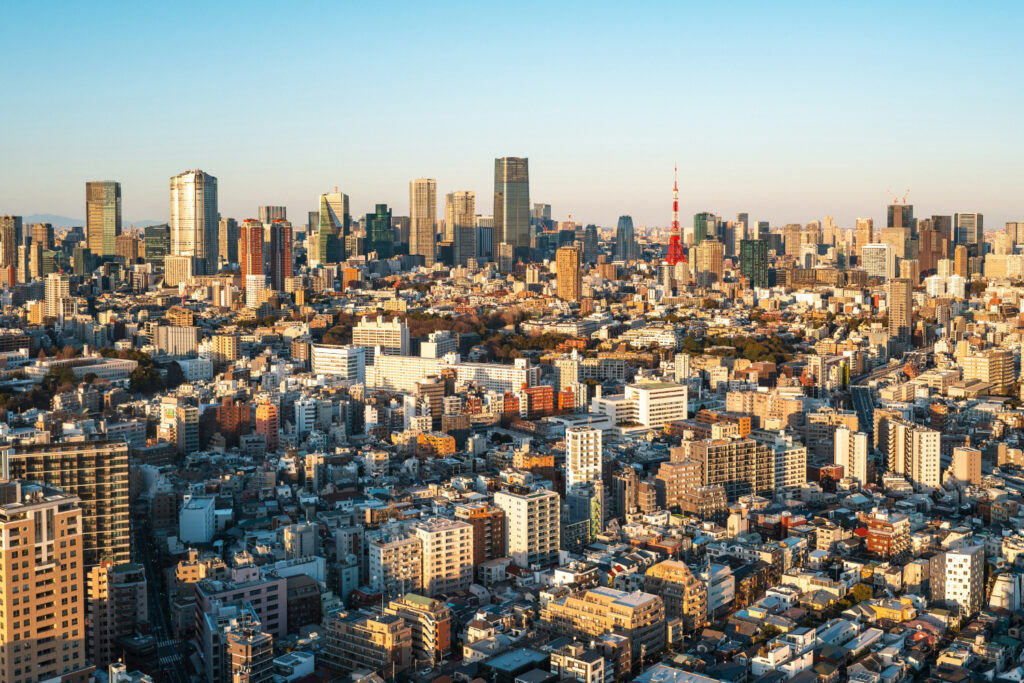
What Makes a Neighbourhood Luxury in Tokyo?
In Tokyo, a luxury neighborhood is defined by more than price alone. According to REINS Market Watch data, the average transaction price for existing condominiums in Tokyo’s 23 wards reached ¥1.375 million per square meter in January 2026, more than double the figure in neighboring Saitama or Chiba. The areas that consistently attract high-net-worth residents and expatriate families share a clear set of characteristics: proximity to international schools and embassies, access to green space, low crime, high-quality architecture, and easy connections to central business districts.
Most of Tokyo’s prestigious districts sit inside or along the Yamanote Line, the loop railway that encircles the city centre. Many of these areas were originally home to samurai lords during the Edo period and later became the preferred addresses of noble families, foreign diplomats, and government officials during the Meiji era. That historical foundation still shapes their appeal today.
Property types vary considerably across these areas. Some districts are dominated by high-rise condominiums with concierge services, private gyms, and secure parking. Others are known for low-rise boutique residences with fewer units, more privacy, and carefully considered design. The suburban areas offer something different again: detached houses with gardens, wide streets, and a pace of life that feels removed from central Tokyo while remaining well connected to it.
Which Ward Should You Focus On?
Six wards stand out for luxury property buyers in Tokyo: Minato, Chiyoda, Shibuya, Shinjuku, Shinagawa, and Meguro. Each ward contains several distinct neighborhoods, and the character of those neighborhoods can differ sharply even within a short distance.
Of these, Minato Ward consistently records the highest residential land prices in Japan. The Ministry of Land, Infrastructure, Transport and Tourism’s 2025 official land price announcement valued a residential plot at 1-14-11 Akasaka in Minato Ward at ¥5.9 million per square meter, making it the most expensive residential land point in Japan for the eighth consecutive year. Across the central five wards of Chiyoda, Chuo, Minato, Shinjuku, and Shibuya, residential land prices rose by an average of 12.0% in 2025, reflecting strong demand from both domestic and international buyers.
Minato Ward: Tokyo’s International Luxury Hub
Minato Ward contains a high concentration of Tokyo’s prime residential neighborhoods. Azabu, Roppongi, Akasaka, Shirokane, Aoyama, and Toranomon all fall within its boundaries. The ward’s international character comes from its density of foreign embassies, corporate headquarters, and international schools, which have shaped it since the Meiji period, when foreign diplomats first settled here.
Azabu
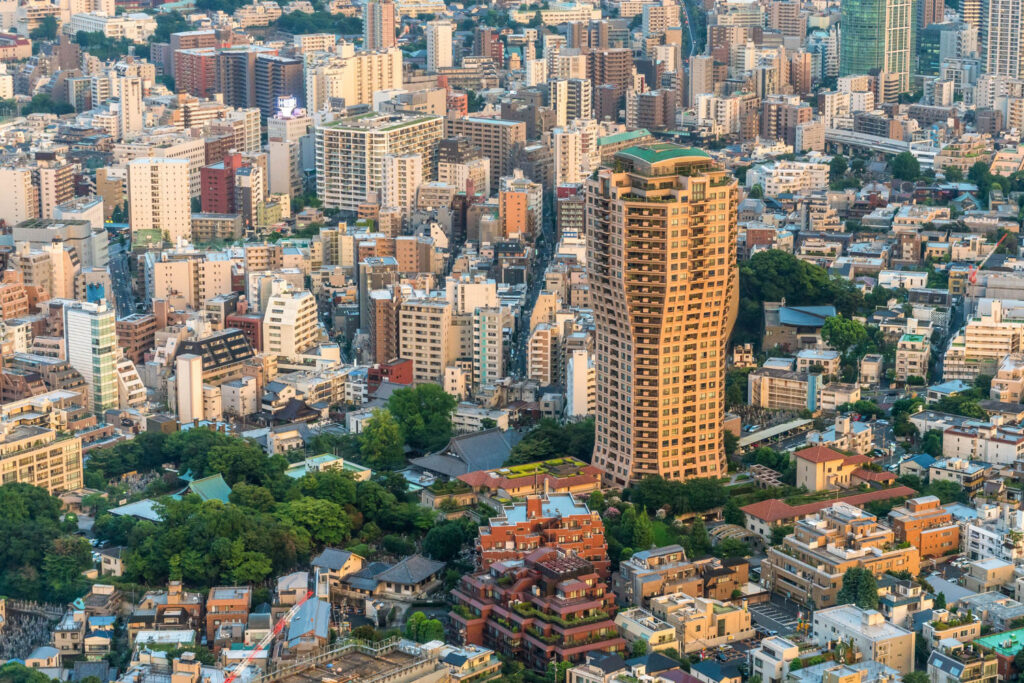
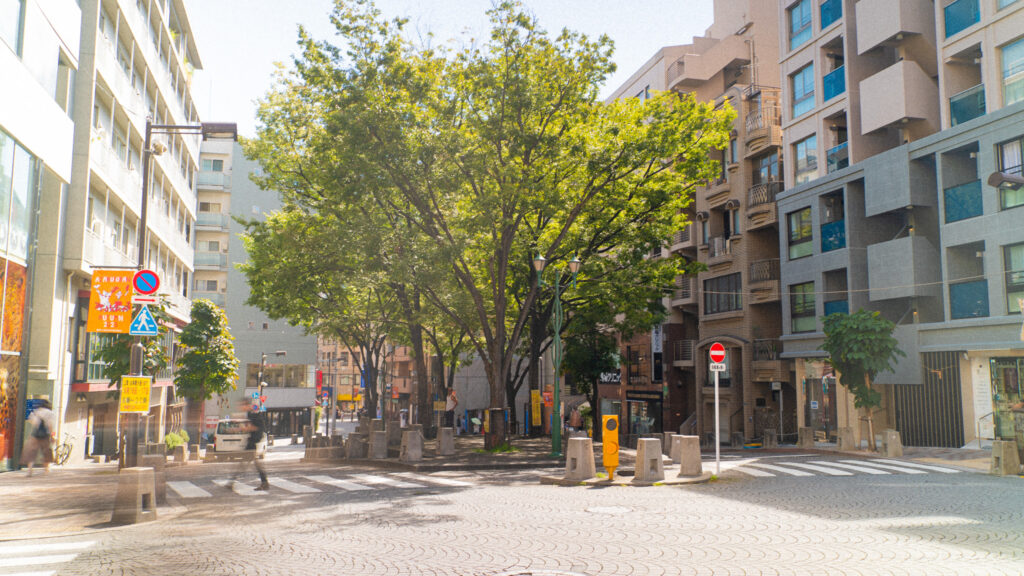
Azabu has long been associated with prestige and diplomatic history in Tokyo. The area includes several sub-districts: Minami-Azabu, Moto-Azabu, Nishi-Azabu, and Azabu-Juban, each with its own character. Minami-Azabu is particularly known for its concentration of foreign embassies and consulates. Azabu-Juban has a relaxed, village-like shopping street that mixes traditional food shops with modern boutiques. Moto-Azabu and Nishi-Azabu offer quieter, more private residential settings. Based on Housing Japan’s market data, monthly rents for a one-bedroom apartment in Azabu can easily start above ¥500,000, with larger luxury units reaching several million yen per month.
Roppongi
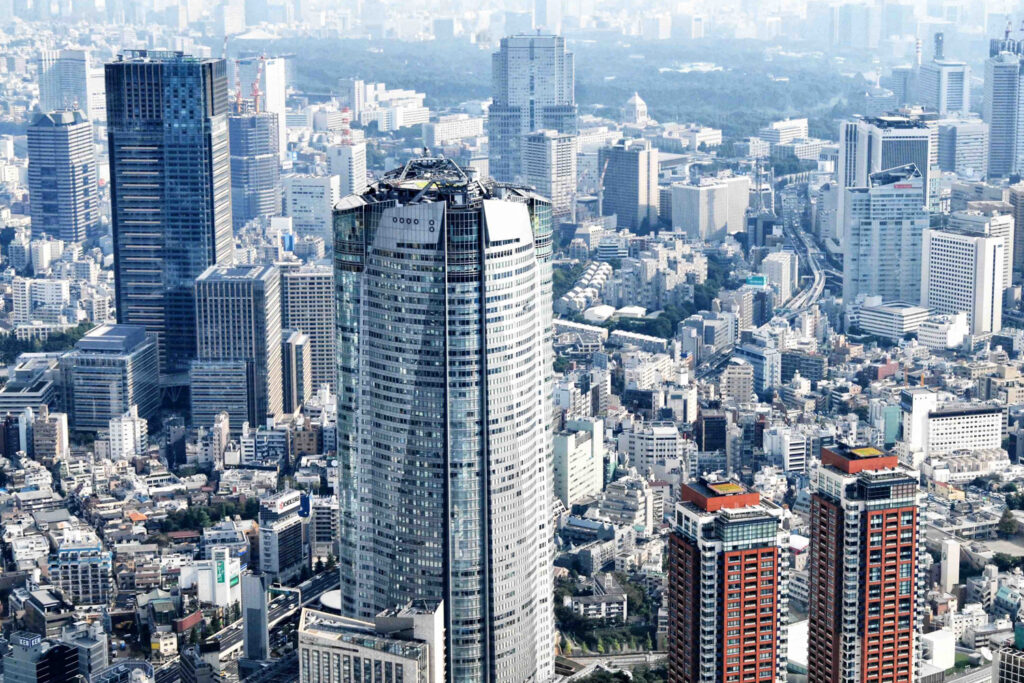
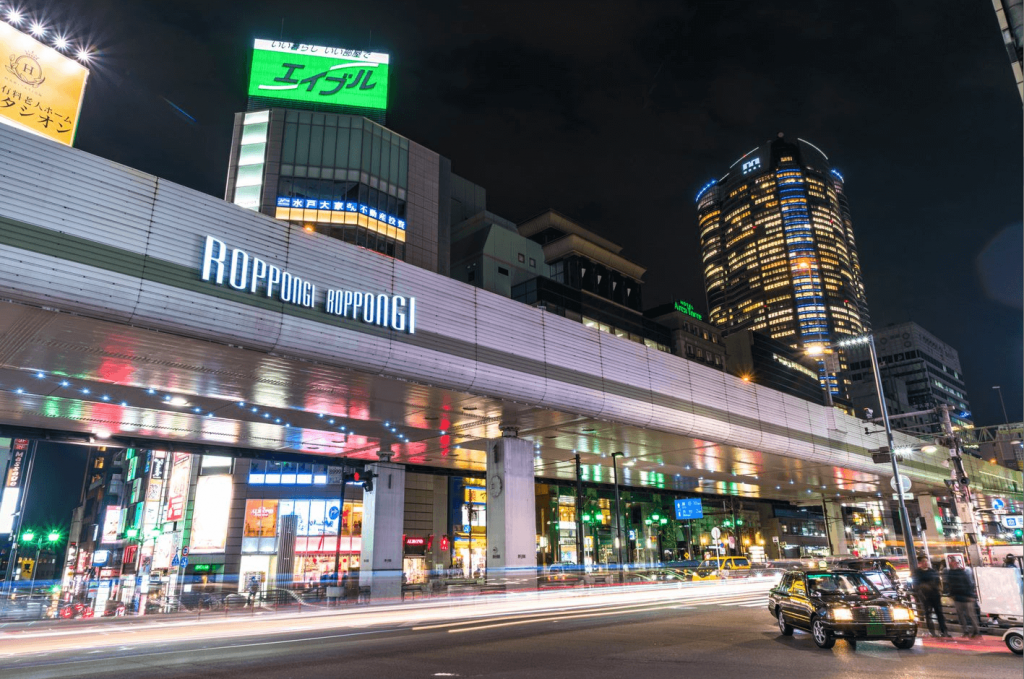
Roppongi is best known internationally for its nightlife, but its residential side has changed significantly over the past two decades. The development of Roppongi Hills and Tokyo Midtown brought large luxury apartment complexes, international dining, art galleries, and designer shopping to the area. People who live here are drawn by the density of amenities and the cosmopolitan atmosphere. High-rise apartments with city views and 24-hour concierge services are the dominant property type.
Akasaka


Akasaka combines proximity to government offices and five-star hotels with pockets of quiet, exclusive residential living. The neighborhood has roots going back to the Edo period and developed into a center of political and business activity in the late 19th century. Today it offers large luxury towers alongside more intimate residential streets, such as Akasaka Hikawacho.
Shirokane
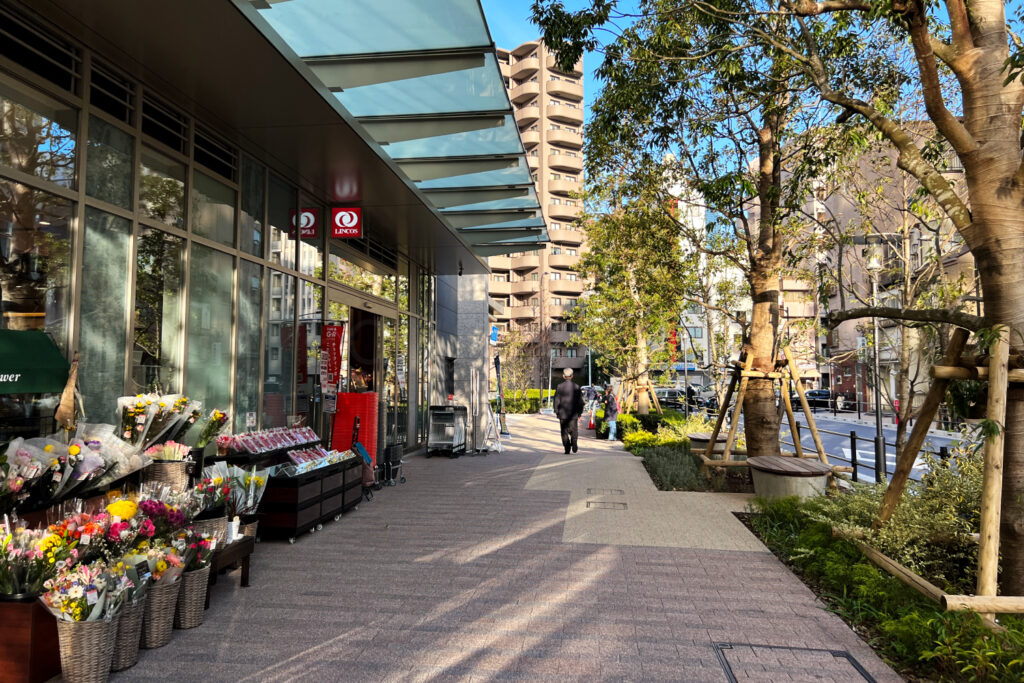

Shirokane is quieter and more residential than Roppongi or Akasaka. It is known for low-rise buildings, tree-lined streets, and a serene atmosphere that attracts wealthy Japanese families as well as expatriates. The area wraps around the Institute for Nature Study, a large green space that adds to its calm character. Access to central Tokyo is straightforward via the Mita and Namboku subway lines.
Shibuya Ward: Style and Convenience
Shibuya Ward sits adjacent to Minato Ward and shares much of its appeal, with a slightly more creative and culturally active character. The ward’s average price per square meter of around ¥2.5 million places it among Tokyo’s most expensive areas. Key luxury neighborhoods include Hiroo, Daikanyama, Ebisu, and Shoto.
Hiroo
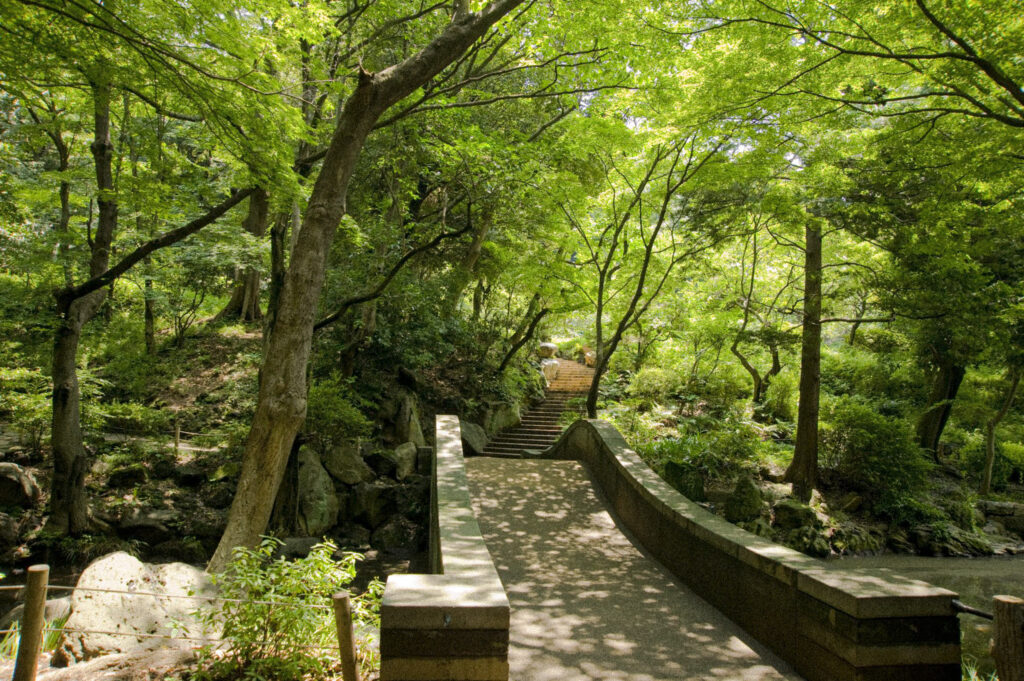

Hiroo is a natural first choice for expatriate families. It sits on the Hibiya metro line and is within easy reach of several international schools and foreign embassies. The Hiroo Shotengai shopping street offers cafes, restaurants, and boutiques with a distinctly international flavor, and the National Azabu supermarket is a well-known landmark for expats seeking imported goods. The neighborhood sits between Roppongi and Ebisu, offering a calmer alternative to both. Property for sale in Hiroo ranges from around ¥150 million for a condo unit near Hiroo Station to 1 billion yen or more for larger residences. These figures sit well above the REINS Market Watch average for existing condominiums across Tokyo’s 23 wards, reflecting Hiroo’s standing as one of the more desirable expat addresses in the city.
Daikanyama
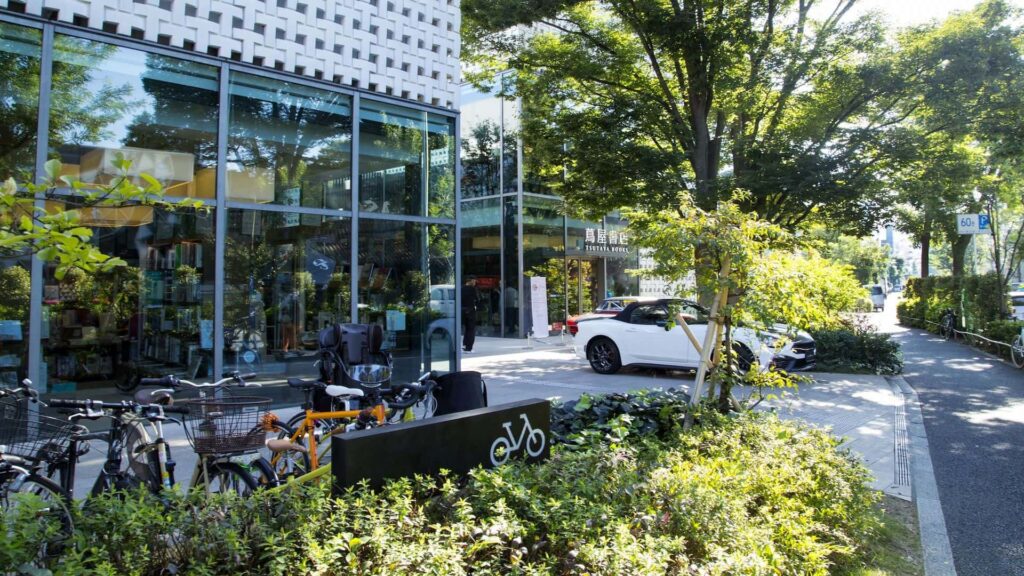
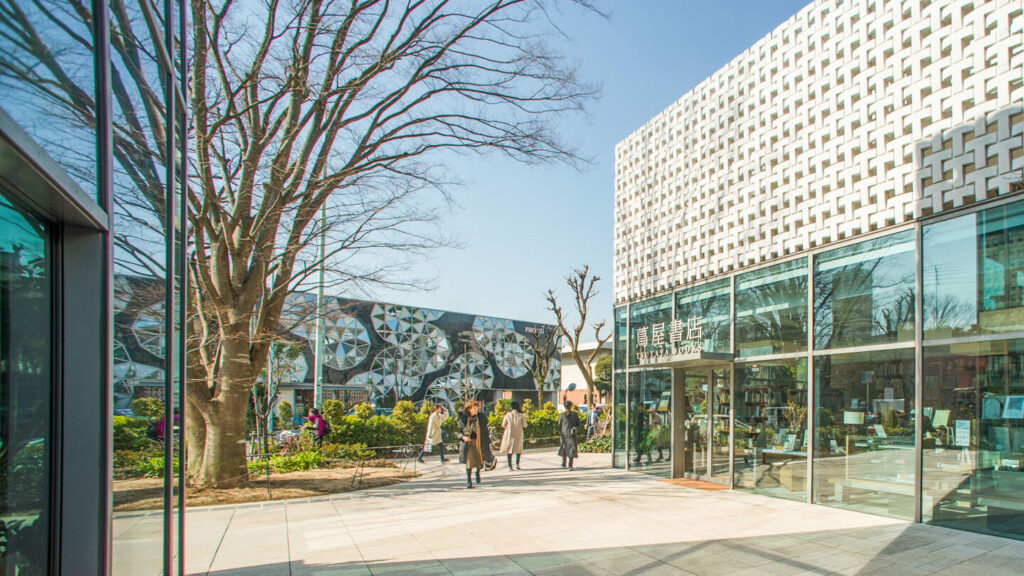
Daikanyama sits just west of Ebisu and has a relaxed, village-like atmosphere that makes it feel distinct from the busier parts of Shibuya Ward. Narrow alleys, hidden courtyards, independent boutiques, and the Daikanyama T-Site complex give it a creative character that attracts designers, entrepreneurs, and people in the arts. Luxury apartments here tend to be low-rise, discreetly finished, and tucked away from the main streets rather than announced by large tower lobbies.
Ebisu


Ebisu centers on JR Ebisu Station and offers strong transport connections to Shibuya, Meguro, and beyond. Yebisu Garden Place, a former brewery site, anchors a cluster of luxury apartments, a five-star hotel, and high-end restaurants. The neighborhood is popular with young professionals and expatriates who want urban convenience without the intensity of Shibuya itself.
Shoto
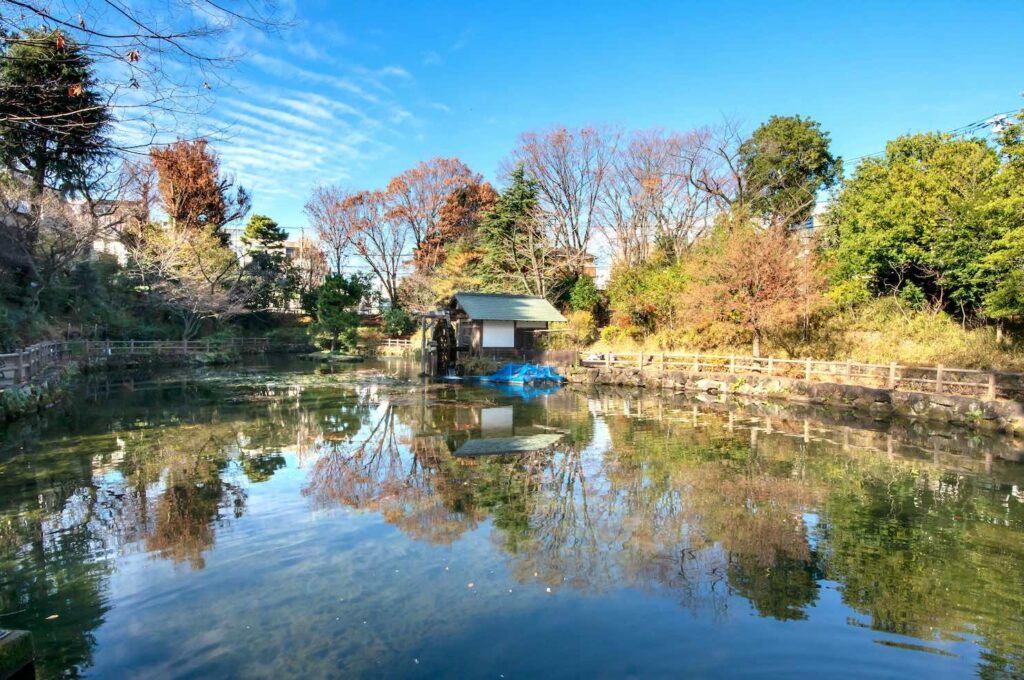
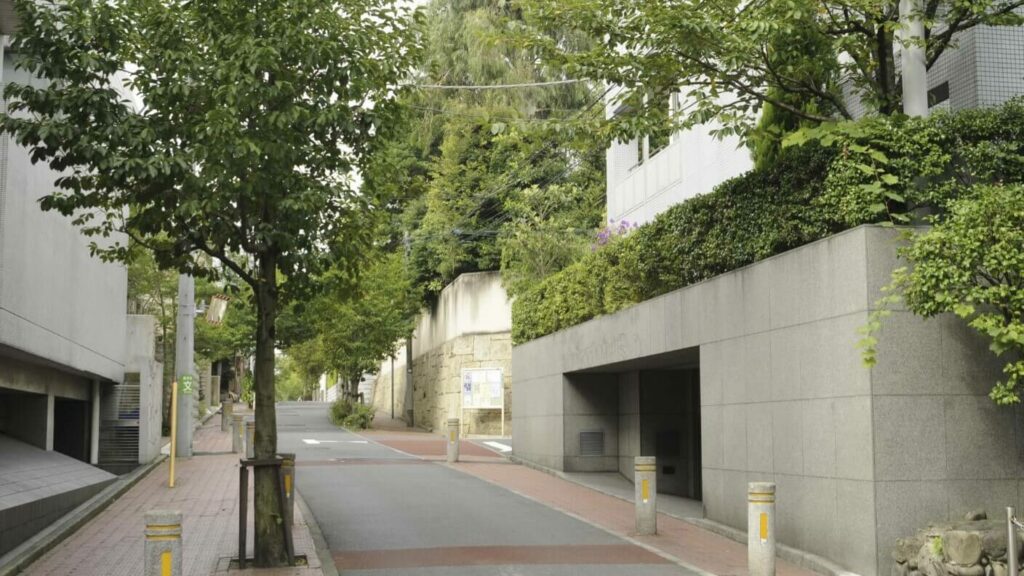
Shoto is known for its quiet streets and private, low-density character within central Tokyo. Despite being only a few minutes’ walk from Shibuya Station, the area feels removed from it. Detached homes and low-rise residences surrounded by greenery attract celebrities and business leaders who prioritise privacy. It rarely appears in international property searches but is well known among Tokyo’s most affluent residents.
Meguro Ward: Green Living and Quiet Luxury
Meguro Ward offers a different version of Tokyo luxury: more artistic, greener, and community focused. The ward is home to excellent schools, cultural facilities, and neighborhoods that have developed strong local identities. Property prices here rank among the highest in Tokyo’s residential market, particularly in Nakameguro.
Nakameguro

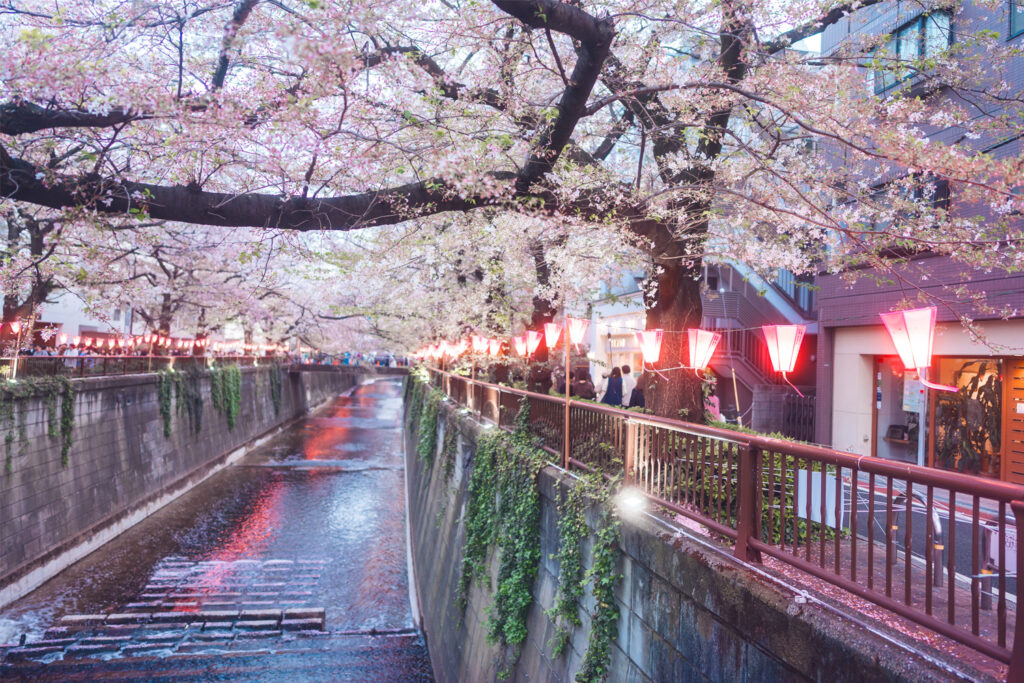
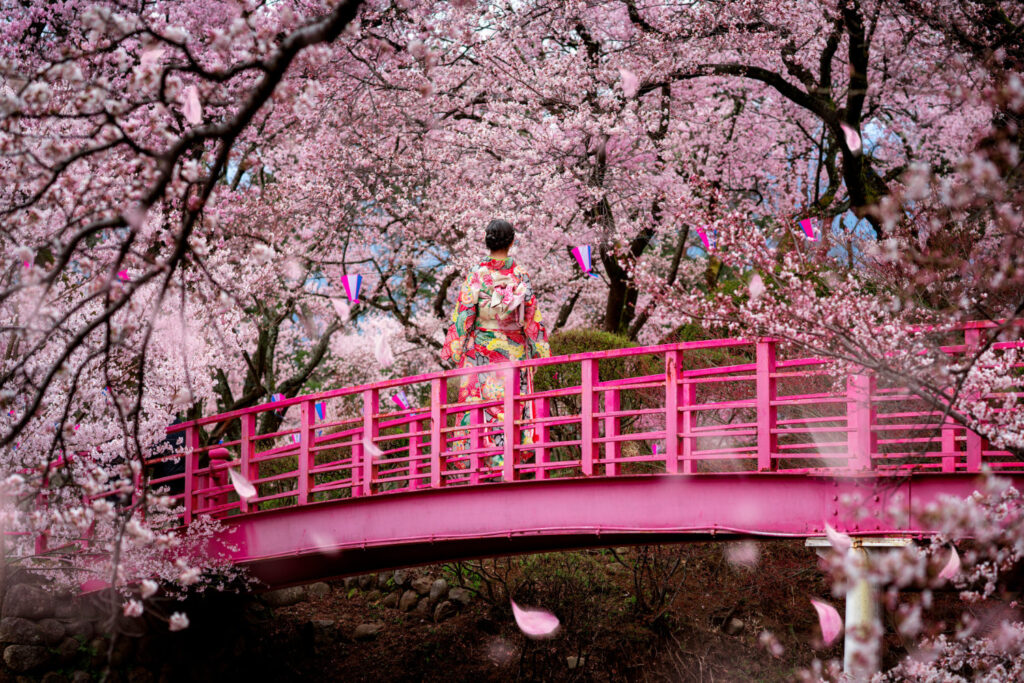
Nakameguro draws many people during cherry blossom season when the Meguro River is lined with flowering trees, and its riverside walks are widely shared on social media throughout the year. Beyond the seasonal spectacle, the area is known for well-regarded dining, independent shops, art galleries, and a strong local arts community. Luxury apartments here tend to feature minimalist architecture, river-view balconies, and carefully curated interiors. The area is popular with artists, designers, and younger professionals.
Jiyugaoka
Jiyugaoka sits further south in Meguro Ward and is sometimes called “Little Europe” for its European-influenced street design and cafe culture. It offers a peaceful suburban feel alongside easy access to central Tokyo. Families are drawn by the quality of nearby schools, the walkable streets, and the sense of community that is harder to find in denser central districts.
Shinagawa Ward: Heritage Hilltops and Transport Access
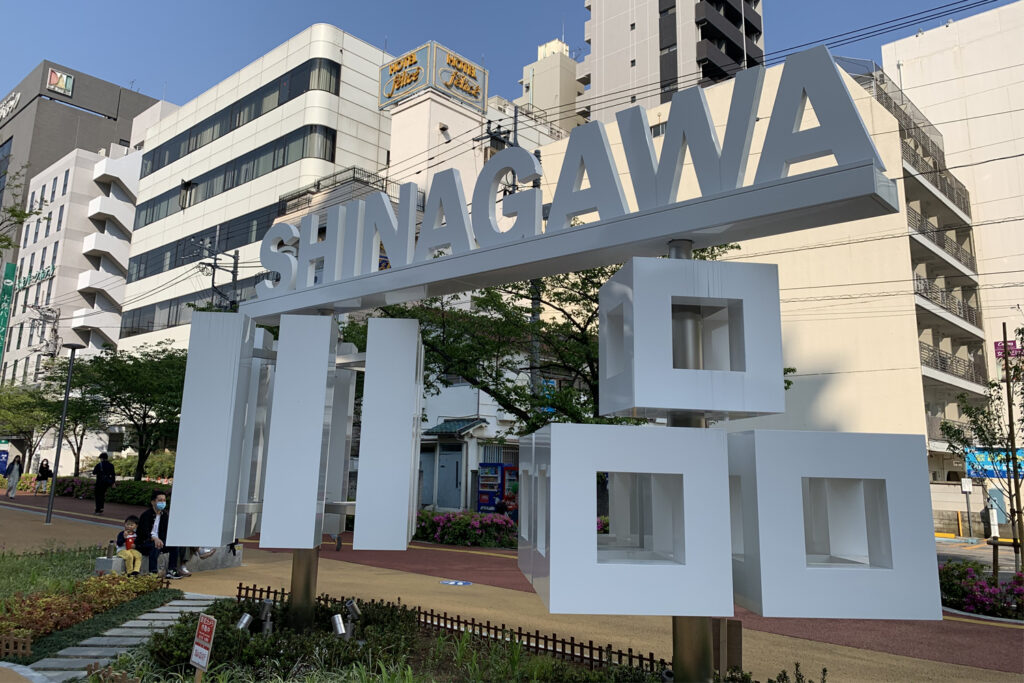
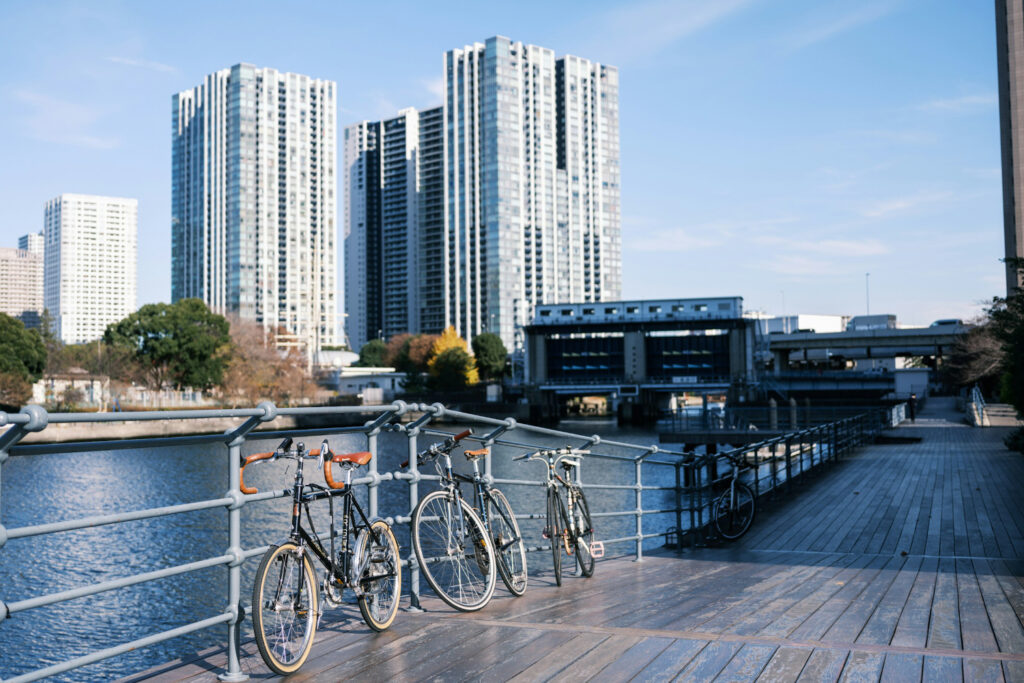
Shinagawa Ward includes some of Tokyo’s quieter prime residential pockets, particularly Gotenyama, Ikedayama, and Shimazuyama. These hilltop neighborhoods were favored by samurai families and later by Meiji-era industrialists, and they retain a calm, established atmosphere today. The ward’s appeal for international buyers comes partly from its transport links: Shinagawa Station serves the Tokaido Shinkansen and offers direct access to Haneda Airport, making it a natural choice for executives who travel frequently. Property over the whole ward is a good mix of condos, detached homes and low-rise residences rather than high-rise towers with exclusive residences in the prime areas.
Suburban Luxury: Denenchofu and Seijo
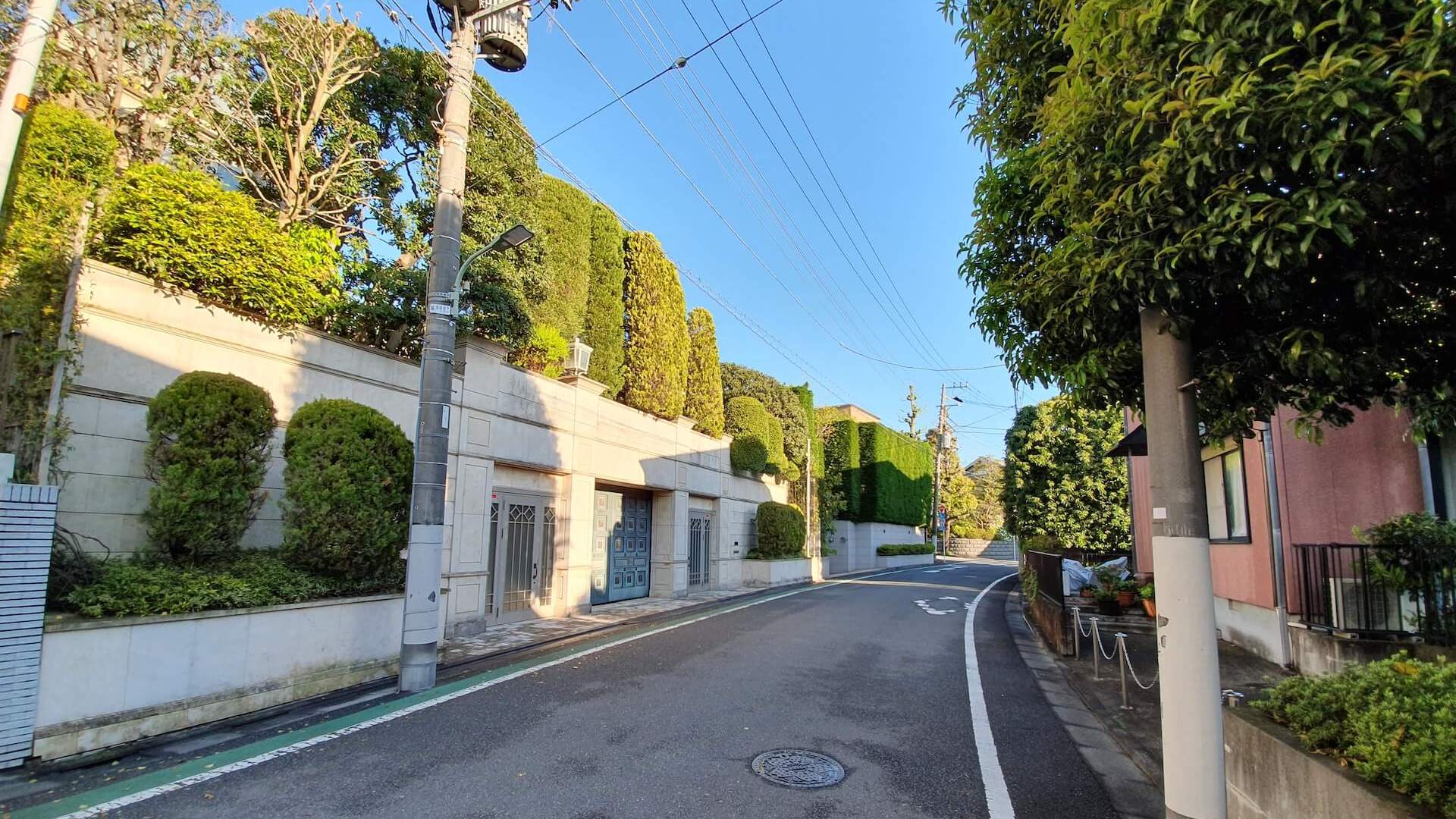

Two suburban neighborhoods stand apart from the central wards and offer a type of luxury that is defined by space rather than density.
Denenchofu, located in Ota Ward about 10 kilometres from the city centre, is a planned garden suburb developed in the early 20th century on the model of English garden cities. Wide tree-lined boulevards, Western-style houses, and spacious gardens characterise the area. Some properties are large enough to include tennis courts or swimming pools, which is rare in Tokyo. Unique construction regulations help preserve the character of the neighbourhood, and it regularly appears among the most expensive residential areas in Japan. Residents tend to be business executives, politicians, and public figures.
Seijo, in Setagaya Ward, is sometimes called Tokyo’s Beverly Hills. Large detached houses with manicured gardens and private driveways dominate the streetscape. Many properties are custom-built. The area is strongly family-oriented, with excellent schools and a quiet, established atmosphere.
How Do These Neighbourhoods Compare?
| Neighbourhood | Ward | Character | Popular With | Property Type |
|---|---|---|---|---|
| Azabu | Minato | Diplomatic, prestigious | Expats, executives | Luxury apartments, low-rise |
| Roppongi | Minato | Cosmopolitan, vibrant | Expats, nightlife-oriented | High-rise condominiums |
| Hiroo | Shibuya | International, calm | Expat families | Spacious apartments |
| Daikanyama | Shibuya | Creative, village-like | Creatives, entrepreneurs | Low-rise boutique residences |
| Shirokane | Minato | Serene, family-oriented | Wealthy Japanese families | High-rise, detached houses |
| Nakameguro | Meguro | Artistic, photogenic | Designers, young professionals | Low-rise, river-view apartments |
| Denenchofu | Ota | Garden suburb, spacious | Business leaders, celebrities | Detached houses with gardens |
| Akasaka | Minato | Business, political | Executives, diplomats | Luxury towers, residential pockets |
| Shoto | Shibuya | Private, green | Celebrities, business leaders | Detached homes, low-rise |
| Ebisu | Shibuya | Urban, well-connected | Young professionals, expats | High-rise, mixed-use |
What Should Expats and Foreign Buyers Consider?
For people moving to Tokyo from overseas, the choice of neighborhood often comes down to a small number of practical priorities: proximity to an international school, access to English-speaking services, and transport connections to a workplace or airport.
Hiroo and Azabu consistently rank highest for expat families because they offer both international schools and a concentration of English-speaking amenities within walking distance. Roppongi and Ebisu attract people who prioritise connectivity and dining options. Those who need frequent access to Haneda Airport or Shinagawa Station for the Shinkansen tend to look at Shinagawa Ward neighbourhoods such as Gotenyama and Ikedayama, which offer a blend of traditional and modern living with strong transport links.
Buyers looking for space rather than proximity to the city centre often turn to Denenchofu or Seijo, where property sizes that would be impossible in Minato Ward become realistic. The trade-off is a longer commute, though both areas are well served by the Tokyu Toyoko and Den-en-toshi lines.
Start Your Tokyo Property Search
Choosing the right neighborhood is one of the most important decisions in a Tokyo property search, and the differences between areas often only become clear once you spend time in them. With over 25 years of experience in Tokyo’s luxury real estate market, Housing Japan’s bilingual team works with international buyers across all of the city’s prime wards and can help you narrow down the areas that fit your lifestyle, family needs, and investment goals. Get in touch to speak with one of our property specialists about what you’re looking for.
Frequently Asked Questions
What is the most prestigious neighbourhood in Tokyo?
Azabu in Minato Ward is consistently ranked among Tokyo’s most prestigious residential addresses. It has been home to foreign embassies and diplomatic missions since the Meiji period and records some of the highest property prices in the city. Adjacent Akasaka, also in Minato Ward, holds Japan’s highest official residential land price point at ¥5.9 million per square meter according to MLIT 2025 data.
Where do most expats live in Tokyo?
Hiroo, Azabu, and Roppongi, located in Minato and Shibuya wards, have long-established expatriate communities. These areas offer international schools, English-speaking medical facilities, imported food shops, and embassies within a compact area. Daikanyama and Ebisu are also popular with younger expat professionals.
How much does luxury property cost in Tokyo?
According to REINS Market Watch, the average transaction price for existing condominiums in Tokyo’s 23 wards reached ¥1.375 million per square metre in January 2026. It is reported that newly built condominiums in the 23 wards averaged ¥137.84 million per unit in fiscal year 2025, surpassing ¥130 million for the first time on record. Prime addresses in Minato Ward sit well above these averages, with luxury units in Azabu, Roppongi, and Aoyama trading at the top end of the market.
Is Roppongi a good place to live in Tokyo?
Roppongi works well for people who want to be close to entertainment, international dining, art galleries, and shopping. The development of Roppongi Hills and Tokyo Midtown has brought high-quality residential options to the area. It is popular with expats who want an active urban lifestyle. People who prefer quiet streets and greenery tend to prefer Hiroo, Shirokane, or Shoto.
What is the difference between Azabu and Hiroo?
Azabu and Hiroo sit next to each other in central Tokyo and share many features, including embassies, international schools, and a strong expatriate presence. The main difference is character: Azabu is denser, more historically diplomatic, and includes the lively Azabu-Juban shopping street, while Hiroo feels calmer and more residential, centred on Hiroo Shotengai and the National Azabu supermarket. Property prices in both areas rank at the top of the Tokyo market.
Which Tokyo neighborhood is best for families with international children?
Hiroo is a common first choice for international families because it sits within walking distance of several international schools, including the British School in Tokyo and the Nishimachi International School. Azabu, Aoyama, and parts of Shibuya Ward also work well for families, with strong transport links to schools across the city.
Can foreigners buy property in Tokyo’s luxury neighbourhoods?
Yes. Japan places no nationality-based restrictions on foreign property ownership, and foreign buyers can purchase freehold land and buildings in Minato, Shibuya, Meguro, and other prime wards on the same terms as Japanese citizens. Financing terms differ for non-residents, and most international buyers either pay in cash or arrange financing through specialist lenders.
Source:
Ministry of Land, Infrastructure, Transport and Tourism (MLIT) https://www.mlit.go.jp/
REINS (Real Estate Information Network System) https://www.reins.or.jp/