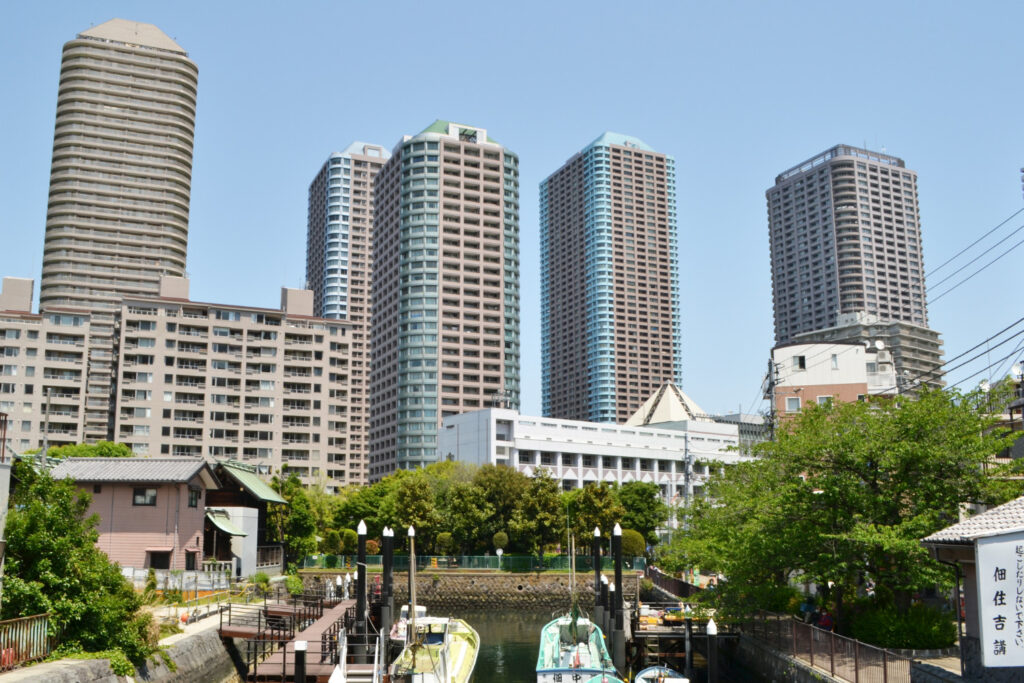
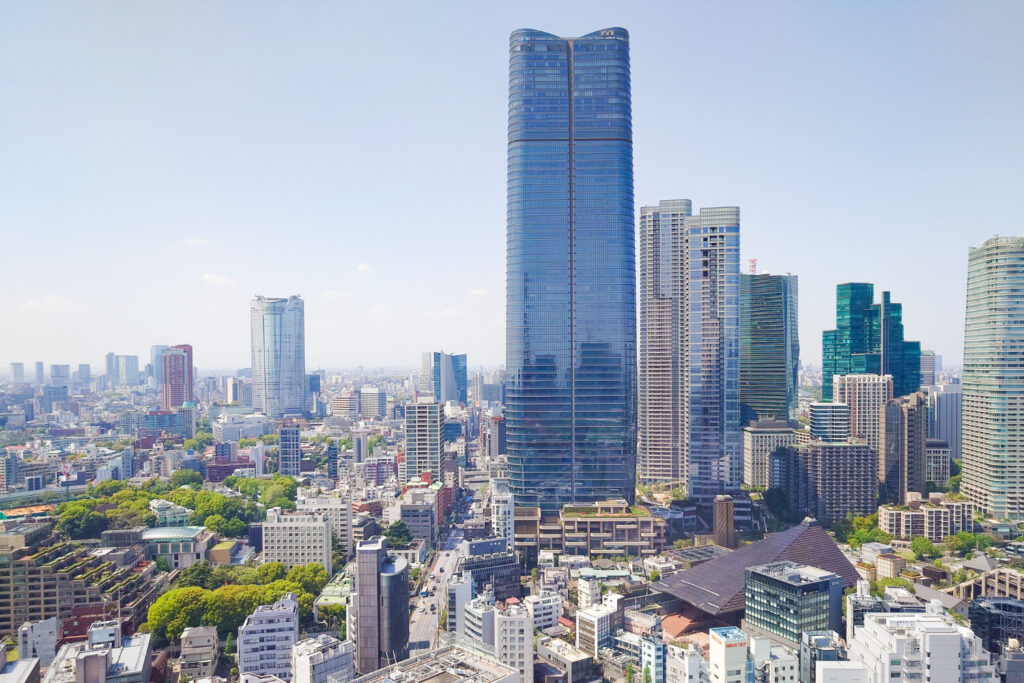
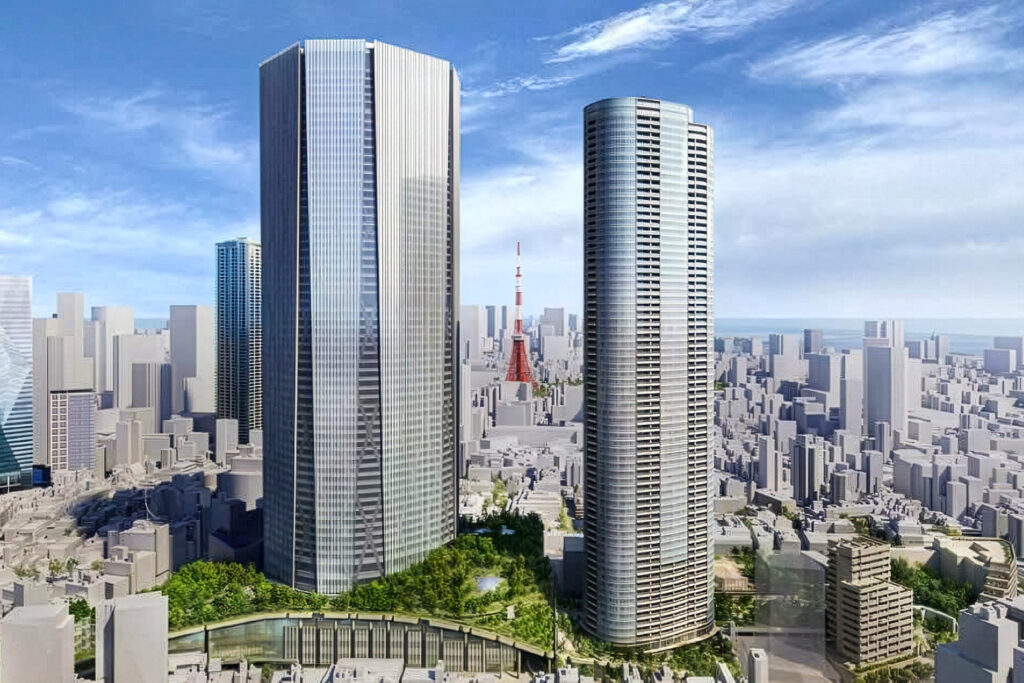
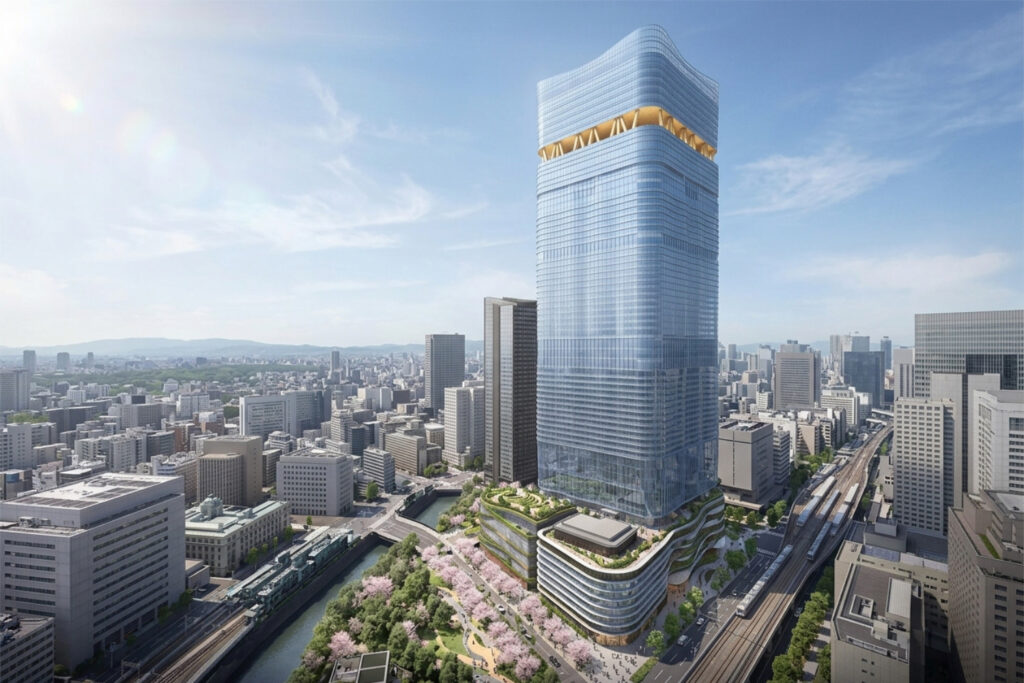
When Azabudai Hills opened in 2023, it became more than just a new landmark in Tokyo. It started a trend that real estate investors and property buyers took notice of properties around major developments see strong value growth. Now, with the Tsukiji District Redevelopment Project set to become Tokyo’s next major transformation, those who understand this pattern have a chance to benefit.
Learning from Azabudai Hills
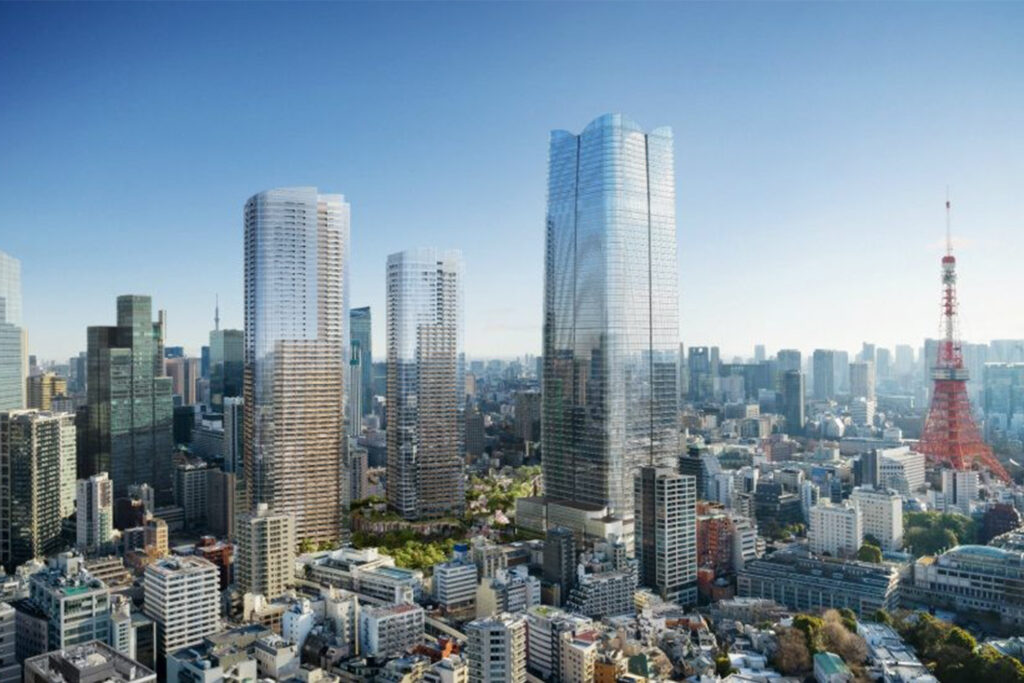
The numbers from Azabudai Hills tell a clear story. According to data from Mansion Review, properties in Minato-ku sales market saw an average price increase of ≈ 3 times (2016-2025). That figure alone speaks to the impact of major developments on nearby property values.
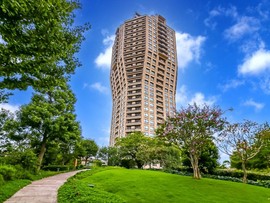
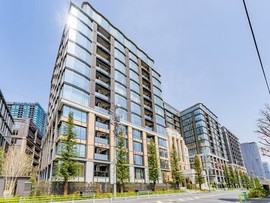
These 3 properties showed an increase in value over the last year:
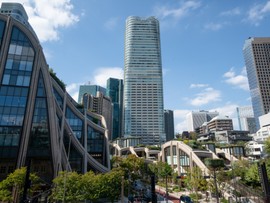
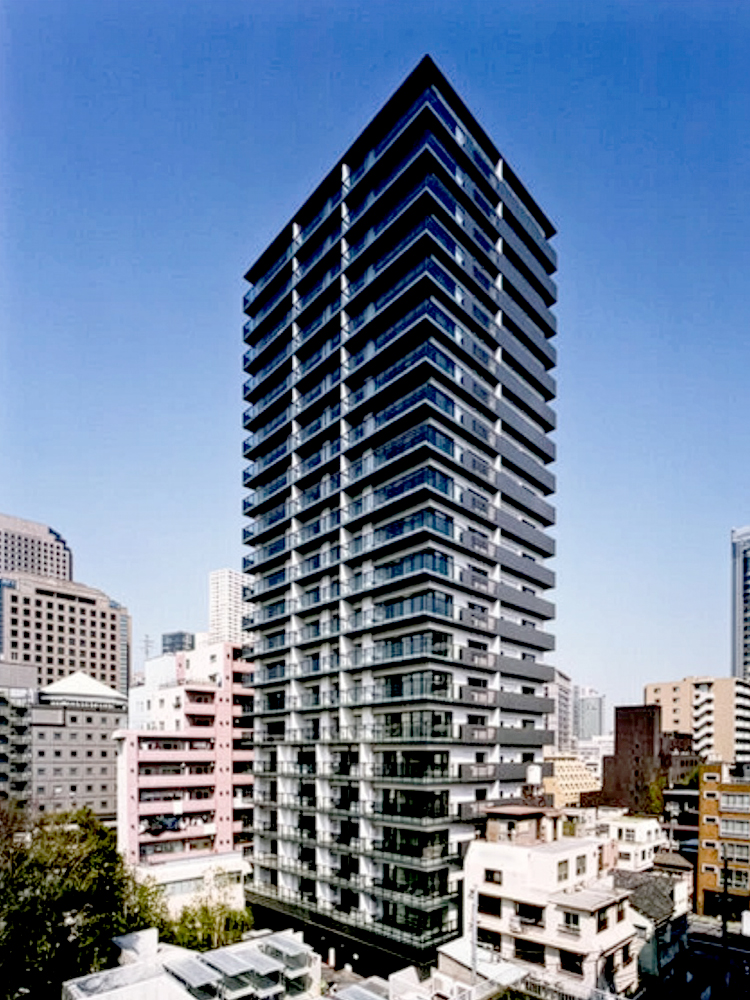
Wellith Tower Atago: ≈ 3.1X average price increase 2016-2025
This pet-friendly 110-unit luxury tower near the Dutch Embassy in Minato Ward’s Shiba Scenic District offers 1LDK to 3LDK residences with concierge service, natural stone kitchens, Tokyo Tower views, and walking access to four metro stations, all surrounded by historic temples and lush greenery including Shiba Park.
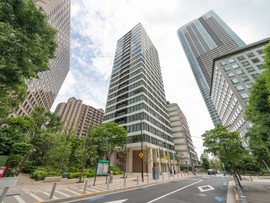
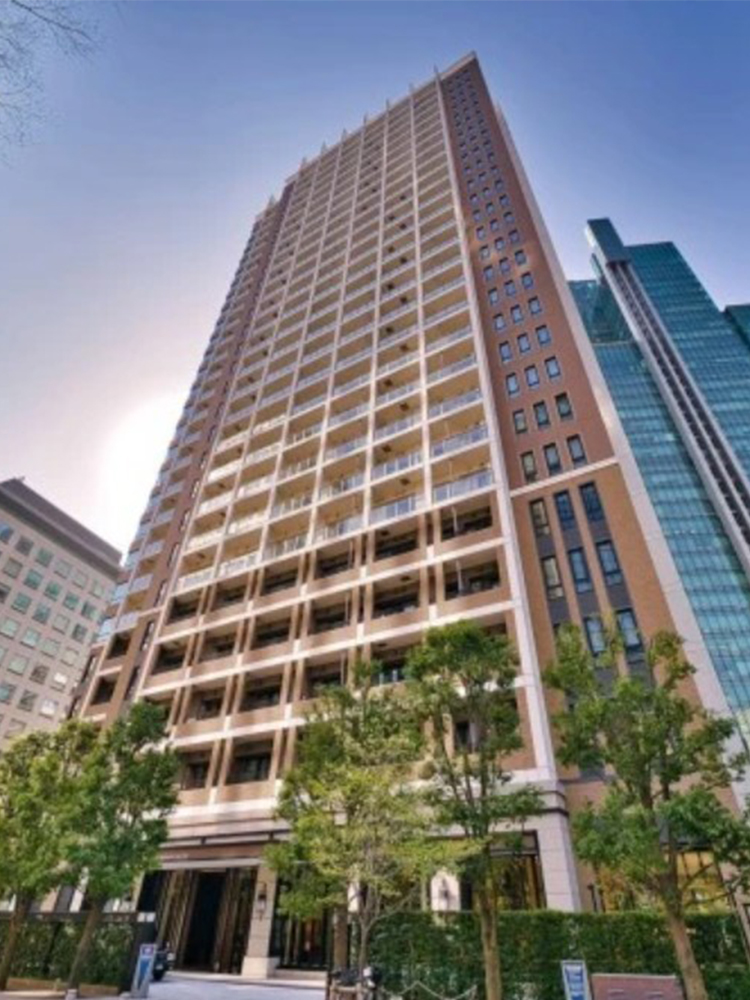
Park Court Roppongi Hill Top: ≈ 2.9X average price increase 2016-2025
This tower mansion 3 minutes from Roppongi-Itchome Station features ground-floor grocery access and neighboring Izumi Garden and Ark Hills, with rental prices appreciating 10% since construction due to the nearby Mori Building Azabudai Project development.
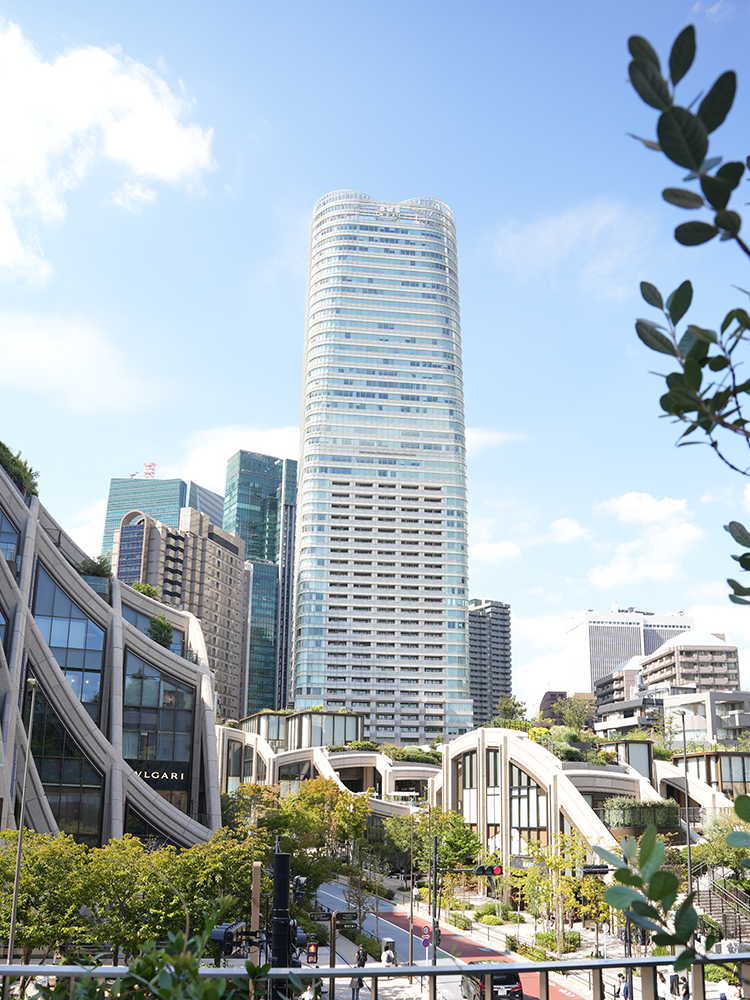
Ark Hills Sengokuyama Residence: ≈ 2.9X average price increase 2016-2025
Completed in 2012 with seismic damping structure, this luxury tower in Roppongi offers spacious residences with bilingual concierge service, 24-hour security, and ground-floor access to Hills Spa Sengokuyama, restaurants, nursery, and cafés, combining urban convenience with natural serenity in one of Tokyo’s most prestigious green districts.
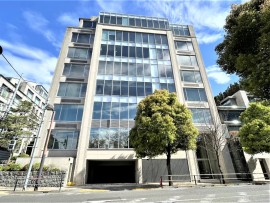
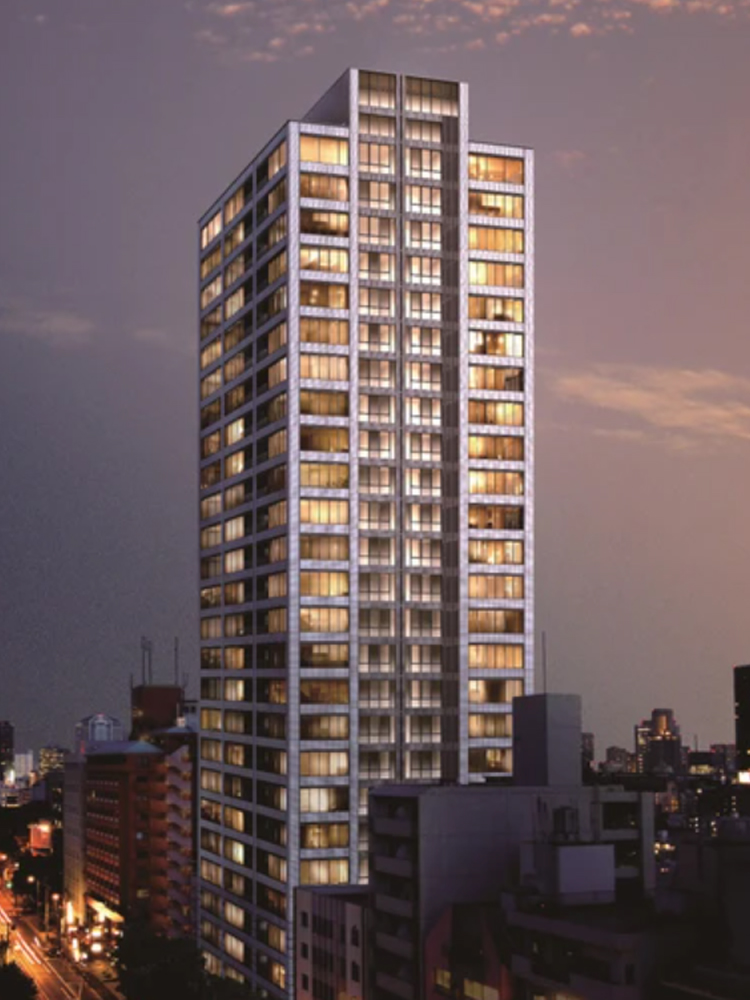
Grand Suite Azabudai Hilltop Tower: ≈ 2.3X average price increase 2016-2025
This Tower is a 28-story luxury residence completed in 2014, it blends modern design with Japanese aesthetics and offers concierge service, sweeping Tokyo views, and walking access to three stations near Azabudai Hills and international schools, ideal for expat families.
These properties have done well and align with the average around Minato-ward. Before Azabudai Hills, these properties showed average growth patterns. After the development was announced and construction began, their value trajectories changed.
Average Estimated Price Growth Comparison Near Azabudai Hills
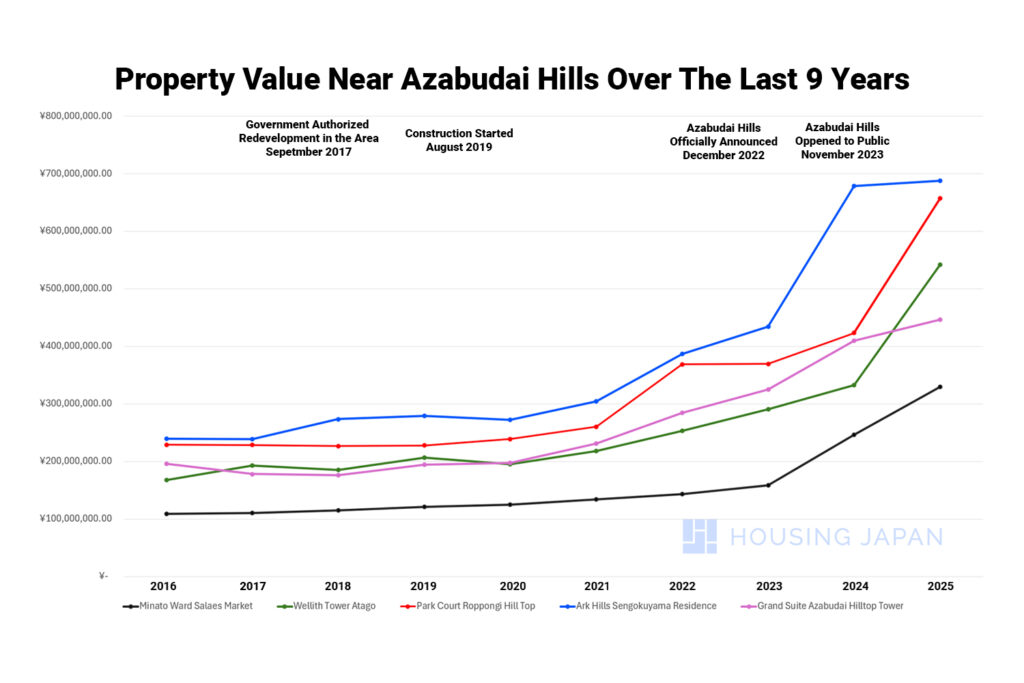
These value increases happened in properties closest to the development. It could be said that major infrastructure projects in central Tokyo can create value growth in nearby properties, with those offering direct access to new amenities seeing the strongest average increases.
Why Tsukiji Could Offers a Similar Opportunity
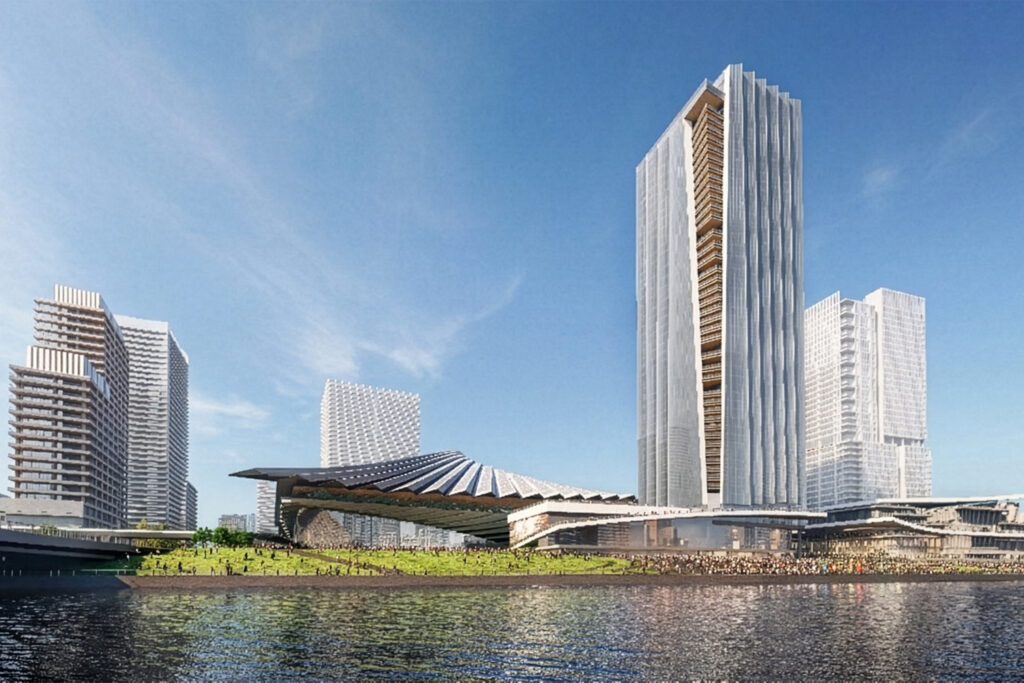
The Tsukiji District Redevelopment Project represents Tokyo’s biggest development project for the next 5-10 years. Where Azabudai Hills transformed 8.1 hectares, Tsukiji will redevelop 19 hectares of prime waterfront real estate in Chuo Ward.
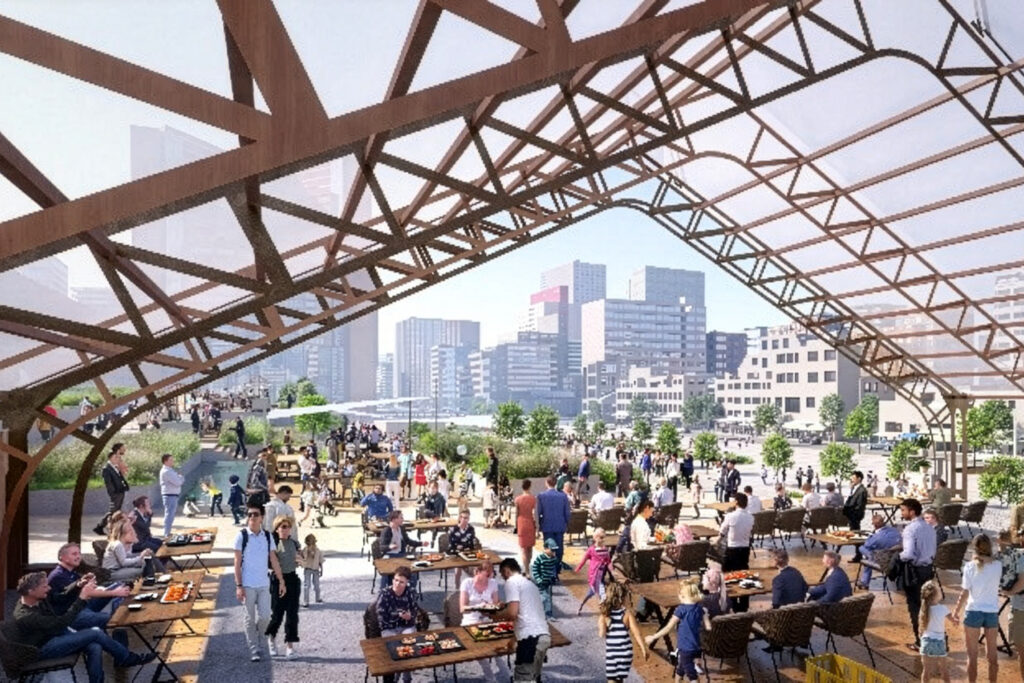
The scope goes beyond what Azabudai offers. Plans include a 50,000-seat stadium with flexible configurations for rugby, baseball, soccer, basketball, and concerts. This is a similar size to Tokyo Dome. A life science and commercial complex will house laboratories, offices, and retail spaces. Hotels and MICE facilities will bring conferences and exhibitions. Multiple residential buildings and office towers will create a new community on Tokyo’s central waterfront.
Azabudai Hills made its mark with luxury residences and office space. Tsukiji adds the stadium, larger social areas, and more residential and office buildings. The scale means more people working, living, and visiting the area, which typically translates to average increased demand for nearby properties, many of which may not be on the public market meaning enquiring is important when investing in this area.
Location Matters
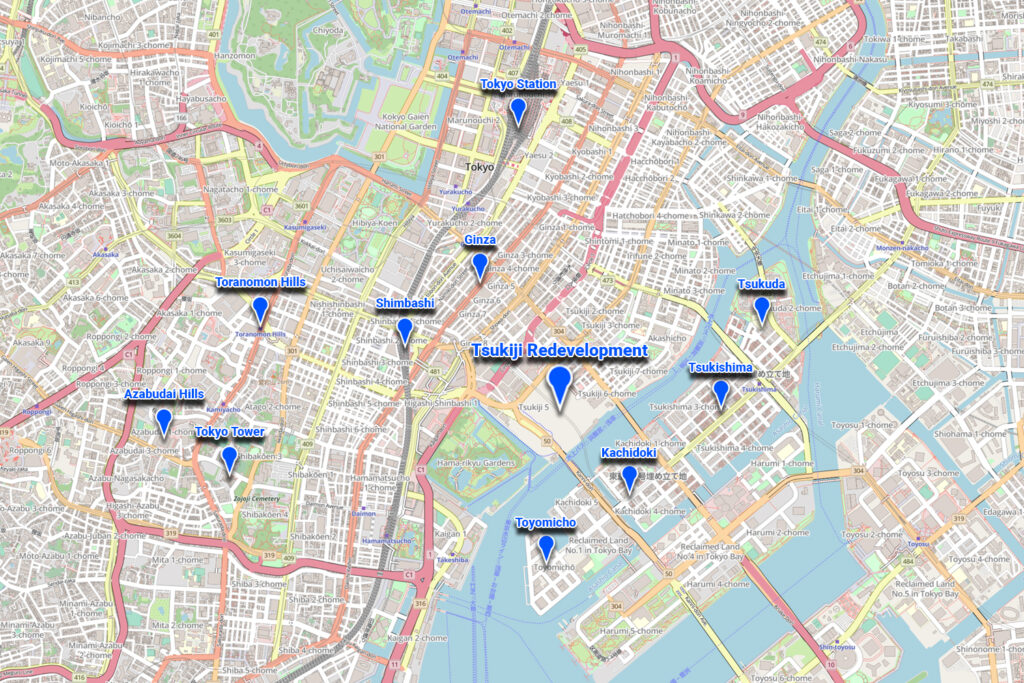
Tsukiji’s location offers advantages that could be described as better than Azabudai. The site sits in central Tokyo with connections to Shinbashi, Ginza, and direct access to both the city center and waterfront. This is one of Tokyo’s central areas with waterfront views.
Transportation infrastructure includes a planned subway station on the proposed Central Tokyo and Waterfront Area Subway Line, expected by 2040. The Urban Expressway Route 10 Harumi Line will offer direct highway access, also targeting early 2040s completion. A disaster prevention pier will support water transport services. The design includes infrastructure for flying cars. The Tokyo BRT system provides direct bus connections from Shimbashi through Kachidoki to the waterfront areas.
Around 80% of the development should be open and operational by 2032, with full completion targeted for 2038. This timeline means property value changes could begin emerging as early phases open, similar to what happened with Azabudai Hills.
The Reclaimed Land Advantage
Properties near the Tsukiji development sit on reclaimed land areas like Toyomicho, Kachidoki, Tsukishima, and Tsukuda. These neighborhoods were built on land reclaimed from Tokyo Bay, and they offer benefits that traditional areas don’t always provide.
Modern reclaimed land developments feature organized layouts with larger roads, better spacing between buildings, and more green areas. The planning that goes into these areas creates neighborhoods designed from the start with modern urban living in mind.
Understanding Foundation Safety on Reclaimed Land
When it comes to building on reclaimed land, foundation type matters. There are three main approaches:
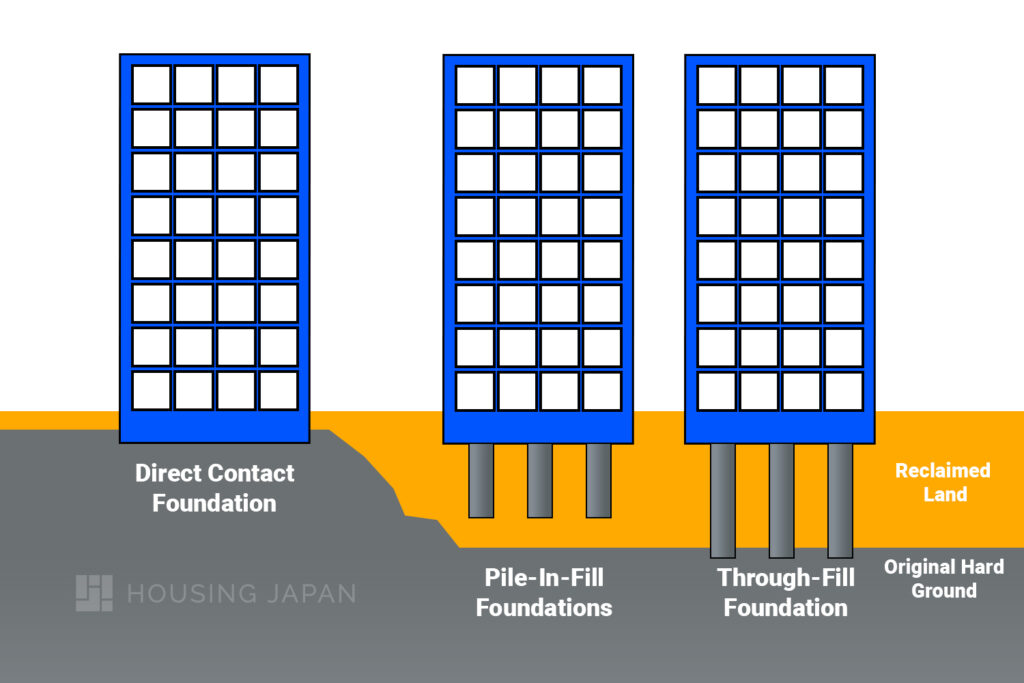
Type 1: Direct Contact Foundations
In areas closest to the mainland, pile foundations extend through the reclaimed section to reach hard rock below. This direct contact method is the same approach used on regular land, making it equally safe. Most properties in Toyomicho, Kachidoki, Tsukishima, and Tsukuda near the Tsukiji development use this foundation type because these areas are closest to the original shoreline.
Type 2: Pile-in-Fill Foundations
When reclaimed land depth makes reaching original ground material impractical, foundations only extend into the reclaimed section. This approach isn’t as strong as direct contact foundations and can have stability concerns.
Type 3: Through-Fill Foundations
These foundations go through the reclaimed land and into the original ground material but don’t reach bedrock. This method is safer than Type 2 but not quite as secure as Type 1 direct contact foundations.
The four reclaimed land areas nearest to Tsukiji, Toyomicho, Kachidoki, Tsukishima, and Tsukuda, sit closest to the mainland. Most properties here use Type 1 direct contact foundations, the safest option.
These buildings are also relatively new, incorporating state-of-the-art earthquake resistance technology. Japan leads the world in seismic engineering. Combined with proper foundation types, these properties offer both safety and modern living standards.
Understanding Earthquake Safety on Reclaimed Land
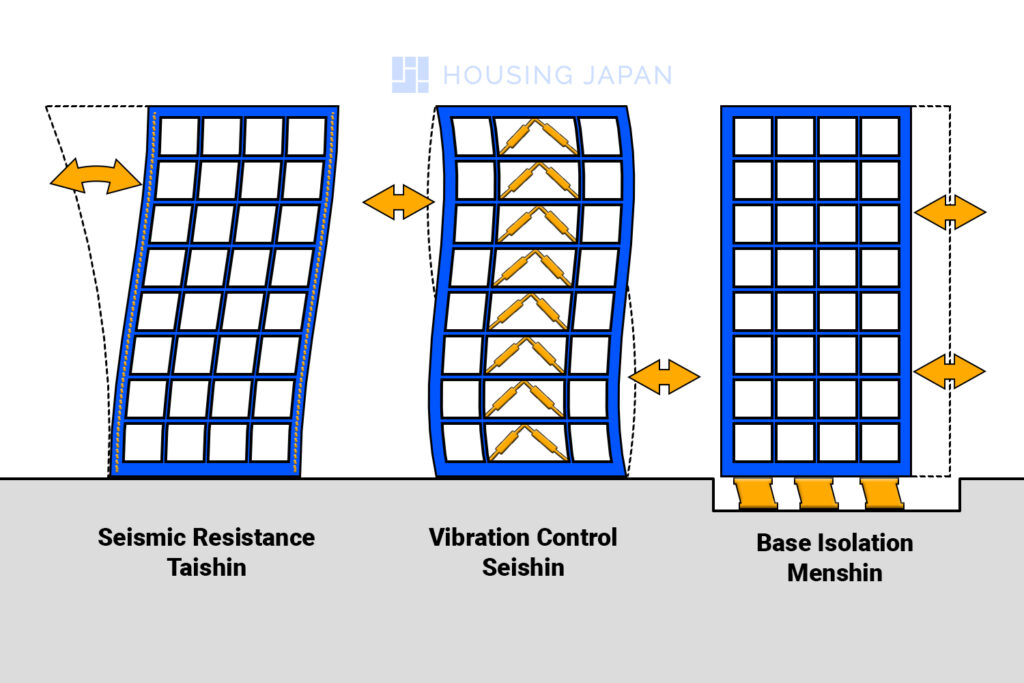
Modern buildings on reclaimed land near Tsukiji incorporate advanced earthquake resistance beyond strong foundations. Japanese construction uses three main approaches:
Taishin strengthens buildings with reinforced walls, columns, and beams to resist shaking.
Menshin (base isolation) separates the building from ground movement using special devices between the foundation and structure.
Seishin (vibration control) absorbs earthquake energy through dampers installed throughout the building. (This is the most common in Tokyo’s Tower Mansion.)
Combined with Type 1 direct contact foundations and Japan’s strict inspection requirements, newer properties near Tsukiji offer both structural stability and advanced seismic protection working together. Most Tower Mansion properties in Tokyo use Seishin which offer a good level of safety
Timeline and Development Phases
The project moves forward in phases. Temporary facilities could open as early as 2026-2027 to start building activity in the area. A waterway and theater hall complex is planned to open in 2029, bringing cultural attractions and boat transport amenities before the larger development completes.
The first major phase of development targets the early 2030s, with around 80% of facilities operational by 2032. The second phase will complete by the late 2030s, with full development finished by 2038. As each phase opens, the area will see more visitors, workers, and residents, typically leading to increased demand for nearby properties.
Investment Considerations
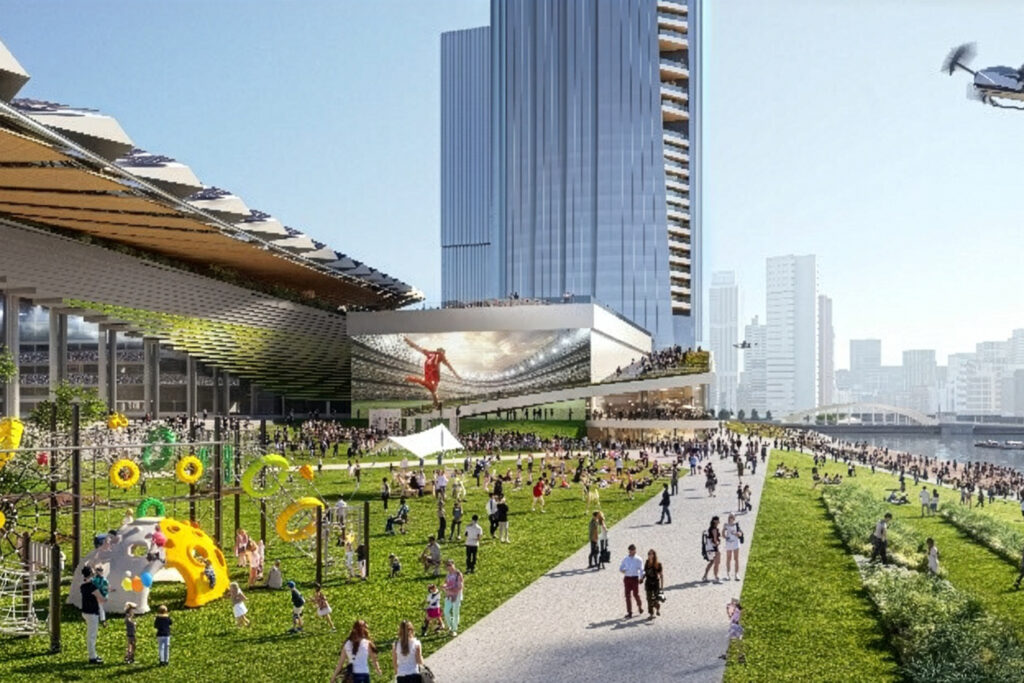
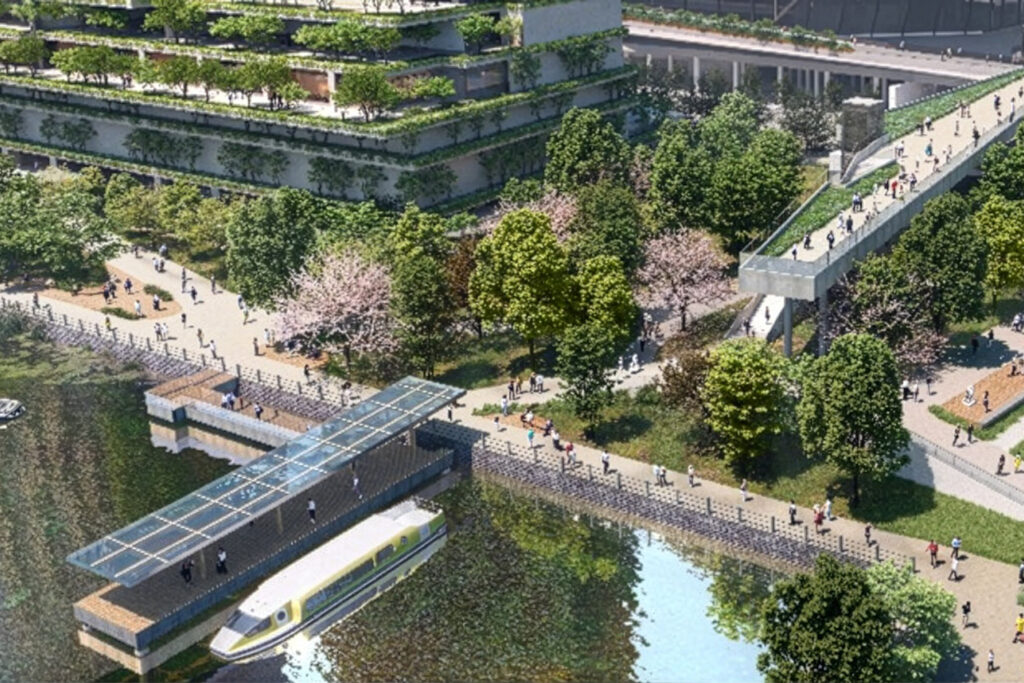
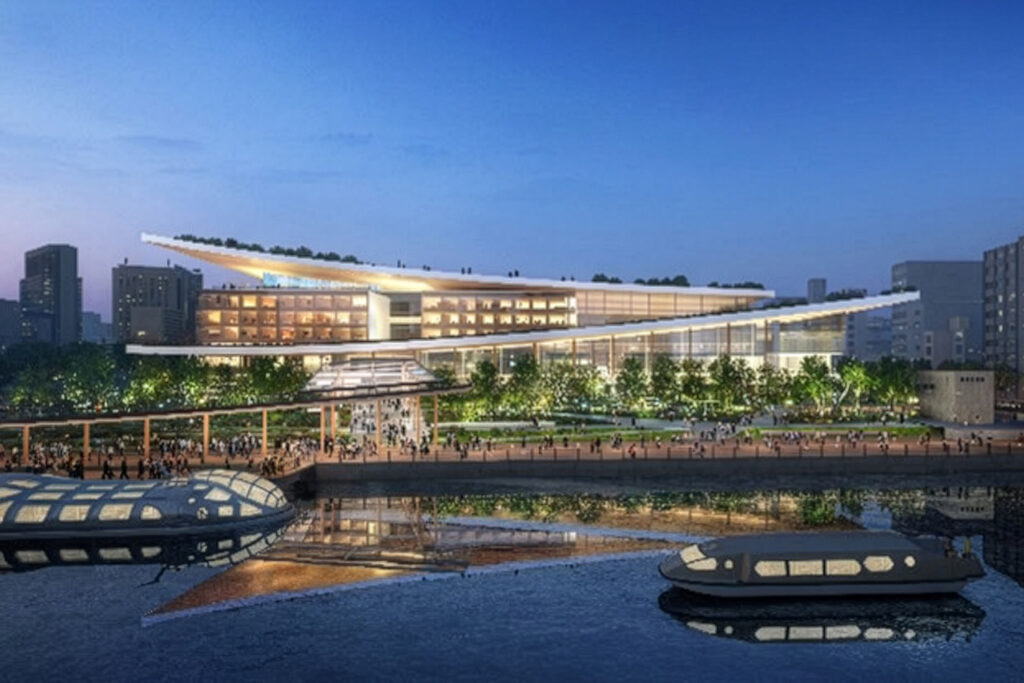
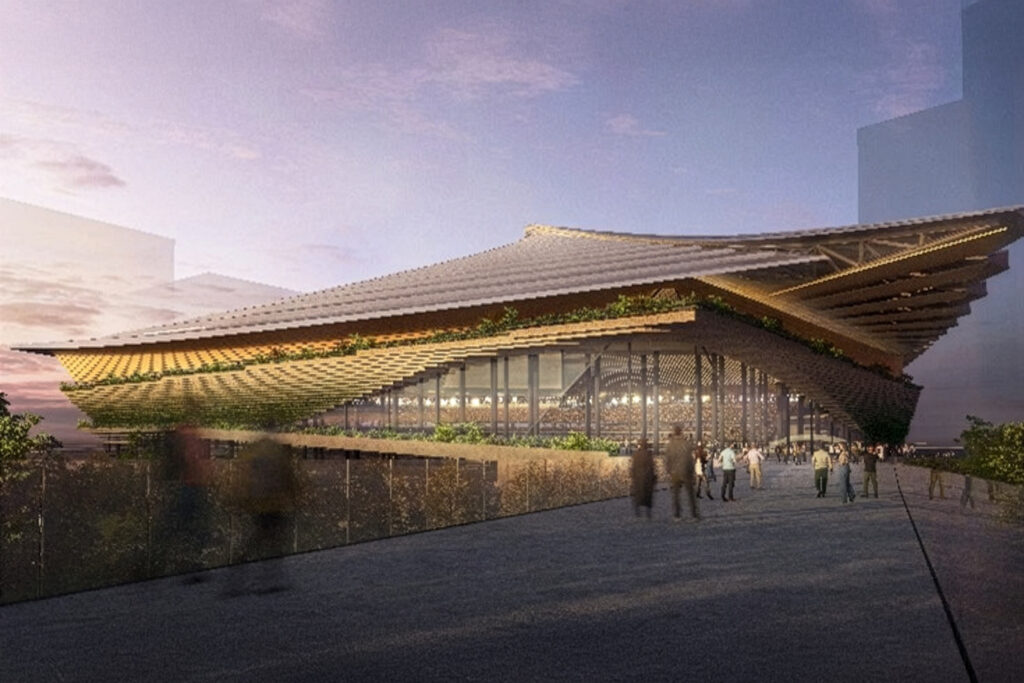
Major developments can bring transport improvements, new amenities, employment centers, and cultural facilities to an area. These factors may influence how buyers view a neighborhood. Before Azabudai Hills, Toranomon was primarily a business district. After development, it became a place where people wanted to live and invest.
Tsukiji offers advantages Azabudai didn’t have. The waterfront location is unique for central Tokyo. The stadium will draw large events and visitors. The life science complex will create specialized employment. The mix of residential, office, cultural, and entertainment facilities will make Tsukiji a destination, not just a pass-through area.
Properties in Toyomicho, Kachidoki, Tsukishima, and Tsukuda offer proximity to these future amenities. Walking distance to a stadium, waterfront parks, restaurants, and cultural facilities may command market premiums. These reclaimed land areas provide modern layouts with proper spacing and Type 1 direct contact foundations matching regular land safety standards. Lots of new and elusive luxury properties in this area are hard to find a rarely on public sale so if you are interested best to enquire for off market unit information.
Featured Properties Near Tsukiji Development
The map below shows select properties identified by Housing Japan in the areas surrounding the Tsukiji Redevelopment. These properties offer proximity to the upcoming development and are located in the four key reclaimed land neighborhoods: Toyomicho, Kachidoki, Tsukishima, and Tsukuda.
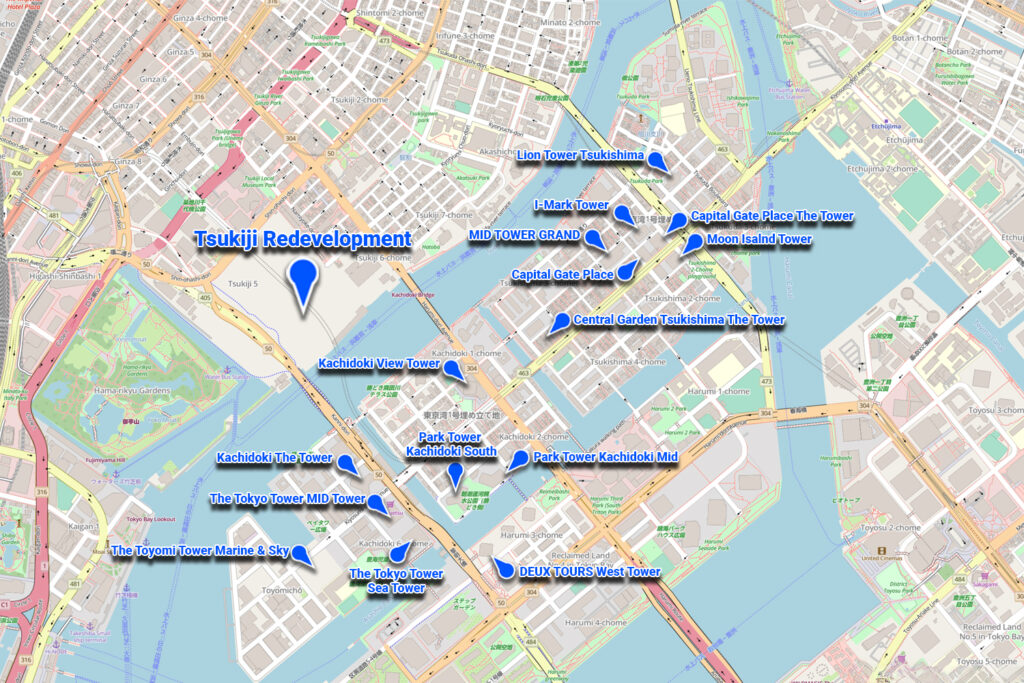
These properties represent a range of options in terms of distance from the development site, building age, and amenity offerings. Most feature Type 1 direct contact foundations and modern earthquake resistance systems. Walking distance to the Tsukiji development site varies from approximately 5 to 15 minutes depending on the specific property location.
Housing Japan maintains detailed information on each of these properties, including foundation types, construction dates, earthquake resistance specifications, and current market conditions so do not hesitate to get in contact about our offerings and off market listing.
Why Housing Japan for Tsukiji Area Properties
With 25 years of experience in Tokyo’s real estate market, Housing Japan can identify properties near major developments. We understand foundation types and can tell you whether a property uses direct contact, pile-in-fill, or through-fill construction. We know which buildings incorporate modern earthquake resistance systems and which areas offer optimal combinations of location, construction quality, and features.
Our multilingual team works with international buyers who need guidance on technical factors. Foundation type, earthquake resistance standards, proximity to planned infrastructure, and development timelines all matter when making property decisions.
Properties around Azabudai Hills closest to the development showed strong value growth. Those with direct access to new amenities outpaced the broader market. Buildings with modern construction and good connections attracted buyers willing to pay premiums.
A similar pattern may emerge around Tsukiji. As construction progresses and opening dates approach, market conditions typically shift. Properties that could perform well are often identified early.
Comparing Development Timelines and Market Response
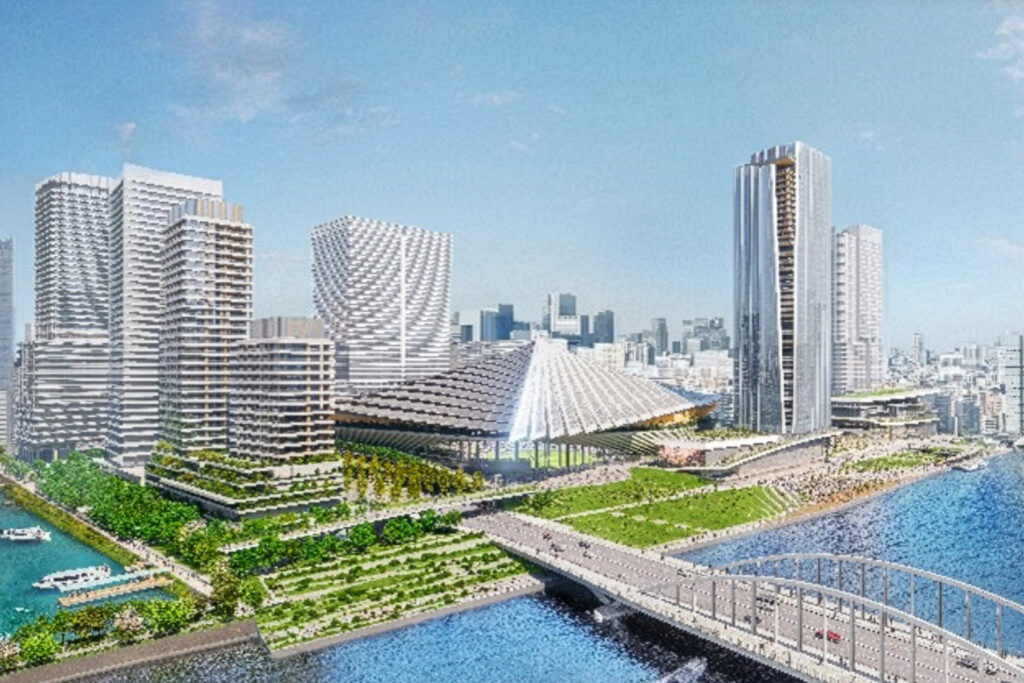
When Azabudai Hills was announced, some investors looked at properties near the development and made decisions early. Some properties saw over a 3 times average increases over the past 10 years.
Tsukiji offers a similar situation, but larger in scale. It’s the biggest development project in Tokyo for the next decade, in a central waterfront location, with infrastructure improvements reshaping area access. Properties in Toyomicho, Kachidoki, Tsukishima, and Tsukuda sit adjacent, built on reclaimed land with proper foundations and modern earthquake resistance.
Major developments in central Tokyo have historically created value growth in nearby properties. The Azabudai Hills data supports this.
Frequently Asked Questions
Q: What areas near Tsukiji offer the safest foundation types?
See the ‘Understanding Foundation Safety on Reclaimed Land’ section above for detailed information on Type 1 direct contact foundations used in Toyomicho, Kachidoki, Tsukishima, and Tsukuda.
Q: When will the Tsukiji development be completed?
Around 80% operational by 2032, full completion by 2038. The planned subway line targets 2040. See ‘Timeline and Development Phases’ section for details.
Q: Why could reclaimed land near Tsukiji possibly be a good investment?
Reclaimed land developments near Tsukiji feature modern layouts with organized infrastructure, larger roads, better spacing between buildings, and more green areas. Properties in Toyomicho, Kachidoki, Tsukishima, and Tsukuda primarily that use Type 1 direct contact foundations and incorporate modern earthquake resistance systems.
Q: How can Housing Japan help with property investment near Tsukiji?
With 25 years of experience, Housing Japan can identify properties with proper foundation types, modern earthquake resistance, and optimal locations near the development. Our multilingual team understands both the technical factors and market dynamics that affect property values in Tokyo.
About Housing Japan
Housing Japan specializes in luxury real estate and property development in Tokyo with 25 years of experience. We offer bilingual support for international buyers and investors, helping clients understand the technical and market factors that affect property values. Whether you’re looking for a residence or an investment property, our team provides the local expertise and international service that makes Tokyo real estate accessible.
Ready to explore investment opportunities near the Tsukiji development? Contact Housing Japan today.