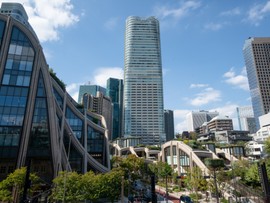
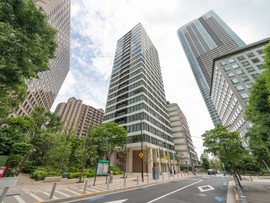
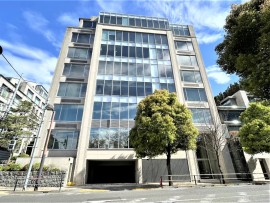
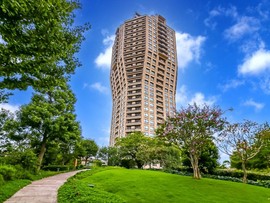
Minato, Chiyoda and Shibuya rank as Tokyo’s three wealthiest wards by average taxable income per resident taxpayer, with Minato first among all Japanese municipalities. Chiyoda holds the highest average residential land price of the three at ¥3,631,400 per square metre. Minato recorded the largest rise of any of Tokyo’s 23 wards in 2026, at 16.6 per cent.
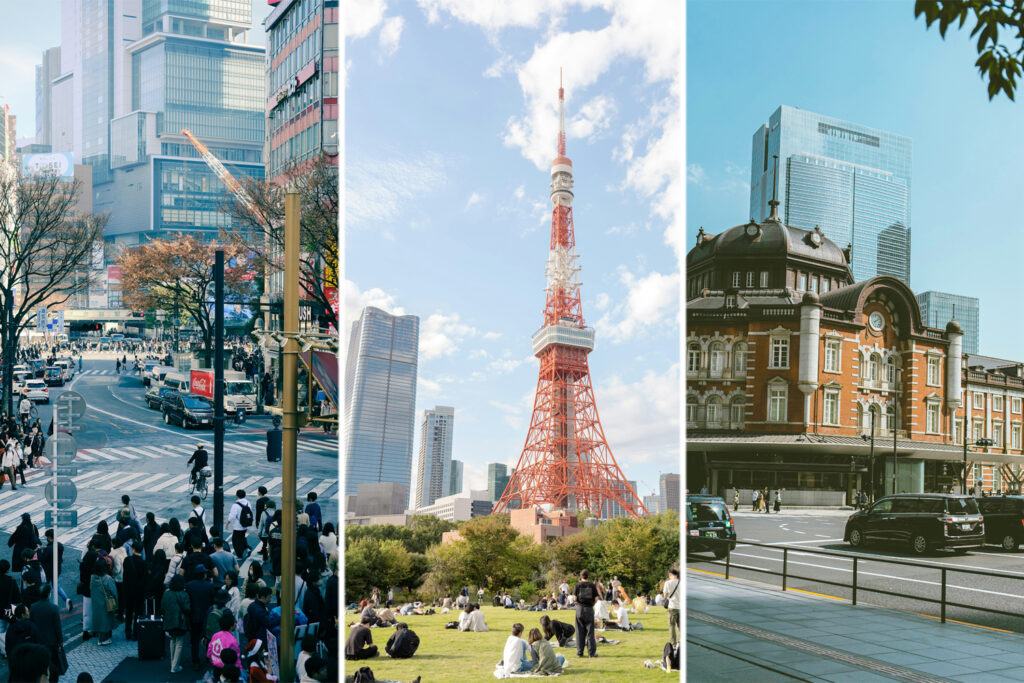
The ranking comes from the Ministry of Internal Affairs and Communications, which publishes taxable income and taxpayer counts for every municipality each year. Minato, Chiyoda and Shibuya take the top three positions among all 815 cities and wards in Japan. They also hold nine of the ten highest-priced residential survey points across the 23 wards.
Each ward combines corporate headquarters, embassies and international schools with its own residential character. This guide covers price, population, transport and development in each, then compares them side by side.
Key Facts at a Glance
- Average residential land price, January 2026: Chiyoda ¥3,631,400/m², Minato ¥3,013,700/m², Shibuya ¥1,874,100/m². The 23-ward average is ¥856,400/m².
- Residential land price change, year to January 2026: Minato +16.6%, Shibuya +11.0%, Chiyoda +10.7%. The 23-ward average is +9.0%.
- Average commercial land price, January 2026: Shibuya ¥9,297,600/m², Chiyoda ¥7,356,500/m², Minato ¥6,991,800/m².
- Tokyo’s highest-priced residential survey point is Akasaka 1-chome in Minato, at ¥7,110,000/m², up 20.5% in a year.
- Nine of Tokyo’s ten highest-priced residential survey points sit in Minato (five) or Chiyoda (four). The tenth is Ebisu-nishi in Shibuya.
- Daytime population, 2020 Census: Minato 972,673, the highest of Tokyo’s 23 wards. Chiyoda follows at 903,780 and Shibuya at 551,344.
- Chiyoda’s daytime-to-night population ratio of 1,355.4 per cent is the highest of any municipality in Japan.
- Company presidents make up 16.5% of Minato residents. Akasaka has been Japan’s leading address for company presidents for 13 consecutive years.
1. Minato Ward: Tokyo’s Luxury Living
Home to Japan’s Most Wealthy
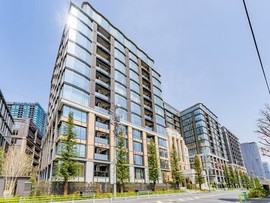
Minato holds Japan’s highest-value residential stock. Aman Residences Tokyo occupies the upper floors of Mori JP Tower and comprises 91 homes. Housing Japan Research places the top of the central Tokyo new-build market in the ¥10–20 billion range for a small number of transactions since 2023, though sale prices at this level are not publicly disclosed.
Tokyo’s highest-priced residential survey point sits in Minato. Akasaka 1-chome recorded ¥7,110,000 per square metre in January 2026, up 20.5 per cent year on year.
Rooted in the Edo period, Minato’s hillsides were chosen by wealthy daimyo and samurai families for lavish mansions. Today, Minato City stands as a business centre housing the headquarters of major companies, including Honda, Sony and SoftBank Group.
Minato has a deep rental market, driven by embassies, corporate headquarters and international schools. Tenants include company transferees, diplomats and executives on local contracts. Stock ranges from high-rise apartments in Roppongi, Toranomon and Shibaura to low-rise homes on quiet streets in Shirokane, Minami-Azabu and Takanawa.

-> Search luxury Short Term and Long-Term Tokyo rental properties
Minato Ward by the Numbers
Minato has the highest average taxable income per resident taxpayer of any municipality in Japan, based on the Ministry of Internal Affairs and Communications municipal tax survey. The figure divides total taxable income by the number of residents liable for the income-based portion of resident tax. As of 1 August 2025, Minato’s registered population was 269,609, including 23,323 foreign residents, or 8.7 per cent. The ward covers 20.37 km².
Average residential land in Minato reached ¥3,013,700 per square metre in January 2026, up 16.6 per cent year on year. That was the largest residential increase of any of the 23 wards, against a 23-ward average of 9.0 per cent.
Sources: Minato City website
The ward’s economic strength extends beyond individual wealth. Minato is home to the headquarters of many large domestic companies, including Honda, Mitsubishi Motors Corporation, NEC, Nikon, SoftBank Group, Sony and Fujitsu. This concentration of corporate headquarters contributes to the ward’s daytime population surge and its position as Tokyo’s business center.
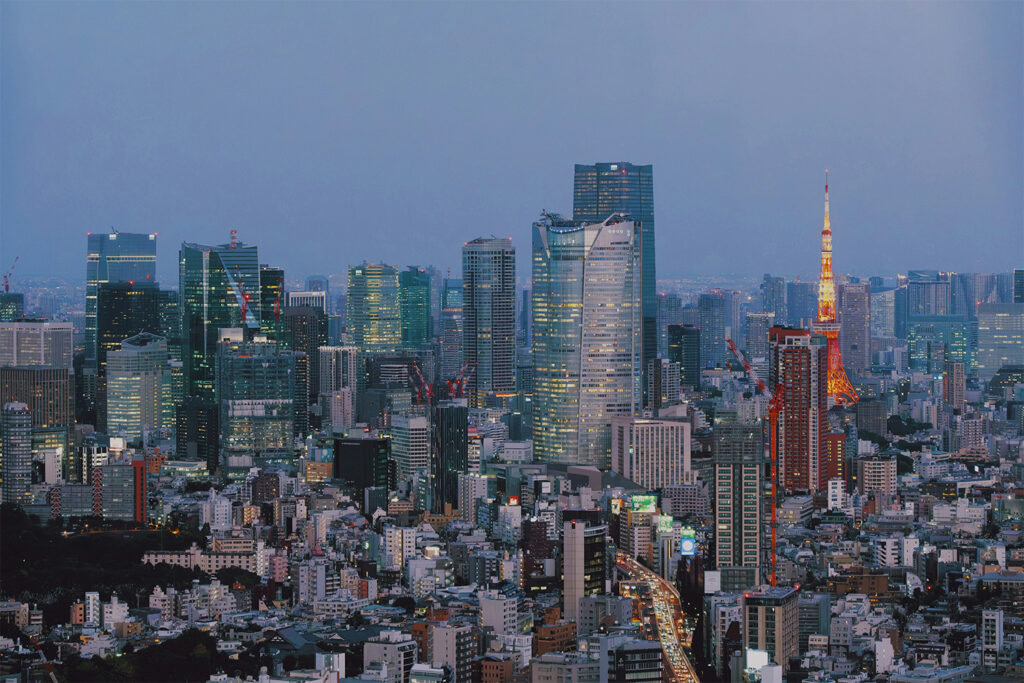
Azabu: The Exclusive Allure
Azabu covers several districts west of Roppongi, including Azabu-Juban, Nishi-Azabu, Moto-Azabu and Minami-Azabu. Minami-Azabu holds two of Tokyo’s five highest-priced residential survey points, recording ¥4,990,000 and ¥4,760,000 per square metre in January 2026. Embassies, international schools and low-rise zoning shape the area’s character.
To elaborate, Azabu Juban radiates international allure, boasting streets adorned with embassies and exclusive residences. Azabu Juban is known for luxury properties and high-end restaurants. Celebrities often choose this area for its privacy.
Nishi-Azabu, nestled between the lively Roppongi and the tranquil Azabu Juban, exudes a distinctive charm. Less ostentatious than its neighbors, Nishi-Azabu offers a refined elegance. Gonpachi Nishi-Azabu sits in this area. Its interior inspired the House of Blue Leaves set in Kill Bill, though the scene itself was shot on a soundstage in Beijing. The restaurant also hosted the informal dinner between US President George W. Bush and Prime Minister Junichiro Koizumi in February 2002.
Roppongi: Where Nightlife Meets Culture
Roppongi, a dynamic district, seamlessly blends vibrant nightlife, cultural attractions, and a thriving business scene. Roppongi Hills, Tokyo Midtown and Toranomon Hills anchor the district’s skyline, establishing it as a hub for both business and luxurious living. The district’s prosperity is also evident in its international flair, drawing in multinational corporations, as well as affluent expatriates, creating a cosmopolitan atmosphere. The district holds a dense concentration of restaurants, bars and galleries, including the Mori Art Museum and the Suntory Museum of Art.

Akasaka: Upscale Dining and Entertainment
Akasaka stands as a magnet for political and business elites, drawing them in with its upscale dining and entertainment venues nestled close to government offices, embassies, and the financial powerhouses. Residents of this refined district enjoy a front-row seat to the city’s heartbeat. Akasaka is famous for its exclusive restaurants. Political leaders and business executives often meet here, making it a hub for important discussions and deals. Grand hotels like the ANA InterContinental Tokyo and Ritz-Carlton add a touch of luxury, while the vibrant nightlife of Akasaka Mitsuke and its proximity to Roppongi provide a dynamic atmosphere.
Toranomon: Dynamic Business Nexus
Toranomon, stands as a vibrant business district housing the headquarters of leading companies and financial institutions incluiding Goldman Sachs Japan. This locale has witnessed significant redevelopment, welcoming modern skyscrapers, prestigious hotels such as The Tokyo EDITION and Hotel Okura, and upscale dining establishments. The skyline is adorned with high-rise residences, offering residents breathtaking views, particularly of the iconic Tokyo Tower. Toranomon Hills, a commanding landmark, symbolizes the district’s evolution into a refined urban landscape. The fusion of business dynamism and contemporary elegance in Toranomon appeals to a discerning crowd, further elevating the overall prestige of the Minato ward.
Shirokane: A Prestigious Address
Shirokane, a name that translates to “white gold,” is a picturesque enclave, is synonymous with prestige and luxury, housing Japan’s wealthiest families. Lined with elegant residences and associated with the illustrious Iwasaki family, founders of Mitsubishi Corporation, Shirokane stands as a known for its wealthy residents, making it a sought-after neighborhood for Japan’s elite. From the discreet tree-lined streets like Platinum Street to The Happoen Garden, a 17th-century masterpiece Japanese garden offers a serene escape with its koi-filled ponds, traditional teahouses. It’s a popular place where residents can truly live life to the fullest, all while embracing the quiet whispers of nature and the warmth of a close-knit community.
2. Chiyoda Ward: Where Politics Meets Prosperity
Tokyo’s Political and Corporate Heartbeat
Chiyoda Ward, Tokyo’s political epicenter, boasts the Imperial Palace at its core. Chiyoda Ward often ranks among the most expensive wards in Tokyo for newly built condominiums, it encompasses the Imperial Palace, Marunouchi, Otemachi business districts, and the affluent Bancho residential area, known for some of Tokyo’s most valuable residential land. With high land values and a focus on commercial spaces, detached houses are scarce. Chiyoda Ward hosts numerous foreign embassies/consulates, including those of Belgium, the United Kingdom, and Ireland, among others, reflecting its diplomatic importance. The ward features a popular 5 km running path around the Imperial Palace and houses prestigious universities like Meiji, Senshu, and Otsuma Women’s University.
Chiyoda Ward by the Numbers
Chiyoda covers 11.66 km² and is the least populated of Tokyo’s 23 special wards. The 2020 Census recorded 66,680 residents against a daytime population of 903,780. That produces a daytime-to-night population ratio of 1,355.4 per cent, the highest of any municipality in Japan. Chuo Ward, the next highest, records 374.4 per cent.
Average residential land in Chiyoda reached ¥3,631,400 per square metre in January 2026, up 10.7 per cent year on year. That is the highest residential average of Tokyo’s three wealthiest wards, ahead of Minato at ¥3,013,700. The figure rests on only seven survey points, concentrated in Bancho and Kojimachi. Commercial land averaged ¥7,356,500 per square metre, up 13.1 per cent.
Otemachi, Marunouchi and Yurakucho sit east of the Imperial Palace, known collectively as Daimaruyu. Mitsubishi Estate counts 19 Fortune Global 500 headquarters in the district, alongside roughly 4,300 businesses and around 280,000 workers. Thirteen stations serving 28 rail lines fall within or adjoin the area.

Bancho: Quiet Wealth
Nestled to the west of the Imperial Palace, Bancho stands as an exclusive residential haven with a rich historical legacy. Its tree-lined streets and upscale residences create a tranquil escape in the heart of the bustling metropolis. This sophisticated area has always attracted influential figures such as diplomats, business leaders, intellectuals, and renowned scholars, underscoring an enduring legacy of affluence. Comprising six districts, each ending in “-bancho,” the area holds both historical significance and a strong brand reputation. Bancho sits within walking distance of several stations. Rokubancho recorded ¥5,300,000 per square metre in the January 2026 land price survey, the third-highest residential figure in Tokyo. Sanbancho and Ichibancho followed at ¥4,410,000 and ¥4,150,000.
Marunouchi: Corporate District
Marunouchi stands as Tokyo’s financial powerhouse, housing the headquarters of Japanese corporate giants like Mitsubishi. With its towering skyscrapers and modern architecture, including the iconic Tokyo Station, Marunouchi is a symbol of economic prowess and corporate sophistication. Many residents in this area are those who thrive on a fast-paced yet sophisticated lifestyle. Driven, ambitious, and appreciate the district’s unique blend of power, culture, and quiet elegance

Otemachi: Tokyo’s Financial Epicenter
Otemachi, at the heart of Tokyo’s business district, represents Tokyo’s modern business district. Boasting futuristic skyscrapers, including the renowned Tokyo Midtown Hibiya, Otemachi is a dynamic hub for commerce, finance, and innovation. The district’s sleek architecture and cutting-edge infrastructure attract global corporations, establishing it as a symbol of Tokyo’s position at the forefront of technological and business advancements. Otemachi is home to the headquarters of major financial institutions such as the Bank of Japan and multinational corporations like Mitsubishi UFJ Financial Group.
Nagatacho: Japan’s Political Heart
Nagatacho, adjacent to the Imperial Palace, serves as Tokyo’s political center, housing government buildings and offices. The district exudes political prestige, hosting the National Diet Building and ministries crucial to Japan’s governance. Nagatacho’s cultural resonance is further amplified by theaters and cultural institutions, creating a dynamic atmosphere where political influence converges with artistic expression, making it a unique and multifaceted district within Tokyo. Several key political figures and government officials reside in Nagatacho, contributing to its status as a political and cultural nexus.
3. Shibuya Ward: Youthful Energy Meets Wealth
Home to Japan’s Elite, Youth, and Fashion
Shibuya Ward, a dynamic district in Tokyo, is a vibrant hub known for its iconic Shibuya Crossing and trendy atmosphere. It is a cultural hotspot with a mix of modernity and tradition. Shibuya stands as a center for youth fashion, entertainment, and technology, featuring bustling shopping streets and nightlife destinations. The famous Shibuya Crossing, one of the world’s busiest intersections, symbolizes the energetic pace of the area.
The ward is home to numerous international corporations, fashion boutiques, and innovative tech hubs. Shibuya is also recognized for its diverse dining scene, offering a wide range of culinary experiences. With a youthful and cosmopolitan vibe, it attracts both locals and tourists alike. The presence of popular landmarks like the Hachiko Statue and Shibuya 109 adds to the district’s cultural richness, making Shibuya a popular destination for those seeking a blend of modern trends and urban excitement in Tokyo.
Shibuya Ward by the Numbers
Shibuya Ward covers 15.11 km² and had a registered population of approximately 232,000 in 2025, giving a density of roughly 15,300 people per square kilometre. Average residential land reached ¥1,874,100 per square metre in January 2026, up 11.0 per cent year on year. Commercial land averaged ¥9,297,600 per square metre, the highest of the three wards.
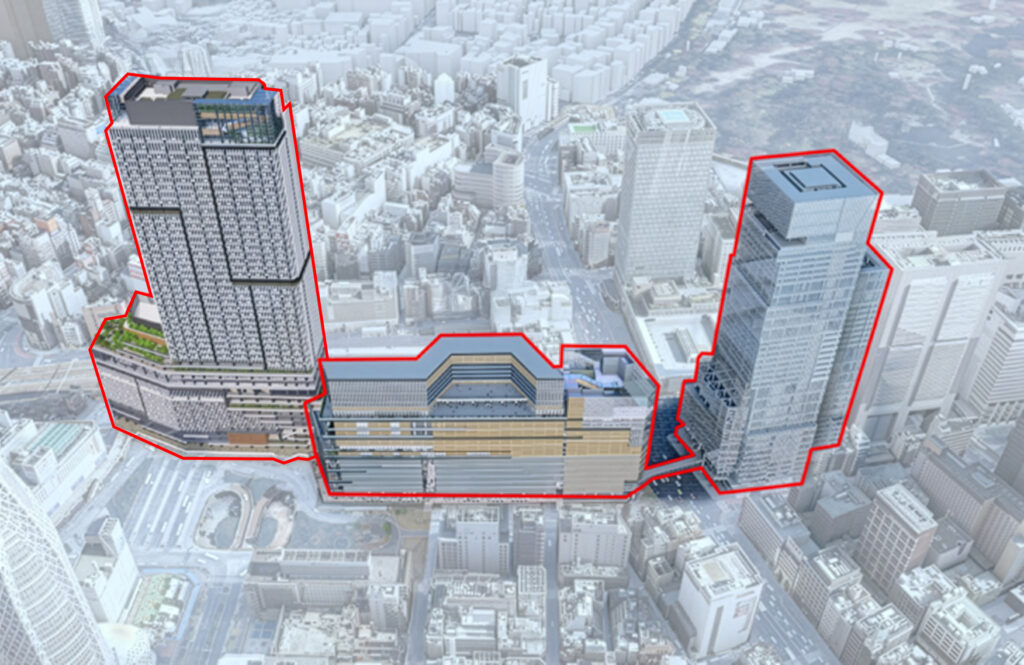
Shibuya Station serves nine railway lines run by four operators: JR East, Tokyo Metro, Tokyu and Keio. Redevelopment around the station began in 2010 and now runs to 2034 under a schedule Tokyu revised in 2025. The Shibuya Upper West Project completes in FY2029. The station and its pedestrian network reach broad completion in FY2030. Shibuya Scramble Square Phase II, covering the Central and West buildings, completes in FY2031, four years later than originally planned. Hachiko Square and the remaining pedestrian cores follow in FY2034.
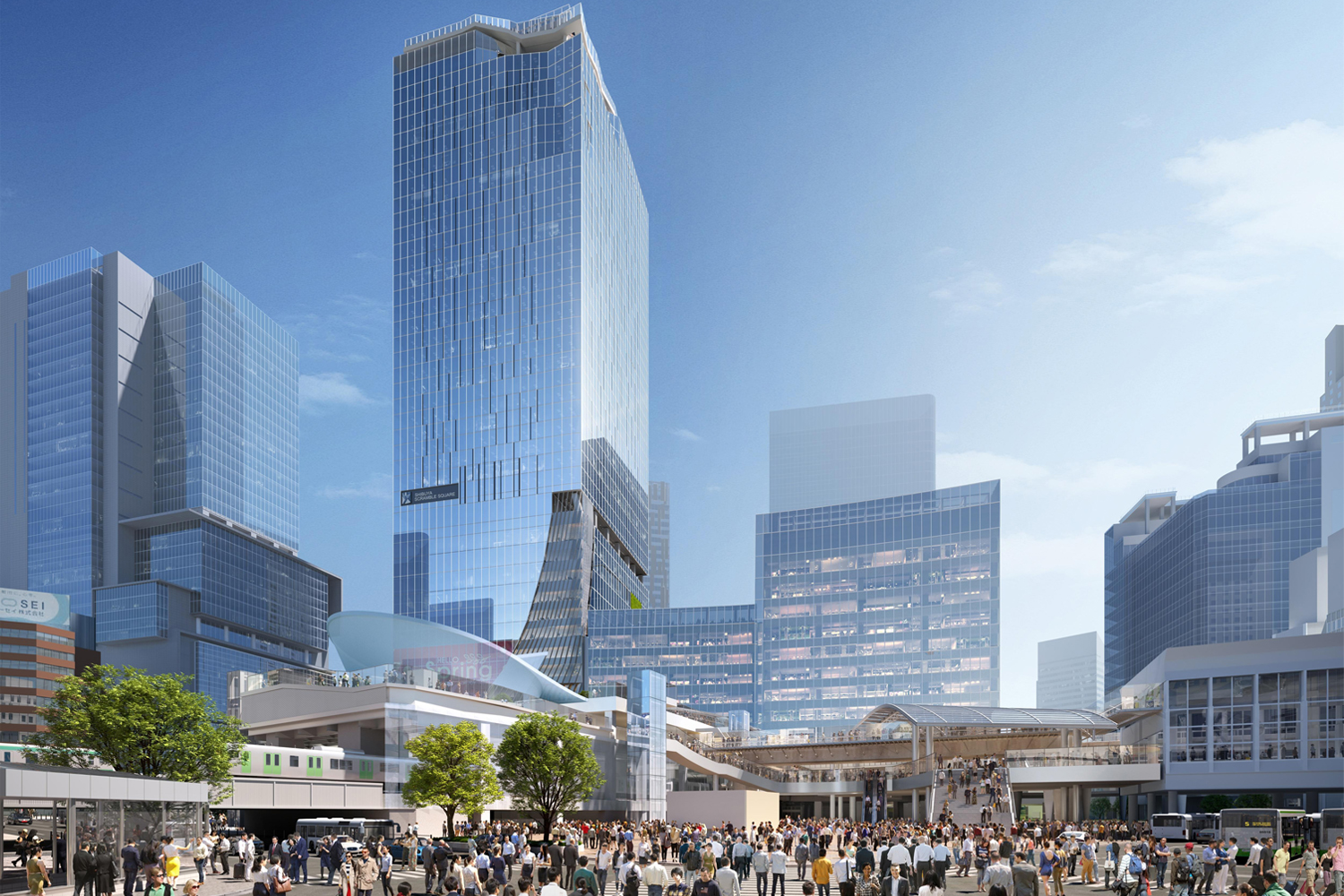
CGI Source: Press Release by Tokyo Metro – www.tokyometro.jp/news/2025/220646 (Japanese Only)
Harajuku: Youthful Fashion Hub
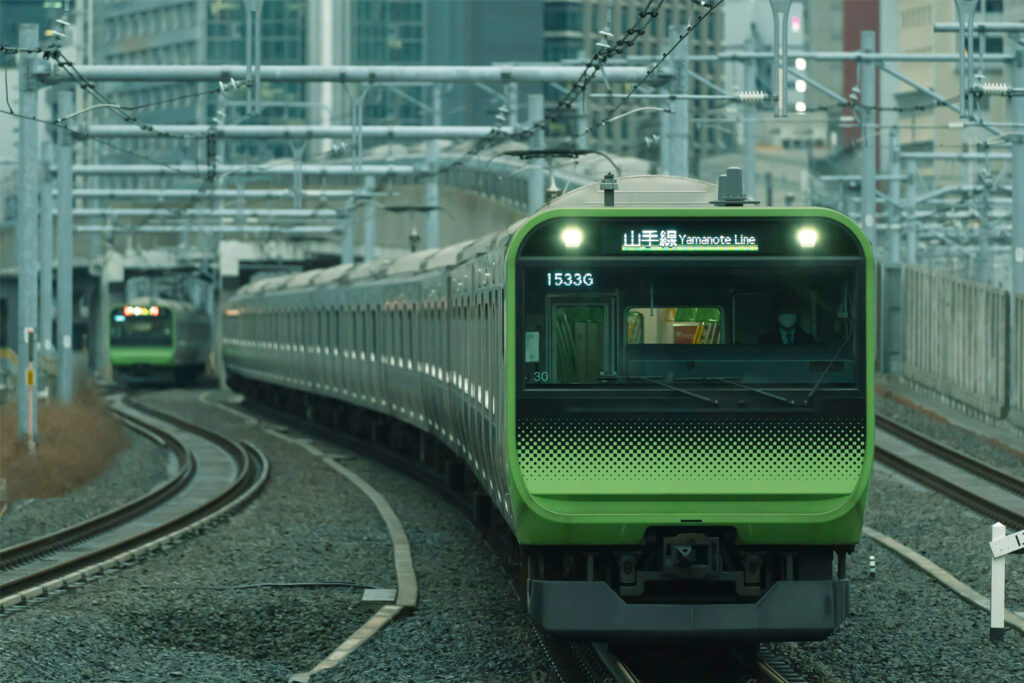
Harajuku, nestled near Shibuya, is a vibrant fashion haven renowned for its eclectic street style and unique boutiques. It sits right on the Yamanote Line, a loop railway encircling central Tokyo. This coveted address grants residents swift access to the city’s bustling business districts, upscale shopping avenues, and world-renowned entertainment hubs. Imagine living a stone’s throw from the neon-lit spectacle of Shibuya Crossing and the serene tranquility of Meiji Shrine, all within a few train stops.
It is home to renowned street brands like Bape and Supreme, Harajuku’s Takeshita Street and Cat Street draw fashion enthusiasts, influential designers, and celebrities exploring avant-garde styles. Beyond mere convenience, Harajuku boasts a hidden pocket of affluence. Tucked away from the bustling Takeshita Street, you’ll find pockets of serene residential neighborhoods. Think leafy streets lined with charming low-rise apartments, mini-mansions, and quaint cafes. This quieter side of Harajuku attracts a well-heeled demographic, including professionals, entrepreneurs, and celebrities seeking a sanctuary amidst the urban chaos.
Ebisu: Dining and Entertainment District
Ebisu stands out as a culinary and entertainment hub, offering a sophisticated yet relaxed atmosphere. It’s popular with discerning diners, known for acclaimed restaurants like Gastronomie Joël Robuchon, elegant bars like The SG Club, and Yebisu Garden Place which consists of roughly a dozen buildings and skyscrapers, featuring a large array of restaurants and shops, the Westin Tokyo hotel. Yet, it also exudes a surprising charm, with quiet corners lined with traditional wooden houses and a laid-back, almost suburban feel.
Celebrities seeking both culinary excellence and trendy ambiance are often spotted in this area. This unique blend of affluence and serenity makes Ebisu a sought-after address for those seeking a slice of Tokyo’s vibrant while maintaining a sense of peace.

Daikanyama: Tokyo’s Creative Neighborhood
Daikanyama, nestled between Shibuya and Ebisu, exudes an artsy and hipster charm with its tree-lined streets, indie boutiques, and stylish cafes, making it known as Tokyo’s Brooklyn. Daikanyama’s history dates back to the Edo period when it was a popular destination for wealthy families and artists. This legacy is still evident in the area’s architecture, where traditional wooden houses and temples are juxtaposed against modern glass-and-steel structures. This blend of old and new creates a unique atmosphere that is both stylish and timeless.
The district appeals to the creatively inclined, boasting a thriving arts and culture scene. Indie boutiques like Comme des Garçons and Tsujiri Tea attract artists, musicians, and fashion designers such as Yohji Yamamoto, who reside in the area. Daikanyama’s bohemian vibe draws those seeking a unique and artistic escape.
Omotesando: Luxury Shopping District
Often referred to as Tokyo’s Champs-Élysées, Omotesando is the city’s a main street for luxury shopping. It’s a shimmering oasis of designer flagships, Michelin-starred restaurants, and chic boutiques, pulsating with the energy of the city’s elite. Luxury giants like Louis Vuitton and Chanel line the streets, drawing fashion icons, celebrities, and style-conscious travelers alike.
Landmarks like Omotesando Hills, designed by Tadao Ando, add to the area’s architectural prestige. This fashion mecca brings together haute couture and contemporary design, attracting international designers and discerning visitors from around the world.
Residents of Omotesando share a taste for the finer things in life, a deep appreciation for the area’s rich heritage, and a desire to balance glamour with serenity in one of Tokyo’s most vibrant neighborhoods.
Shibuya: A Center for Trends and Culture
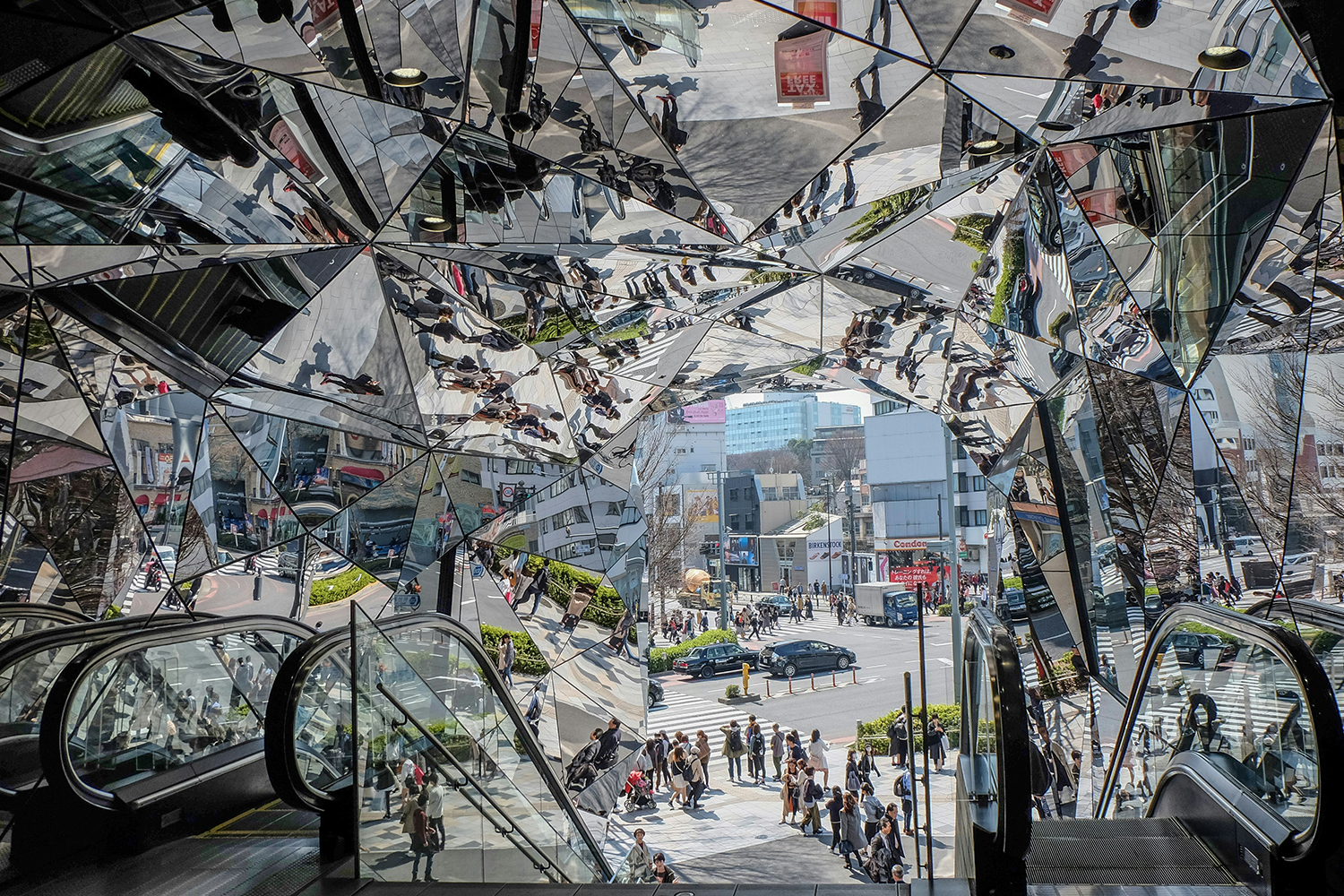
Shibuya, Tokyo’s dynamic trendsetting hub, embodies youthful energy with its iconic Shibuya Crossing and thriving street culture, drawing a diverse mix of locals and visitors. Beyond its reputation as a bustling retail and entertainment destination, Shibuya serves as a cultural and commercial hub, favored by global brands, influencers, and music enthusiasts. Its lively atmosphere attracts trendsetters, tech enthusiasts, and musicians, reflected in the presence of global companies like Google and Spotify.
Amidst the hustle lies Shoto, a residential haven offering tranquility and exclusivity through tree-lined streets and elegant dwellings. The area’s privacy attracts high-profile residents and celebrities seeking a luxurious escape within the city’s vibrant core. Shibuya’s excellent transportation network, covering nine lines run by four operators, including the Yamanote Line, further enhances its appeal for residents.
Yoyogi: Tokyo’s Culture and Green Space
Yoyogi, nestled between the vibrant Shibuya and Shinjuku districts, combines quiet residential streets with direct access to both centres. Yoyogi Park and Meiji Jingu occupy much of the neighbourhood, giving it more open green space than most central Tokyo districts.
Low-rise apartments with manicured gardens and spacious villas tucked away from the main street offer a sense of exclusivity and privacy. Convenience is another key ingredient in Yoyogi’s allure. The Yamanote Line, Tokyo’s iconic loop railway, puts the entire city within reach. Trendy boutiques in Harajuku, business districts in Shinjuku, and cultural gems in Shibuya are all just a short train ride away. Yet, stepping back into Yoyogi feels like entering a different world, where quiet cafes and charming bookstores offer a sense of community and belonging.
The recently opened Yoyogi Park Park-PFI Project has bought a modern edge to Harajuku’s cherished green spaces. This redevelopment blends innovation with sustainability, featuring urban sports facilities, running stations, and rooftop gardens powered by renewable energy. Designed to foster community connections, it regularly hosts fitness events and interactive activities, inviting both locals and visitors to experience a serene yet dynamic environment. Strategically linking Harajuku and Shibuya, the development highlights the area’s transformation into a thriving hub of culture and relaxation.

-> Discover more about Yoyogi Park Park-PFI and its features here
How Do Minato, Chiyoda and Shibuya Compare?
The three wards differ more than headline rankings suggest. Chiyoda has the highest average residential land price, Shibuya the highest commercial average, and Minato the fastest growth. The table below sets out the January 2026 figures.
| Category | Minato Ward | Chiyoda Ward | Shibuya Ward |
|---|---|---|---|
| Population | approx. 269,609 | approx. 69,000 | approx. 232,000 |
| Ward area | 20.37 km² | 11.66 km² | 15.11 km² |
| Average income per taxpayer | ¥17,808,000 (1st nationally) | ¥11,755,000 (2nd) | ¥11,652,000 (3rd) |
| Average residential land price (Jan 2026) | ¥3,013,700/m² | ¥3,631,400/m² | ¥1,874,100/m² |
| Residential land, year on year | +16.6% | +10.7% | +11.0% |
| Average commercial land price (Jan 2026) | ¥6,991,800/m² | ¥7,356,500/m² | ¥9,297,600/m² |
| Foreign residents | 8.0% | 5.6% | 5.2% |
| Daytime population (2020 Census) | 972,673 | 903,780 | 551,344 |
| Daytime-to-night ratio | 373.4% | 1,355.4% | 226.1% |
| Character | International business and diplomatic hub | Political and financial centre | Youth culture, fashion and entertainment |
| Key neighbourhoods | Azabu, Roppongi, Akasaka, Toranomon, Shirokane | Marunouchi, Otemachi, Bancho, Nagatacho | Shibuya, Harajuku, Ebisu, Daikanyama, Omotesando |
| Major stations | Roppongi, Shinagawa, Tamachi | Tokyo, Otemachi | Shibuya, Harajuku, Ebisu |
| Airport access | Haneda in approx. 15 minutes from Shinagawa on the Keikyu Line | Narita Express from Tokyo Station | Narita Express from Shibuya Station |
| Notable features | 80+ embassies, corporate HQs (Honda, Sony, SoftBank Group) | Imperial Palace, National Diet, 19 Fortune Global 500 HQs | Shibuya Crossing, Yoyogi Park, Meiji Shrine, Google Japan |
| Best for | Expatriate families, executives, diplomats, international school access | Central location, proximity to government and Tokyo Station | Younger professionals and creative industries |
| Housing stock | Wide supply across many districts, high-rise and low-rise | Limited supply, concentrated in Bancho and Kojimachi | Mixed, with redevelopment continuing to FY2034 |
Which Ward Has the Highest Average Income?
Minato, Chiyoda and Shibuya hold the top three positions among all 815 cities and wards in Japan for average taxable income per resident taxpayer.
| Ward | Average income per taxpayer | National rank |
|---|---|---|
| Minato | ¥17,808,000 | 1st |
| Chiyoda | ¥11,755,000 | 2nd |
| Shibuya | ¥11,652,000 | 3rd |
| National average | ¥3,933,721 | – |
Source: Ministry of Internal Affairs and Communications, Survey of Municipal Tax Assessment, FY2024. The figure divides total taxable income by the number of residents liable for the income-based portion of resident tax. It is not an average across the whole population.
Who Lives in Each Tokyo Ward?
Resident profiles differ sharply. Around 9 per cent of Minato’s population is foreign, one of the higher shares among the 23 wards. Chiyoda’s registered population was 66,680 at the 2020 Census, but its daytime population reached 903,780. That gives a daytime-to-night ratio of 1,355.4 per cent, the highest of any municipality in Japan. Minato’s daytime population of 972,673 was the largest of the 23 wards. Shibuya, with roughly 232,000 residents, draws a younger demographic alongside a large commuting workforce.
How Do the Three Wards Compare on Transport?
All three wards offer excellent transportation access. Minato contains stations on the Yamanote Line, multiple subway lines, and the Keikyu Line providing direct access to Haneda Airport in approximately 15 minutes from Shinagawa Station. Chiyoda includes Tokyo Station, the terminal for most Shinkansen lines, making it ideal for domestic travel. The station serves as the hub for JR East’s network, connecting to most major lines in the Kanto region. Shibuya Station serves nine lines run by four operators: JR East, Tokyo Metro, Tokyu and Keio. The current works aim to simplify the station’s multi-level layout and improve step-free access.
How Have Land Prices Moved in Each Ward?
All three wards sit well above the 23-ward average residential land price of ¥856,400 per square metre. Minato recorded the largest residential rise of any ward in the year to January 2026, at 16.6 per cent, against a 23-ward average of 9.0 per cent. Chiyoda rose 10.7 per cent and Shibuya 11.0 per cent. Chiyoda offers limited residential inventory due to government and commercial use. The Imperial Palace and government buildings occupy significant ward area, constraining residential development. Shibuya undergoes continuous redevelopment. Completed projects include Shibuya Stream in 2018 and Shibuya Scramble Square Phase I in 2019. The Shibuya Upper West Project is scheduled for FY2029 and Scramble Square Phase II for FY2031.
Hidden Costs and Considerations
Minato maintains strict building height limits in some residential areas while allowing high-rises in designated zones. The ward approved Azabudai Hills Mori JP Tower, currently Japan’s tallest building at around 330 metres, while keeping low-rise limits in neighbourhoods such as Azabu-Juban. Chiyoda imposes strict regulations near the Imperial Palace. Building heights are limited to preserve sight lines and the historic character of areas like Marunouchi. Shibuya actively encourages redevelopment through relaxed regulations in designated areas. The ward government partners with developers on major projects transforming the station area.
Future Development Impact
Each ward faces transformative projects. Minato continues developing the Toranomon area with multiple towers planned or under construction. The Toranomon-Azabudai district opened in 2023, adding significant luxury residential and commercial space. Chiyoda is building Torch Tower at Tokiwabashi, near Tokyo Station. Mitsubishi Estate expects completion at the end of March 2028. At 385 metres and 62 storeys above ground, it will overtake Mori JP Tower as Japan’s tallest building. The scheme includes offices, a Dorchester Collection hotel and the first luxury rental residences in the Otemachi, Marunouchi and Yurakucho district. Shibuya has the longest programme of the three. Tokyu’s revised schedule runs to FY2034 and covers the station, Scramble Square Phase II, the Upper West Project and the Miyamasuzaka district.

Which Ward Should You Choose?
Minato suits buyers who want proximity to international schools and embassies. Azabu, Roppongi and Hiroo hold the largest concentration of housing marketed to relocating families.
Chiyoda suits buyers who value a central location and low residential density. Housing supply is limited and concentrated in Bancho, Kojimachi and around Kudan. Torch Tower will add rental residences to Otemachi from 2028.
Shibuya suits buyers who want proximity to entertainment, retail and technology employers. Shoto, Daikanyama and Yoyogi offer quieter residential streets. Redevelopment around the station continues to FY2034, so some areas will see sustained construction activity.
Each ward answers a different set of priorities. For current pricing on specific buildings or districts, speak to a licensed real estate professional.
Remember to use an experienced and knowledgeable realtor such as Housing Japan. With 25 years of experience, they can guide you through purchasing property in the center of Tokyo in one of these exclusive wards.
Frequently Asked Questions
Which Tokyo ward has the highest income?
Minato Ward has the highest average taxable income per resident taxpayer of any municipality in Japan, at ¥17,808,000. Chiyoda follows at ¥11,755,000 and Shibuya at ¥11,652,000. The national average is ¥3,933,721. Figures come from the Ministry of Internal Affairs and Communications and cover residents liable for resident tax.
Can foreigners buy property in Tokyo’s wealthy wards?
Yes. Japan places no restriction on property ownership by nationality or residency status, and foreign buyers hold the same freehold rights as Japanese nationals. Since April 2026, all acquisitions by non-residents require a report under the Foreign Exchange and Foreign Trade Act. The residential exemption previously available was removed.
What is the most expensive area to live in Tokyo?
By average residential land price, Chiyoda leads at ¥3,631,400 per square metre as of January 2026, ahead of Minato at ¥3,013,700 and Shibuya at ¥1,874,100. Tokyo’s highest-priced individual residential site is Akasaka 1-chome in Minato, at ¥7,110,000 per square metre. Figures come from the published land price survey.
Why do so many companies have headquarters in Chiyoda Ward?
Otemachi, Marunouchi and Yurakucho sit directly beside Tokyo Station. Mitsubishi Estate counts 19 Fortune Global 500 headquarters in the district, alongside roughly 4,300 businesses and 280,000 workers. Thirteen stations serving 28 rail lines fall within or adjoin the area, which also sits close to government offices in Kasumigaseki.
What is the difference between Minato, Chiyoda, and Shibuya for living?
Minato suits international families, with embassies, international schools and large residential towers. Chiyoda offers a central location but limited housing, concentrated in Bancho and Kojimachi. Shibuya combines commercial districts such as Shibuya and Harajuku with quiet residential streets in Shoto, Daikanyama and Hiroo.
How many embassies are in Minato Ward Tokyo?
Minato hosts embassies and diplomatic missions from more than 80 countries, including the United States, Australia, France, Germany and Italy. That concentration shapes the ward’s international character and supports international schools and foreign-language services. Foreign nationals make up around 9 per cent of Minato’s residents.
Is Shibuya a good place to live in Tokyo?
Shibuya combines busy commercial areas with quiet residential ones. Shoto, Daikanyama and Hiroo offer tree-lined streets and low-rise housing within walking distance of the station. Shibuya Station serves nine lines run by four operators. Redevelopment around the station continues until FY2034 under Tokyu’s revised schedule.
What is the daytime population of Chiyoda Ward?
Chiyoda recorded a daytime population of 903,780 at the 2020 Census, against a resident population of 66,680. That gives a daytime-to-night ratio of 1,355.4 per cent, the highest of any municipality in Japan. The ward contains the Imperial Palace, the National Diet and the Marunouchi business district.
When will the Shibuya redevelopment be finished?
Tokyu revised the schedule in 2025. The Shibuya Upper West Project completes in FY2029 and the station and pedestrian network in FY2030. Shibuya Scramble Square Phase II follows in FY2031, four years later than first planned. Hachiko Square and the remaining pedestrian cores complete in FY2034.
Why is Chiyoda’s residential land more expensive than Minato’s?
Chiyoda has only seven residential survey points in the published land price data, concentrated in Bancho and Kojimachi, which are among Tokyo’s most expensive addresses. Minato has 30 points covering a wider range of neighbourhoods. Chiyoda’s average therefore reflects a narrower and more expensive sample.
What Next?
At Housing Japan, we specialise in buying, selling, and managing residential luxury real estate. Whether you are a local resident or simply seeking a second home or temporary residence for business trips, we have you covered. With over 25 years of experience our one-stop service includes expert management services, so you can sit back and relax knowing that everything is taken care of. Whether you are looking for a luxurious living experience or an investment opportunity, we are here to help you every step of the way.
Check out related articles for more:
- Housing Japan Celebrates 25 Years of Transforming Tokyo’s Luxury Real Estate Market
- LUXE Magazine by Housing Japan
- Maximize Property Value When Selling in Tokyo
- Mita Garden Hills: Tokyo’s New Standard for Luxury Living
- Tokyo and Rural Japan: A Guide to Understanding Real Estate Opportunities in 2025
- Tokyo Leads the World by GDP in 2025
- Investment Insight Near Tsukiji Redevelopment: Learning from Azabudai Hills
Sources:
Tokyo Metropolitan Government Bureau of Finance, 2026 Published Land Price Survey (Tokyo), 17 March 2026
Statistics Bureau of Japan, 2020 Population Census, Employment and Schooling Location Tabulation
Ministry of Internal Affairs and Communications, Survey of Municipal Tax Assessment
Tokyo Shoko Research, 2025 national survey of addresses where company presidents live
Chiyoda City, 2020 Population Census results
Mitsubishi Estate, Torch Tower press release, 27 September 2023
Tokyu Corporation, Shibuya redevelopment programme
Mitsubishi Estate, Marunouchi Area Data (Marunouchi Media Link Guide, updated March 2026)
Council for Area Development Management of Otemachi, Marunouchi and Yurakucho