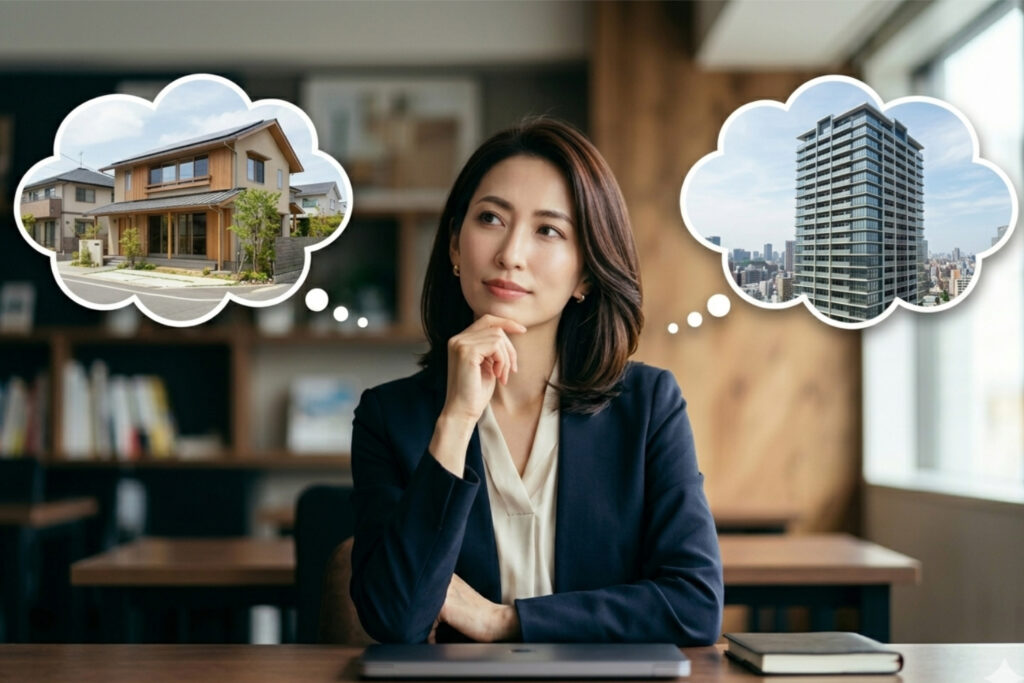
With 25 years of experience buying, selling, and managing luxury residential property in central Tokyo, Housing Japan has guided hundreds of buyers through one of the most common questions in the city’s market: should I buy a condominium (manshon, マンション) or a detached house (kodate, 戸建て)?
There is no single correct answer, and we would be cautious of anyone who tells you otherwise. Both property types offer genuine advantages. The right choice depends on your lifestyle, how long you plan to stay, and what you want from your property over time. This guide covers the key differences, from pricing and land ownership to ongoing costs, earthquake safety, and resale value, so you can make a considered decision.
At a Glance: Condo vs. House in Tokyo
| Condominium (Manshon) | Detached House (Kodate) | |
| Land ownership | Proportional share (sectional) | Full freehold ownership |
| Typical location | Central wards, near stations | Outer wards or suburbs |
| Typical size | 50–100 sqm | 100–200+ sqm |
| Monthly building fees | Management fee + repair fund | None, owner self-manages |
| Customisation | Interior only, with restrictions | Renovate or rebuild freely |
| Resale liquidity | High transaction volume | Lower, typically slower to sell |
| Security | Managed entry, often concierge | Owner-arranged |
| Price growth (recent) | Strong, condos leading the market | Moderate, land holds value |
What Are the Two main Property Types in Tokyo?
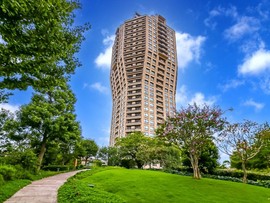
A condominium in Japan is called a manshon, a term borrowed from English but used specifically for multi-unit apartment buildings of reinforced concrete construction. When you buy a manshon, you own your individual unit outright. The land beneath the building and all common areas are jointly owned by every unit holder. These are managed through a building association (kanri kumiai).
A detached house, or kodate, is a standalone property where you own both the building and the plot of land it sits on. Houses are found across Tokyo, though large plots in central wards are rare and expensive. More budge buyers looking for a house with a garden and meaningful outdoor space will be looking in the outer wards or neighbouring prefectures such as Kanagawa or Saitama.
A third option sits between these two: the Japanese townhouse (taunhausu). These are multi-floor homes sharing one or two walls with neighbouring properties, but typically including individual land ownership. They offer more floor space than most condos and often more practical access to central areas than a fully detached house.
There are also Apāto (アパート) which are Smaller, often wooden, 1-2 story apartment building. This are much less popular in Tokyo and often devalue the land they are on due to poor earthquake resistance and construction.
How Much Does a House or Condo in Tokyo Cost?

Tokyo property prices have risen sharply over the past decade, and the cost of buying in the central wards has moved decisively upward.
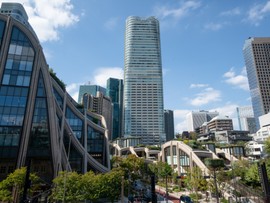
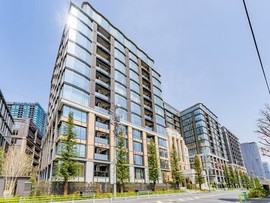
For condominiums in central Tokyo, prices reflect one of the most competitive urban property markets in Asia. New condominiums launched in Tokyo’s 23 wards have averaged above ¥100 million for two consecutive years. The price per square metre for new builds in the 23 wards reaching approximately ¥1.7 million in recent years. In premium central wards, Minato, Chiyoda, Shibuya, and Shinjuku, prices for new or recently built condominiums frequently exceed ¥150 million, and luxury tower units at developments such as Mita Garden or Azabudai Hills are offered well above that threshold.
For existing condominiums across the broader Tokyo metropolitan area, MLIT data based on REINS transaction records shows an average contract price of ¥48.90 million in 2024, up 6.9% year on year. This figure covers a wide range of wards and building ages; properties in central locations trade considerably higher.
For detached houses, MLIT data shows existing houses in the Tokyo metropolitan area averaged ¥39.48 million in 2024, up 2.6% year on year. Central Tokyo houses with meaningful land, say, 80 to 150+ square metres of plot in Meguro, Setagaya, or Shibuya, typically price from ¥200 million to well above ¥1 billion depending on plot size, building condition, and proximity to a station.
The chart below illustrates how the MLIT Nationwide Residential Property Price Index has diverged between condominiums and detached houses since 2019. The base is 2010 = 100.
Condominiums vs. Detached Houses (2010 = 100)
| Year | Condominium Index | Detached House Index |
| 2019 | 143 | 103 |
| 2020 | 145 | 103 |
| 2021 | 157 | 107 |
| 2022 | 172 | 111 |
| 2023 | 189 | 114 |
| 2024 (to June) | 201 | 116 |
Source: MLIT Nationwide Residential Property Price Index (JRPPI). Base year 2010 = 100. Annual figures represent approximate year-average based on published monthly index data.
The divergence is clear. Condominium prices have roughly doubled from the 2010 baseline, while detached house prices have moved considerably more slowly. This reflects the concentration of demand in central urban areas where condos are the dominant property type, as well as structural factors including tight supply of new units and strong domestic and international buyer interest in Tokyo’s inner wards.
What Is the Difference in Land Ownership?
This is one of the most consequential practical differences between the two property types. It affects everything from your long-term asset value to what you can do with the property in the future.
When you buy a detached house, you receive full freehold ownership of the land. This is straightforward: the land is yours. In Japan, buildings, particularly older wooden structures, depreciate quickly and can be appraised at close to zero value after 30 to 40 years. The land beneath them does not. Land in well-connected Tokyo neighbourhoods has retained and grown in value consistently. Residential land prices across the 23 wards rose an average of over 8% in 2025. The land component of a house purchase is therefore a meaningful long-term store of value, even if the building itself ages.
When you buy a condominium, you hold sectional ownership (kubun shoyu) of your unit and a proportional share of the land under the building. You cannot sell or develop your land share independently. In practice, the land component makes up a far smaller proportion of a condo’s purchase price than it does for a house. If the building reaches the end of its life and is rebuilt, you are entitled to a share of the underlying land value, but this process is managed collectively by all unit owners and can be complex.
A separate arrangement worth knowing is leasehold land (shakuchiiken), where you own the building but pay rent to a landowner for the land beneath it. Leasehold properties sell at a discount to freehold, carry ongoing land rent costs, and can be harder to finance and resell. Both condos and houses can sit on leasehold land. Always confirm freehold or leasehold status before proceeding with any purchase.
What Are the Ongoing Monthly Costs of Tokyo Condos?
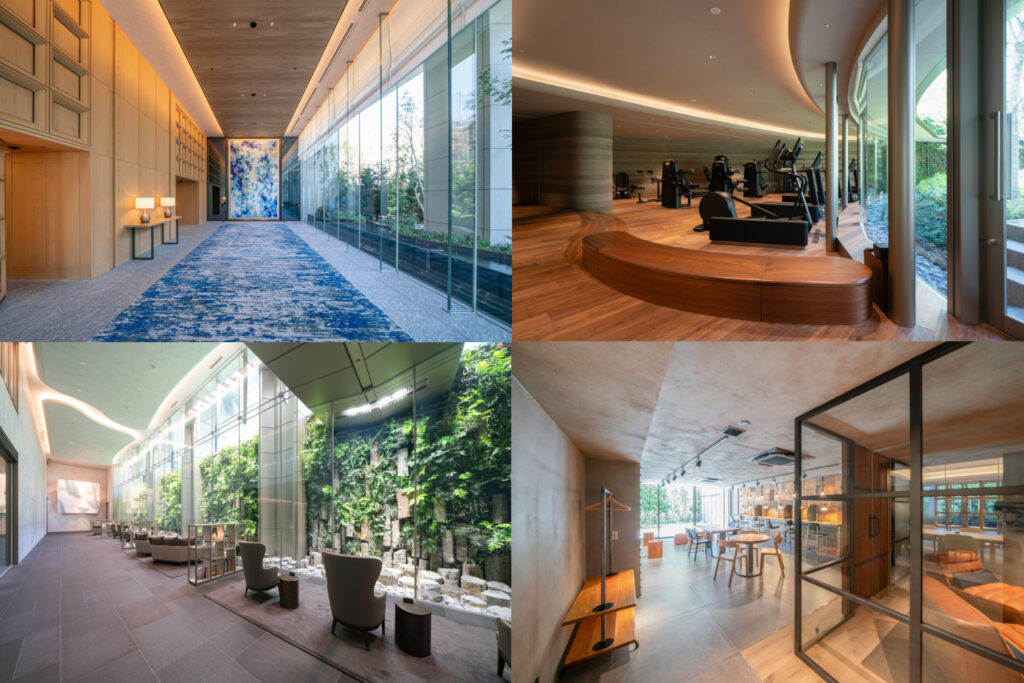
Monthly outgoings differ significantly between property types and are worth modelling carefully before you buy.
Condo owners pay two mandatory monthly fees in addition to any mortgage. The first is the management fee (kanrihi), which covers the day-to-day running of the building, cleaning, lighting of common areas, concierge or front desk staff, and building manager costs. The second is the repair fund contribution (shuzenhi tsumitatekin), which accumulates over years to fund large-scale future maintenance such as elevator replacement, facade waterproofing, or roof work. Combined, these typically range from around ¥15,000 to ¥50,000 or more per month depending on the building’s size, age, and facilities. Some of the most luxurious condos in Tokyo have combined fees of over ¥100,000 a month.
One risk specific to older or poorly managed condos is a special assessment levy, where the repair fund proves insufficient and all unit owners are asked to contribute a lump sum, sometimes several million yen, to cover costs. Checking the state of the repair fund and the quality of building management is essential when buying any used condo. A building with an underfunded repair account or a poorly organised management association can create unexpected financial exposure after purchase. This is another reason why it is so important to work with a trusted and experienced real estate firm.
House owners have no building fees, giving them lower fixed monthly outgoings. The trade-off is full personal responsibility for all repairs and upkeep. A roof in need of replacement, an ageing heating system, or exterior repainting falls entirely to the owner to arrange and pay for. A well-maintained house can be less expensive to run month to month than a condo, but owners need to be prepared for occasional large, unplanned costs.
Managing a property in Tokyo from overseas, or simply without the time to handle contractors, inspections, and maintenance coordination yourself, is where professional property management makes a real difference. Housing Japan’s property management service covers everything from routine maintenance and repair coordination to tenant management and regular inspections, giving owners peace of mind without the day-to-day burden. If you own or are considering buying a house or condo in Tokyo, speak with the Housing Japan team about how we can help protect and manage your asset.
How Do Houses and Condos Compare for Earthquake Safety?

Earthquake resilience matters to every buyer in Tokyo, and both property types can meet high seismic standards, but the specifics vary.
Japan revised its building code significantly in 1981 (the new seismic standard, or shinshin-taishin), and again in 2000 with stricter rules specifically for wooden houses. Any property built after these dates to current codes is considered to meet modern requirements. Buyers of properties built before 1981 should verify whether the building has been retroactively inspected or reinforced.
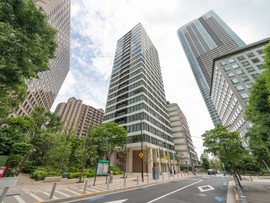
Modern high-rise condominiums in central Tokyo are frequently built to some of the most advanced seismic standards available. Many luxury towers incorporate base isolation systems (menshin kozo), which physically decouple the building from ground movement during an earthquake. Another is seismic damper systems (seishin kozo) that absorb energy throughout the structure. These technologies substantially reduce movement and damage during a major event. Developments such as those at Azabudai Hills and Toranomon Hills use these systems as standard with new developments, such as the Tsuji Redevelopment will be even more advanced.
Detached wooden houses vary more widely in their seismic performance depending on age and construction method. Post-2000 houses built to current code generally perform well. Owners of older homes can commission seismic reinforcement work (taishin hokyou kouji) to bring structures up to modern standards. Tokyo Metropolitan Government offers subsidies for certain reinforcement programmes, which is worth investigating if you are buying an older house.
For any property, asking for the seismic inspection certificate and, for older buildings, arranging an independent structural assessment gives buyers the clearest picture of what they are purchasing.
Which Holds Its Value Better Over Time?
Both property types have seen price growth in Tokyo in recent years, but at different rates and through different mechanisms.
Condominiums in well-located central wards have seen the stronger recent appreciation, as the MLIT index data above shows. The condo segment of the MLIT price index rose approximately 8.28% year on year as of mid-2025, compared to 0.52% for detached houses over the same period. REINS transaction data for 2024 recorded 37,222 existing condo contracts in the Tokyo metropolitan area, significantly more than detached house transactions, which reflects higher liquidity in the condo market and typically translates to faster sales when you come to sell.
Detached houses appreciate more slowly as buildings, but land is the stabilising factor. As a building ages and its structural value approaches zero, the land underneath it remains. In Tokyo’s central and semi-central wards, where land is scarce and consistently in demand. This can produce meaningful long-term asset value. A house in Setagaya or Meguro with a 100-square-metre plot may look like it has not appreciated much on paper, but the land component has quietly held or grown in value while the building depreciated. When the time comes to sell or rebuild, that land value is real.
The balance comes down to time horizon. Condos have tended to offer stronger short to medium-term price performance and higher transaction volumes. This can make them easier to sell when needed. Houses offer a more durable long-term asset through land, particularly for buyers who plan to hold for many years or pass property to the next generation. Neither is categorically better; they serve different needs.
The Growing Market for Luxury Villas in Central Tokyo
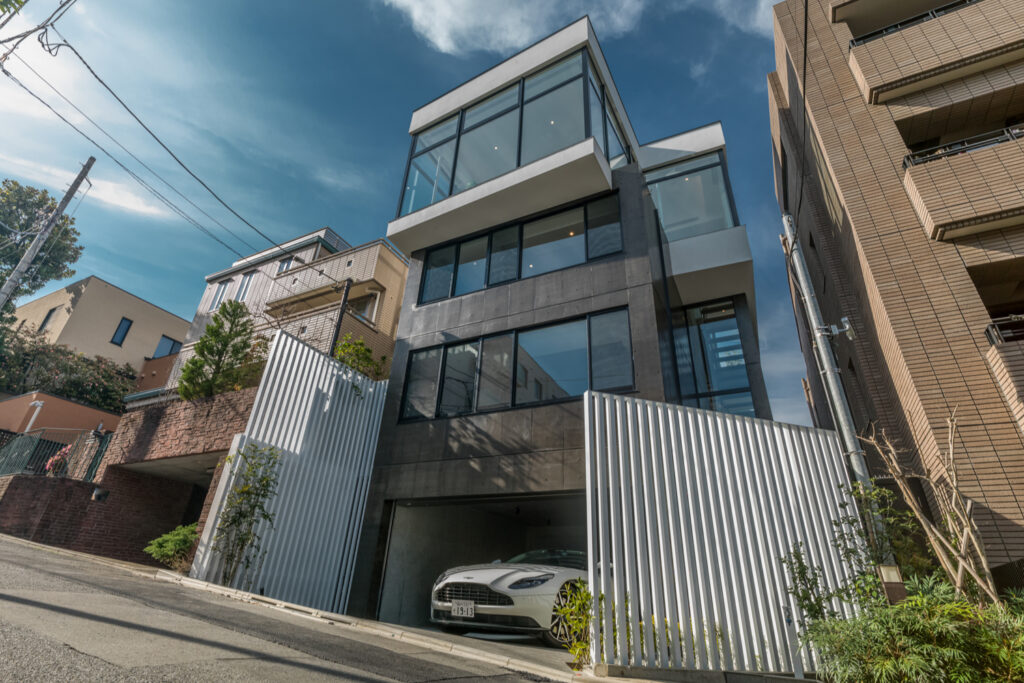
A third path sits between buying an existing condominium and purchasing a standard detached house, and it is one that Housing Japan is actively developing. Across central Tokyo’s most desirable neighbourhoods, a small but growing number of buyers are acquiring plots or older properties specifically to develop purpose-built luxury villas. These are standalone, architecturally designed homes with full land ownership, built to contemporary standards on some of Tokyo’s most sought-after streets.
The opportunity exists because central Tokyo still contains pockets of underutilised land; older wooden houses on good plots, sites freed up by inheritance, and small parcels in premium wards that have not changed hands in decades. As land prices in the 23 wards have risen consistently, the average residential land increase of 8.3% across the 23 wards in 2025, the case for acquiring and developing these sites has strengthened considerably.
What distinguishes a central Tokyo luxury villa from a standard kodate is the combination of location, specification, and design intention. These are not suburban houses. They sit in wards such as Minato, Shibuya, Meguro, and Shinjuku, within minutes of major stations. They are built to a level of finish and privacy that the apartment market cannot replicate. Full land ownership, private parking, bespoke architecture, high seismic specification, and the kind of space and outdoor privacy that tower condominiums simply cannot offer. This is the product that the top end of Tokyo’s residential market is increasingly asking for, particularly from international buyers and high-net-worth domestic purchasers looking for a primary residence or a managed second home in the city.
Housing Japan is developing properties at this level. Our involvement spans identifying suitable sites, overseeing development, and connecting buyers with completed or in-progress projects. For buyers interested in the development side, acquiring a plot and building to their own specification. Our team can advise on what is available, what the process involves, and how to approach planning and construction in central Tokyo.
This segment of the market is small by design. The supply of appropriate plots in genuinely central locations is limited, and that scarcity is part of what makes well-executed central Tokyo villas attractive over the long term. If this type of property is of interest, we encourage you to speak with our team directly.
Which Suits Your Lifestyle Better?

The financial comparison only tells part of the story. Day-to-day life in a condo and a house can feel quite different.
Condominiums are generally closer to central Tokyo stations and the concentration of offices, restaurants, and entertainment in the inner wards. This makes them a natural fit for professionals commuting to the city centre. This works for couples without children, or people who want urban convenience as a priority. Many modern condominiums include front desk or concierge services, automated parcel lockers, managed parking, and shared amenities such as lounges or fitness rooms. Privacy is more limited than in a house, noise can travel through floors, and structural changes to your unit require approval from the building association.
Houses offer more floor space, private outdoor areas, and the freedom to adapt the property to your changing needs. Families with children often find a house more practical: space to play indoors, a garden, and no concern about noise for neighbours below. Car ownership and storage is generally simpler at a house. The trade-off is typically distance, larger houses with gardens are mostly found in Tokyo’s outer wards or suburbs, which can mean longer or more complex commutes to central business districts.
For buyers who want more space than a typical condo but prefer not to be in the suburbs, a Japanese townhouse (taunhausu) is worth considering. These multi-floor properties offer individual land ownership, meaningful floor area, and often sit closer to station access than a standalone house in the same area.
Can Foreigners Buy Both Houses and Condos in Tokyo?
Yes. Japan places no legal restrictions on foreign nationals purchasing real estate of any type. Condominiums, detached houses, and land are all equally accessible to overseas buyers. The purchase process is broadly the same as for Japanese citizens.
From April 2024, amendments to Japan’s Real Property Registration Act require overseas buyers to register a domestic representative’s name and address when acquiring property. This is an administrative requirement rather than a restriction on buying, and it applies equally to new and existing property. Experienced real estate agents can advise on the practicalities.
Housing Japan has supported international buyers through the Tokyo property purchase process for 25 years. Whether you are looking at condos in Tokyo’s central wards, houses in residential neighbourhoods, or luxury properties in areas such as Azabu, Hiroo, or Minami-Aoyama, we can guide you from your initial search through to completion.
Which Is Right for You?
Rather than naming one option as better, the most useful approach is to match the property type to your situation. The table below reflects the patterns we see most consistently among buyers in Tokyo.
| Your priority or situation | Property type to consider |
| Walking distance to central Tokyo stations | Condominium |
| Maximum living space for a growing family | House or townhouse |
| Lower fixed monthly outgoings | House |
| Managed building security, concierge, and amenities | Condominium |
| Freedom to renovate, extend, or rebuild | House |
| Shorter expected ownership (under 10 years) | Condominium (higher liquidity) |
| Long-term land asset, potential to rebuild or pass on | House |
| Modern seismic protection technology in the building | New large condominium tower |
| Private outdoor space | House or townhouse |
There is no universally correct answer. A well-located, well-managed condominium in a central ward offers genuine convenience, security, and strong resale demand, qualities that matter to many buyers. A house with land in a desirable neighbourhood offers space, freedom, and a durable long-term asset that a condo simply cannot replicate. Both can be sound purchases, and both can be poor ones if the wrong building, location, or management quality is chosen.
If you are considering buying property in Tokyo, whether a condo for sale in a central ward, a detached house in a residential neighbourhood, or something more specific, Housing Japan’s team can help you understand what you are buying, what questions to ask, and what to watch out for. Get in touch to speak with one of our advisors.
A note on our approach
Housing Japan will only ever recommend a property or suggest a purchase if we believe it genuinely suits your situation, goals, and budget. Every buyer is different, and a property that works well for one person may be entirely wrong for another. Our advice is based on 25 years of experience in this market, and our reputation depends on giving you an honest view, not on closing a transaction. If something is not right for you, we will tell you.
Frequently Asked Questions
How much does a condo in Tokyo cost?
Prices vary significantly by ward, building age, and floor. New condominiums in Tokyo’s 23 central wards have averaged above ¥100 million for two consecutive years. The price per square metre for new builds reaching around ¥1.7 million in recent years. In premium central wards such as Minato or Chiyoda, new and recent luxury units regularly exceed ¥150 million. For existing condominiums across the broader Tokyo metropolitan area, the average was around ¥48.90 million in 2024, though central ward properties trade well above this.
How much does a house in Tokyo cost?
A detached house in central Tokyo with a meaningful land plot, say 80 to 150 square metres in Meguro, Setagaya, or Shibuya-ku, typically prices from ¥150 million to well above ¥200 million depending on plot size and proximity to a station. For exceptional plots large Villas can sell for over ¥1 billion in areas like Azabu Juban. For the broader Tokyo metropolitan area, existing houses averaged ¥39.48 million in 2024, reflecting the wider range of properties including those in outer wards and surrounding prefectures.
Do condos or houses appreciate more in Tokyo?
In recent years, condominiums have seen stronger price growth. The MLIT Nationwide Residential Property Price Index shows the condo segment growing at roughly 8% year on year as of mid-2025, while detached houses have grown at under 1% over the same period. Over the longer term, houses retain value through land ownership even as buildings depreciate. The right comparison depends heavily on location, purchase price, and how long you intend to hold the property.
What are the ongoing monthly fees for a condo in Tokyo?
Condo owners pay a monthly management fee (kanrihi) for building operations and a monthly repair fund contribution (shuzenhi tsumitatekin) for future large-scale maintenance. Combined, these typically run from around ¥15,000 to ¥50,000 or more per month depending on the building with supert luxury condos costing over ¥100,000 a month. Older or poorly managed buildings can also levy special assessments. The state of the repair fund and the quality of building management should always be checked before buying any existing condo.
Can I renovate a condo or house in Tokyo?
Detached house owners have full freedom to renovate, extend, or rebuild within standard planning regulations. Condo owners can renovate the interior of their individual unit but cannot alter structural elements, shared plumbing, or any part of the common areas. Major interior changes in a condo require approval from the building management association.
What is the difference between freehold and leasehold in Tokyo?
Freehold (shoyu-ken) means you own both the building and the land beneath it outright. Leasehold (shakuchiiken) means you own the building but pay ongoing rent to a separate landowner for the land. Leasehold properties are priced at a discount but involve continuing land rent costs and can be harder to finance and resell. Always confirm freehold or leasehold status; this applies to both houses and condominiums.
Can foreigners buy property in Tokyo?
Yes. Japan places no legal restrictions on foreign nationals purchasing real estate. Overseas buyers can purchase condominiums, detached houses, and land on the same terms as Japanese citizens. From April 2024, amendments to Japan’s Real Property Registration Act introduced a system requiring property owners who do not have an address in Japan to register the name and address of a domestic contact person when registering ownership. If the owner does not have a domestic contact person, the registration can still proceed by submitting a statement to that effect.
Data Sources Ministry of Land, Infrastructure, Transport and Tourism (MLIT), REINS (Real Estate Information Network for East Japan),