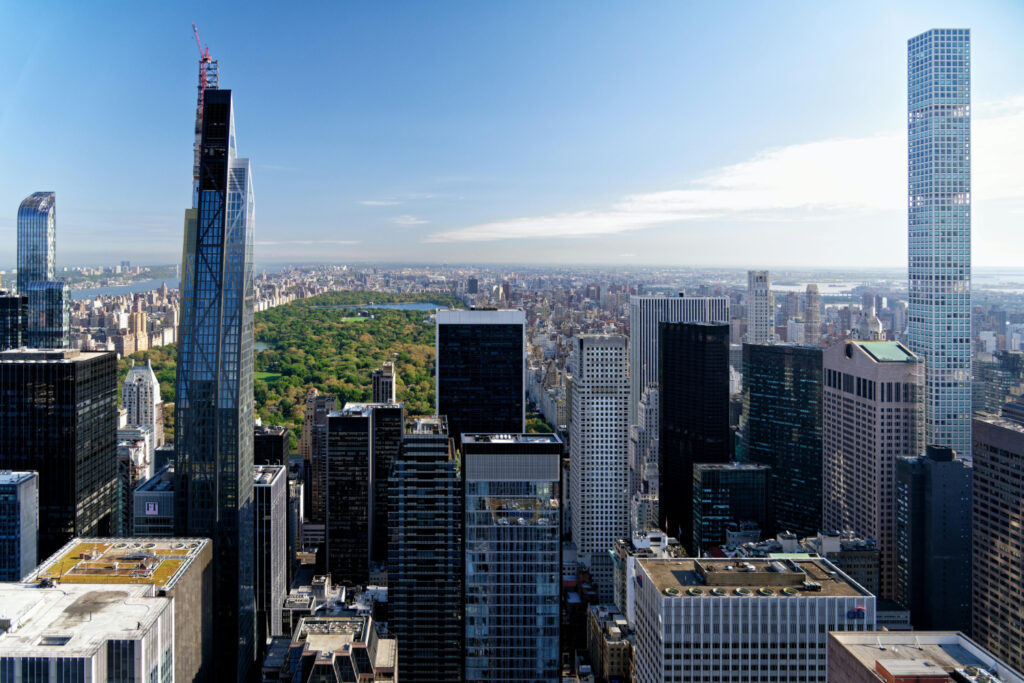
On April 15, 2026, New York Governor Kathy Hochul announced a proposal for a new annual surcharge on luxury second homes in New York City valued at $5 million or more. The tax is designed to target non-resident owners of high-end properties and is expected to raise at least $500 million a year for the city.
For anyone who owns, or is thinking about buying, a second home in a major global city, the proposal is worth paying attention to. It is part of a wider pattern in cities from Paris to Vancouver, where governments are turning to non-resident property owners as a revenue source. Tokyo, by contrast, has not yet moved in this direction. For international buyers comparing options, that difference is becoming part of the conversation.
What Governor Hochul Has Proposed
The proposal is called a pied-à-terre tax, a French term for a secondary residence that the owner uses only occasionally. It would allow New York City to apply a yearly surcharge on residential properties worth $5 million or more that are not the owner’s primary home and are not rented to a full-time tenant or occupied by the owner’s family.
According to the Governor’s office, the tax would generate at least $500 million a year in recurring revenue for the city and help close a significant budget gap. In her announcement, Governor Hochul said, “If you can afford a $5 million second home that sits empty most of the year, you can afford to contribute like every other New Yorker.”. She also compared the idea to policies already in place in Paris and Toronto.
The proposal still needs to pass through the New York State Legislature as part of the state budget process. If approved, it would be the first tax of this kind in New York State.
Source: Governor Hochul’s Office Press Release, April 15, 2026
Why This Matters Beyond New York
The New York proposal is not happening in isolation. Several cities have already moved to tax non-primary or vacant homes in recent years. Paris applies a residence secondaire surcharge on second homes, Toronto has a Vacant Home Tax, and Vancouver has its Empty Homes Tax. The common thread is that cities under fiscal pressure are looking at property held by non-residents as a way to raise revenue without raising taxes on local voters.
For people who own homes across multiple countries, this trend changes the calculation. A second home that felt like a simple lifestyle asset a few years ago may now come with layered annual charges, vacancy rules, and reporting requirements. Owners are increasingly asking where they can hold property without that uncertainty.
How Tokyo’s Approach Compares
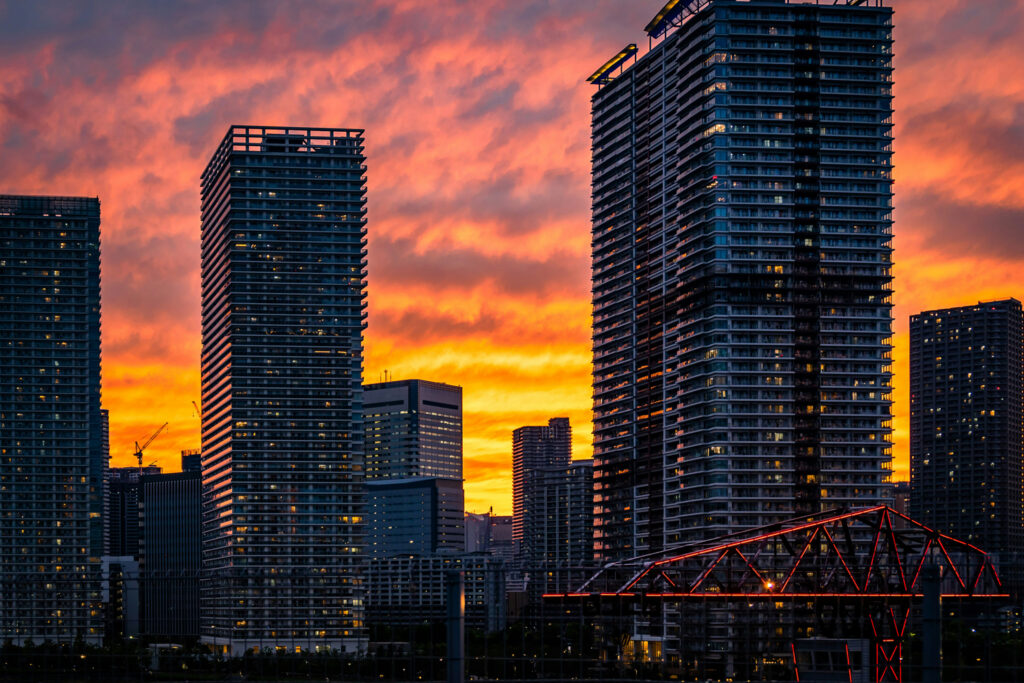
Tokyo takes a different approach. Japan does not have a pied-à-terre tax, a vacancy tax on luxury homes, or a surcharge that applies specifically to non-resident owners. Foreign buyers pay the same property taxes as Japanese buyers, with no nationality-based add-ons.
The two main annual taxes on property in Tokyo are the fixed asset tax (koteishisanzei) at 1.4% and the city planning tax (toshikeikakuzei) at 0.3%. Both are applied to the government’s assessed value of the property, which is typically lower than the market price. The effective annual cost to an owner generally lands well below what owners face in New York or London on a like-for-like property.
Japan’s capital gains tax also rewards longer-term ownership. Properties sold within five years are taxed at 39.63%, but that rate drops to 20.315% for properties held longer than five years. For second-home owners who plan to hold rather than flip, this is another layer of predictability.
This structure also has a broader effect on the market itself. Because the tax penalty for selling early is steep, owners are naturally inclined to hold for longer periods. That means fewer properties come to market in a rush, which limits the kind of sudden supply spikes that can push prices down in other cities.
In Tokyo’s prime residential areas, where supply is already limited by geography and zoning, this holding pattern has contributed to steady price movement over time rather than the sharp cycles seen in markets like Dubai or parts of London.
At a Glance: The Key Differences for a Second Home Owner
| New York (if passed) | Tokyo | |
|---|---|---|
| Tax on non-primary second homes | Proposed annual surcharge on homes $5M+ | No second-home surcharge |
| Foreign buyer surcharge | None | None |
| Annual property tax basis | 12.5% of assessed value (Class 2, FY2024/25) | 1.4% fixed asset tax + 0.3% city planning tax, on assessed value |
| Vacancy-based tax | Proposed, tied to non-primary use | None |
| Assessment cycle | Annual | Three-year cycle |
Beyond the proposed surcharge, the existing annual tax gap is already significant. New York’s annual property tax rate for residential condos and co-ops is 12.5% of assessed value. Because assessed values are usually lower than market price, a $1 million Manhattan condo might carry an annual bill of $6,000 to $15,000 depending on assessment and any abatements.
In Tokyo, the fixed asset tax of 1.4% and city planning tax of 0.3% are also applied to government-assessed values. The effective annual rate on a central Tokyo property typically works out to 0.2–0.5% of what you actually paid. On a $1 million property, that means roughly $2,000 to $5,000 a year. If the pied-à-terre surcharge is approved, non-resident owners in New York would pay this new charge on top of their existing annual bill, widening a cost gap that already favors Tokyo.
For a full side-by-side comparison of tax costs in Tokyo, London, New York, Singapore, Hong Kong, and Dubai, see our detailed guide: How Tokyo Property Tax Compares for Foreign Buyers.
What This Could Mean for Global Buyers

Tokyo is often overlooked in conversations about luxury pied-à-terre ownership, with New York, London, and Paris typically taking centre stage. But for owners watching tax rules tighten across those markets, Tokyo has practical advantages that deserve a closer look.
The first is equal treatment. A buyer from overseas pays the same purchase and annual taxes as a Japanese national, with full freehold title and no special zones or ownership restrictions. The second is predictability. Annual tax rates have been stable for years and assessment updates happen on a set schedule.
For buyers who already own property in a city like New York or London and are thinking about where to place their next purchase, the absence of layered non-resident taxes in Tokyo is a practical advantage rather than a talking point. It makes the long-term cost of holding easier to model, and removes one category of risk from the decision.
Tokyo also offers the broader picture that most global cities struggle to match: a stable legal system, a deep and liquid prime residential market, strong public infrastructure, and a quality of daily life that international residents consistently rate highly.
Considering Tokyo for Your Next Property Purchase?
Housing Japan is an investment and luxury real estate broker in central Tokyo with 25 years of experience. Our multilingual team offers end-to-end service for international clients, covering purchase, sale, rental, and full property management. We work with buyers based anywhere in the world who want a trusted partner on the ground in Tokyo.
Q&A
What is New York’s new pied-à-terre tax on luxury second homes? It is a proposed annual surcharge on second homes in New York City valued at $5 million or more. Announced by Governor Kathy Hochul on April 15, 2026, the tax would apply to properties that are not the owner’s primary residence and are not rented to a full-time tenant or occupied by the owner’s family. It is expected to generate at least $500 million a year for the city and still requires approval from the New York State Legislature.
Does Japan have a tax like the proposed New York pied-à-terre surcharge? No. Japan does not have an annual surcharge on second homes or vacant luxury properties. Foreign and non-resident owners pay the same property taxes as Japanese residents.
What are the main annual property taxes in Tokyo? The fixed asset tax at 1.4% of assessed value and the city planning tax at 0.3% of assessed value. Assessed values are typically lower than market price.
Can a non-resident buy a home in Tokyo? Yes. Japan places no nationality-based restrictions on buying residential property for most nationalities, and non-residents receive the same full freehold title as Japanese nationals.
Will the New York pied-à-terre tax definitely take effect? Not yet. As of April 2026, it is a proposal put forward by Governor Hochul. It would need to pass through the New York State Legislature before New York City could apply it.
Are other cities introducing similar taxes to New Yorks New pied-à-terre tax on luxury second homes? Several already have. Paris applies a surcharge on second homes, Toronto has a Vacant Home Tax, and Vancouver has an Empty Homes Tax. The proposed New York tax would be New York State’s first measure of this kind.