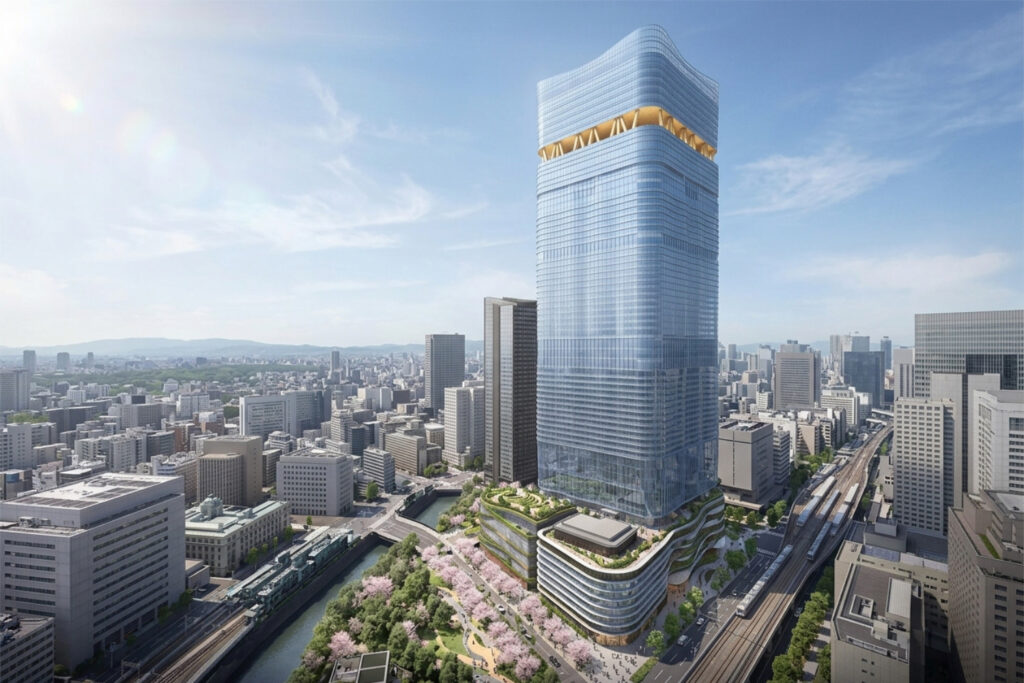
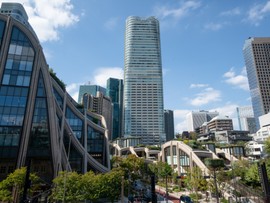
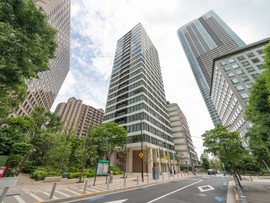
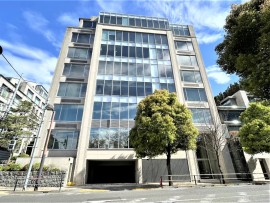
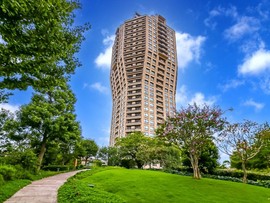
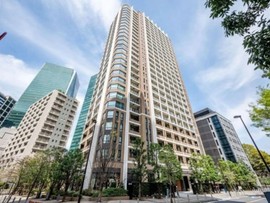
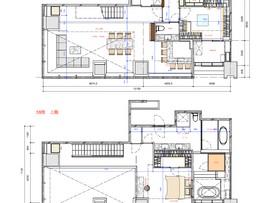
Tokyo’s two most prestigious property types serve different lives. Penthouses offer panoramic city views, hotel-grade amenities, and lock-up-and-leave convenience in Minato and Shibuya. Private villas offer land ownership, garden space, architectural freedom, and a high degree of privacy. The right choice depends on how you live, not simply how much you spend.
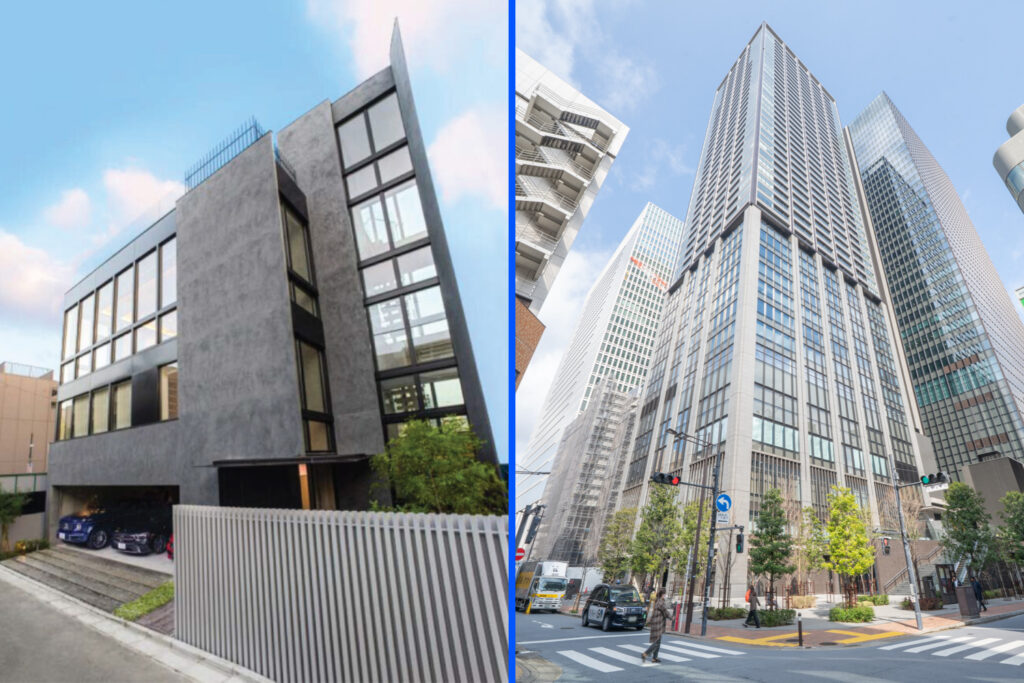
Penthouse vs Villa at a Glance
| Feature | Penthouse (condominium) | Private villa (detached house) |
|---|---|---|
| Ownership type | Strata title (区分所有) | Freehold (所有権) |
| What you own | Your unit plus a proportional share of the land and common areas | The whole plot of land and the building on it |
| Control over changes | Limited; common-area and structural work needs owner-association approval | Broad, within zoning rules, you can rebuild or extend |
| Governance | Owners’ association (管理組合), majority votes, AGMs | None; decisions are the owner’s alone |
| Maintenance | Handled by building management | Arranged and funded by the owner, unless using a property management service* |
| Recurring costs | Management fee (管理費) + repair reserve (修繕積立金), set by the association | Variable; no shared fees, but the owner covers all repairs |
| Outdoor space | Terraces and balconies and shared roof top areas. | Garden, courtyard, parking, private rooftop terrace. |
| Privacy | Shared building and entrances | Standalone, no shared walls |
| Typical locations | Roppongi, Azabu, Hiroo, Aoyama, Shibuya | Setagaya, Meguro, Shibuya, Minato |
| Resale | Can be Faster; larger buyer pool | Can be Slower; smaller buyer pool, valued case by case |
| Suits | Internationally mobile buyers wanting a managed, lock-up-and-leave home | Long-term residents and families wanting space and land |
*Housing Japan offers full, comprehensive property management service for investment and holiday homes in Japan. See the offering – > Here
What is the fundamental difference between a Tokyo penthouse and a private villa?
A penthouse is a strata-title apartment on the uppermost floor or floors of a condominium building, with shared common areas and professional building management. A private villa is a standalone detached house on a separately titled plot of land, giving the owner full control of both the building and the ground beneath it.
Under Japan’s 区分所有法 (Act on Building Unit Ownership), first enacted in 1962, with its last major revision in 2002 and a further reform passed in May 2025 (effective April 2026), a condominium buyer owns their individual unit plus a proportional share of the building’s common areas and the land beneath it. This is called 区分所有 (strata title). A villa buyer, by contrast, holds 所有権, outright land title, over a separately registered parcel. The structure and the ground are both entirely theirs.
This legal distinction has real consequences. It affects what you can renovate without permission, how the property would be redeveloped at the end of its useful life, and how easily a future buyer can value what they are purchasing. In Tokyo’s luxury market, the word “villa” means a high-specification freehold detached residence used as a primary or long-term home, not a holiday property. That separates it clearly from seasonal resort properties in Karuizawa, Niseko or Hakuba, which are a different market.
Some boutique developments, small blocks of four to eight units on freehold land, sit somewhere between these two categories in feel. Under Japanese law, however, they are classified as condominiums and governed by the same Act on Building Unit Ownership as a large high-rise tower.
What does penthouse living in Tokyo actually offer?
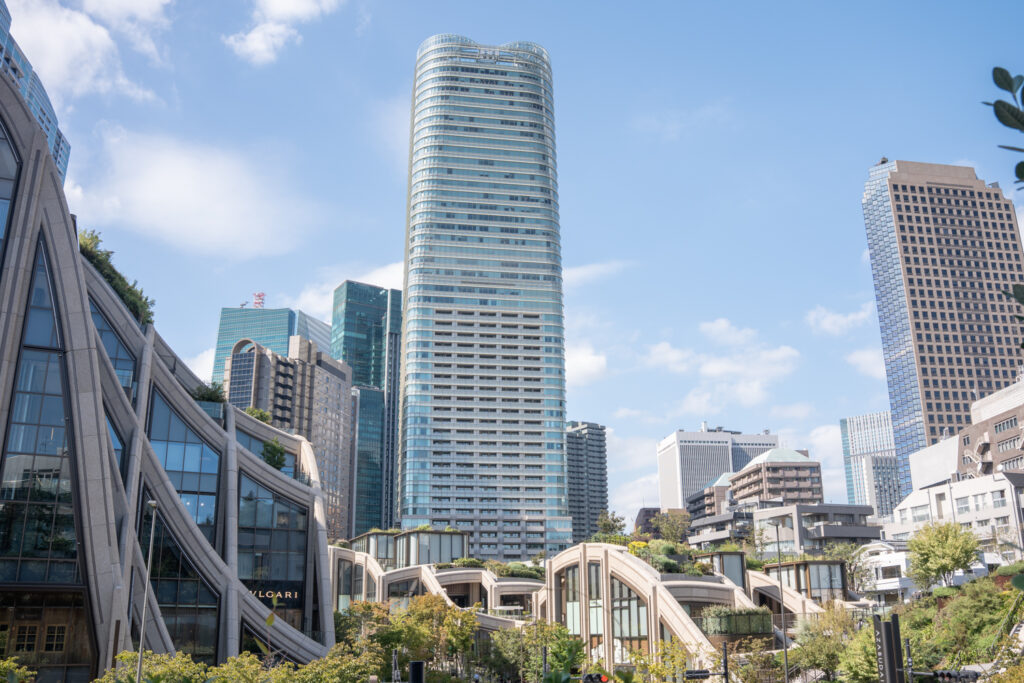
A luxury penthouse in Minato or Shibuya delivers panoramic city views, concierge-level building services, strong security, and a well-known address, with no personal responsibility for exterior maintenance or common area upkeep.
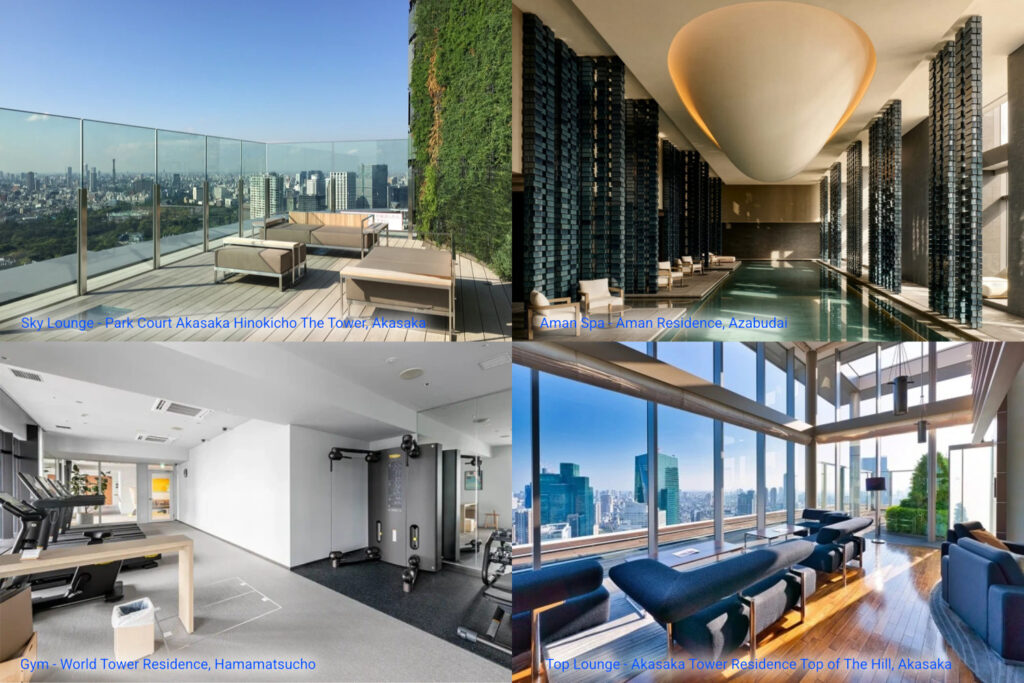
The upper floors of towers in Roppongi, Azabu-Juban, Hiroo, Aoyama, and Shibuya offer unobstructed skyline sightlines, and in some cases clear views of Mt. Fuji on fine days. High-specification buildings in these areas typically include concierge desks, sky lounges, spas and sauna suites, private dining rooms, fitness centres, indoor pools, and valet parking. Many also provide guest rooms for visiting friends and family, libraries and co-working lounges, screening rooms, golf simulators, and landscaped rooftop terraces.
These amenities are shared common areas (共用部分), open to every resident of the building rather than attached to any single apartment, and they are run and maintained by the owners’ association through the monthly management fee. The sky lounge, the spa, the gym, and the view lounge are spaces a penthouse owner shares with their neighbors, not private rooms within the home, a clear contrast with a villa, where comparable space sits inside the owner’s own grounds. Security is managed through 24-hour staffed reception, card-key or biometric access systems, and CCTV throughout common areas, a practical draw for international executives and buyers who value privacy.
The lock-up-and-leave quality matters most to buyers who spend significant time outside Japan. Building staff handle security, maintenance scheduling, and general oversight whether the owner is in residence or not. That operational simplicity is difficult to replicate in a standalone house.
True penthouses are distinct from high-floor units in the same building. Private lift lobbies, increased ceiling heights, wraparound terraces, and occasionally double-height living spaces mark the difference in practice.
Which Tokyo addresses command the highest penthouse premiums?
Azabu, Hiroo, Motoazabu, Minami-Aoyama, and Shibuya account for a substantial share of Tokyo’s luxury condominium supply at the upper end of the market. Proximity to international schools, including the American School in Japan and the British School in Tokyo, combined with embassy districts and international medical facilities, supports consistent demand from corporate executives on expatriate packages.
Waterfront towers in Toyosu and Harumi offer newer stock and, in some cases, larger floor areas. They sit at different price points and attract a distinct buyer profile. What they do not carry is the established residential reputation of central Minato-ku addresses, which decades of demand have made a reference point for luxury condominium living in Tokyo.
What does private villa ownership in Tokyo offer that a penthouse cannot?
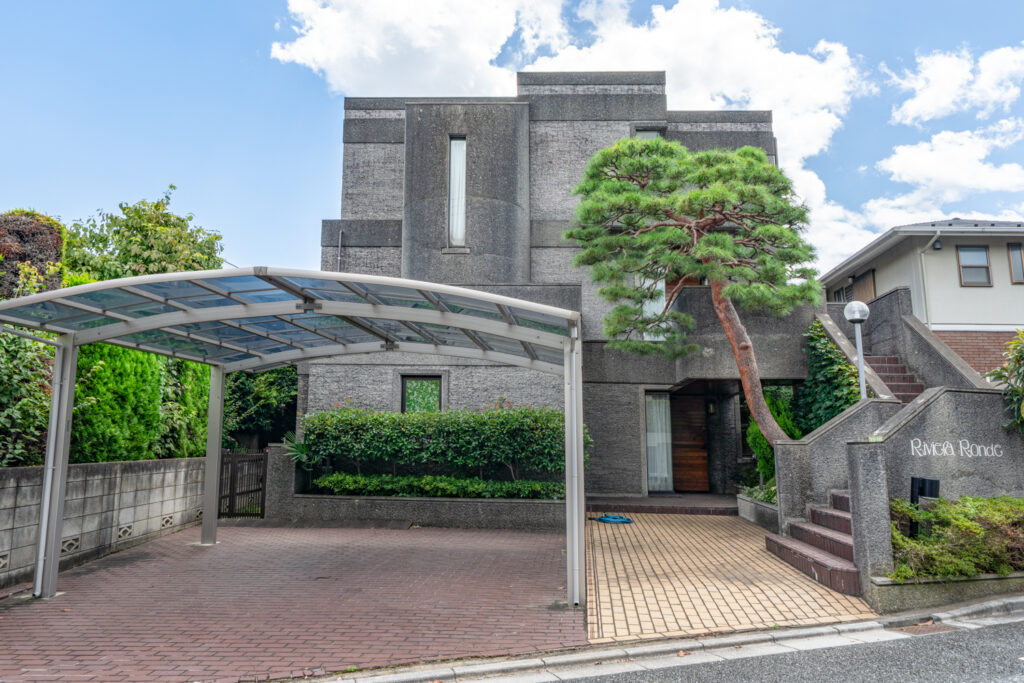
A private villa gives the buyer outright ownership of land, physical separation from neighbors, no shared building governance, and the freedom to design, rebuild, or extend the property according to personal vision, within Tokyo’s zoning rules.
Land ownership (土地所有権) is the defining feature. A villa buyer holds the land parcel as a separate registered asset. This is a different asset class from a proportional land share within a strata condominium, with different long-term planning implications. The owner can commission a full rebuild or significant extension without requiring approval from a co-owners’ association, subject to the 建蔽率 (building coverage ratio) and 容積率 (floor area ratio) set under the City Planning Act and Building Standards Act, along with any height restrictions and ward-level planning conditions that apply to the specific plot.
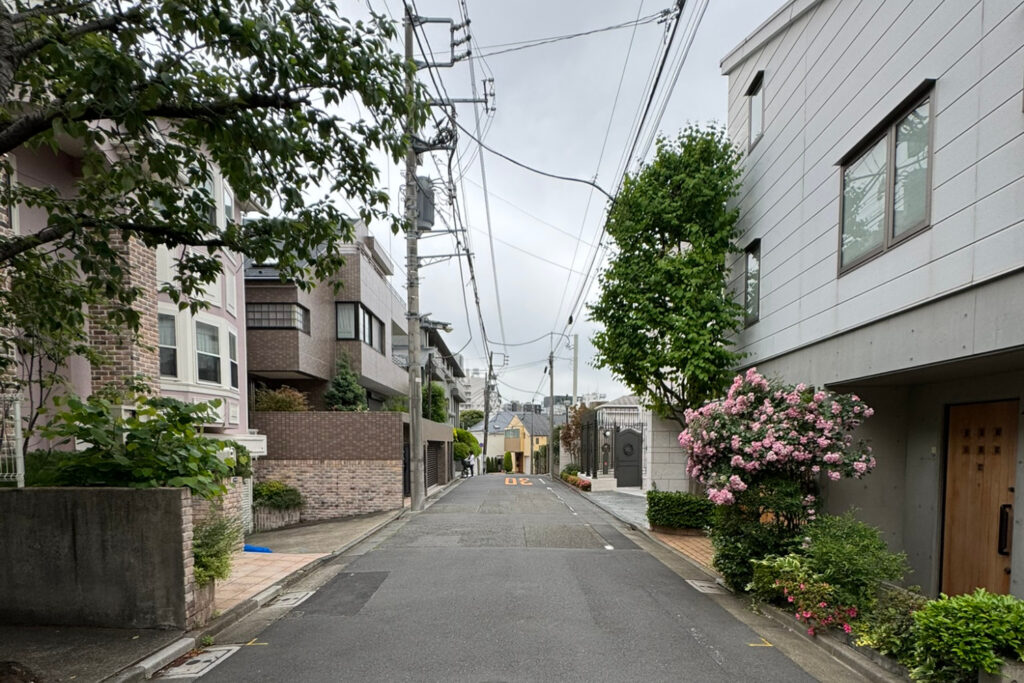
The practical differences from penthouse living are significant. A villa can accommodate a mature garden, private courtyard and private garages/motor court. These are not realistic options within a high-rise condominium. Multi-generational living and dedicated home office space are also more naturally suited to a detached footprint.
There is also a governance dimension. Villa owners have no building AGM (管理組合), no majority votes required to make decisions about their property, and no sinking fund assessments tied to shared infrastructure they did not choose. All maintenance decisions are made by the owner, on the owner’s timeline.
The supply of large-plot detached houses in central Tokyo wards is limited. Setagaya, Meguro, Shibuya, and Minato are the primary districts where buyers look for this type of property.
Land prices in these wards are high and vary widely. MLIT’s 2025 Land Price Publication (公示地価, valued as of 1 January 2025) puts the average residential land price in Minato-ku at about ¥2.58 million per square meter, second only to Chiyoda-ku at roughly ¥3.28 million among Tokyo’s 23 wards. Setagaya, a long-established family-house district, is more accessible, with a ward average closer to ¥830,000 per square meter, part of why larger plots are easier to find there. Meguro and Shibuya fall between these levels for residential land. Because a villa buyer pays for the land outright, plot size has a direct effect on the total cost.
Source: MLIT Land Price Publication (地価公示), 2025.
Housing Japan is currently developing eight detached luxury villas in central Tokyo, each with a large floor plan and its own private garage, in established central residential districts. Buyers interested in this type of home can register their interest on our registration page.
How do total costs of ownership compare between a Tokyo penthouse and a private villa?
Penthouses carry predictable but ongoing monthly costs, management fees, sinking fund contributions, and building charges, while villa owners bear the full cost of maintenance and capital repairs themselves, but have no shared governance overhead.
For penthouse owners, the two key recurring costs are 管理費 (kanri-hi, the monthly building management fee) and 修繕積立金 (shuuzen tsumitate-kin, the repair sinking fund contribution). These are set by the owners’ association and are non-negotiable. In high-specification buildings with amenity floors, concierge desks, and pools, these fees are higher than in standard condominiums. Parking is typically charged separately on top. For a guide on how Japan property taxes apply across property types, see our dedicated overview.
For villa owners, maintenance costs are variable and owner-controlled. Garden upkeep, structural maintenance, exterior repainting, and private security arrangements are all direct expenses. Periodic large capital items, roof replacement, exterior waterproofing, plumbing and electrical upgrades, must be funded entirely by the owner rather than pooled through a sinking fund. The cost can be higher or lower than condominium equivalents depending on the property and the owner’s choices, but the financial responsibility sits entirely with them.
Both property types attract the same purchase taxes. According to the National Tax Agency (国税庁), 登録免許税 (registration and licence tax) is charged at 0.4% of assessed value for the ownership registration of a new build. On a secondary-market purchase, the transfer of a building is taxed at 2.0%, while the transfer of land carries a reduced rate of 1.5%, in effect until 31 March 2029. The Tokyo Metropolitan Government confirms that 不動産取得税 (real estate acquisition tax) applies at 3% of assessed value on residential land and buildings. Stamp duty (印紙税) applies to both transaction types.
On an annual basis, the Ministry of Internal Affairs and Communications sets the standard 固定資産税 (fixed asset tax) rate at 1.4% of assessed value, with 都市計画税 (city planning tax) at a maximum of 0.3%, both applying in most central Tokyo wards. Villa owners pay these on the full land parcel. Penthouse owners pay on their proportional land share within the strata title, which is typically a smaller assessed base.
How do resale and rental considerations compare between a Tokyo penthouse and a private villa?
Penthouses in prime central wards generally offer faster resale due to a larger pool of potential buyers, while private villas command higher absolute values but trade in a thinner, slower market. Villas are less often rented out.
Condominium resale benefits from easier comparative valuation. Transaction records on REINS (レインズ), the official property database run by Japan’s four regional real estate distribution organisations (指定流通機構) under the land ministry, allow buyers and agents to benchmark penthouse values against recent comparable sales in the same building or postcode. Settlement timelines tend to be faster as a result.
Villa resale involves a smaller buyer pool and a more complex valuation process. Land shape, plot size, architectural condition, and address all carry significant weight. Marketing periods tend to be longer. That said, well-located villas in Azabu, Shibuya and other established central wards attract motivated buyers with a long-term ownership intent, and competitive situations do arise for well-presented properties.
On the rental side, furnished penthouses in Minato and Shibuya draw corporate tenants and expatriate executives whose company housing allowances support higher monthly rents. Villas are less commonly offered for rent at this level; the high purchase cost relative to achievable rent makes letting them out less common, and many are held as owner-occupied or left vacant by overseas owners between visits.
Government figures show condominium and detached-house prices have not moved in step. The Ministry of Land, Infrastructure, Transport and Tourism (MLIT) publishes a Real Estate Price Index that measures prices against a 2010 baseline of 100. By July 2025, Tokyo’s condominium index had reached 227.7, meaning prices had more than doubled since 2010. The detached-house index stood at 132.9 over the same period, a much smaller rise, while residential land sat at 144.8.
The same pattern holds across the wider Southern Kanto region, where the condominium index reached 216.6 against 122.5 for detached houses. This long-run gap helps explain why penthouses in central wards tend to resell more readily, though movement in an index does not predict how any single property will perform.
Source: MLIT Real Estate Price Index (不動産価格指数), July 2025 release.
Neither property type should be approached as a short-term trading play. Both carry Japan’s standard capital gains tax framework, and long-term holding periods of five years or more attract lower rates under the short-term versus long-term capital gains distinction in Japan’s income tax law.
Who is each property type best suited for?
Penthouses suit internationally mobile buyers who value more central areas, building security, and zero-maintenance convenience. Private villas suit established families and long-term Tokyo residents who want space, privacy, direct land ownership, and the ability to shape their home over decades.
The penthouse buyer is typically a single person or couple, often travelling frequently, who needs a property that runs itself between visits. Building staff handle security, mail, and all common area maintenance.
The villa buyer tends to have a longer-term Tokyo commitment, sometimes with school-age children, a preference for garden space and room to entertain, and a desire for architectural control that no condominium governance structure can offer. The absence of shared walls or shared decision-making suits buyers who want their home entirely on their own terms.

What should buyers know before purchasing either property type in Tokyo?
Both property types require careful due diligence on legal title, building or land condition, zoning restrictions, and tax structure. Foreign buyers also need a clear understanding of Japan’s purchase process, which is open but has specific steps.
Japan places no legal restriction on foreign nationals purchasing real estate of either type. No special permit is required at the point of purchase. For a full walkthrough of the process, see our guide to buying property in Japan as a foreign national. Non-resident buyers generally cannot access Japanese bank mortgages, so purchases at this price point are typically made in cash or using overseas financing.
For penthouses, due diligence should include a review of the 管理組合 (owners’ association) meeting minutes, the current sinking fund balance, building inspection records, and the 重要事項説明書 (important matters explanation document) that a licensed agent must provide before any purchase proceeds.
For villas, buyers should commission a soil contamination survey (土壌汚染調査) on older sites, arrange a structural inspection (既存住宅状況調査), confirm the applicable zoning category, and check for road setback obligations under Article 42 of the Building Standards Act, these can reduce the effective buildable area of a plot.
Earthquake resilience is worth examining for both property types. MLIT sets out two key milestones: Japan’s revised seismic standard (新耐震基準, 1981) and the enhanced standard introduced in 2000 (2000年基準). Properties built to or upgraded to the post-2000 standard offer a high level of resilience. For older villas, a seismic retrofitting assessment (耐震補強) is advisable before purchase.
Japanese inheritance tax (相続税) applies to Japan-located assets regardless of the heir’s nationality. Real estate is assessed using official valuations, 路線価 (road-side land price) for land and 固定資産税評価額 (fixed asset tax assessed value) for buildings, which are generally below market value. This can make property a tax-efficient part of an estate plan, but the interaction with overseas inheritance regimes is complex. Buyers should seek advice from a Japanese tax accountant (税理士) with international experience before structuring a purchase.
Frequently Asked Questions
Can foreigners buy a penthouse or villa in Tokyo?
Yes. Japan imposes no legal restrictions on foreign nationals purchasing real estate, whether a condominium penthouse or a freehold villa. There are no special permits required at the point of purchase. Foreign buyers should note that Japanese mortgage financing is generally unavailable to non-residents, so purchases at this level are typically made in cash. Buyers will need a Japanese bank account for the settlement process and should engage a licensed 宅地建物取引士 (registered real estate transaction agent) to handle the 重要事項説明書 disclosure. Some real estate brokers, such as Housing Japan, offer temporary bank accounts
What are the monthly costs of owning a luxury penthouse in Tokyo?
Monthly ownership costs for a luxury Tokyo penthouse include 管理費 (building management fee) and 修繕積立金 (sinking fund contribution), which together in high-specification buildings can range from ¥50,000 to well over ¥200,000 per month depending on floor, size, and amenity level. Parking fees are often charged separately. Buildings with amenity floors, concierge desks, and indoor pools carry materially higher fees than standard condominiums. These fees are set by the 管理組合 (owners’ association) and can increase over time as the building ages and reserve fund requirements grow.
Do I own the land when I buy a Tokyo condominium penthouse?
You own a proportional share of the land beneath the building under Japan’s 区分所有法 (Act on Building Unit Ownership), not the land parcel itself. This share is determined by your unit’s floor area relative to the total building. A private villa buyer, by contrast, owns the land parcel outright as a separate title. The distinction matters for long-term asset planning. When a condominium building reaches the end of its useful life, decisions about demolition or redevelopment require a supermajority vote of the owners’ association, the individual unit owner cannot act unilaterally, unlike a villa owner on freehold land.
Which is better for resale, a Tokyo penthouse or a private villa?
Penthouses in Minato and Shibuya wards typically offer faster resale due to a larger pool of buyers, easier comparative valuation through REINS transaction records, and strong corporate tenant demand if leased while on the market. Private villas trade in a thinner market but attract motivated, long-term buyers willing to pay for exclusivity and land ownership. Neither property type should be purchased primarily as a short-term resale play. Both are subject to Japan’s standard capital gains tax framework. Long-term holding periods of five years or more attract lower tax rates under the short-term versus long-term capital gains distinction in Japan’s income tax law.
How does Japanese inheritance tax affect luxury property owners?
Japanese inheritance tax (相続税) applies to Japan-located assets regardless of the heir’s nationality or residence. Real estate is assessed for inheritance tax purposes using official valuations, typically the 路線価 (road-side land price) for land and the 固定資産税評価額 (fixed asset tax assessed value) for buildings, which are generally below market value. This assessed-value basis can make real property a tax-efficient vehicle within an estate plan compared to cash or listed securities, but the interaction with overseas inheritance regimes is complex. Buyers are strongly advised to seek specialist advice from a Japanese tax accountant (税理士) with international estate planning experience.
What is the difference between a Tokyo villa and a Karuizawa or Hakone villa?
In the Tokyo luxury market, “villa” refers to a high-specification freehold detached residence within the city, in wards such as Setagaya, Meguro, Shibuya, or Minato, used as a primary or long-term residence. Karuizawa, Niseko and Hakuba villas are seasonal resort properties, in mountain or onsen destinations used for weekends and holidays. The two categories serve very different lifestyle purposes and carry distinct ownership structures, price dynamics, and usage patterns. Housing Japan works across both the urban Tokyo villa market and resort property segments and can advise on the appropriate structure for each.
Penthouse or villa: let’s find what fits
The right choice depends on how you want to live in Tokyo, not just the budget. Housing Japan is a licensed brokerage that has specialised in central Tokyo luxury residential real estate for over 25 years. Co-founded by an expat and staffed by a multilingual team, we understand the questions international buyers ask. Our team can talk you through both options, the buying process, the running costs, and the homes currently for sale, and our property management service can look after your home whether you are in Tokyo or abroad.