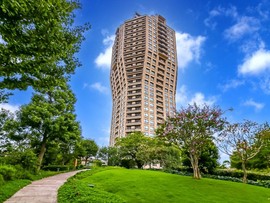
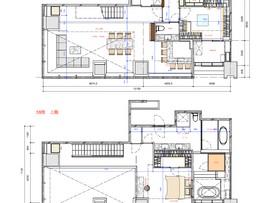
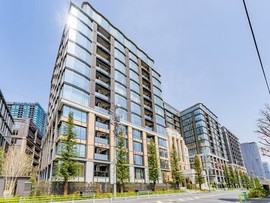
Tokyo’s most popular neighbourhoods for expat families cluster in the central and south-western wards. Hiroo and Azabu offer a high concentration of international schools and an established diplomatic community. Daikanyama and Ebisu suit younger, design-minded families, while Setagaya, Denenchofu, and Meguro provide more space and quieter streets. All five sit within a manageable commute of Tokyo’s central business districts.

Tokyo’s family neighbourhoods at a glance
- Expat families in Tokyo concentrate in five wards: Minato (Hiroo and Azabu), Setagaya, Ota (Denenchofu), Shibuya (Daikanyama and Ebisu) and Meguro.
- Public park area per resident (Tokyo Metropolitan Government, April 2024): Minato-ku 4.27 ㎡, Ota-ku 3.98 ㎡, Shibuya-ku 3.09 ㎡, Setagaya-ku 2.86 ㎡ and Meguro-ku 1.71 ㎡, against a 23-ward average of 3.95 ㎡.
- Tokyo’s 23 wards had a combined population of about 9.8 million as of April 2024. Setagaya-ku is the most populous, with more than 940,000 residents.
- International schools in or beside the Hiroo–Azabu corridor (Minato-ku and Shibuya-ku) include Nishimachi International School, the British School in Tokyo (Azabudai Hills primary campus) and the International School of the Sacred Heart in Hiroo.
- International schools in Setagaya-ku include St. Mary’s International School (boys), Seisen International School (girls) and the British School in Tokyo’s Showa secondary campus.
- From Hiroo, the Tokyo Metro Hibiya Line reaches Kasumigaseki in about 8 minutes; Daikanyama and Ebisu are 2–3 minutes from Shibuya.
- Hiroo, Azabu and Daikanyama are predominantly apartment neighbourhoods, while Denenchofu and parts of Setagaya offer detached houses (ikkodate) with gardens.
Why does neighbourhood choice matter so much for families moving to Tokyo?
For expat families, the neighbourhood you choose in Tokyo determines your children’s school options, your daily quality of life, and how quickly your family settles in. Tokyo is a vast city of 23 wards and around 9.8 million people, and the difference between a good fit and a poor one can come down to a single ward boundary.
Tokyo is exceptionally safe by global standards. Low violent crime, clean public spaces, and a reliable transport network make it a strong city for family life across the board. The real differences between neighbourhoods come down to more specific things: proximity to international schools, access to green space, walkability, English-language amenities, and commute times. These vary significantly even within a short distance. According to the Tokyo Metropolitan Government Bureau of Construction, the average public park area across all 23 wards is 3.95 ㎡ per person as of April 2024, but that figure masks real variation between areas.
Expat families tend to settle in a recognisable arc running from Minato-ku south-west through Shibuya-ku into Setagaya-ku and Ota-ku. This is where the infrastructure for international family life is most established. The five neighbourhoods below represent where the majority of internationally mobile families land, and why.

How do Tokyo’s family neighbourhoods compare?
The table below summarises how the five neighbourhoods compare on green space, property type, nearby international schools, and access to central Tokyo. Each area is covered in detail in the sections that follow.
| Neighbourhood (ward) | Public park area per resident | Typical property | International schools in or near | Commute to central Tokyo |
|---|---|---|---|---|
| Hiroo & Azabu (Minato) | 4.27 ㎡ | Mainly high-specification apartments | Nishimachi; British School in Tokyo (Azabudai primary); International School of the Sacred Heart (Hiroo) | Hibiya Line to Kasumigaseki ~8 min |
| Setagaya | 2.86 ㎡ | Mix of apartments and detached houses | St. Mary’s; Seisen; British School in Tokyo (Showa secondary) | Shibuya / Shinjuku ~15–30 min |
| Denenchofu (Ota) | 3.98 ㎡ | Detached houses with gardens; some apartments | None in-ward; school-bus access to St. Mary’s & Seisen; Gregg (Jiyugaoka) nearby | Shibuya ~15–20 min; Tokyo / Marunouchi ~30–40 min |
| Daikanyama & Ebisu (Shibuya) | 3.09 ㎡ | Mainly apartments | International School of the Sacred Heart (Hiroo); Aoba-Japan (Aobadai) nearby | Shibuya ~2–3 min |
| Meguro | 1.71 ㎡ | Mix of apartments and houses | Aoba-Japan (Aobadai); Gregg (Jiyugaoka) | Shibuya under 10 min |
Why do so many expat families choose Hiroo and Azabu in Minato-ku?
Hiroo and Azabu sit at the heart of Tokyo’s international community. The concentration of embassies, international schools, foreign-language medical clinics, and premium supermarkets in this part of Minato-ku makes it a common starting point for many corporate relocations, and for good reason.
Dozens of foreign embassies are based in Minato-ku. Over time, that has generated the kind of support infrastructure expat families depend on: English-speaking medical care, international grocery stores like National Azabu and NISSIN World Delicatessen, and bilingual staff in local businesses. The neighbourhood feels genuinely cosmopolitan. Hiroo’s main shopping street and proximity to Roppongi Hills give it an urbane, walkable character that families with younger children especially appreciate.
On green space, Minato-ku performs well. According to the Tokyo Metropolitan Government Bureau of Construction, the ward has 4.27 ㎡ of public park area per resident as of April 2024, above the 23-ward average, with a total public park area of 1,144,480.27 ㎡. Arisugawa-no-miya Memorial Park near Hiroo is the anchor green space and a regular meeting point for the local expat community.
Property here is predominantly high-specification apartments, from mid-rise buildings to larger towers. Detached houses exist but are uncommon and carry a significant price premium. Rentals and purchases sit at the top of the Tokyo market. Commuting is straightforward: the Hibiya Line from Hiroo station reaches Roppongi, Kasumigaseki, and Toranomon in under ten minutes, with Marunouchi and Otemachi accessible with a single change.
International schools in Hiroo and Azabu
Several established international schools sit in or beside the Hiroo–Azabu corridor. Nishimachi International School, a co-educational K–9 day school founded in 1949, is at 2-14-7 Moto-Azabu in Minato-ku. The British School in Tokyo opened its primary campus, for Nursery to Year 6, at Azabudai Hills in Minato-ku in August 2023, a short walk from Tokyo Tower; its secondary campus is at Showa Women’s University in Setagaya-ku. The International School of the Sacred Heart, a Catholic school founded in 1908, is at 4-3-1 Hiroo in neighbouring Shibuya-ku, by Hiroo station. It takes boys and girls in kindergarten and girls only from Grade 1 to 12. English is the main language of instruction at all three, with daily Japanese.
One practical point that matters more than many families expect: school places at Tokyo’s international schools are competitive, and applications typically need to begin well before you arrive. Living close to a school does not guarantee a place. Families are strongly advised to start the application process before finalising their housing search. Proximity to your chosen school campus should be a primary filter when shortlisting properties in this area.
See this article on: Choosing The Best International Schools in Japan
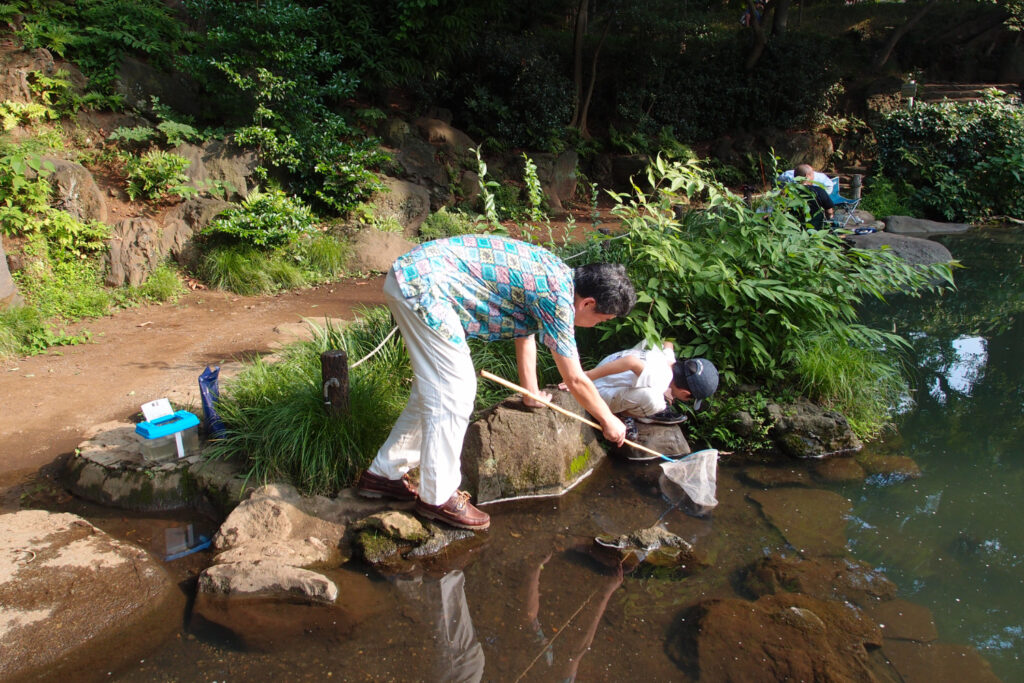
“Arisugawa-no-miya Memorial Park” by Guilhem Vellut, licensed under CC BY 2.0. Image resized and cropped from the original.
What makes Setagaya-ku a strong choice for families who want more space?
Setagaya-ku is Tokyo’s most populous ward and one of its most family-oriented. It trades some of the central convenience of Minato-ku for larger properties, quieter tree-lined streets, well-regarded parks, and a well-established expat community, often at a lower price points.
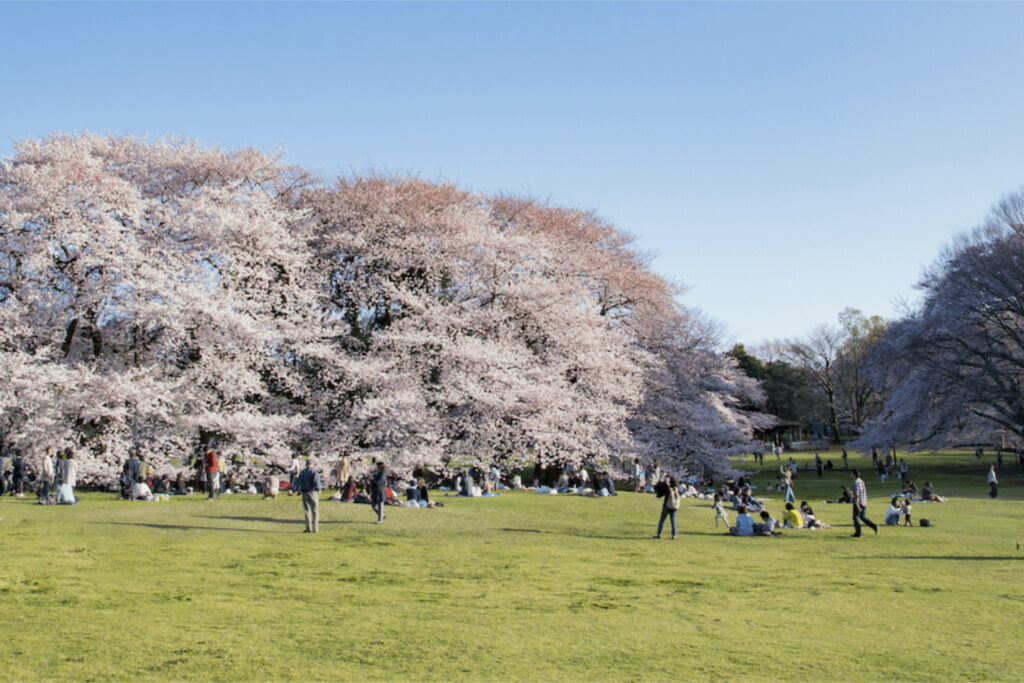
The ward has a distinctly different feel from the denser central areas. Low-rise residential streets, neighbourhood shopping areas known as shotengai, and a genuinely local atmosphere make it a place many families find more liveable over the long term. Kinuta Park (世田谷区立砧公園) is a large open green space popular with families for picnics and sports, and also home to the Setagaya Art Museum. Komazawa Olympic Park is another well-used outdoor space within the ward.
According to the Tokyo Metropolitan Government Bureau of Construction (April 2024), Setagaya-ku has 2.86 ㎡ of public park area per resident, with a total of about 2.69 million ㎡. That is below the 23-ward average of 3.95 ㎡, but the ward’s large parks make open space easy to reach in everyday life.
Setagaya offers a good mix of apartment and detached house options among the five neighbourhoods in this guide. Families who want a garden or more internal square footage are more likely to find it here than in Minato-ku. The Sangenjaya, Yoga, and Futako-Tamagawa sub-areas have a particularly established expat presence. Futako-Tamagawa has developed into a popular family destination in its own right, with excellent riverfront green space along the Tama River.
Setagaya is home to two long-established single-sex international schools. St. Mary’s International School, a Catholic day school for boys founded in 1954, is at 1-6-19 Seta, near Futako-Tamagawa. Seisen International School, a school for girls founded in 1949, is at 1-12-15 Yoga. Both teach in English and run bus services across central Tokyo. The British School in Tokyo’s secondary campus (Years 7 to 13) is also in the ward, at Showa Women’s University in Taishido.
Commuting from Setagaya is manageable. The Tokyu Den-en-toshi Line and Odakyu Line provide good access to Shibuya and Shinjuku in roughly 15 to 30 minutes depending on which part of the ward you are in. Commutes to Marunouchi-area offices are slightly longer.
Are Daikanyama and Ebisu well suited to expat families?
Daikanyama and Ebisu attract younger families and those who want to live in one of Tokyo’s most design-conscious, walkable neighbourhoods. The area sits on the Shibuya-ku and Meguro-ku border and offers premium apartment living, good cafés and restaurants, and easy access to multiple train lines.
The neighbourhood has an international, low-key feel, independent boutiques, well-regarded restaurants, Tsutaya Books, and Log Road Daikanyama, that appeals to families who want to feel part of a lively area rather than a purely expat enclave. Housing is predominantly high-specification apartments. Large detached houses are uncommon, but apartment sizes in premium buildings here can be generous by Tokyo standards.
Green space within the immediate neighbourhood is limited, but Yoyogi Park is within cycling distance, and the Shizen Kyoikuen at the Meguro/Minato-ku boundary is accessible by a short journey.
According to the Tokyo Metropolitan Government Bureau of Construction (April 2024), Shibuya-ku has 3.09 ㎡ of public park area per resident, with a total of about 754,000 ㎡, somewhat below the 23-ward average of 3.95 ㎡. On schools, the International School of the Sacred Heart sits at 4-3-1 Hiroo, on the Shibuya-ku side of Hiroo and within easy reach of Daikanyama and Ebisu. Aoba-Japan International School’s Meguro (Aobadai) campus is also nearby.
Commuting is a genuine strength here. The Tokyu Toyoko Line from Daikanyama and the JR and Tokyo Metro lines from Ebisu station offer some of the strongest multi-directional connectivity in the city. Shibuya is two to three minutes away, and the Yamanote Line at Ebisu opens up the broader rail network. Younger expat families and dual-income households without school-age children are well-represented in this area. Once children reach school age, some families move to Setagaya or Hiroo for more space or closer school access.
Why do families often land on Meguro as a long-term base in Tokyo?
Meguro sits between the international infrastructure of Minato-ku and the residential space of Setagaya, and it performs well across almost every family criterion. It has excellent transport, a genuine neighbourhood character, a mix of property types, and proximity to several international schools.
The ward is served by multiple train lines: the Tokyu Meguro Line, Tokyo Metro Namboku Line, Mita Line, and the JR Yamanote Line at Meguro station. That combination gives Meguro residents real flexibility in where they can commute to. It also contains distinct sub-areas with different characters. Nakameguro is canal-side and stylish, popular with younger residents. Jiyugaoka has a boutique shopping feel and a noticeably family-friendly atmosphere. Quieter inland residential streets offer more space and calm.
Green space is a genuine draw. The Meguro River cherry blossom walks are among the most celebrated in the city. The Shizen Kyoikuen at the Meguro/Minato-ku boundary is a large natural green space, uncommon this close to central Tokyo, and well worth knowing about if you have children.
According to the Tokyo Metropolitan Government Bureau of Construction (April 2024), Meguro-ku has 1.71 ㎡ of public park area per resident, with a total of about 489,000 ㎡. That is below the 23-ward average of 3.95 ㎡, reflecting how densely built the ward is, though the Meguro River corridor and the nearby Shizen Kyoikuen add usable green space. On schools, Aoba-Japan International School has its Aobadai campus at 2-11-5 Aobadai, and Gregg International School is at 1-14-6 Jiyugaoka. St. Mary’s and Seisen in Setagaya are also within commuting distance.
Property here can offer more space per yen than Hiroo or Azabu while staying relatively central. Premium supermarkets including Seijo Ishii and Meidi-ya serve the area, and English-language amenities are well-established. Families who have spent time in Hiroo often move to Meguro when they want slightly more space and a less transient community feel, while keeping good access to the centre.

Is Denenchofu still a prestigious address for families who want space and greenery?
Denenchofu in Ota-ku has long held a reputation as one of Tokyo’s most established residential addresses. Wide tree-lined avenues, low building density, and large detached houses make it distinctly different from the dense apartment living that characterises central Tokyo, and it remains a benchmark for families who put space first.
Denenchofu’s layout is unusual for Tokyo. Its radiating boulevards and generous plot sizes were modelled on English garden city principles, and it remains one of the few Tokyo neighbourhoods with this kind of character. Mature tree canopy, quiet streets, and a noticeably lower density create an atmosphere well-suited to families with young children. The trade-off, which some families note, is less walking-distance amenity compared to Hiroo.
Ota-ku as a whole has 3.98 ㎡ of public park area per resident and a total public park area of 2,979,379.52 ㎡, according to the Tokyo Metropolitan Government Bureau of Construction (April 2024). The ward also benefits from proximity to the Tama River and the Shizen Kyoikuen.
Property in Denenchofu is one of the few parts of Tokyo where large detached houses with meaningful garden space are genuinely findable at the premium end of the market. High-specification apartments also exist, but the neighbourhood’s identity is built around its houses. Prices reflect the prestige and scarcity.
Denenchofu has few international schools within its own boundaries, but it is well connected to them. The neighbourhood sits on the bus routes of several international schools, and St. Mary’s and Seisen in neighbouring Setagaya are reachable by school bus or via Futako-Tamagawa, Denenchofu, and Jiyugaoka stations. Gregg International School, an English-medium pre-school and elementary school, is a few minutes away at 1-14-6 Jiyugaoka in Meguro-ku.
The Tokyu Toyoko Line and Den-en-toshi Line provide access to Shibuya in approximately 15 to 20 minutes. Reaching Tokyo and Marunouchi districts takes around 30 to 40 minutes. Most families who choose Denenchofu accept that commute as a reasonable trade for the space and environment they get in return.
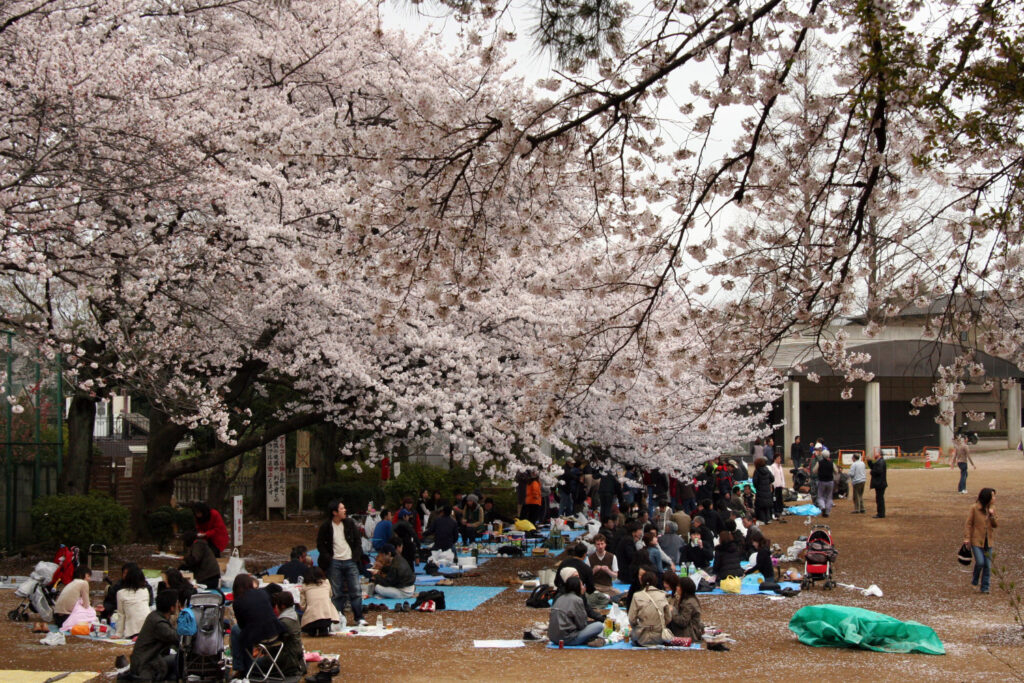
“O-HA-NA-MI” by Toshihiro Oimatsu, licensed under CC BY 2.0. Image resized and cropped from the original.
Can’t see what the property for you? Remember to contact us for off market listings!
What should families check before committing to a neighbourhood in Tokyo?
Before signing a lease or purchase agreement in Tokyo, expat families should verify four things: the school application timeline and any proximity requirements, the realistic door-to-door commute, access to international-range supermarkets, and the availability of English-speaking medical care within the ward.
On schools: international school applications in Tokyo typically open well in advance of the academic year, and some schools carry waiting lists. Living near a school does not guarantee a place. Treat school timing as a hard constraint when planning your move, not an afterthought. Our Buying a House in Japan as an Expat guide covers additional practical steps in the property process.
On commute: Tokyo train maps can mislead. A journey of 20 minutes on a route planner can mean 35 minutes door-to-door when you account for walking, interchanges, and platform waiting at peak hour. It could be a good idea to trial the commute in the morning before you finalise.
On groceries: National Azabu in Hiroo, Meidi-ya across multiple Minato-ku locations including Hiroo Hills and Azabu-Juban, NISSIN World Delicatessen, and Seijo Ishii are among the stores expat families rely on most. The Hiroo and Azabu corridor has the densest coverage; Meguro and Setagaya are also reasonably well served.
On medical care: several clinics with English-speaking staff are based in Minato-ku. The Tokyo Medical and Surgical Clinic, at 3-4-30 Shiba-koen, offers seven-day general practice, referrals, and an after-hours service. The International Clinic, an English-speaking general practice at 1-5-9 Azabudai, has served the international community for decades. For hospital care, St. Luke’s International Hospital, a 539-bed general hospital at 9-1 Akashicho in Chuo-ku, provides English-language support and an international patient department. Clinic hours and services change over time, so it is worth confirming current details before relying on a particular practice.
On choosing a real estate agent: working with a licensed, experienced agent who knows the international market ties all of these checks together. A good agent lines up school timelines, realistic commutes, and property availability into a single search, and flags the things a listing photo never shows. Look for a brokerage that is properly licensed, works in both English and Japanese, and has a track record with international families. Housing Japan has done exactly that for international families in central Tokyo for over 25 years. As a fully licensed brokerage with bilingual agents, we handle both rentals and purchases, and can guide your family through schools, commutes, and the practicalities of each ward, from the first viewing through to settlement.
One practical note on administration: all residents in Japan must register at their local ward office (区役所). English-language support at ward offices varies. Minato-ku has well-regarded bilingual municipal support, which is a practical advantage for families arriving without Japanese.
Frequently asked questions
Which area of Tokyo is popular for families with children at international schools?
Hiroo and Azabu in Minato-ku have a high concentration of international schools and the longest-established expat family infrastructure. Setagaya-ku and Meguro also serve well-regarded international schools and offer more residential space. The right answer depends on which specific school your child will attend. Because international school places are limited and competitive, most families identify their preferred school first and then search for property within a practical commute of that campus. Housing Japan’s agents can advise on which neighbourhoods align with specific school locations.
Is Tokyo safe for families with young children?
Tokyo is widely regarded as one of the safer major cities in the world. Children walk to school independently from a young age. Traffic safety, clean public spaces, and low violent crime rates are features across all 23 wards, including the five neighbourhoods covered in this guide. Safety is rarely a differentiating factor between the premium neighbourhoods covered here; it is a baseline feature of Tokyo as a whole. Families arriving from most other major cities typically remark on how different the public environment feels for children.
What is the difference between renting and buying for expat families in Tokyo?
Most expat families on corporate relocations begin with rental properties, which offer flexibility and lower upfront commitment. Families on longer-term moves, or those buying independently, or looking at a property as an investment, often choose to purchase, weighing the ongoing costs of ownership and resale considerations against the flexibility of renting. Both options are available across all five neighbourhoods in this guide. Housing Japan handles both rental and purchase transactions and can advise on the relative merits of each given a family’s specific timeline and circumstances. Our buying guide for overseas purchasers covers the legal and financial process in full.
How much green space do the family neighbourhoods in Tokyo have?
Minato-ku (Hiroo/Azabu) has 4.27 ㎡ of public park area per resident and Ota-ku (Denenchofu) has 3.98 ㎡, both broadly in line with the 23-ward average of 3.95 ㎡. Setagaya and Meguro benefit from larger parks including Kinuta Park, Komazawa Olympic Park, and the Meguro River corridor. Data from the Tokyo Metropolitan Government Bureau of Construction (April 2024) shows that central wards have less park space per capita than the suburban Tama area, but the named parks within the recommended family neighbourhoods are large enough to be genuinely useful for everyday family life.
How long does the commute take from popular family areas to central Tokyo?
From Hiroo, the Hibiya Line reaches Kasumigaseki in approximately 8 minutes. From Meguro and Daikanyama, Shibuya is under 10 minutes away. Setagaya and Denenchofu are 15 to 30 minutes from Shibuya depending on sub-area. Marunouchi-area offices add roughly 10 to 15 minutes from any of these neighbourhoods. Door-to-door commute times depend on your specific building and office location. Housing Japan recommends trialling the commute at peak hour before finalising a property shortlist.
Can expat families find detached houses with gardens in Tokyo?
Yes, though options are more limited and more expensive than apartments. Denenchofu in Ota-ku and parts of Setagaya-ku offer a good supply of detached houses (ikkodate) with garden space at the premium end of the market. Hiroo and Daikanyama are predominantly apartment-based neighbourhoods. Detached houses in popular Tokyo neighbourhoods carry a significant premium and are not commonly listed publicly before being offered through specialist agents. Housing Japan’s off-market network includes detached family homes across these wards.
What next?
Ready to find your family’s home in Tokyo? Housing Japan has helped international families rent and buy in central Tokyo for over 25 years. We are a fully licensed brokerage with bilingual agents who guide clients through every stage of the search, viewings, negotiation, contracts, and settlement. Whether you are relocating on a corporate package or buying independently, we handle both rentals and purchases end to end.
Source:
- Park area and green space (per-capita and total figures for Minato, Ota, Setagaya, Shibuya, and Meguro, and the 23-ward average): Tokyo Metropolitan Government, Bureau of Construction – Park Survey (公園調書), 1 April 2024. https://www.kensetsu.metro.tokyo.lg.jp/park/kouenannai/kouen_menseki
- Population (23-ward total; Setagaya as the most populous ward): Tokyo Metropolitan Government, Statistics Division – Tokyo’s Population (Estimate) (東京都の人口(推計)). https://www.toukei.metro.tokyo.lg.jp/jsuikei/js-index.htm
- Tokyo Metropolitan Government – International Schools in Tokyo (school directory and profiles): https://www.intlschools.metro.tokyo.lg.jp/en/