
Hiroo
Hiroo Area Guide: Living in the Hiroo District of Tokyo
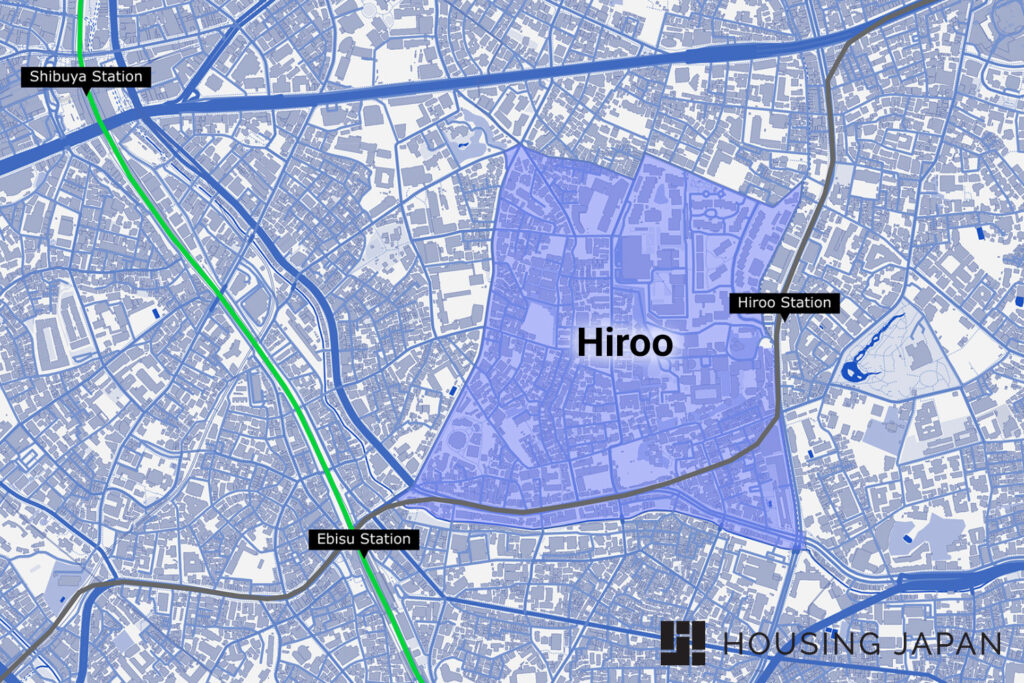
Hiroo is an upmarket, international residential district in the southeast of Shibuya Ward, central Tokyo, known for its embassies, leafy streets, and English-friendly daily life. The Hiroo district of Tokyo suits diplomats, foreign professionals, and international families who want a calm, central home. It centres on Hiroo Station on the Tokyo Metro Hibiya Line.
Hiroo at a Glance
| Ward | The Hiroo neighbourhood is in Shibuya Ward (渋谷区, Shibuya-ku), one of Tokyo’s central wards. Hiroo Station and the surrounding embassy district sit just across the border in Minami-Azabu, Minato Ward (港区). |
|---|---|
| Nearest stations & lines | Hiroo Station (Tokyo Metro Hibiya Line, H03). Ebisu Station (JR Yamanote, Saikyō and Shōnan-Shinjuku lines, plus Hibiya Line) is about a 10-minute walk south. |
| Time to key hubs | Roppongi about 3 minutes and Ginza about 13 minutes, both direct on the Hibiya Line. Ebisu is one stop (about 2 minutes); Shibuya about 10 minutes via Ebisu; Tokyo Station about 20 minutes. |
| Typical resident profile | Diplomats and embassy staff, foreign executives and professionals, dual-career couples and international families, alongside long-standing Japanese households. |
| Defining features | Embassy district, Arisugawa-no-miya Memorial Park, Hiroo Shopping Street, National Azabu supermarket, Hiroo Garden Hills, and a cluster of English-friendly clinics and schools. |
| Nearest international schools | The International School of the Sacred Heart (in Hiroo); Nishimachi International School (Moto-Azabu, a short distance east); plus many international preschools. |
| Price & rent indicator | Residential land in Hiroo averaged roughly ¥1.6–1.7 million per square metre in MLIT’s 2025 land-price publication (地価公示), up about 11% year on year, among the higher figures in Shibuya Ward. Expat-market rents and sale prices: see the Real Estate Overview below. |
What Is Hiroo Known For?
Hiroo is best known as Tokyo’s embassy quarter and its most established expat neighbourhood. The area grew up around a dense cluster of diplomatic missions, and over the decades that drew English-speaking shops, clinics, schools and services that are still rare elsewhere in the city. The result is a district that feels international without feeling like a tourist zone.
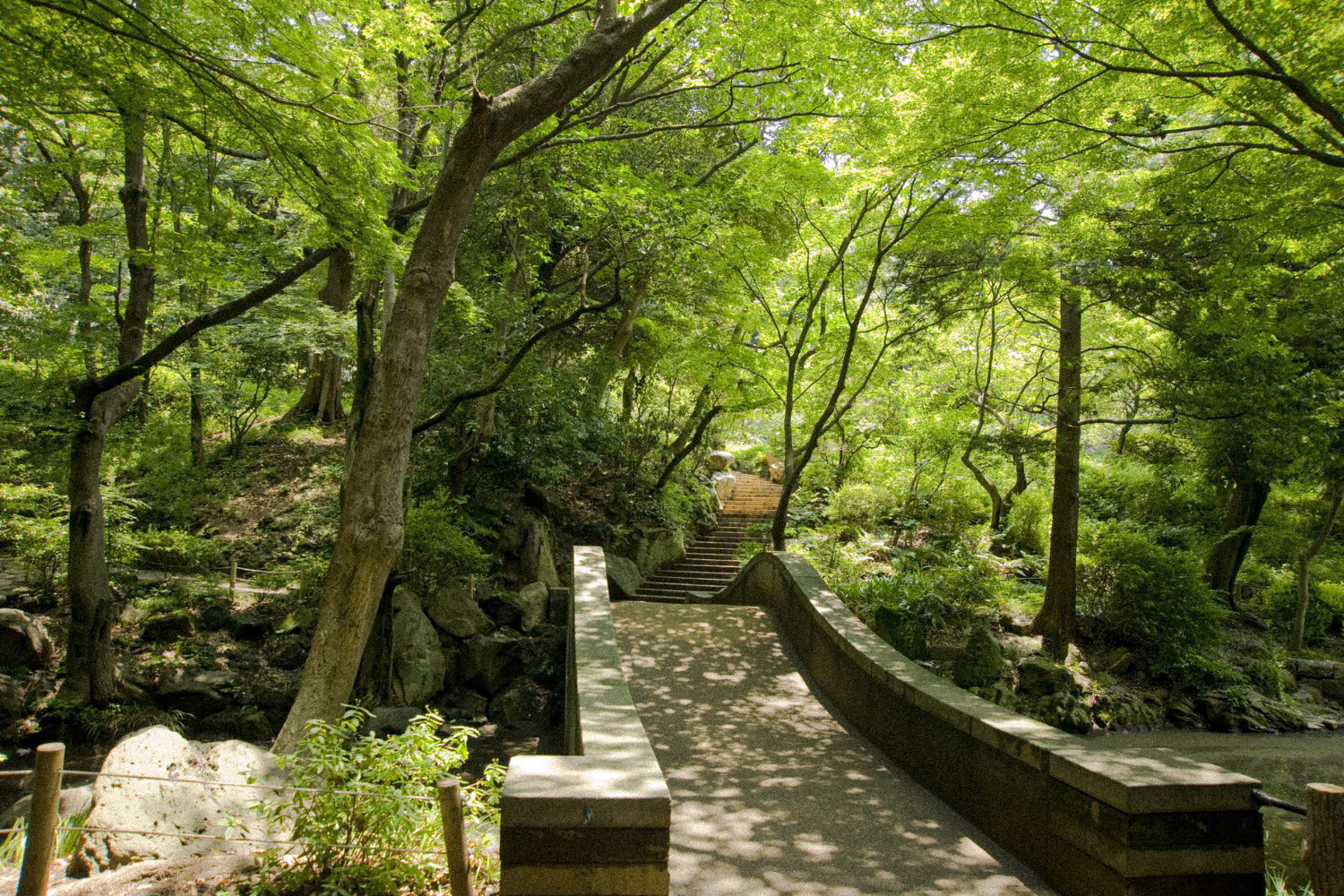
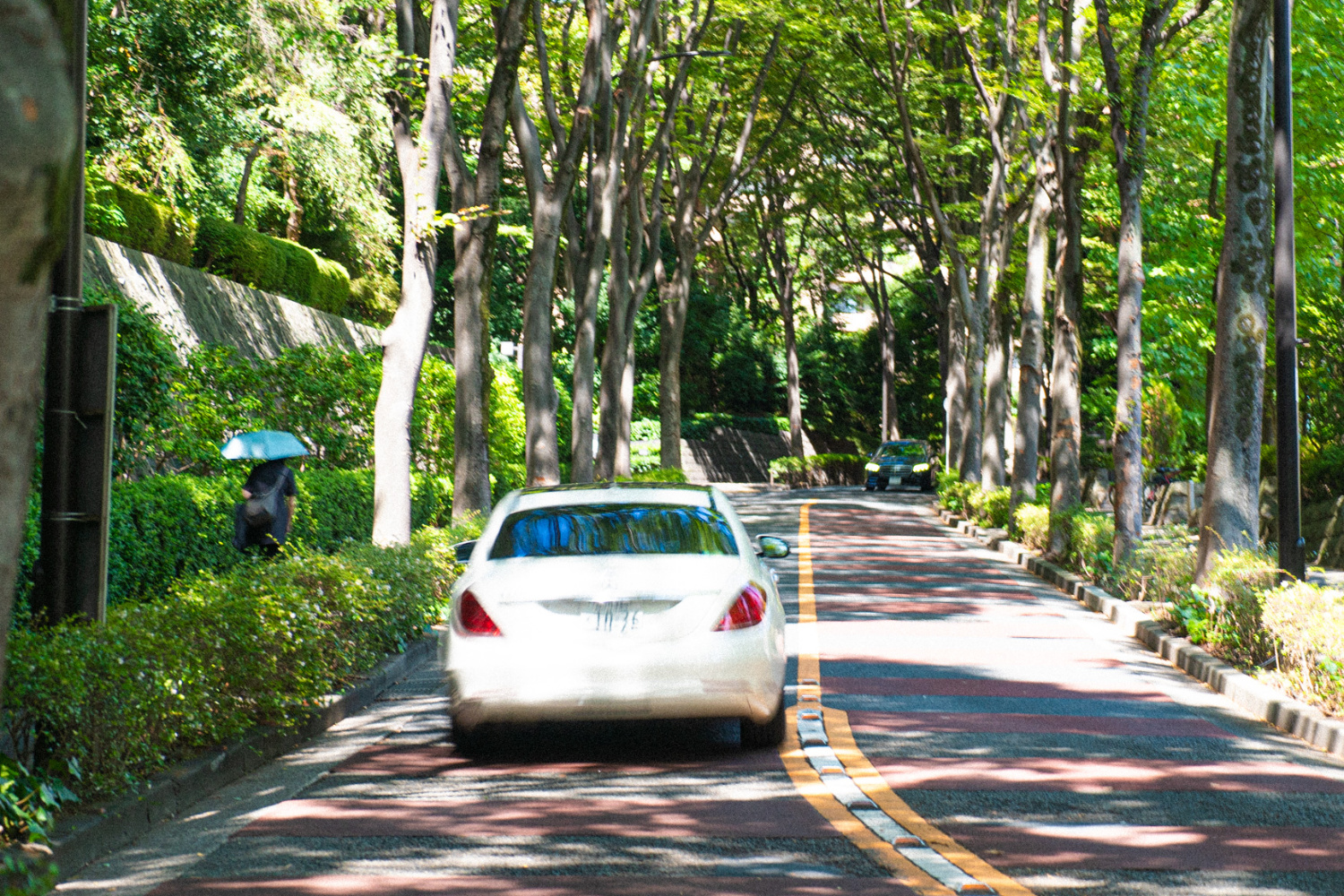
It carries a quiet, residential character that sets it apart from livelier neighbours. The streets a few minutes back from the station are leafy and low-rise, anchored by the nearby Arisugawa-no-miya Memorial Park and lined with embassies, older apartment blocks and detached houses. The Hiroo Shopping Street keeps a nostalgic, small-scale feel, while landmark complexes such as Hiroo Garden Hills give the area its reputation as a premier address. For most residents, the calm and the convenience matter far more than any single attraction.
Where Is the Hiroo District of Tokyo Located?
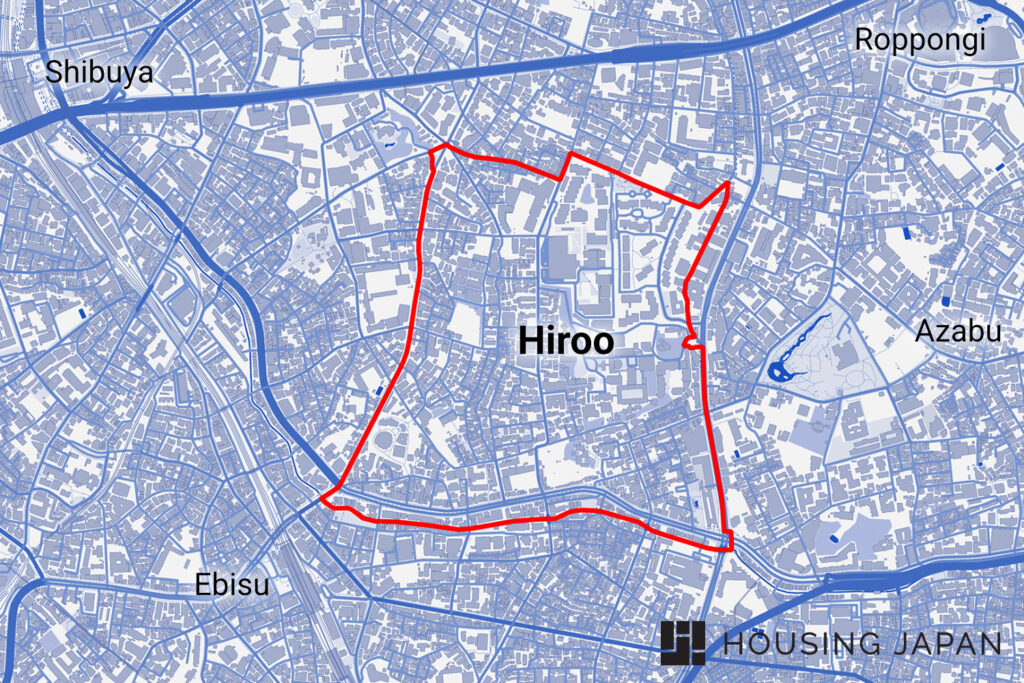
Hiroo sits in the southeast corner of Shibuya Ward (渋谷区, Shibuya-ku), one of Tokyo’s central wards, where it meets Minato Ward. The neighbourhood is bordered by Ebisu to the south, Nishi-Azabu and Minami-Aoyama to the north, and Minami-Azabu, Minato to the east, following the line of the Shibuya River along its southern edge. Shibuya is a short hop to the northwest, and Roppongi is one stop east on the train.
One quirk of geography shapes daily life here. Although the Hiroo name belongs to Shibuya Ward, Hiroo Station is located just over the boundary in Minami-Azabu, Minato Ward, and so are several of the embassies most people associate with the area. In other words, Hiroo straddles two wards: you may live at a Shibuya address but shop, commute and see the doctor on the Minato side. This blend is part of what gives the district its international feel.
Being part of Shibuya Ward matters in practice. Shibuya is one of the central wards with the highest shares of foreign residents, and Hiroo is the most internationally weighted pocket within it. The ward’s Board of Education runs the local public elementary and junior high schools, while the embassy concentration on the Minato side, including the embassies of France, Germany, Norway and Switzerland nearby, keeps English-language services close at hand. For more on international education in the wider area, see this Housing Japan guide to international schools and this Housing Japan guide on embassies in Tokyo.
A Brief History of Hiroo
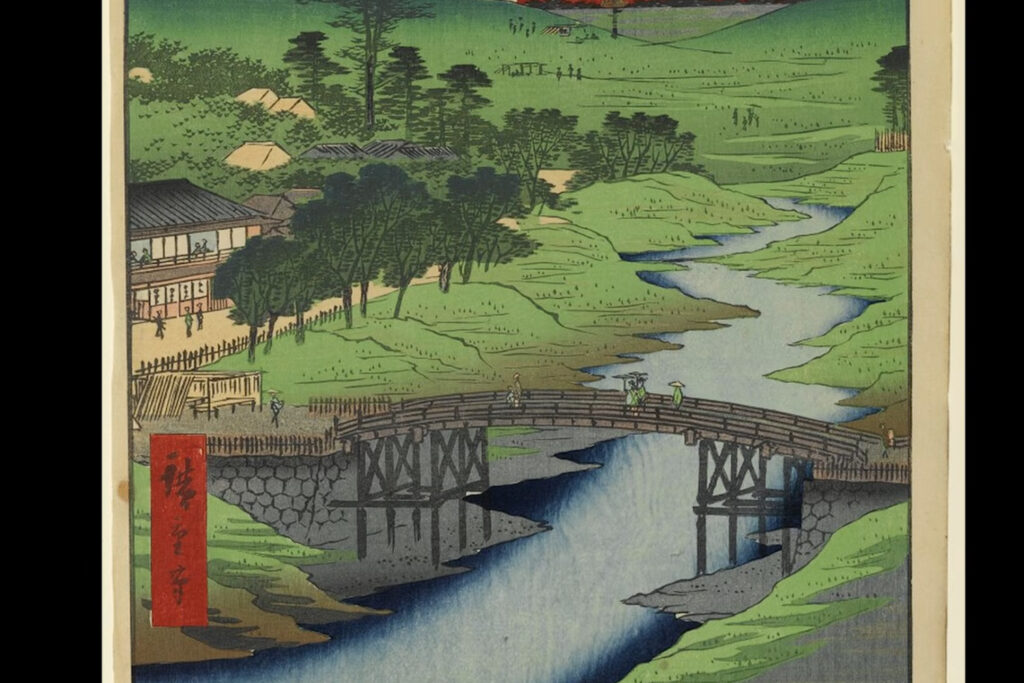
Hiroo began as open grassland and samurai estates on the southwestern edge of old Edo. In the Edo period (1603–1868) the area near today’s Tengenji Bridge was known as Tsukushigahara, a broad flatland of susuki grass. After the Meiji Restoration, members of the Imperial family and former samurai nobility took up residence here, and that aristocratic stamp set the tone for the high-class residential district Hiroo became.
The international character followed. From the late nineteenth century onward, foreign legations and embassies clustered around the area for practical and historical reasons, and embassy staff and their families settled nearby. The Hiroo 5-chōme shopping street, designated as far back as 1713, survived the wartime, which is why pockets of Meiji- and Taishō-era buildings still give the back streets their nostalgic feel. In 1934 the former estate of Prince Arisugawa was opened to the public as Arisugawa-no-miya Memorial Park, and the post-war decades cemented Hiroo’s reputation as a settled, embassy-anchored enclave rather than a commercial centre.
What Is Daily Life in Hiroo Like?
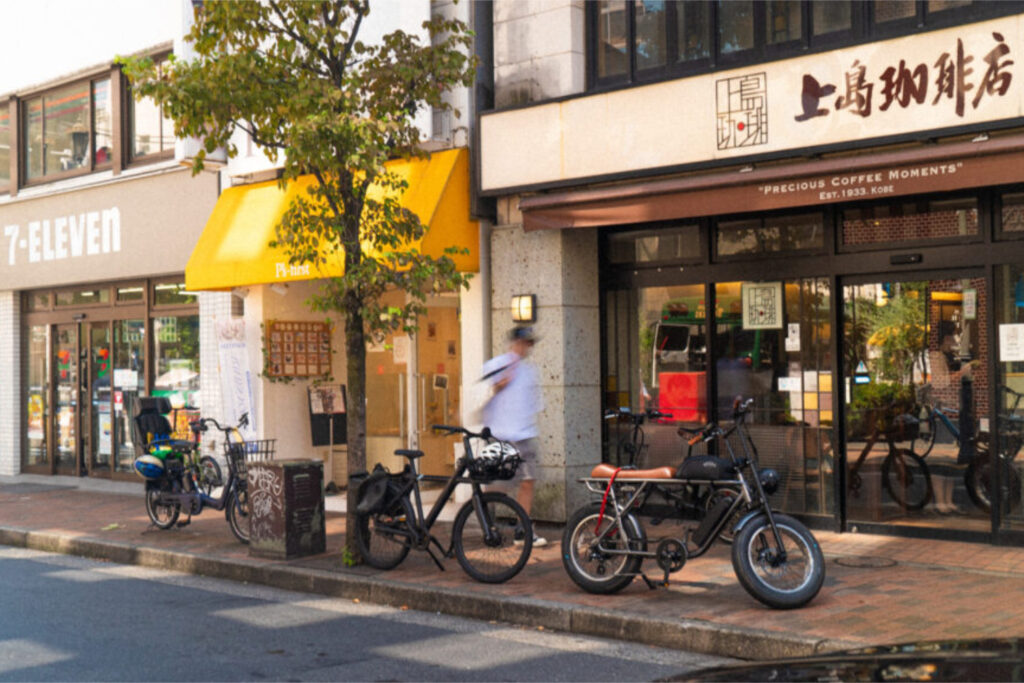
Daily life in Hiroo is calmer than its central location suggests. The blocks around the station have cafés, bakeries and restaurants, but a few streets back the district turns quiet and residential, with embassies, low-rise apartments and houses among the trees. As in much of central Tokyo, homes tend to be compact for the price, but almost everything you need is within walking distance.
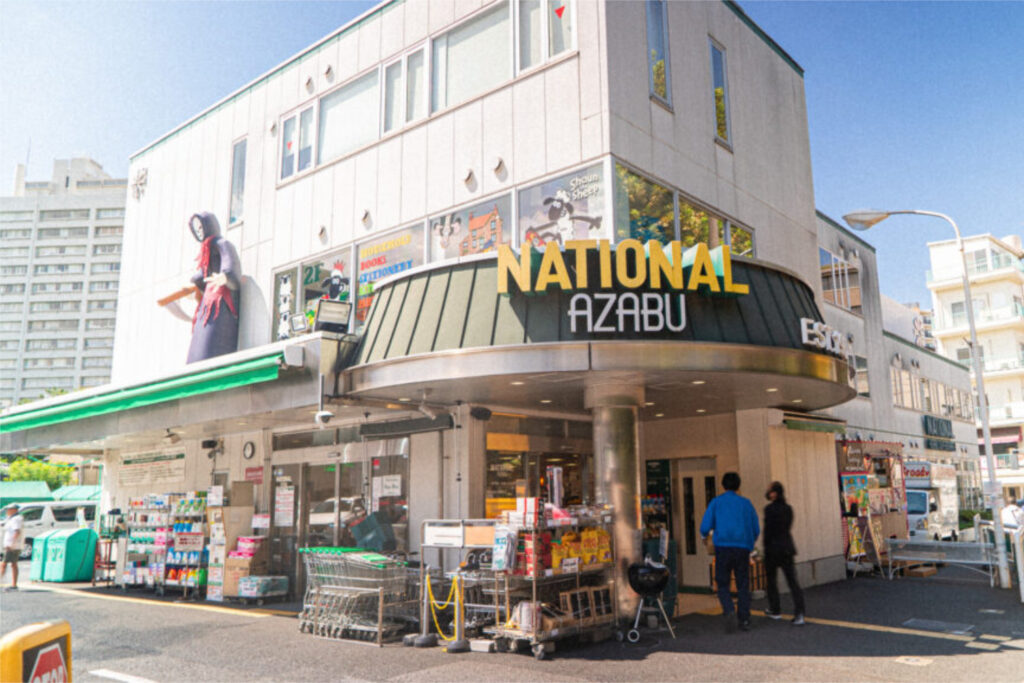
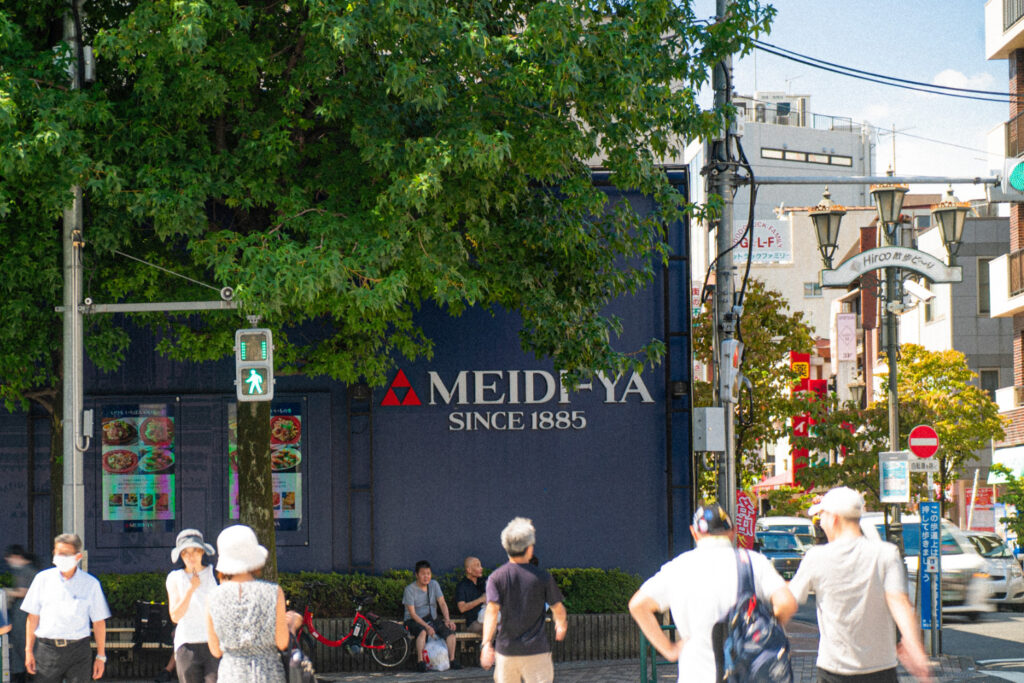
For groceries, the area is unusually well set up for international residents. National Azabu, a long-standing favourite for imported food, sits close to the station and has served the expat community for decades; Meidi-ya offers another upscale option, and the Hiroo Shopping Street covers everyday needs. Hiroo also has a real reputation for bread, with many bakeries neaby such as Boulangerie Burdigala and Truffle Bakery drawing regulars from across the neighbourhood.
Healthcare is a particular strength. The Japanese Red Cross Medical Center, a major general hospital, sits in Hiroo, and the Tokyo Metropolitan Hiroo Hospital nearby runs a busy emergency department. For day-to-day care, the district has a high concentration of clinics used to treating foreign patients with English-speaking staff. For fitness, the area has private gyms and studios, and the wooded paths of the nearby Arisugawa-no-miya Memorial Park are popular with runners. The trade-off, as locals will tell you, is space for location: you give up floor area, but you gain a calm, walkable, English-friendly base in the centre of the city.
Transport and Connectivity: How Well Connected Is Hiroo?
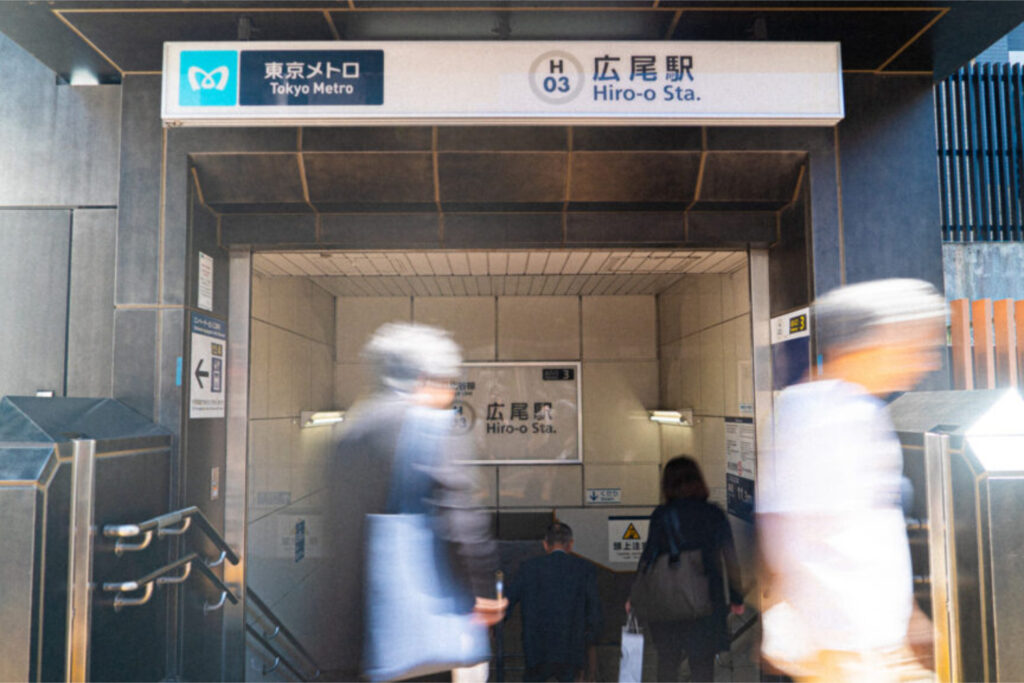
Hiroo runs on a single subway line, but that line reaches a lot of central Tokyo. Hiroo Station (numbered H03) is served only by the Tokyo Metro Hibiya Line, which runs direct to Roppongi, Ginza, Hibiya and Akihabara in one direction and to Ebisu and Naka-Meguro in the other. The main limitation is that trips to Shibuya or Shinjuku usually need a transfer, most easily at Ebisu, one stop south, where the JR Yamanote and other lines connect.
| Destination | Time | Route |
|---|---|---|
| Ebisu | ~2 min | Hibiya Line, direct (1 stop) |
| Roppongi | ~3 min | Hibiya Line, direct |
| Ginza | ~13 min | Hibiya Line, direct |
| Shibuya | ~10 min | via Ebisu, transfer to JR Yamanote Line |
| Tokyo Station | ~20 min | via Ebisu (JR) or Ginza, one transfer |
| Haneda Airport | ~40–55 min | train, with transfer |
Times are approximate and exclude walking and waiting; they vary by time of day. Note on spelling: this guide uses “Hiroo” throughout (the station is sometimes romanised “Hiro-o”).
Dining, Shopping, and Local Amenities
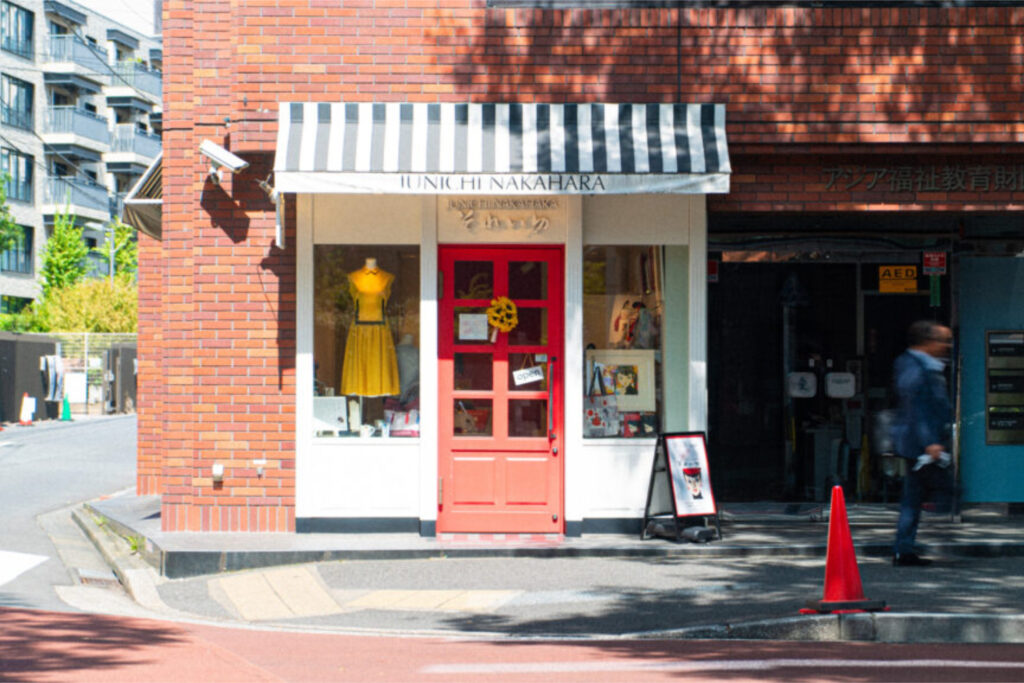
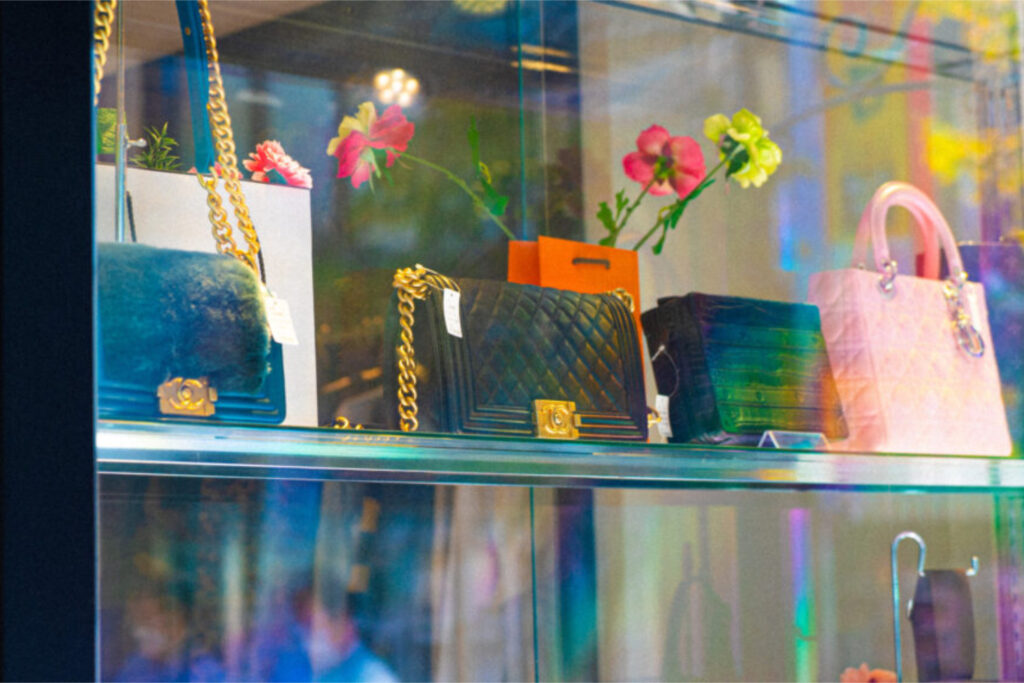
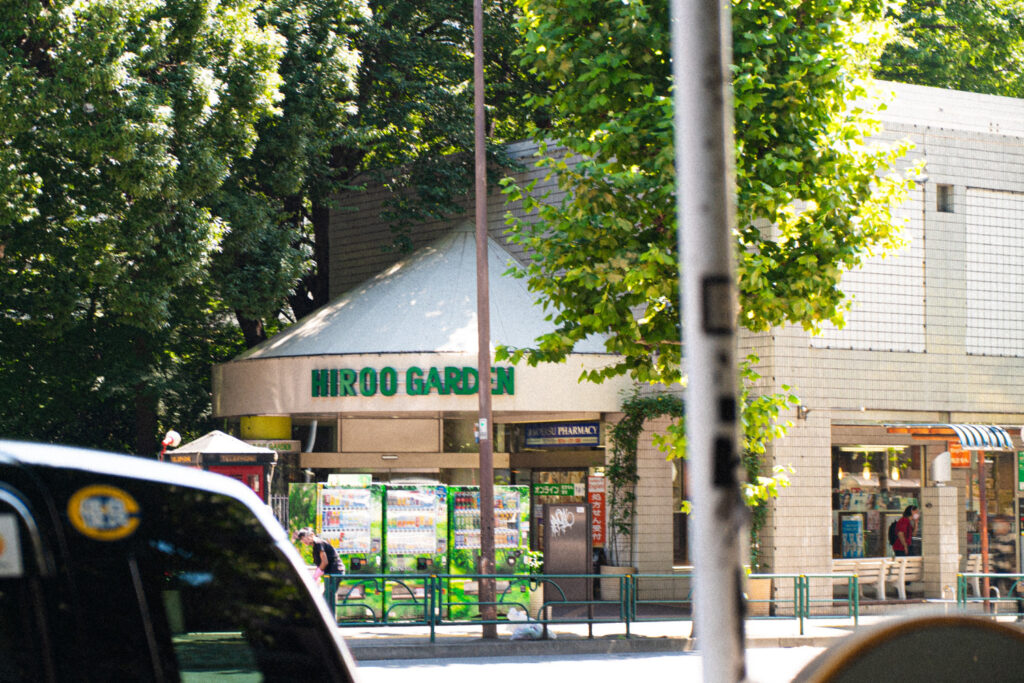
Hiroo’s retail is small-scale and local rather than mall-driven, which is part of its appeal. The Hiroo Shopping Street and the compact Hiroo Plaza, a few minutes from the station, cover daily shopping, cafés and casual dining, while National Azabu and Meidi-ya handle imported groceries. For larger department stores and flagship shopping, residents head one or two stops to Roppongi, Ebisu or Omotesando.
Dining ranges from neighbourhood bakeries and bistros to some genuinely acclaimed restaurants, with a strong international showing that reflects the area’s expat and embassy population. Sushi runs from casual counters to fine dining, Hiroo Ishizaka, a Michelin-starred sushi restaurant in the district, is one example of the quiet, high-end cooking tucked into the back streets. As night falls, Hiroo stays understated: wine bars and refined bistros rather than the lively bars of nearby Roppongi.
Parks, Culture, and Recreation
Arisugawa-no-miya Memorial Park is located just next to Hiroo and is seen as the green heart of the district. Opened to the public in 1934 on the former estate of Prince Arisugawa, it is a landscaped park of wooded slopes, streams, ponds and walking paths, a few minutes’ walk east of Hiroo Station, and a popular spot for joggers, families and weekend picnics. The Tokyo Metropolitan Central Library sits within the park grounds.
Culture nearby leans traditional and local. Azabusan Zenpukuji, one of Tokyo’s oldest temples, founded in 824, is a short walk east and home to a registered natural-monument ginkgo tree said to be around 750 years old. The district’s international layer adds another texture: the Tokyo Temple of the Church of Jesus Christ of Latter-day Saints stands near the station, and the New Sanno Hotel, a US Navy facility in Minami-Azabu, contributes to the steady international traffic that gives Hiroo its cosmopolitan feel. For bigger museums and galleries, the Roppongi Art Triangle is one stop away.
Who Lives in Hiroo?
Hiroo has one of the most international resident mixes in central Tokyo. Diplomats and embassy staff, foreign executives and professionals, dual-career couples and international families live alongside established Japanese households, and many residents work nearby in Roppongi, Akasaka or the central business district. The embassy concentration and the depth of English-language services are the main reason the area’s expat community has stayed so settled over the years.
For families, the practical draw is access to international education and the calm, low-traffic streets. The International School of the Sacred Heart, a girls’ school, is in Hiroo itself, and Nishimachi International School, a co-educational K–9 school, is a short distance east in Moto-Azabu. There are also many international preschools, and school-bus routes thread through the neighbourhood. Public elementary and junior high schools are run by the Shibuya City Board of Education.
How Does Hiroo Compare to Nearby Areas?
Hiroo sits among several well-known central districts, and the differences are real enough to matter when choosing where to live. The table below compares it with three neighbours.
| Area | Character | Relative price | Best for |
|---|---|---|---|
| Hiroo | Quiet, leafy, embassy-led; the most settled expat enclave | High | International families and professionals who want calm and English-friendly services |
| Ebisu | Livelier, dining-rich, with a major transport hub | High, slightly below Hiroo | Those who want nightlife and multiple train lines on the doorstep |
| Azabu | Traditional shopping street with an international layer, in Minato | High | Buyers who want an old-town feel with expat convenience |
| Roppongi | Busy, mixed-use, art and nightlife around large towers | High | Residents who want big-complex living and a lively core |
Real Estate Overview in Hiroo
Hiroo is one of Tokyo’s most expensive residential markets, and the housing stock is varied for such a small area. It ranges from landmark large-scale complexes, most famously Hiroo Garden Hills, completed in 1987 with around 1,180 apartments across 15 low-rise buildings, and the newer Hiroo Garden Forest, to spacious low-rise apartments and detached houses built for foreign families, plus a steady supply of compact units near the station. The market leans toward established, owner-occupied homes rather than new towers, which keeps turnover low and supply tight.
On price, the clearest public benchmark is government land data. Residential land in Hiroo was assessed at roughly ¥1.6–1.7 million per square metre in MLIT’s 2025 land-price publication (地価公示), up about 11% on the year, placing it near the top of Shibuya Ward. As indicative market context, prime Hiroo apartments commonly trade in the millions of yen per square metre, and family-sized homes frequently run from around ¥150 million well into the hundreds of millions, depending on building, size and floor. Exlusive luxury villas in the area can reach the billions of yen.
On the rental side, which is where many international residents start, expat-market apartments are priced accordingly: one-bedroom and 1LDK units indicatively from around ¥250,000 a month, with larger family residences ranging well into the millions. Compared with neighbouring Ebisu, Hiroo tends to sit at or near the top for both rent and sale prices, reflecting its schools, parks and embassy-district address.
For tower living and brand-new stock, buyers often look just over the Minato border, where larger redevelopments sit; within Hiroo itself, the appeal is the established, low-rise, green character. If you are weighing Hiroo apartments or luxury homes in this part of Tokyo, Housing Japan has over 25 years in the Tokyo real estate market and can provide local market context and English-language support – get in touch with our team bellow.
Living in Hiroo: Is It Right for You?
Hiroo works best for people who value calm, greenery and a genuinely international daily life over buzz. The combination of a large park, English-friendly shops, clinics and schools, a steady diplomatic community, and a quick run to Roppongi and Ebisu is hard to match elsewhere in central Tokyo, and it makes the transition relatively smooth for newcomers to Japan.
It is less suited to those who need large homes on a modest budget, or who want nightlife within walking distance. For many international families and professionals, though, the trade-offs are exactly the point: Hiroo offers central access with a settled, residential feel that few other Tokyo neighbourhoods can offer.
Frequently Asked Questions About Hiroo
Which ward is Hiroo in?
The Hiroo neighbourhood sits in the southeast of Shibuya Ward (渋谷区, Shibuya-ku), one of Tokyo’s central wards. Hiroo Station itself, and the embassy cluster around it, lie just over the border in Minami-Azabu, Minato Ward. In daily life the two wards blend seamlessly.
Is Hiroo a good place to live?
Hiroo is one of central Tokyo’s most settled international districts. It offers quiet, leafy streets, a large park, English-friendly shops, clinics and schools, and a short hop to Roppongi and Ebisu. The main trade-off is cost, as homes here are expensive.
How long is the commute from Hiroo to Roppongi and Ginza?
Both are direct on the Tokyo Metro Hibiya Line from Hiroo Station, with no transfer. Roppongi is one stop and about three minutes away, and Ginza is roughly 13 minutes. Ebisu is a single stop south, putting the JR Yamanote Line within easy reach for Shibuya and Shinjuku.
Is Hiroo expensive?
Yes. Hiroo is among Tokyo’s priciest residential areas. Residential land was assessed at roughly ¥1.6 to ¥1.7 million per square metre in the 2025 government land-price publication, up about 11 percent on the year, placing it near the top of Shibuya Ward for both sale prices and rents.
What is the nearest international school to Hiroo?
The International School of the Sacred Heart, a girls’ school, sits in Hiroo itself, close to the station’s Exit 4. Nishimachi International School, a co-educational K–9 school, is a short distance east in Moto-Azabu. The area also has a wide choice of international preschools.
Why is Hiroo popular with the expat community in Tokyo?
Hiroo grew up around Tokyo’s embassy district, so English-speaking shops, clinics and services concentrated here over decades. National Azabu supermarket, English-friendly hospitals, international schools and a steady diplomatic population make it one of the easier central neighbourhoods for newcomers to settle into.
What is Hiroo Garden Hills?
Hiroo Garden Hills is a large landmark residential complex completed in 1987, with around 1,180 apartments across 15 low-rise buildings grouped into five “Hills.” It sits a few minutes’ walk from Hiroo Station and has the National Azabu supermarket on site, and it remains one of the area’s best-known addresses.
What Next?
At Housing Japan, we specialise in buying, selling, and managing residential property in central Tokyo, with English-language support at every step. Whether you are relocating, settling in for the long term, or simply getting to know the area, our team can share local market knowledge on Hiroo and the neighbouring districts.
View properties for sale in the Hiroo area Here!
Location
Featured Properties in Hiroo
No results available. Explore more properties.