Azabu
Azabu Area Guide: Living in the Azabu Area of Tokyo
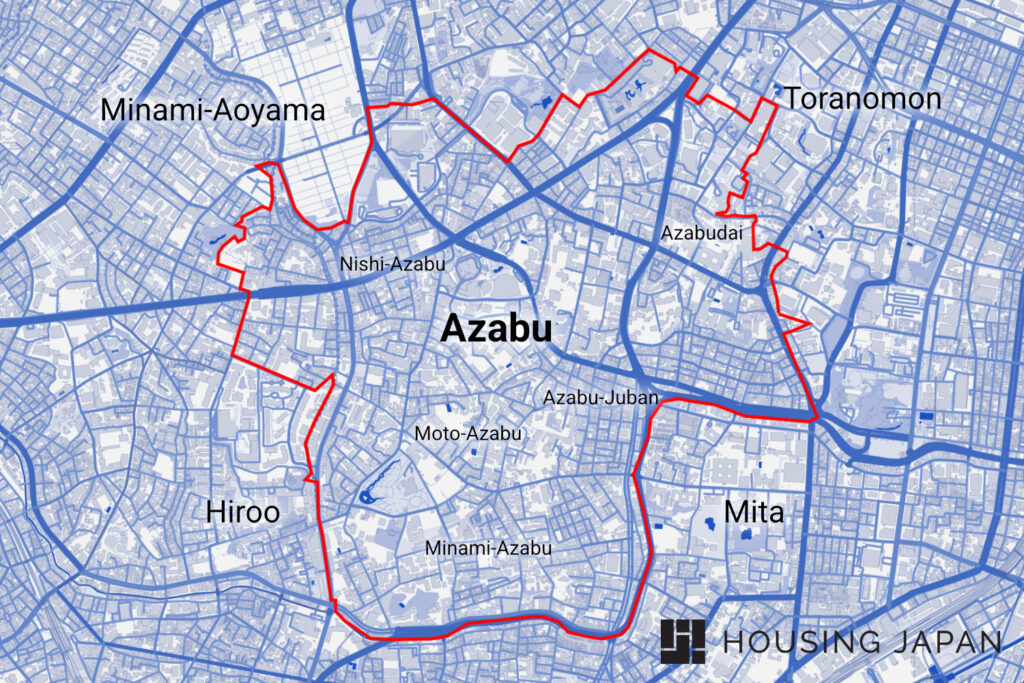
Azabu is a high-end residential and diplomatic district in Tokyo’s Minato Ward, known for its embassies, hilly winding streets, and the old Azabu-Juban shopping street. It suits families, diplomats, and professionals who want a calm home close to Roppongi and Hiroo. Daily life centres on Azabu-Juban Station, and the area takes in Moto-Azabu, Minami-Azabu, Nishi-Azabu, and Azabudai.
Watch this area guide video on Azabu!
Azabu at a Glance
| Ward | Minato Ward (港区, Minato-ku), one of Tokyo’s three central wards |
| Nearest stations & lines | Azabu-Juban (Tokyo Metro Namboku Line, N04; Toei Oedo Line, E22); Hiroo (Tokyo Metro Hibiya Line) for Minami-Azabu; Kamiyacho (Hibiya Line) for Azabudai |
| Time to main hubs | Roppongi about 2 minutes and Shinjuku about 12 minutes, both direct on the Oedo Line; Shibuya about 15 minutes and Tokyo Station about 20 minutes, one change each |
| Typical resident profile | Diplomats and embassy staff, international families, foreign executives and long-established Japanese households; about 13% of people in Minato’s Azabu district are foreign nationals |
| Defining features | Azabu-Juban shopping street, the embassies of France, Germany and China, Arisugawa-no-miya Memorial Park, Zenpuku-ji Temple, Azabudai Hills |
| Nearest international schools | Nishimachi International School (Moto-Azabu); British School in Tokyo primary campus (Azabudai Hills); International School of the Sacred Heart (Hiroo) |
| Price & rent indicator | Residential land benchmarks of about ¥2.45 million to ¥4.99 million per sqm in Moto-Azabu and Minami-Azabu (MLIT, 2026), against a Minato average of roughly ¥3.0 million; expat-market rents from around ¥280,000 a month for a one-bedroom (indicative, October 2026) |
What Is Azabu, Tokyo Known For?
Azabu is best known for its embassies, its quiet hilltop streets, and the Azabu-Juban shopping street, where some family businesses have traded for more than a century. The embassies of France, Germany, China, Switzerland and Norway are all here. The area mixes Edo-period history, upscale modern homes and a large international community, and about 13% of people in Minato’s Azabu district are foreign nationals.
Azabu-Juban, in the valley around the station, feels like a traditional Tokyo shopping district, while the hills of Moto-Azabu and Minami-Azabu hold calm streets of low-rise apartments, houses and embassy compounds. On the northeastern edge, Azabudai Hills has added Mori JP Tower, about 330 metres tall, along with new homes, shops and an international school.

Where Is Azabu in Tokyo?
Azabu sits in the middle of Minato Ward (港区, Minato-ku), one of Tokyo’s three central wards. It is a group of neighbourhoods rather than one address: Azabu-Juban (also written Azabujuban) in the valley, Moto-Azabu (Motoazabu) on the hill toward Roppongi Hills, Minami-Azabu stretching south to Hiroo, Nishi-Azabu in the northwest, and Higashi-Azabu and Azabudai to the east toward Tokyo Tower. Roppongi lies directly north, with Hiroo and Ebisu to the southwest.
Minato Ward hosts 81 embassies, more than half of all embassies in Japan, according to the ward’s Internationalization Master Plan. The ward’s Azabu district, which for statistics also includes Roppongi, has the highest share of foreign residents of its five districts: 7,907 of 61,047 registered people in May 2026, about 13%, against roughly 9% for Minato as a whole (Minato City resident register). For more on the ward’s diplomatic community, see our guide to embassies in Tokyo.
Moto-Azabu, Tokyo: What Is It Like to Live in Moto-Azabu?
Moto-Azabu is one of the quietest and most residential parts of Azabu, a hilltop district of low-rise homes, embassies and old temples between Azabu-Juban and Roppongi Hills. Fewer than 5,000 people live across its three blocks (chōme), according to Minato City’s February 2026 register, yet most of the district is within about 10 minutes’ walk of Azabu-Juban Station and Roppongi Hills. In practice, that means a small, quiet neighbourhood with a central address.
Why is it called Moto-Azabu?
“Moto” means “original”, and the name marks this area as the centre of the old Azabu village. Minato City records a local tradition that farmers here once wove hemp cloth (麻布, asanuno), which may have given Azabu its name (Minato City). The present district was created in 1966, when Japan’s address reform merged older neighbourhoods such as Azabu Nishimachi, the name Nishimachi International School still carries. Zenpuku-ji Temple is in Moto-Azabu, and so is Azabu Hikawa Shrine (Moto-Azabu 1-4-23), traditionally founded in 942 and long the guardian shrine of the whole Azabu area.
What is daily life like in Moto-Azabu?
Moto-Azabu is quiet for somewhere so central. Narrow lanes and old slopes such as Sendai-zaka (named after the Date clan of Sendai, whose estate once stood here) and Ipponmatsu-zaka wind between garden walls, embassy compounds and low-rise apartment buildings. There is little through traffic, and the Embassy of China (Moto-Azabu 3-4-33) and the Embassy of Austria (Moto-Azabu 1-1-20) are both in the district.
There are few shops on the hill itself, which helps keep the streets quiet. For daily errands, people walk down to the Azabu-Juban shopping street, where the soba restaurant Sarashina Horii sits on the district’s edge, and Roppongi Hills, to the north, has cinemas, larger stores and restaurants. Arisugawa-no-miya Memorial Park and National Azabu supermarket are a short walk south toward Hiroo.
Is Moto-Azabu good for families?
Moto-Azabu works well for families, partly because three schools are inside the district. Nishimachi International School (Moto-Azabu 2-14-7), a co-educational K-9 school founded in 1949, is within walking distance of most homes here. Azabu Junior and Senior High School, a private boys’ school founded in 1895, is also here, and Minato City’s public Nanzan Elementary School serves local children. With light traffic and the park nearby, it is a practical central Tokyo address for families with school-age children.
What kind of homes are in Moto-Azabu?
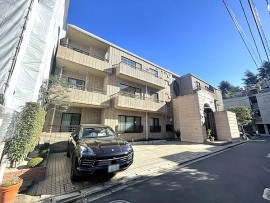
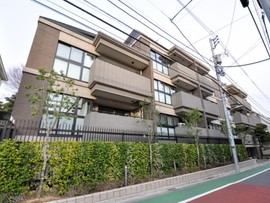
Homes in Moto-Azabu are mostly low-rise: small apartment buildings, detached houses and embassy residences on some of the larger plots in central Minato. Much of the hill is zoned residential with limits on building volume, so the streetscape has stayed low and green. The main exception is Moto-Azabu Hills (Moto-Azabu 1-3-1), a Mori Building development completed in 2002 whose Forest Tower rises 29 floors, while low-rise rentals such as Azabu Gardens West (2015) are let mainly to expatriate families. Because the district is small and almost fully built up, new homes in Moto-Azabu come to market only occasionally. For price context, see the real estate overview below.

A Brief History of Azabu
Azabu began as temple land and the country estates of feudal lords on the hills southwest of Edo Castle; in the Edo period (1603 to 1868), the site of today’s Arisugawa-no-miya Memorial Park belonged to the Nanbu clan of Morioka. The area’s international role began in 1859, when Zenpuku-ji Temple became the first United States legation in Japan under Consul-General Townsend Harris.
From 1878 to 1947 Azabu was a ward in its own right (麻布区, Azabu-ku), before it merged with Akasaka and Shiba to form today’s Minato Ward. For decades the area had no railway station, and locals called it a “land island” (陸の孤島, riku no kotō). That changed in 2000, when Azabu-Juban Station opened on the Namboku and Oedo lines. Moto-Azabu Hills followed in 2002, and Azabudai Hills opened in 2023, completing its last residential tower in 2025.

What Is Daily Life in Azabu Like?
Azabu feels more like a neighbourhood than its upscale image suggests. Around Azabu-Juban Station, people shop on foot and run into neighbours on the shopping street, while a few minutes uphill in Moto-Azabu and Minami-Azabu the streets turn quiet and green. The main drawback is the terrain: Azabu sits on steep slopes (坂, saka), so the walk home often includes a climb.
Grocery shopping is easy for international residents. National Azabu (Minami-Azabu 4-5-2), near Hiroo Station, has sold imported food to embassy families for decades, and Nissin World Delicatessen (Higashi-Azabu 2-32-13), three minutes from Azabu-Juban Station, is known for its butcher counter and wine floor. Seijo Ishii and Super Naniwaya cover everyday shopping by the station.
For healthcare, International Clinic (Azabudai 1-5-9) and Hiroo International Clinic (Minami-Azabu 4-14-6, about 7 minutes from Hiroo Station) both see foreign patients in English, and the Japanese Red Cross Medical Center in Hiroo and Saiseikai Central Hospital in Mita are the nearest large hospitals. For exercise, Arisugawa-no-miya Memorial Park has tennis courts, a baseball field and a popular running loop, and private gyms cluster around Azabu-Juban and Azabudai Hills.

Azabu-Juban Station and Transport: How Well Connected Is Azabu?
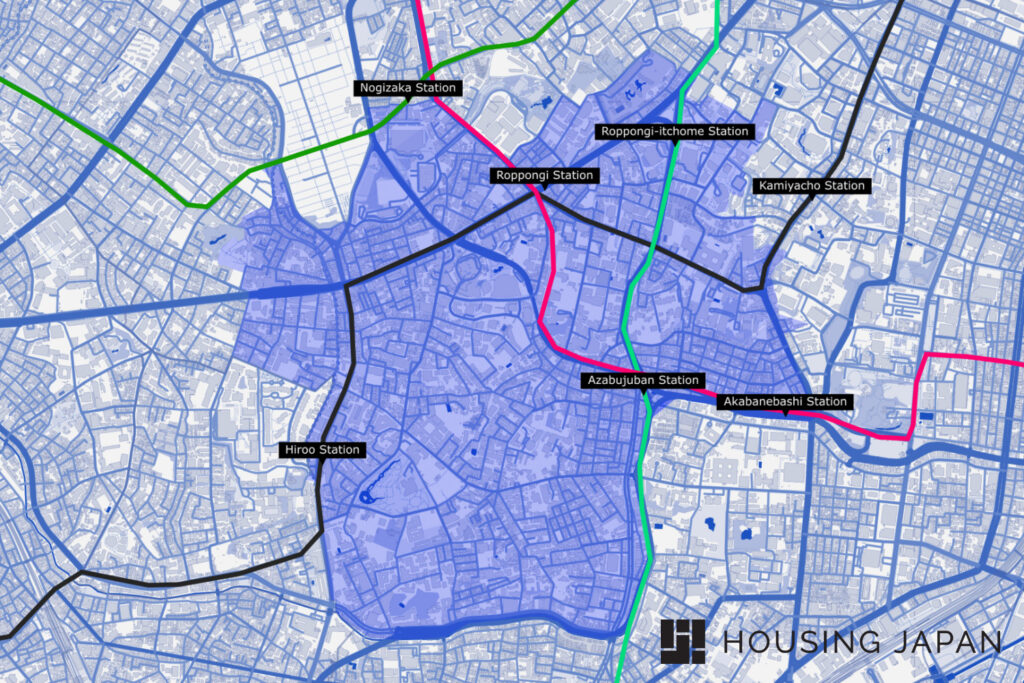
Azabu is well connected by subway, although no JR line runs through it. Azabu-Juban Station is the main hub, served by the Tokyo Metro Namboku Line, which runs north to Tameike-sanno and south to Meguro, and the Toei Oedo Line, which loops through Roppongi and Shinjuku. People in Minami-Azabu often use Hiroo Station on the Tokyo Metro Hibiya Line instead, and Azabudai is closest to Kamiyacho, also on the Hibiya Line.
| From Azabu-Juban to | Time | Route |
|---|---|---|
| Roppongi | ~2 min | Toei Oedo Line, direct (1 stop) |
| Tameike-sanno (Akasaka, Kasumigaseki) | ~4 min | Namboku Line, direct |
| Shinjuku | ~12 min | Toei Oedo Line, direct |
| Shibuya | ~15 min | Oedo Line to Aoyama-itchome, then Ginza or Hanzomon Line |
| Tokyo Station | ~20 min | Oedo Line to Daimon, then JR from Hamamatsucho |
| Haneda Airport | ~45 min | Oedo Line to Daimon, then Tokyo Monorail from Hamamatsucho |
Times are approximate, based on route searches in October 2026, and exclude walking and waiting. Note on spelling: this guide uses “Azabu-Juban” throughout (also written Azabujuban or Azabu Juban) and “Hiroo” (sometimes Hiro-o).

What Food Is Azabu Known For? Dining and Shopping in Azabu
Azabu’s best-known food is traditional Japanese: soba noodles, taiyaki and roasted beans from long-established shops on the Azabu-Juban shopping street, alongside a wide choice of international restaurants and several MICHELIN-starred kitchens.
The Azabu-Juban shopping street
The Azabu-Juban shopping street (麻布十番商店街, Azabu-Juban shōtengai) is the everyday centre of Azabu. A shōtengai is a local high street of independent shops, and Azabu-Juban’s has over 300 of them, many more than 100 years old, according to GO TOKYO, the city’s official travel guide. It spreads over several streets around Azabu-Juban Station, including Azabu-Juban Odori, Patio-dori and Zoshiki-dori, and the small Patio Juban square has a statue of Kimi-chan, the girl from the children’s song “Akai Kutsu” (Red Shoes).
Old family businesses are the street’s best-known names. Naniwaya Sohonten has made taiyaki (fish-shaped cakes filled with sweet red bean paste) since 1909, Mamegen has sold roasted beans and rice crackers since 1865, and Sarashina Horii traces its soba back to 1789. They sit beside bakeries, cafés, wine bars and boutiques, and everyday shops such as the 24-hour Seijo Ishii supermarket, so the street works for daily errands as well as visits. Each August it closes to traffic for the Azabu-Juban Noryo Festival (see below).
Azabu-Juban restaurants range from neighbourhood izakaya and ramen counters to up market French, Italian and Korean dining, and Nishi-Azabu is the area’s fine-dining and late-night quarter.
Michelin-starred restaurants in Azabu
Azabu has three restaurants with three MICHELIN stars, the guide’s highest rating. Azabu Kadowaki (Azabu-Juban 2-7-2) serves seasonal Japanese kaiseki at a six-seat counter and has held three stars since 2020. Sazenka (Minami-Azabu 4-7-5) cooks Chinese food with Japanese seasonal ingredients and tea pairings, and L’Effervescence (Nishi-Azabu 2-26-4) is Chef Shinobu Namae’s contemporary French restaurant.
Two more hold two stars. Florilège, Chef Hiroyasu Kawate’s vegetable-led French restaurant, moved to Azabudai Hills Garden Plaza D, and Nishiazabu Sushi Shin (Nishi-Azabu 4-18-20) gained its second star in the MICHELIN Guide Tokyo 2026.
Luxury shopping in Azabu
Azabudai Hills is Azabu’s luxury shopping centre. Its Garden Plaza has street-front boutiques for Hermès, Cartier, Dior, Celine, Bulgari, Berluti and Bottega Veneta, plus TimeVallée, a multi-brand watch boutique carrying Chopard, IWC and Vacheron Constantin, according to Mori Building. The full list is on the Azabudai Hills shop directory. Roppongi Hills, about 10 minutes’ walk from Azabu-Juban, adds more designer stores along Keyakizaka Street, while Nishi-Azabu’s back streets hold smaller galleries and boutiques.
Luxury car showrooms in Azabu
Minami-Azabu 5-chome, a short walk north of Hiroo Station, has a cluster of supercar showrooms. Lamborghini Azabu and McLaren Azabu share an address at Minami-Azabu 5-2-32; Lamborghini Azabu opened in 2006 as the first Lamborghini dealer in the Tokyo area. About a minute’s walk away, Bugatti Tokyo (Minami-Azabu 5-10-37) opened in April 2021 as Bugatti’s only showroom in Japan.


Parks, Culture, and Recreation in Azabu
Arisugawa-no-miya Memorial Park is Azabu’s main green space: a 6.7-hectare Japanese landscape garden in Minami-Azabu, 3 minutes’ walk from Hiroo Station. Opened in 1934 on a former imperial family estate, it has ponds, wooded slopes and a playground, and its hilltop holds the Tokyo Metropolitan Central Library (Minato City).
Zenpuku-ji Temple, a few minutes’ walk from Azabu-Juban Station in Moto-Azabu, is one of Tokyo’s oldest temples, traditionally dated to 824. Its “upside-down ginkgo” (逆さイチョウ, sakasa ichō), said to be about 750 years old, is a designated national natural monument. To the east, Azabudai Hills Gallery hosts rotating art and design exhibitions, and the Roppongi museums are 10 to 15 minutes away on foot.
Every August, the Azabu-Juban Noryo Festival (麻布十番納涼まつり) closes the shopping street to traffic for a weekend of food stalls, stage shows and regional produce from across Japan. Held since 1966, it draws around 300,000 visitors over two days, according to the Azabu-Juban Shopping Street Promotion Association.

Who Lives in Azabu?
Azabu draws diplomats, foreign executives, international families and long-established Japanese households. Moto-Azabu and Minami-Azabu suit families who want space and quiet, while Azabu-Juban and Azabudai suit couples and professionals who want shops and a station on the doorstep.
Azabu is also one of the usual answers to the question of where wealthy people live in Tokyo. Residential land here costs roughly three to six times the average for Tokyo’s 23 wards (see the real estate overview below), and it sits beside other high-value Minato districts such as Hiroo, Shirokane and Akasaka. For the wider picture, see our guide to the three wealthiest wards in Tokyo.
International schools are a big reason families choose Azabu. Nishimachi International School, a co-educational K-9 school founded in 1949, is at 2-14-7 Moto-Azabu, 5 to 10 minutes’ walk from Azabu-Juban Station. The British School in Tokyo runs its primary campus at Azabudai Hills, and the International School of the Sacred Heart, a girls’ school, is just over the border in Hiroo. Public elementary and junior high schools are run by the Minato City Board of Education. For more options, see our guide to choosing an international school in Japan.
How Does Azabu Compare to Hiroo, Roppongi and Shirokane?
Azabu borders several of Tokyo’s best-known international neighbourhoods. The most common comparison is Azabu vs Hiroo: both are leafy and international, but Azabu has a bigger shopping street and two subway lines, while Hiroo is smaller and quieter, built around one Hibiya Line station.
| Area | Character | Main station(s) | Relative price | Best for |
|---|---|---|---|---|
| Azabu | Embassy district with hilltop streets and a traditional shopping street | Azabu-Juban (Namboku, Oedo) | High | Families and diplomats who want a village feel in the centre |
| Hiroo | Quiet, leafy, embassy-led expat enclave | Hiroo (Hibiya) | High | International families who want calm and English-friendly services |
| Roppongi | Busy, mixed-use, with art and nightlife around large towers | Roppongi (Hibiya, Oedo) | High | Professionals who want big-complex living and a lively core |
| Shirokane | Exclusive and low-key, with boutiques around Platinum Street | Shirokane-takanawa (Namboku, Mita) | High | Established households who value privacy and calm |
Real Estate Overview in Azabu
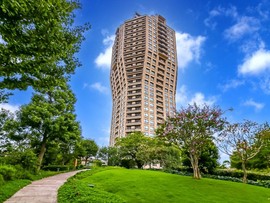
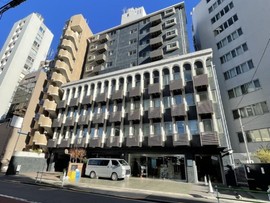
Azabu’s housing stock is varied for a small area. Low- and mid-rise apartments dominate the hills of Moto-Azabu and Minami-Azabu, such as Park Court Minami-Azabu Hill Top Residence and Azabu Gardens West (2015), alongside a few detached houses. Towers sit mainly around Azabu-Juban and Azabudai: Residia Tower Azabujuban (2003), Moto-Azabu Hills (2002), The Belgravia Azabu (2009), and the roughly 1,400 homes of Azabudai Hills, including Aman Residences, Tokyo and the 64-floor Azabudai Hills Residence B. Long-term owner-occupiers live alongside a large corporate rental sector serving embassy and multinational staff.
On price, the clearest public benchmark is MLIT’s 2026 Land Price Publication (地価公示, valued at 1 January 2026), in which Minato Ward’s residential average was ¥3,013,700 per square metre, up 16.6% on the year. The Azabu sites below are roughly three to six times the average for residential land across Tokyo’s 23 wards, which was ¥856,400 per square metre, according to the Tokyo Metropolitan Government’s summary.
| MLIT residential site (2026) | Nearest station | ¥ per sqm | Change y/y |
|---|---|---|---|
| Minami-Azabu 4-9-34 (港-16) | Hiroo, ~650 m | 4,990,000 | +15.5% |
| Minami-Azabu 1-5-11 (港-28) | Azabu-Juban, ~350 m | 4,760,000 | +17.0% |
| Moto-Azabu 2-3-24 (港-13) | Hiroo, ~700 m | 3,690,000 | +16.0% |
| Minami-Azabu 1-27-33 (港-22) | Azabu-Juban | 2,450,000 | +15.0% |
Source: Ministry of Land, Infrastructure, Transport and Tourism (MLIT), Land Price Publication 2026, via the Real Estate Information Library. Land prices show relative land value between locations and are not apartment prices.
As indicative market context, asking prices for established apartments in Moto-Azabu and Minami-Azabu commonly sit around ¥2.6 million to ¥4.5 million per square metre. A one-bedroom or compact two-bedroom of 55 to 70 m² typically runs from about ¥150 million to ¥255 million, a two-bedroom of 90 to 110 m² from about ¥290 million to ¥410 million, and a three-bedroom of 130 m² or more from about ¥400 million, with landmark towers well above these ranges (indicative, October 2026).
On the rental side, where many international residents start, one-bedroom apartments of 45 to 60 m² indicatively rent from around ¥280,000 to ¥400,000 a month, two-bedrooms of 90 to 100 m² from around ¥600,000 to ¥800,000, and family residences of 150 to 250 m² from around ¥1 million to ¥2.5 million (indicative, October 2026). Prices and rents sit in a similar band to Hiroo and Roppongi, with the Azabudai Hills towers at the top of the local market. If you are weighing Azabu apartments, Housing Japan has more than 25 years in the Tokyo market and can provide local context and English-language support. Get in touch with our team below.
Living in Azabu-Juban and Moto-Azabu: Is Azabu Right for You?
Azabu works best for people who want an established international neighbourhood with a real local centre. An international school, English-friendly clinics and supermarkets, a large park and a traditional shopping street make the move to Tokyo relatively smooth.
It is less suited to people who need a JR station on the doorstep, large homes on a modest budget, or flat streets for cycling.

Frequently Asked Questions About Azabu
What is there to do in Azabu?
Things to do in Azabu include walking the Azabu-Juban shopping street for soba, taiyaki and over 300 shops, visiting Zenpuku-ji Temple, founded in 824 and the first US legation in 1859, and Arisugawa-no-miya Memorial Park. Azabudai Hills Gallery hosts exhibitions, and each August the Azabu-Juban Noryo Festival fills the streets.
Is Azabu a good place to live for families?
Azabu is one of central Tokyo’s most established family areas, with Nishimachi International School in Moto-Azabu, the British School in Tokyo’s primary campus at Azabudai Hills, and the 6.7-hectare Arisugawa-no-miya Memorial Park. English-speaking clinics and international supermarkets are close by.
How far is Azabu from central Tokyo?
Azabu is in central Tokyo, in Minato Ward. From Azabu-Juban Station, Roppongi is about 2 minutes by subway and Shinjuku about 12 minutes, both direct on the Toei Oedo Line. Shibuya takes about 15 minutes and Tokyo Station about 20 minutes, with one change each. Haneda Airport is around 45 minutes away.
Is Azabu expensive?
Azabu is among Tokyo’s most expensive residential areas. In MLIT’s 2026 land price publication, residential benchmark sites in Moto-Azabu and Minami-Azabu ranged from about ¥2.45 million to ¥4.99 million per square metre, against a Minato Ward residential average of roughly ¥3.0 million. Expat-market rents for a one-bedroom typically start around ¥280,000 a month.
Is Moto-Azabu a good place to live?
Moto-Azabu is one of the quietest residential districts in central Tokyo, a small hilltop area of Minato Ward with fewer than 5,000 residents, embassies, historic temples and Nishimachi International School. Azabu-Juban Station and Roppongi Hills are within about 10 minutes’ walk. The main trade-offs are steep slopes and few shops on the hill itself.
What is the nearest international school to Azabu?
Nishimachi International School, a co-educational K-9 school at 2-14-7 Moto-Azabu, sits inside Azabu, 5 to 10 minutes’ walk from Azabu-Juban Station. The British School in Tokyo has its primary campus at Azabudai Hills, and the International School of the Sacred Heart, a girls’ school, is just across the border in Hiroo.
What is the difference between Azabu and Hiroo?
Azabu is a group of Minato Ward neighbourhoods centred on Azabu-Juban, with a busy shopping street and two subway lines. Hiroo, mostly in Shibuya Ward, is smaller and quieter, built around a single Hibiya Line station. The two overlap in daily life, since Hiroo Station and Arisugawa-no-miya Memorial Park both sit in Minami-Azabu.
When is the Azabu-Juban Noryo Festival?
The Azabu-Juban Noryo Festival takes place every year over a weekend in late August, from mid-afternoon into the evening. Held since 1966, it closes the Azabu-Juban shopping street to traffic for food stalls, stage shows and regional produce from across Japan, and draws around 300,000 visitors over the two days.
What Next?
At Housing Japan, we specialise in buying, selling, and managing residential property in central Tokyo, with English-language support at every step. Our team can share local knowledge on Azabu and the neighbouring districts.
View properties for sale in the Azabu area here. Or contact us below.
Location
Featured Properties in Azabu