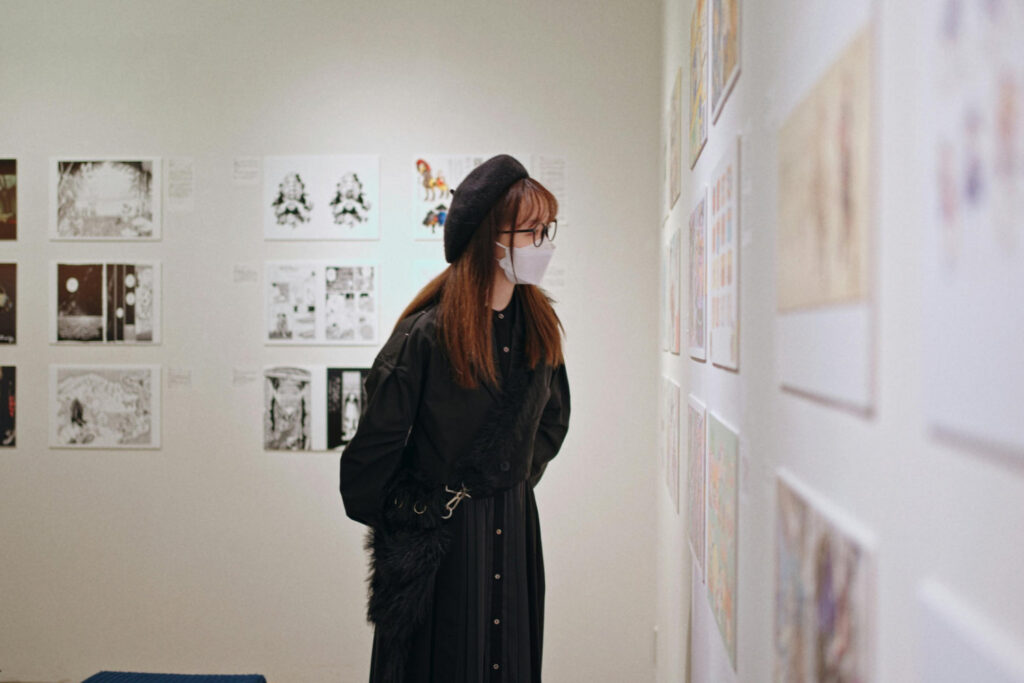
Tokyo is home to a diverse and exciting art scene, with public galleries and museums spread across the city showcasing everything from ancient Japanese artefacts to cutting-edge digital installations. Whether you’re drawn to traditional paintings, contemporary sculpture, or immersive technology-driven experiences, the city offers something for every taste. Many of these spaces are housed in buildings designed by world-famous architects, making the visit worthwhile even before you step inside the galleries.
The Roppongi area has become particularly known for its concentration of cultural venues. Three major institutions form what locals call the ‘Art Triangle Roppongi’: the National Art Center, Mori Art Museum, and Suntory Museum of Art. Beyond this central hub, galleries are scattered throughout Tokyo’s neighborhoods, from the traditional calm of Aoyama to the high-tech developments of Azabudai Hills. This guide covers some of the city’s standout venues, providing practical details to help you plan your visits.
The National Art Center, Tokyo – Roppongi
Admission: Varies by exhibition (typically around ¥2,000 for special exhibitions); building entry is free
Hours: 10:00–18:00 (until 20:00 on Fridays and Saturdays). Closed Tuesdays.
Website: THE NATIONAL ART CENTER, TOKYO
Location: 7-22-2 Roppongi, Minato-ku, Tokyo GoogleMaps
Nearest Stations: Nogizaka Station (Exit 6, direct connection) – Tokyo Metro Chiyoda Line; Roppongi Station (5-minute walk) – Tokyo Metro Hibiya Line / Toei Oedo Line
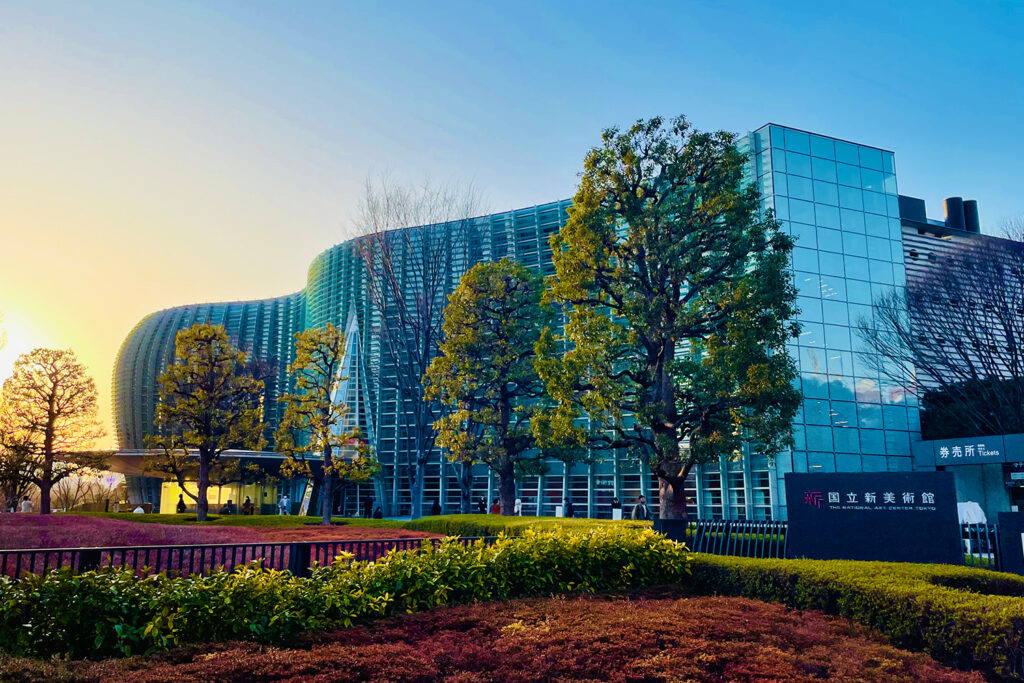
The National Art Center stands out for its striking architecture, designed by Kisho Kurokawa and featuring a distinctive wave-like glass facade. With around 14,000 square meters of exhibition space, it’s one of Japan’s largest art venues. Unlike traditional museums, it doesn’t maintain a permanent collection. Instead, it hosts rotating exhibitions covering everything from historical Western paintings to contemporary design, fashion, and manga. This approach means every visit offers something different.
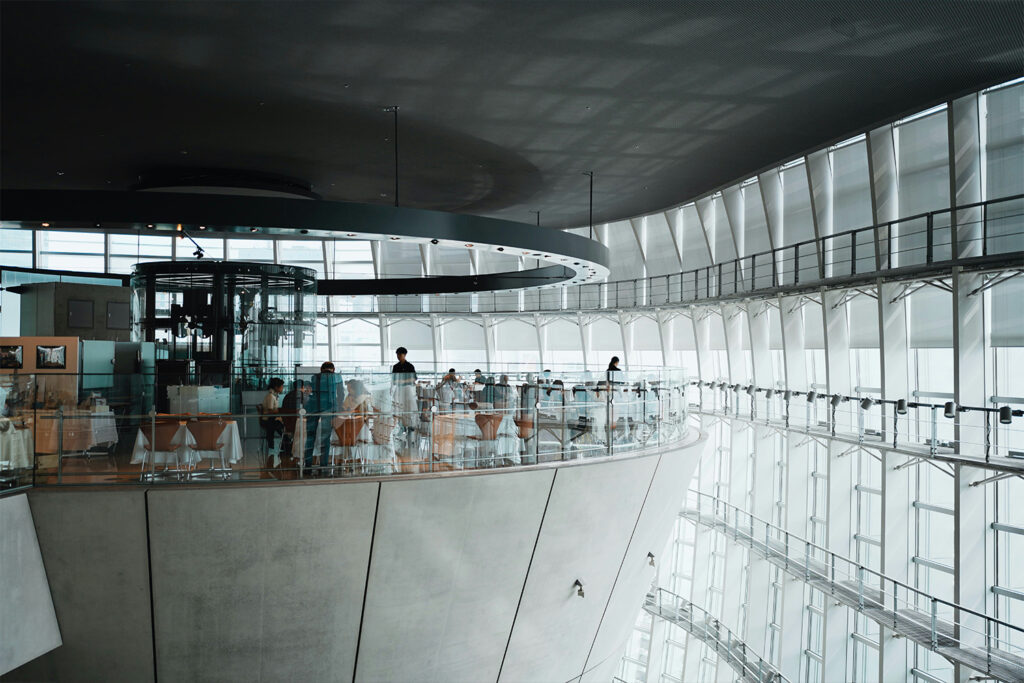
The building itself is worth exploring even without attending a paid exhibition. The soaring atrium contains restaurants and cafes, including the cone-shaped Salon de Thé Rond which featured in the popular anime film ‘Your Name’. The free art library on the upper floors holds an extensive collection of exhibition catalogues. The museum is directly connected to Nogizaka Station (Exit 6) on the Tokyo Metro Chiyoda Line.
21_21 DESIGN SIGHT – Roppongi
Admission: General ¥1,600 / University Students ¥800 / High School Students ¥500 / Junior High and under free
Hours: 10:00–19:00 (last admission 18:30). Closed Tuesdays.
Website: 21_21 DESIGN SIGHT (en)
Location: Tokyo Midtown Garden, 9-7-6 Akasaka, Minato-ku, Tokyo GoogleMaps
Nearest Stations: Roppongi Station (5-minute walk) – Tokyo Metro Hibiya Line / Toei Oedo Line; Nogizaka Station (5-minute walk) – Tokyo Metro Chiyoda Line
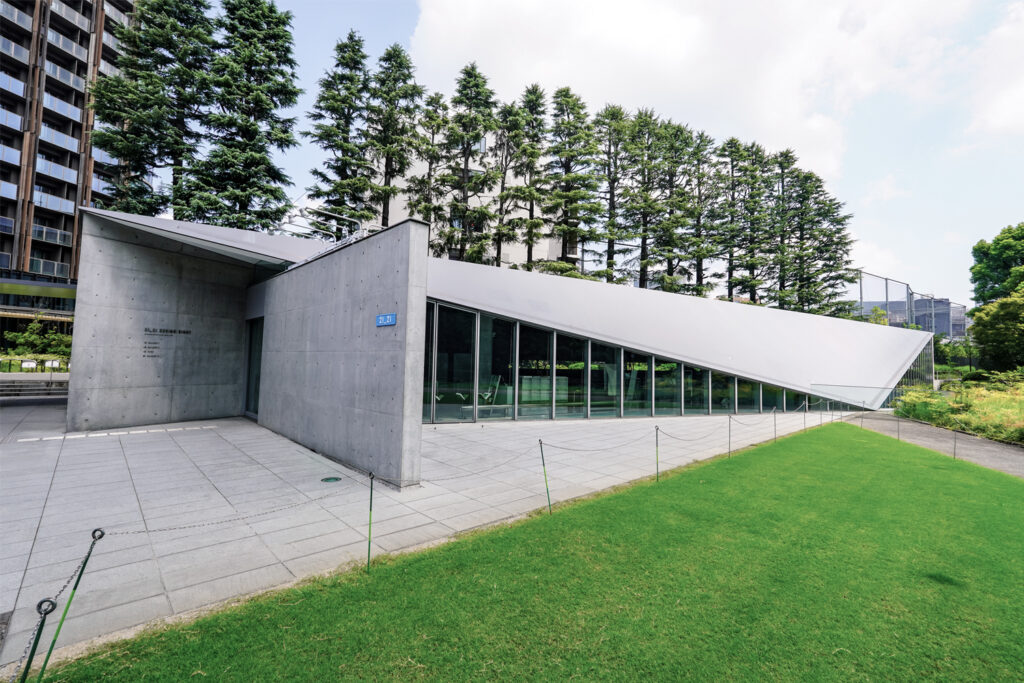
Founded by fashion designer Issey Miyake, 21_21 DESIGN SIGHT focuses on design rather than traditional fine art. The building itself, designed by architect Tadao Ando, is a work of art. Most of its space sits underground, with a distinctive folded steel roof inspired by Miyake’s fabric designs. The name references perfect vision, and the museum aims to help visitors see everyday objects and ideas from fresh perspectives.
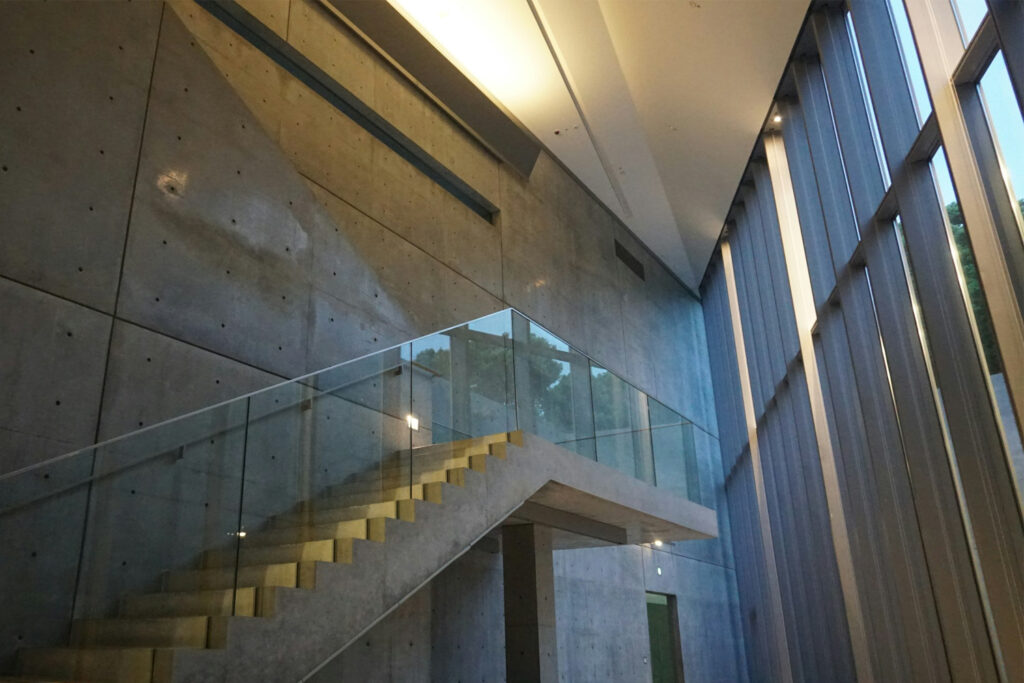
Exhibitions here tend to be thought-provoking and interactive, covering themes like product design, architecture, photography, and even concepts like food or water. Past shows have featured work by Frank Gehry, William Klein, and explorations of themes like ‘The Original’ and ‘Design Anatomy’. Located within Tokyo Midtown’s garden area, the venue combines well with visits to the nearby Suntory Museum of Art. A five-minute walk from Roppongi Station.
Nezu Museum – Minato-ku
Admission: ¥1,300 (Special Exhibition) / ¥1,100 (Collection Exhibition)
Hours: 10:00–17:00 (last admission 16:30). Closed Mondays.
Website: Nezu Museum – 根津美術館 –
Location: 6-5-1 Minami-Aoyama, Minato-ku, Tokyo GoogleMaps
Nearest Station: Omotesando Station (Exit A5, 8-minute walk) – Tokyo Metro Ginza Line / Hanzomon Line / Chiyoda Line
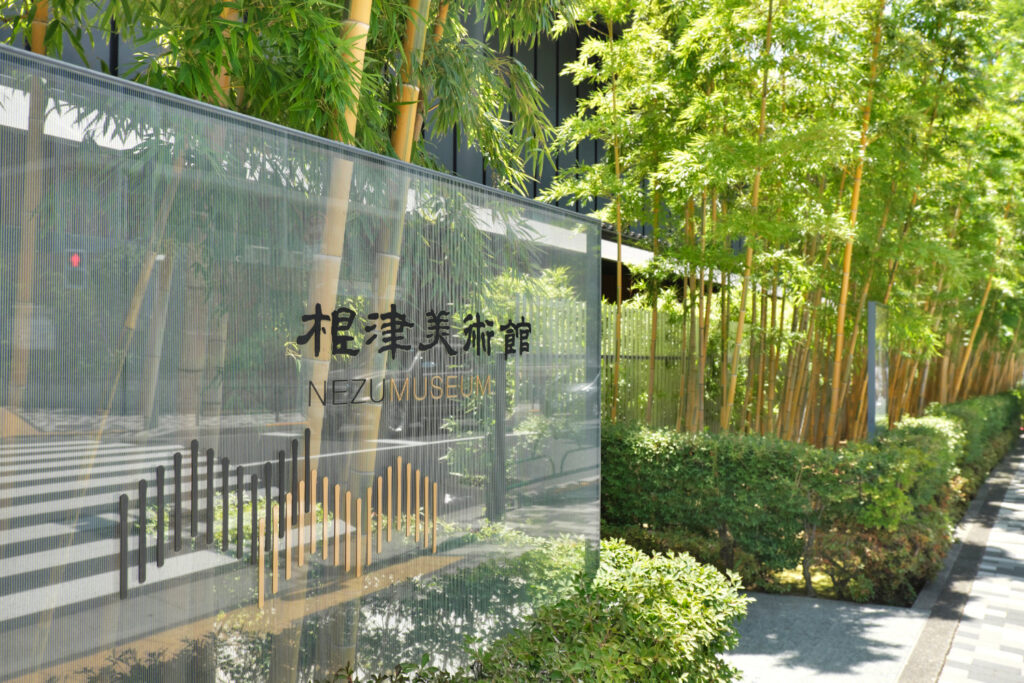
The Nezu Museum houses one of Tokyo’s finest private collections of pre-modern Japanese and East Asian art. Founded by businessman and tea ceremony enthusiast Kaichiro Nezu, the collection includes around 7,600 works spanning paintings, calligraphy, ceramics, textiles, and Buddhist sculpture. Among these are seven National Treasures and 88 Important Cultural Properties. The current building, designed by Kengo Kuma and opened in 2009, beautifully blends traditional Japanese aesthetics with contemporary architecture.
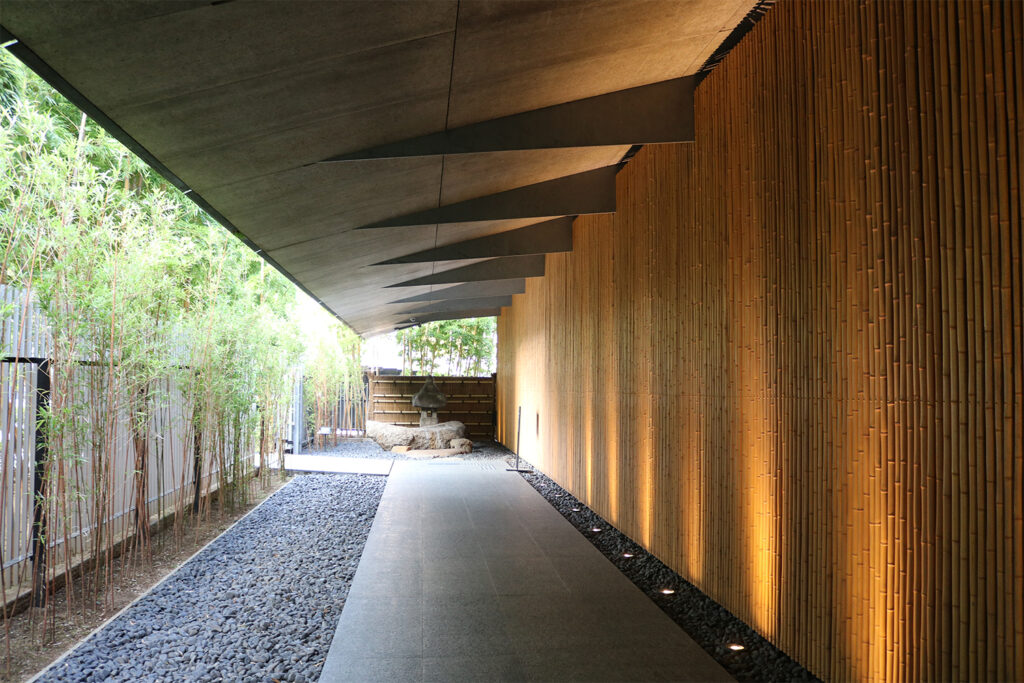
Perhaps equally compelling is the museum’s garden. This 17,000 square meter Japanese landscape garden offers a peaceful escape just minutes from the busy shopping streets of Omotesando. Winding paths lead past ponds, stone lanterns, and traditional tea houses. The on-site NEZU CAFÉ provides views of the garden while you enjoy a meal or coffee. Note that garden and café access requires museum admission. An eight-minute walk from Omotesando Station. It is designed by famous architect, Kengo Kuma.
Suntory Museum of Art – Akasaka
Admission: Varies by exhibition (typically around ¥1,300); free for junior high students and younger
Hours: 10:00–18:00 (until 20:00 on Fridays and Saturdays). Closed Tuesdays.
Website: Suntory Museum of Art
Location: Tokyo Midtown Galleria 3F, 9-7-4 Akasaka, Minato-ku, Tokyo GoogleMaps
Nearest Station: Roppongi Station (direct connection via Exit 8) – Tokyo Metro Hibiya Line / Toei Oedo Line; Nogizaka Station (3-minute walk) – Tokyo Metro Chiyoda Line
The Suntory Museum of Art operates under the principle of ‘Art in Life’, focusing on traditional Japanese arts and crafts that bring beauty to everyday existence. Its collection of around 3,000 works includes paintings, ceramics, lacquerware, glassware, textiles, and tea ceremony implements dating from the Heian to Edo periods. The museum holds one National Treasure and 13 Important Cultural Properties.
Designed by Kengo Kuma, the museum space uses natural materials like wood and Japanese paper to create a warm, contemplative atmosphere. Focused lighting puts artworks center stage against dimly lit backgrounds. A traditional tea room, Genchō-an, offers tea ceremony experiences on select days during exhibitions. The museum shop and café are accessible without purchasing exhibition tickets. Located on the third floor of Tokyo Midtown, directly connected to Roppongi Station.
Mori Art Museum – Roppongi
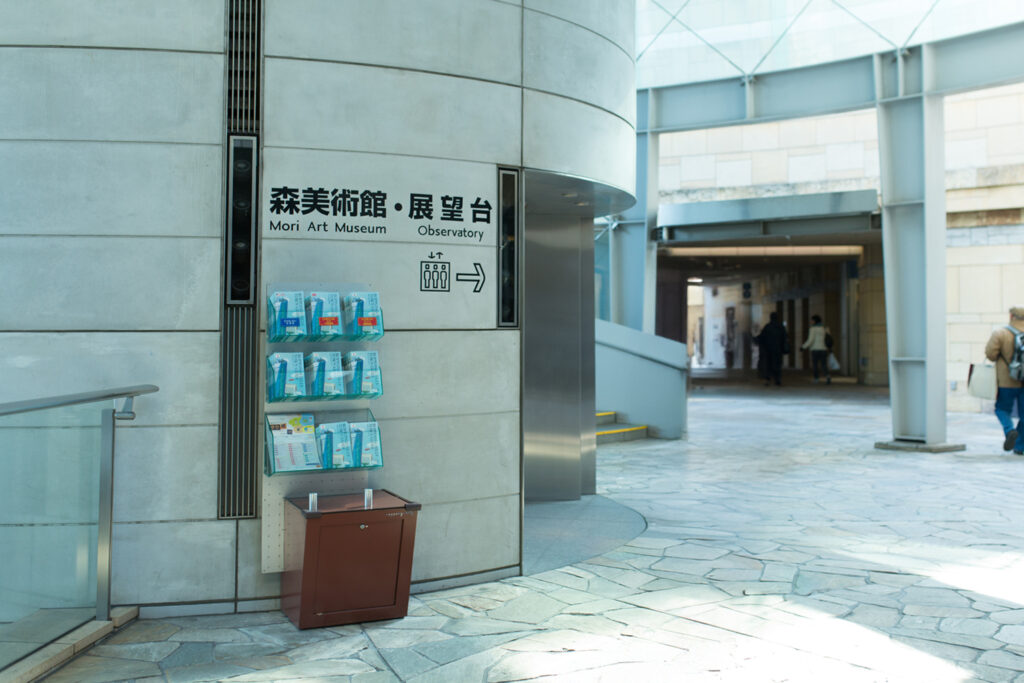
Aeroflot Manchester United Trophy Tour in Tokyo by Norio NAKAYAMA, licensed under CC BY-SA 2.0. Modified from the original. https://creativecommons.org/licenses/by-sa/2.0/
Admission: Varies by exhibition (typically ¥2,000–¥2,200 for adults)
Hours: 10:00–22:00 (until 17:00 on Tuesdays). Open every day.
Website: Mori Art Museum
Location: 53F Roppongi Hills Mori Tower, 6-10-1 Roppongi, Minato-ku, Tokyo GoogleMaps
Nearest Station: Roppongi Station (Exit 1C, direct connection to Roppongi Hills) – Tokyo Metro Hibiya Line; Roppongi Station (Exit 3, 4-minute walk) – Toei Oedo Line
Perched on the 53rd floor of Roppongi Hills Mori Tower, the Mori Art Museum is one of Tokyo’s most prominent contemporary art venues. The museum organises ambitious exhibitions featuring Japanese and international artists working across all media, from traditional painting to video installations and performance art. Its ‘Roppongi Crossing’ series, held every three years, provides comprehensive surveys of the Japanese contemporary art scene.
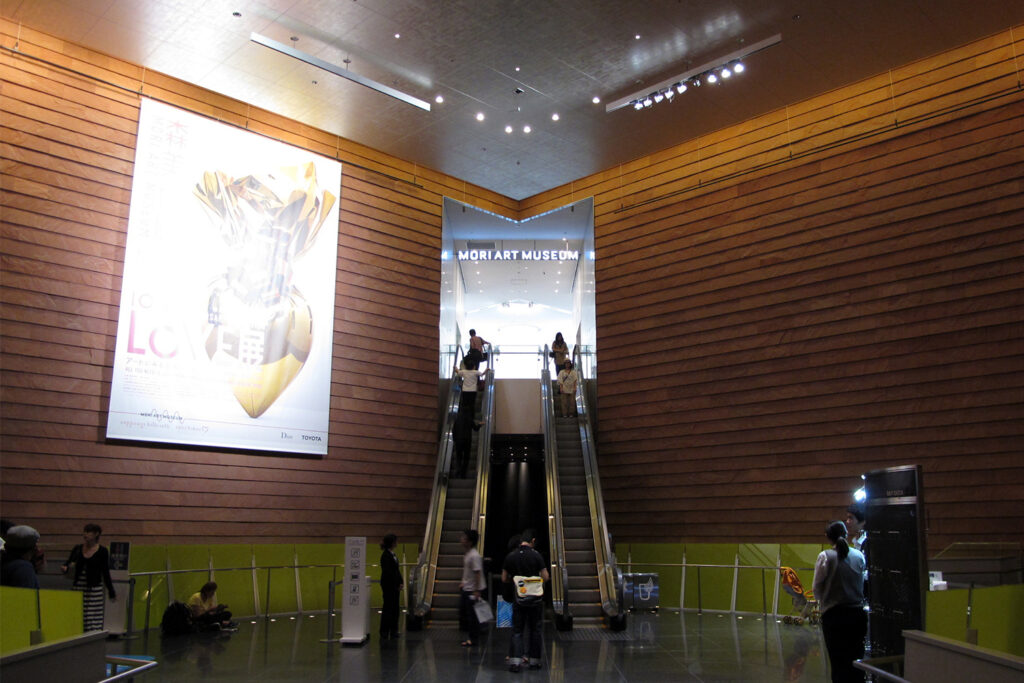
Mori Art Museum Entrance 2013 by Wing1990hk, licensed under CC BY 3.0. https://creativecommons.org/licenses/by/3.0/
The museum’s late-night opening hours make it possible to combine art viewing with evening city views from the Tokyo City View observation deck on the floor below. Combination tickets covering both venues are available. The museum café and shop offer exhibition-themed merchandise and refreshments. Zero-minute walk from Roppongi Station’s direct connection to Roppongi Hills.
The National Museum of Modern Art, Tokyo (MOMAT) – Chiyoda-ku
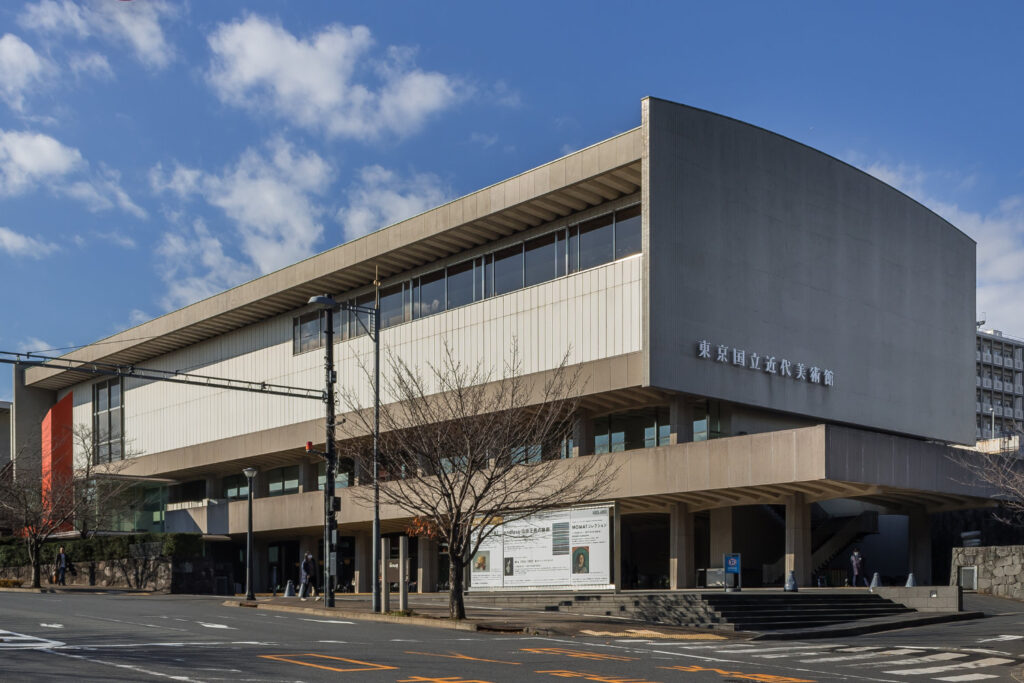
National Museum of Modern Art, Tokyo by Kakidai, licensed under CC BY-SA 4.0. https://creativecommons.org/licenses/by-sa/4.0/
Admission: ¥500 (Collection Exhibition); varies for special exhibitions. Free for under-18s and over-65s.
Hours: 10:00–17:00 (until 20:00 on Fridays and Saturdays). Closed Mondays.
Website: About MOMAT – 東京国立近代美術館
Location: 3-1 Kitanomaru-koen, Chiyoda-ku, Tokyo GoogleMaps
Nearest Station: Takebashi Station (Exit 1b, 3-minute walk) – Tokyo Metro Tozai Line
MOMAT holds Japan’s most comprehensive collection of modern and contemporary Japanese art, with over 13,000 works spanning from the Meiji period (1868–1912) to the present day. The collection includes both Western-style oil paintings and traditional nihonga (Japanese-style painting), along with photography, prints, and sculpture. Rotating displays ensure fresh perspectives on each visit.
Located in Kitanomaru Park near the Imperial Palace, the museum building itself dates from 1969. A highlight is the fourth floor ‘Room with a View’, offering peaceful vistas over the park and palace moat. The museum’s art library contains extensive reference materials for researchers. Photography is permitted in most collection galleries. Three minutes from Takebashi Station (Exit 1b) on the Tokyo Metro Tozai Line.
teamLab Borderless (Azabudai Hills) – Minato-ku

Admission: ¥3,800–¥4,800 (adults); ¥1,500–¥2,800 (children, varies by age); under 3 free
Hours: Generally 10:00–21:00 (varies; check website). Closed some Tuesdays.
Website: [Official] teamLab Borderless TOKYO, Azabudai Hills
Location: Azabudai Hills Garden Plaza B B1, Minato-ku, Tokyo GoogleMaps
Nearest Station: Kamiyacho Station (Exit 5, 2-minute walk) – Tokyo Metro Hibiya Line; Roppongi-itchome Station (Exit 2, 4-minute walk) – Tokyo Metro Namboku Line
teamLab Borderless reopened in February 2024 at its new home in Azabudai Hills after relocating from Odaiba. This immersive digital art museum describes itself as ‘a world of artworks without boundaries, a museum without a map’. Over 75 digital artworks flow between rooms, react to visitors’ movements, and blend into one another. The experience encourages wandering and discovery rather than following a set path.
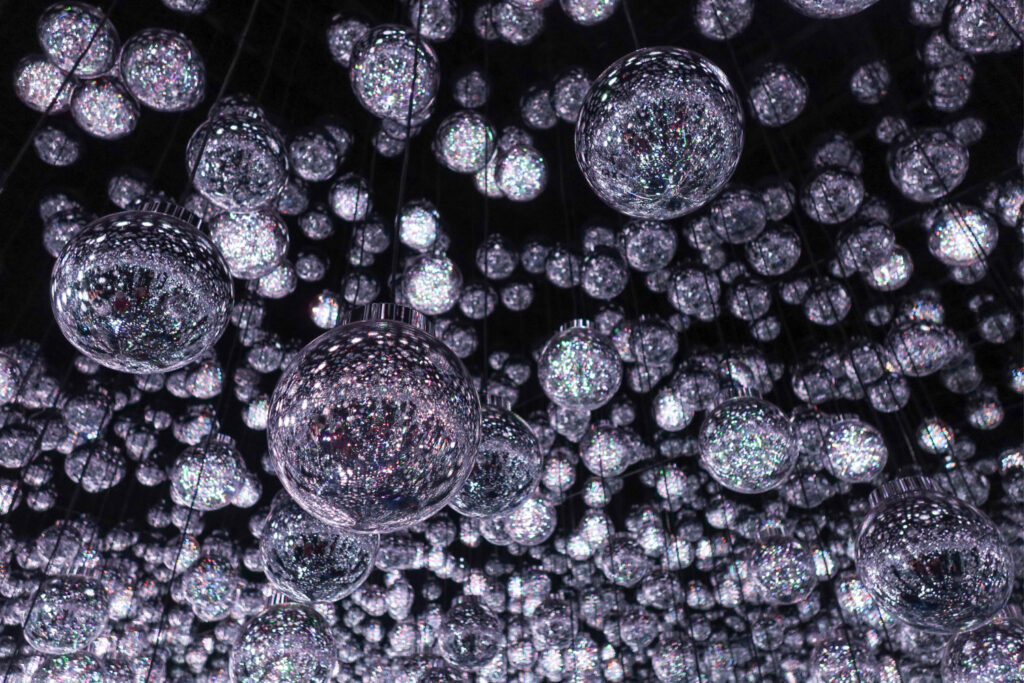
Highlights include infinity mirror rooms, cascading digital waterfalls, and the EN TEA HOUSE where flowers bloom inside your cup of tea. The new location features several works not shown at the previous venue. Advance booking is strongly recommended as time slots often sell out. Allow at least two hours to explore. Wear comfortable shoes and avoid white clothing for best visual effects. Two minutes from Kamiyacho Station (Exit 5) on the Tokyo Metro Hibiya Line.
Tokyo Metropolitan Art Museum – Ueno
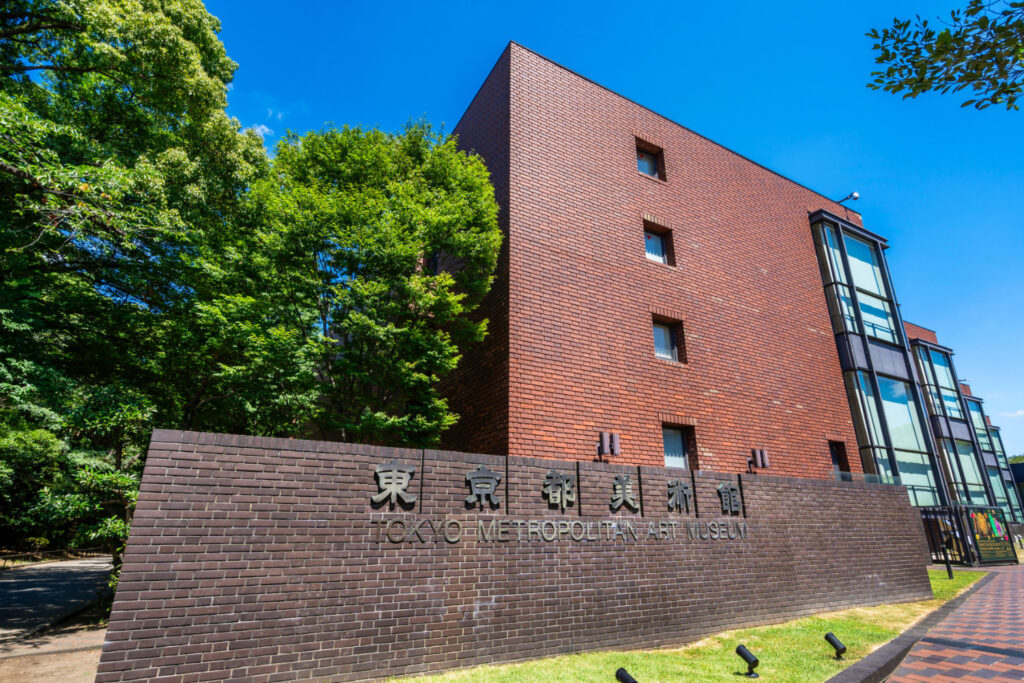
Admission: Varies by exhibition; some exhibitions free
Hours: 9:30–17:30 (until 20:00 on Fridays during special exhibitions). Closed 1st and 3rd Mondays.
Website: TOKYO METROPOLITAN ART MUSEUM
Location: 8-36 Ueno Park, Taito-ku, Tokyo GoogleMaps
Nearest Station: Ueno Station (Park Exit, 7-minute walk) – JR Yamanote Line / JR Keihin-Tohoku Line / Tokyo Metro Ginza Line / Tokyo Metro Hibiya Line; Keisei Ueno Station (10-minute walk) – Keisei Line
Japan’s first public art museum opened in 1926 and remains a beloved Tokyo institution. The current building, designed by modernist architect Kunio Maekawa and completed in 1975, sits within the cultural hub of Ueno Park. The museum hosts around 280 exhibitions annually, ranging from travelling shows featuring international masters like Van Gogh and Klimt to displays by local art associations and student groups.
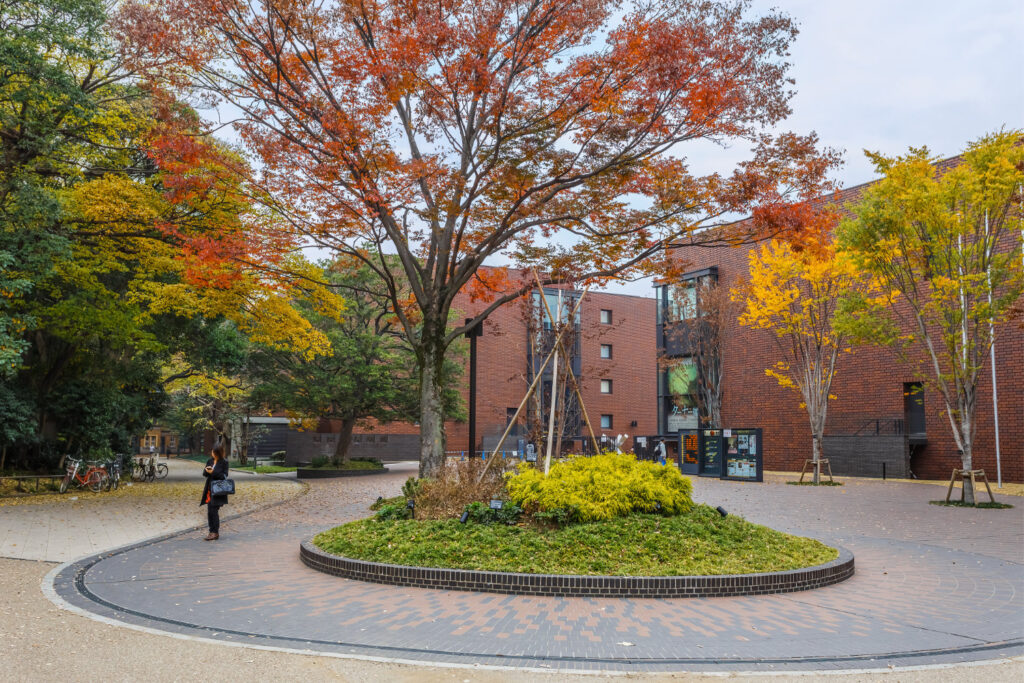
The museum positions itself as a ‘doorway to art’, running educational programes and community initiatives alongside its exhibitions. Contemporary sculptures dot the grounds, and the distinctive architecture rewards exploration. The on-site restaurant and café provide pleasant spots for breaks. Ueno Park itself offers numerous other cultural attractions including the Tokyo National Museum, making the area ideal for a full day of museum-hopping. Seven minutes from Ueno Station (Park Exit).
Museum of Contemporary Art Tokyo (MOT) – Koto-ku
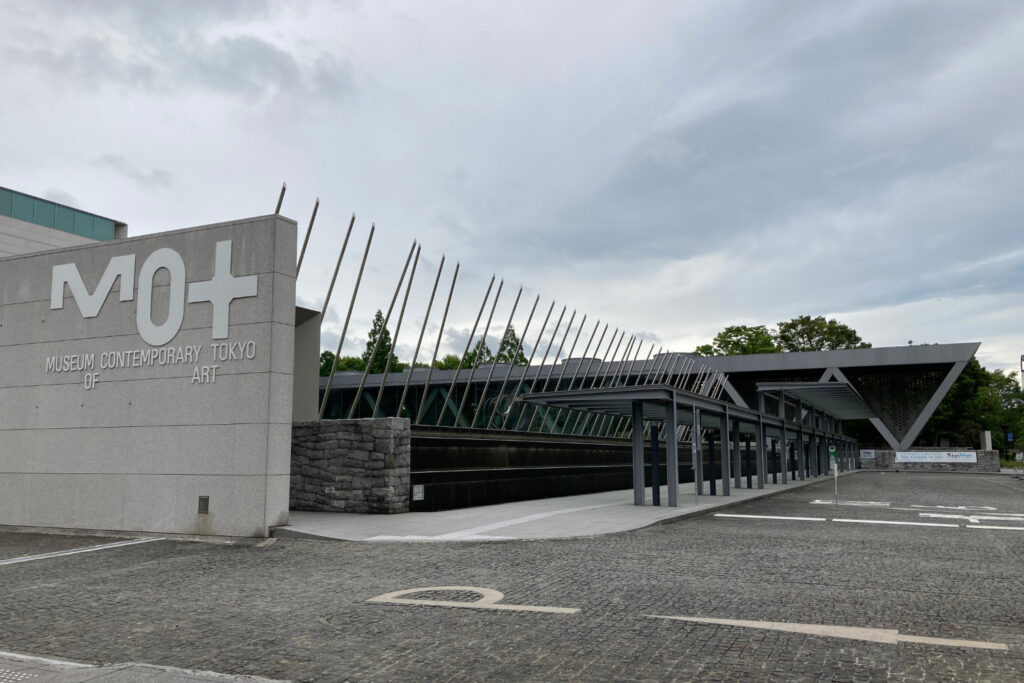
Admission: ¥500 (MOT Collection); varies for special exhibitions. Free for under-18s.
Hours: 10:00–18:00. Closed Mondays.
Website: MUSEUM OF CONTEMPORARY ART TOKYO
Location: 4-1-1 Miyoshi, Koto-ku, Tokyo GoogleMaps
Nearest Station: Kiyosumi-Shirakawa Station (Exit B2, 9-minute walk) – Tokyo Metro Hanzomon Line; Kiyosumi-Shirakawa Station (Exit A3, 13-minute walk) – Toei Oedo Line; Kiba Station (Exit 3, 15-minute walk) – Tokyo Metro Tozai Line
MOT opened in 1995 in eastern Tokyo’s Koto ward and celebrated its 30th anniversary in 2025. The museum holds around 6,000 works focused primarily on post-war Japanese art, though the collection also includes significant international pieces by artists like Ai Weiwei and Yoko Ono. The spacious galleries suit large-scale installations and ambitious temporary exhibitions covering art, architecture, fashion, and design.
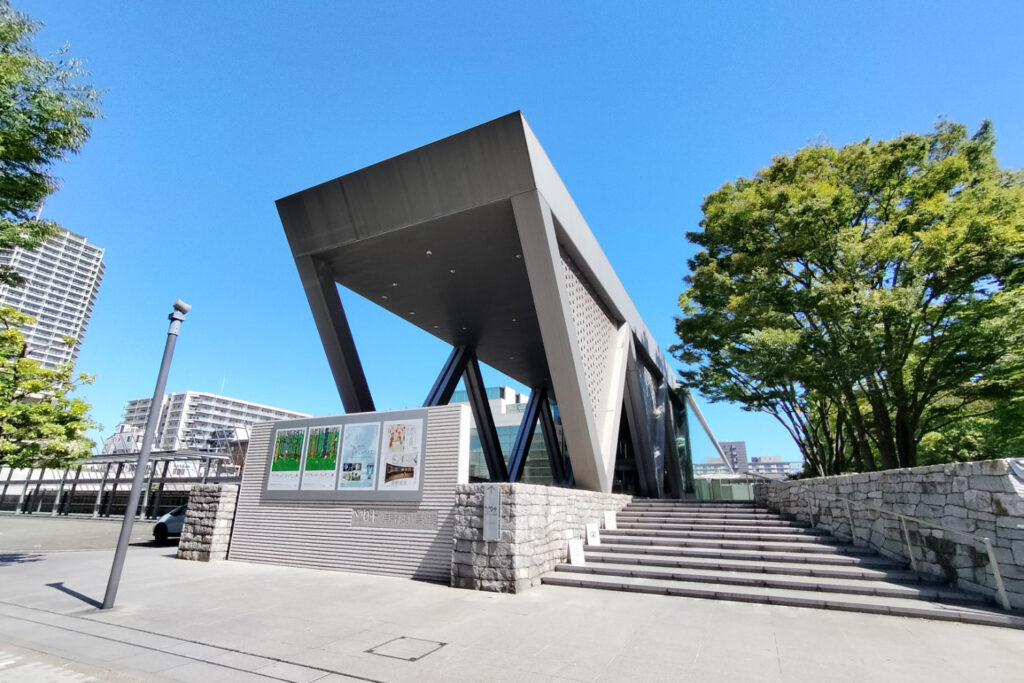
The building, designed by Takahiko Yanagisawa, features dramatic atrium spaces and a basement-level ‘Water and Stone Promenade’ worth exploring. An art library with 280,000 books serves researchers, while the family-friendly restaurant 100 Spoons caters to visitors with children. Adjacent Kiba Park offers pleasant walking. Combine with a visit to the trendy Kiyosumi-Shirakawa neighborhood known for its coffee shops and galleries. Nine minutes from Kiyosumi-Shirakawa Station (Exit B2) on the Tokyo Metro Hanzomon Line.
Artizon Museum – Chuo-ku

Admission: Varies by exhibition; free for students
Hours: 10:00–18:00 (until 20:00 on Fridays). Closed Mondays.
Website: Artizon Museum
Location: Museum Tower Kyobashi 1-7-2, Kyobashi, Chuo-ku, Tokyo GoogleMaps
Nearest Station: Tokyo Station (Yaesu Central Exit, 5-minute walk) – JR Lines / Tokyo Metro Marunouchi Line; Kyobashi Station (Exit 6 or 7, 5-minute walk) – Tokyo Metro Ginza Line; Nihombashi Station (Exit B1, 5-minute walk) – Tokyo Metro Ginza Line / Tozai Line / Toei Asakusa Line
Formerly the Bridgestone Museum of Art, Artizon reopened in January 2020 in a purpose-built tower near Tokyo Station. The collection was started by Shojiro Ishibashi, founder of the Bridgestone tyre company, and includes an impressive array of Impressionist and Post-Impressionist works alongside modern Japanese Western-style paintings. The museum has since expanded to include contemporary art, abstract paintings, and works from the Edo period.
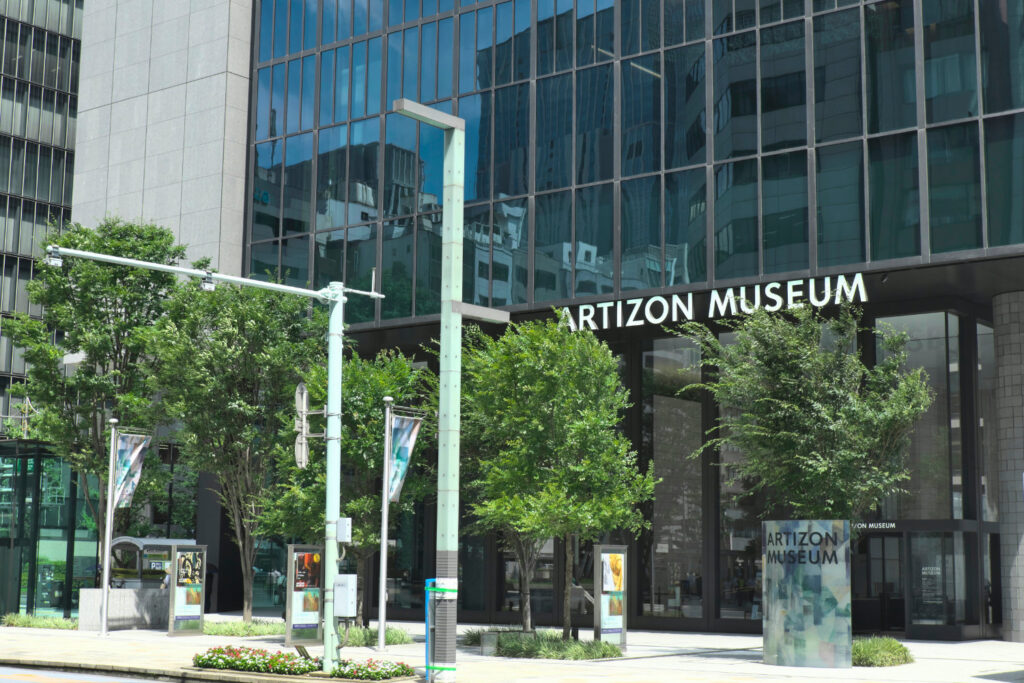
The new galleries occupy three floors with twice the exhibition space of the former museum, featuring advanced lighting and climate control. A free smartphone audio guide app provides English commentary. Students gain free admission, making this particularly welcoming for young visitors. The convenient location near Tokyo Station makes it easy to combine with other central Tokyo activities. Five minutes from Tokyo Station (Yaesu Central Exit).
Why Culture and Arts Matter to City Life
Art galleries do more than display beautiful objects. They create gathering places where people from different backgrounds can share experiences and perspectives. In a city as busy and densely populated as Tokyo, these cultural spaces offer moments of reflection and inspiration amid the daily rush. They encourage us to slow down, look carefully, and think differently about the world around us.
Tokyo’s art institutions also play important economic and social roles. They attract visitors from around the world, supporting tourism and local businesses. They provide employment for artists, curators, educators, and support staff. Museums often run community programmes connecting with schools, elderly residents, and people with disabilities. Many venues have expanded their missions to include social engagement alongside traditional exhibition activities.
The concentration of cultural facilities in certain neighborhoods shapes the character of those areas. Roppongi’s transformation from a nightlife district to a cultural destination came largely through the development of art institutions like the Mori Art Museum and National Art Center. These venues anchor wider regeneration efforts, attracting cafes, restaurants, and shops that cater to culturally minded visitors and residents.
Azabudai Hills: A New Cultural Destination

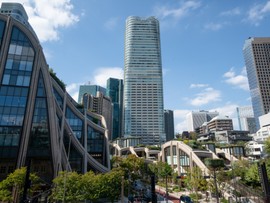
Azabudai Hills, which opened in November 2023, represents a new approach to urban development in Tokyo where art and culture sit at the heart of the project. The development houses teamLab Borderless, one of the world’s most visited digital art museums, alongside the Mori Building Digital Art Museum. Public art is woven throughout the complex, including works by Olafur Eliasson and other international artists displayed in plazas and walkways. The Azabudai Hills Gallery hosts rotating exhibitions in a purpose-built space designed for large-scale installations. This integration of cultural facilities into residential and commercial developments has become increasingly common in Tokyo.
Projects like Roppongi Hills, Tokyo Midtown, and now Azabudai Hills demonstrate how developers use galleries and museums to create distinctive neighborhoods that attract both residents and visitors. For property buyers, these cultural amenities add lasting value and help establish a sense of community that pure residential or office buildings cannot achieve on their own.
Art, Culture and Real Estate in Tokyo
Access to cultural amenities has become an increasingly important factor for people choosing where to live in Tokyo. Properties near major art institutions benefit from the prestige and vitality these venues bring to their surroundings. Areas like Roppongi, with its cluster of museums and galleries, attract residents who value being able to walk to world-class exhibitions. The recent opening of teamLab Borderless in Azabudai Hills has added another cultural draw to an already desirable central location.
Developers recognise this connection between culture and property value. Major projects like Tokyo Midtown, Roppongi Hills, and Azabudai Hills have all incorporated significant art and cultural facilities. These venues serve both building residents and the wider public, creating vibrant mixed-use developments that remain active throughout the day and evening. For luxury property buyers, proximity to quality cultural amenities can be as important as transport links or shopping convenience.
The quieter cultural neighborhoods offer their own appeal. Aoyama’s galleries and the serene Nezu Museum attract those seeking sophistication without the intensity of Roppongi. Ueno’s museum district provides a more traditional cultural atmosphere alongside the park’s natural beauty. Kiyosumi-Shirakawa, home to MOT, has developed a reputation as a creative area with independent galleries, coffee roasters, and design shops complementing the major museum.
Housing Japan
Whether you’re looking to live near Tokyo’s cultural hubs or exploring property opportunities across the city, Housing Japan can help. With over 25 years of experience in Tokyo’s luxury real estate market, our bilingual team assists clients with buying, selling, and managing residential properties in central Tokyo. From apartments near the galleries of Roppongi to homes in the leafy streets of Aoyama, we offer personalised guidance through every step of the process. Our property management services ensure your investment is looked after, whether you live in Tokyo or overseas. Contact Housing Japan today to find your ideal home in one of the world’s most exciting cities.
Q&As
What is the Art Triangle Roppongi?
The Art Triangle Roppongi refers to three major museums in the Roppongi area: the National Art Center, Mori Art Museum, and Suntory Museum of Art. These venues are within walking distance of each other and sometimes offer combined ticket deals or coordinated exhibition programming.
Do Tokyo Galleries have English information?
Most major galleries provide English signage, printed guides, and audio tours. Some smaller galleries may have limited English information. Smartphone apps with English commentary are increasingly common. Staff at ticket counters and information desks can usually assist with basic enquiries in English.
Are Tokyo galleries wheelchair accessible?
Major museums generally provide good accessibility with lifts, ramps, accessible toilets, and wheelchair loans. Some historic buildings may have limitations. Most venues offer free or discounted admission for visitors with disabilities and their carers. Check individual museum websites for specific accessibility information.
Is there a museum pass for Tokyo?
The Tokyo Museum Grutto Pass provides discounted or free admission to around 100 museums and cultural facilities in Tokyo. Valid for two months from first use, it offers good value for visitors planning multiple museum visits. Purchase at participating venues or tourist information centres.
When are Tokyo galleriesleast crowded?
Weekday mornings tend to be quietest. If you can avoid weekends, national holidays, and school holiday periods if you prefer smaller crowds. Popular exhibitions can remain busy throughout their run. Some museums offer extended evening hours on Fridays and Saturdays, which can be a good time to visit.