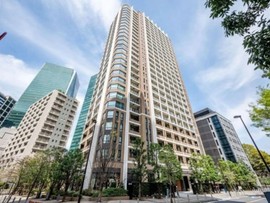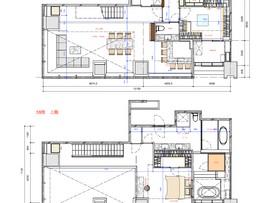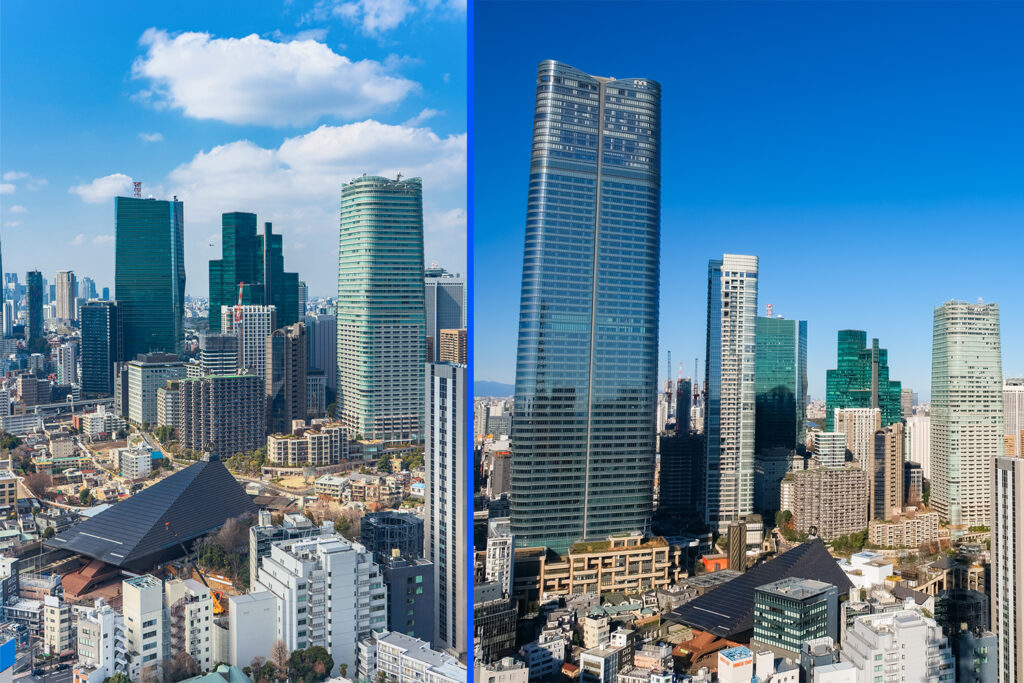
When Azabudai Hills opened in November 2023, it did more than add another tall building to the Tokyo skyline. It reshaped the housing market around it. Property values in the surrounding streets moved in ways that were hard to ignore, and the pattern gave buyers a clearer picture of how large redevelopments can affect nearby homes.
This article looks at what happened in the blocks around Azabudai Hills, and then turns to four other parts of Tokyo where similar changes may be underway: Tsukiji, Roppongi 5-chome West, Hamamatsucho, and Shinjuku. Each is at a different stage, which matters for people thinking about when and where to buy.
What Happened Around Azabudai Hills
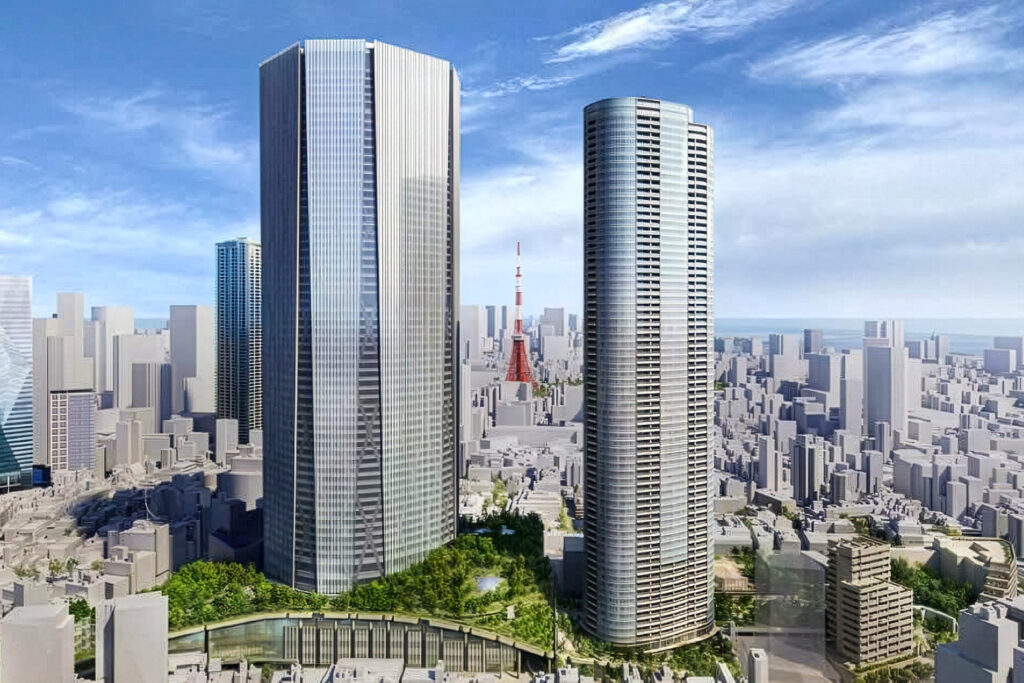
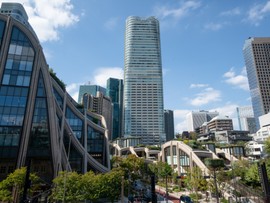
Azabudai Hills is a Mori Building project covering about 8.1 hectares in Minato Ward. The site includes three towers, the tallest being the 325-metre Mori JP Tower, along with residences, offices, hotels, retail, a medical centre, and The British School in Tokyo. The redevelopment was authorised in September 2017and construction began in August 2019. The complex opened on November 24, 2023, according to Mori Building.
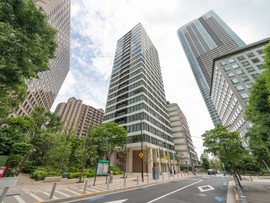
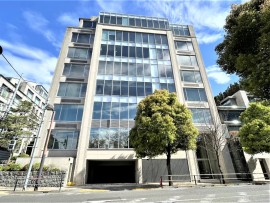
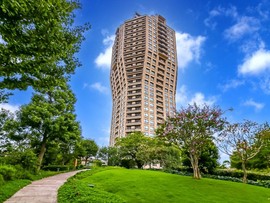
The effect on nearby residential property was clear. Housing Japan’s own research into buildings within walking distance of the site found that several luxury towers saw their estimated values roughly two to three times higher between 2016 and 2025. The full breakdown, including named buildings and year-by-year data, is covered in our companion piece: Investment Insight Near Tsukiji Redevelopment: Learning from Azabudai Hills.
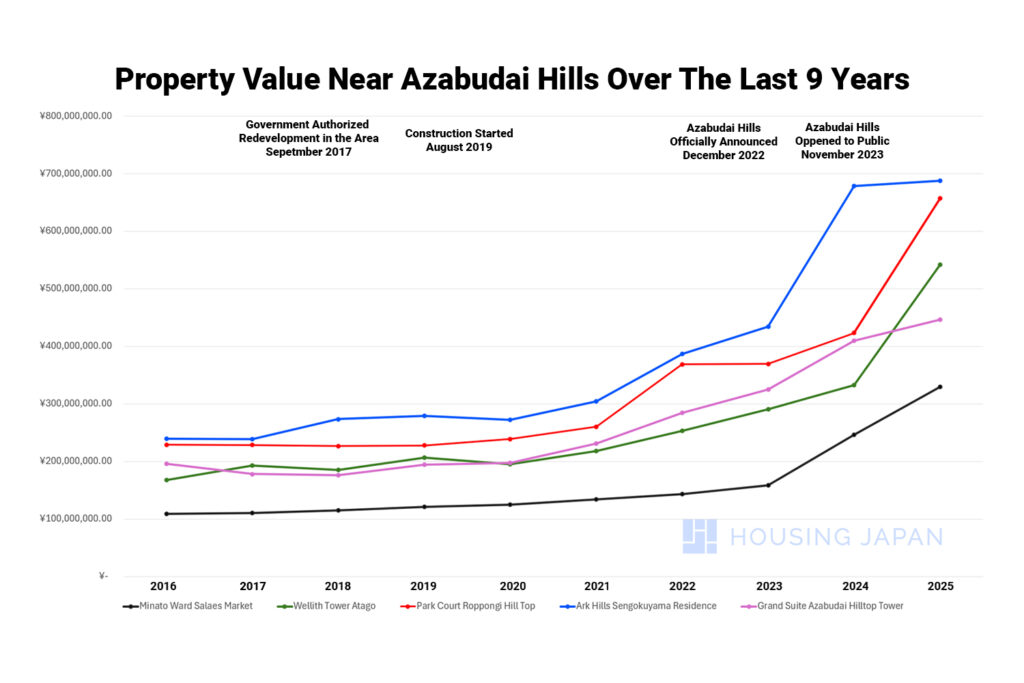
The short version is this. Before the redevelopment was announced, the buildings we tracked moved in line with the broader Minato-ku average. After the announcement in 2017, and especially after construction progress became visible, values began to separate from the pack. The closer a building sat to the finished complex, and the more direct its access to the new amenities, the stronger the change tended to be.
Past performance does not predict future results, and every property decision should be made with professional advice. But the pattern around Azabudai Hills is worth studying because it shows how a single large project can shift a neighbourhood’s profile in a measurable way.
Why These Changes Happen
Large redevelopments bring several things to an area at once. New office space brings workers who need housing nearby. New retail and dining raise the profile of the neighbourhood. International schools and hotels attract families and visitors who would not have considered the area before. Transport access often improves at the same time.
When all of these arrive together, demand for nearby homes tends to rise. Azabudai Hills added offices for roughly 20,000 workers, around 1,400 residential units, approximately 150 shops and restaurants, a medical centre, and an international school. That is a lot of change landing in one place, and the housing market around it responded.
This is why the announcement and construction phases of a redevelopment can matter as much as the opening day. By the time a project is complete, much of the change in surrounding property values may already have happened.
Tsukiji: The Next Project of Similar Scale
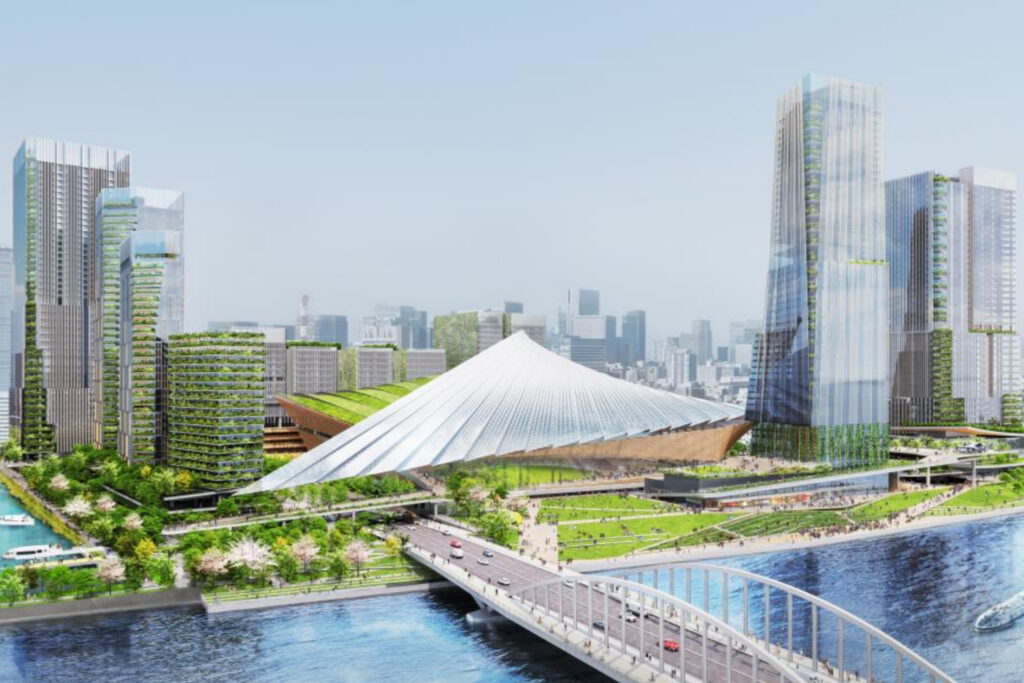
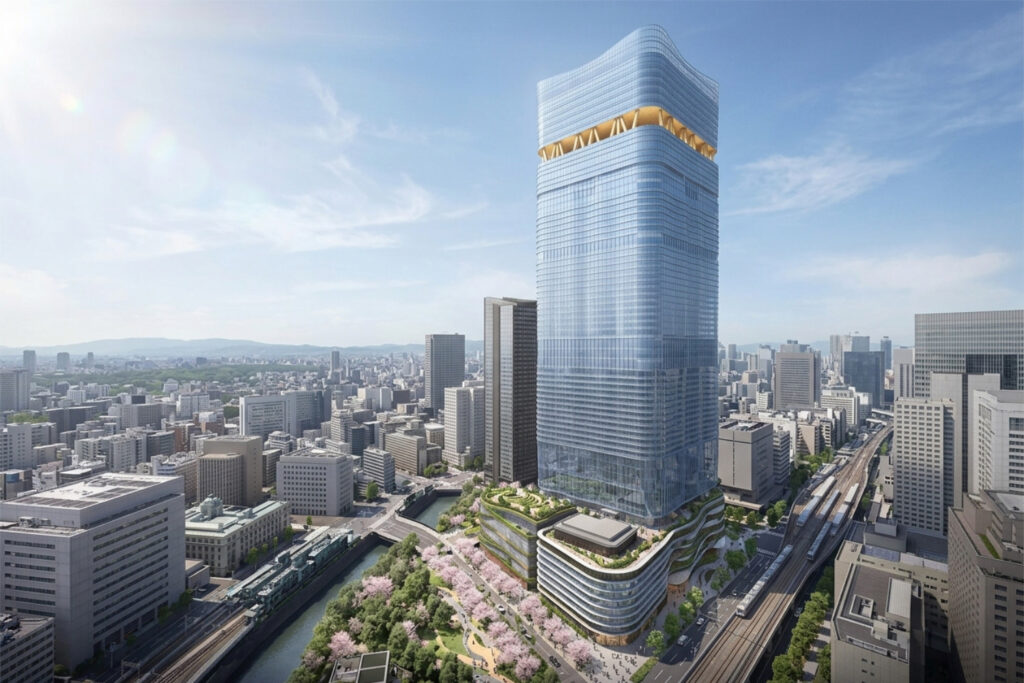
The Tsukiji District Redevelopment Project is the closest thing Tokyo has to another Azabudai Hills moment, and in some ways the scale is larger.
In April 2024, the Tokyo Metropolitan Government selected a consortium led by Mitsui Fudosan, together with Toyota Fudosan and Yomiuri Shimbun Holdings, to redevelop the approximately 19-hectare former Tsukiji fish market site in Chuo Ward. The estimated project cost is about 900 billion yen.
The plan includes a 50,000-seat multipurpose stadium, a life sciences and commercial complex, hotels, MICE facilities, residential buildings, and a food hall connected to the existing Tsukiji Outer Market. A new subway station on the planned Central Tokyo and Waterfront Area Subway Line is part of the transport proposals, along with a disaster prevention pier for water transport and a landing area designed for future air mobility.
The timeline matters for anyone thinking about the area. Early-stage facilities are expected to begin opening in the late 2020s. Around 80% of the development is targeted to be operational by fiscal year 2032, with full completion planned for 2038. This staged rollout mirrors what happened at Azabudai Hills, where changes in nearby property values began well before the official opening.
For a detailed look at specific buildings near Tsukiji, foundation types on reclaimed land, and how the scale compares to Azabudai Hills, see our Investment Insight Near Tsukiji Redevelopment article.
Roppongi 5-chome West: A Direct Parallel to Azabudai Hills
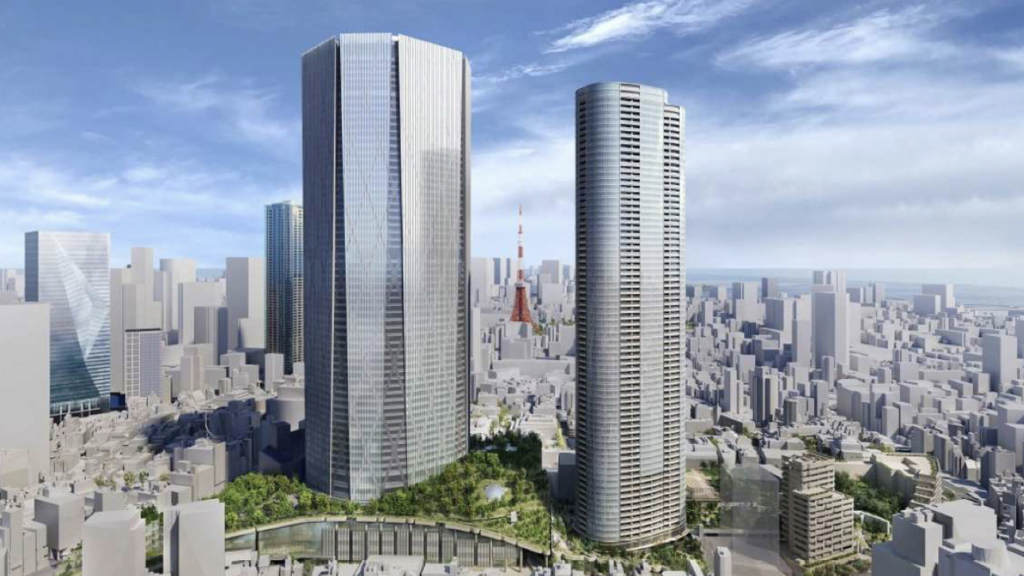
Roppongi 5-chome West, sometimes called “Second Roppongi Hills,” is arguably the closest parallel to what happened at Azabudai Hills. The project is being jointly developed by Mori Building and Sumitomo Realty & Development on roughly 10.3 hectares next to the existing Roppongi Hills complex. That is a similar footprint to Azabudai Hills at 8.1 hectares, and the developer is the same.
The plan centres on two supertall towers. Tower A-1 will rise to around 327 metres with 66 floors and house offices, a hotel, retail, and an observation deck. Tower B will reach around 288 metres with 70 floors and contain what is planned as one of the taller residential towers in Japan. Total floor area across the site is around 1.08 million square metres, and the site will connect directly to Roppongi Station on the Hibiya and Oedo lines.
Urban planning approval was granted in April 2024, with construction targeted to begin in fiscal 2025 and completion originally set for fiscal 2030. Mori Building has since signalled that rising construction costs and labour shortages are making the 2030 target harder to hold, and the developers are refining their schedules before full work begins.
For people watching how large projects affect nearby housing, Roppongi 5-chome sits at roughly the stage Azabudai Hills occupied several years before opening. Whether the same pattern repeats depends on the final timeline and the mix of tenants and residents once the towers are complete.
Hamamatsucho: A Mixed-Use District in Transition
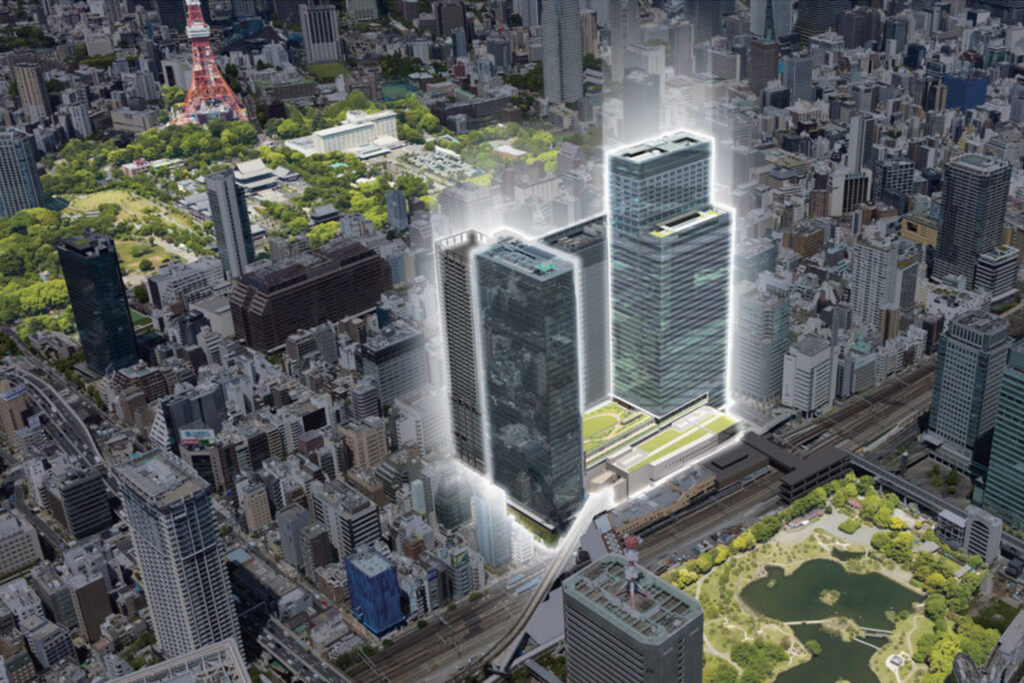
Hamamatsucho, just east of Tokyo Tower in Minato Ward, is in the middle of its own transformation. The area is being rebuilt around the World Trade Center complex, and several pieces are already in place.
World Tower Residence, a 46-storey tower with 389 homes, completed construction in 2024 and began welcoming residents in March 2025. BLUE FRONT SHIBAURA Tower S, a roughly 230-metre tower developed by Nomura Real Estate, was completed in February 2025. Fairmont Tokyo, the first Fairmont-branded hotel in Japan, opened on the upper floors of Tower S in July 2025 with 217 rooms.
More is still to come. The Minato Arts Centre, a public cultural facility with a concert hall and community spaces, is planned to open in November 2027. The WTC Main Tower and Terminal, a 46-storey office and hotel building including Raffles Tokyo, is scheduled for partial opening from 2027. BLUE FRONT SHIBAURA Tower N is planned for completion in fiscal year 2031.
Hamamatsucho is different from Tsukiji in one important way. Parts of the transformation are already visible and usable. People can walk through the new waterfront spaces, stay at Fairmont Tokyo, and live in World Tower Residence today. For a closer look at what is open, what is still under construction, and what it means for the area, see our article Hamamatsucho Redevelopment: Living Near Tokyo’s New World Trade Centre.
Shinjuku: A Long-Term Station Upgrade
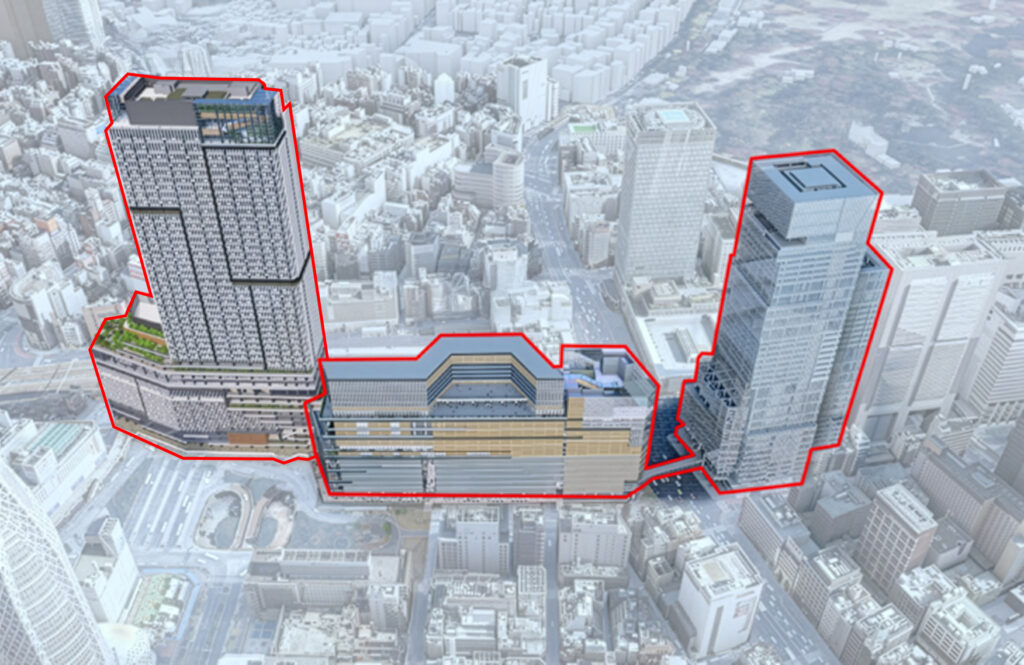
Shinjuku sits at the other end of the spectrum. The Shinjuku Grand Terminal project will reshape the area around Shinjuku Station, which holds the Guinness World Record for passenger throughput and sees around 3.6 million people pass through each day.
The project brings together several separate developments. On the West Exit, Odakyu Electric Railway, Tokyo Metro, and Tokyu Land Corporation are building a 48-storey tower in Nishi-Shinjuku reaching approximately 260 metres. Construction began in March 2024, and the building is scheduled to open by the end of fiscal year 2029. On the Southwest Exit, Keio Corporation and JR East are planning a 37-storey tower with offices, shops, and a luxury hotel, though the original FY2028 completion target was marked undecided in March 2025 while demolition and preparation continue.
The full Shinjuku Grand Terminal timeline stretches into the 2040s. The redesigned West Exit plaza is targeted for completion in fiscal year 2035, and the North Area building along with the elevated east-west deck are expected around 2046.
This longer horizon changes how the project should be thought about. Shinjuku is unlikely to see the same sharp before-and-after moment that Azabudai Hills produced. Instead, changes are more likely to unfold in stages, with each new building or plaza opening adding to the area over time. Our article How Shinjuku Station’s Redevelopment Could Impact Tokyo Real Estate covers the full plan in detail.
Comparing the Three at a Glance
| Project | Scale | Key Dates | Stage Today |
|---|---|---|---|
| Tsukiji Redevelopment | ~19 hectares, ~900 billion yen | Early facilities late 2020s; ~80% by FY2032; full completion 2038 | Basic agreement signed March 2025; construction beginning |
| Roppongi 5-chome West | ~10.3 hectares, two supertall towers (~327m and ~288m) | Urban planning approved April 2024; construction from FY2025; original FY2030 target under review | Pre-construction; timeline being refined |
| Hamamatsucho / WTC | Multiple towers across Shibaura and Hamamatsucho | World Tower Residence open 2025; WTC Main Tower from 2027; Tower N 2031 | Partly complete and occupied |
| Shinjuku Grand Terminal | Multiple towers around Shinjuku Station | West Exit tower FY2029; West plaza FY2035; full completion into 2040s | Construction underway; long horizon |
What This Means for People Looking at Tokyo Property

The Azabudai Hills pattern suggests a few things worth keeping in mind.
First, timing matters. Buyers who looked at nearby buildings after the redevelopment was authorised in 2017, but before the opening in 2023, saw a window that no longer exists in the same form. Tsukiji is closer to that earlier stage today. Hamamatsucho is further along. Shinjuku is spread across a much longer timeline.
Second, proximity and access matter. The buildings closest to Azabudai Hills, and those with the most direct walking access to its amenities, moved more than those further away. Buyers thinking about any of these three areas should think carefully about how close a property is to the actual project, not just the district name.
Third, the character of each project is different. Tsukiji will be anchored by a stadium, a life sciences hub, and a waterfront. Hamamatsucho is built around a major train station, Haneda Airport access, and luxury hotels. Shinjuku is a station upgrade in one of the busiest commercial districts in the world. Each will attract different kinds of residents and workers, and that affects which buildings nearby stand to benefit most.
None of this guarantees future price movement. Markets depend on many factors beyond any single project, and property decisions should always be made with professional advice. But understanding the pattern around Azabudai Hills gives a useful starting point for thinking about where the next changes in Tokyo’s housing market may come from.
Q&A
How much did property values around Azabudai Hills actually change? Housing Japan’s research on luxury towers within walking distance found estimated value increases of roughly two to three times between 2016 and 2025, with the strongest movement close to the complex. Year-by-year data and named buildings are in our Investment Insight Near Tsukiji Redevelopment article.
Is Tsukiji really the next Azabudai Hills? Tsukiji is at a similar stage to where Azabudai Hills sat several years before opening, and the project is larger at approximately 19 hectares compared to 8.1. The scope is also broader, including a 50,000-seat stadium, life sciences hub, hotels, and residential buildings. Whether the effect on nearby housing matches Azabudai Hills depends on factors still unfolding.
When is the best time to look at a property near a redevelopment? There is no single answer. Around Azabudai Hills, the period between government authorisation in 2017 and the 2023 opening was when much of the market change happened. For Tsukiji, that window is opening now. Hamamatsucho is partly in place already. Shinjuku runs well into the 2040s.
Which of these areas suits an international buyer? Each serves a different profile. Hamamatsucho offers direct Haneda Airport access via the Tokyo Monorail and is home to Fairmont Tokyo. Tsukiji sits on the central Tokyo waterfront near Ginza. Shinjuku is a major employment and transport hub. The right fit depends on work, family, and lifestyle.
Where can I see current luxury listings in these Tokyo Development Areas? Housing Japan lists luxury properties across central Tokyo. Many units in redevelopment zones are off-market, so direct enquiry is often the best way to see what is available.
How Housing Japan Can Help
Housing Japan specialises in buying, selling, and managing luxury residential property in central Tokyo. Our team has spent over 25 years tracking how large redevelopments affect the surrounding housing market, and we work with international buyers who want to understand the details behind the headlines. Whether you are considering a property near Tsukiji, exploring options in Hamamatsucho, or looking at Shinjuku for the long term, our bilingual team is here to help.