Japanese homes are around 30 years old on average when they are rebuilt, but this reflects a long-standing habit of rebuilding rather than a limit on how long a house can stand. The figure measures the average age of homes at the point of demolition. With good maintenance, modern homes can last 60 years or more.
Key Facts
- Average age of homes at demolition in Japan: around 30 years (MLIT)
- Estimated lifespan of a well-maintained modern home: 60 years or more
- Legal useful life for tax purposes (法定耐用年数): reinforced concrete 47 years; wooden 22 years (National Tax Agency)
- New seismic standard (新耐震基準): in force since 1 June 1981
- Housing Quality Assurance Act: in force since 2000
How long do Japanese homes last?
On average, Japanese homes are around 30 years old when they are rebuilt. That figure comes from government data on the average age of a home at the point of demolition. It tells us how often homes are replaced, not how long they can survive. The comparison works rather like estimating human lifespan by looking only at people who died young, since it leaves out every house still standing, which is most of them.
There are cultural and practical reasons behind Japan’s habit of rebuilding. The idea of impermanence runs deep, and renewal is often valued over preservation. A well-known example is Ise Jingu, one of the most important shrines in Shinto. Every 20 years it is taken apart and rebuilt using the same traditional methods and materials. The cycle is treated as a sign of renewal rather than decay, and it passes building skills from one generation to the next.
Geography plays a large part too. Japan sits on the Pacific Ring of Fire and can face earthquakes, alongside the risk of fire and flooding. For much of the last century, building quickly and cheaply in wood made recovery faster after a disaster. The scale of reconstruction after the Second World War reinforced this. Whole districts were rebuilt at speed, and replacing homes became routine rather than exceptional. Over time, that history shaped a culture that favored new construction over long-term upkeep.
Where does the value lie in Japan Real Estate, in the land or the building?

In Japan, the land is the lasting part of a property’s value. Buildings are treated as assets that age and are eventually replaced, while well-located land tends to hold its worth over time. After a few decades, much of a home’s value sits in the land beneath it. This is why location carries so much weight here.
This differs from what buyers often expect in countries where houses tend to gain value with age. In Japan, people think about a home and the ground it stands on as two separate things. The building serves the people living in it today, and the land remains the long-term anchor. For owners, that puts a clear focus on where a property sits, on the quality of the land itself, and on how well the home is looked after over its life.
The pattern also shapes how people approach a purchase. Buyers tend to weigh the character and condition of a home against the lasting worth of the land. In central Tokyo, where land has held its value over the long term, that balance is reassuring: a home can be enjoyed and updated over the years, while the land provides a steady foundation beneath it. It is one reason owners here are happy to maintain and improve a property, knowing the ground it stands on holds its worth.
What do land prices in central Tokyo show?
Land inside Tokyo’s central 23 wards have held its value over the long term, according to Ministry of Land, Infrastructure, Transport and Tourism (MLIT) data. The area is Japan’s financial and cultural center, and demand for property there has stayed steady through wider economic ups and downs.
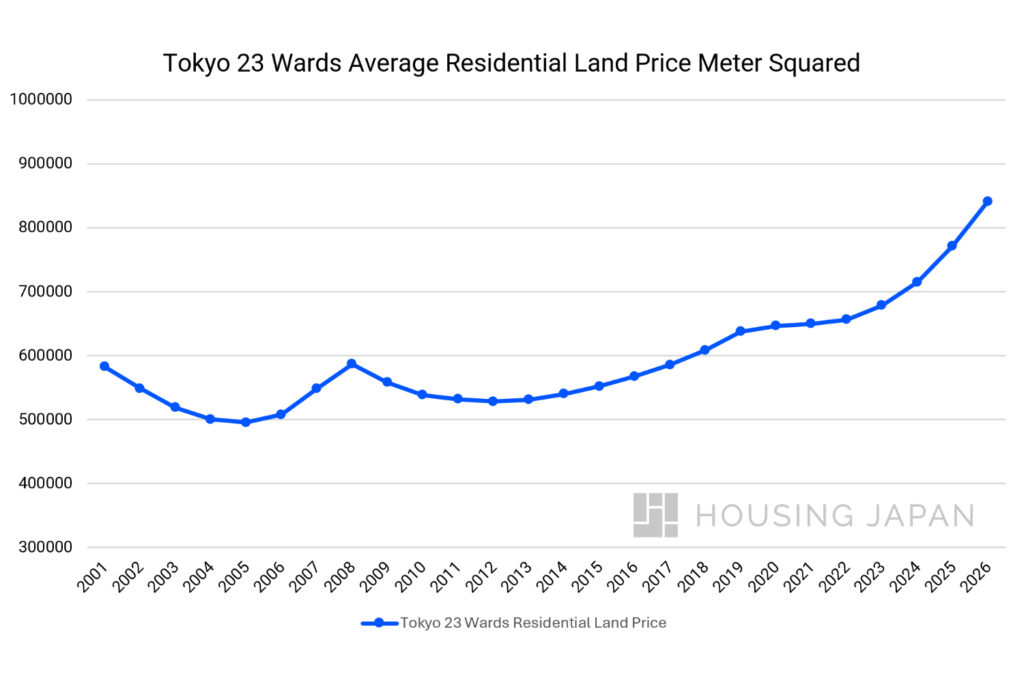
Graphic from Housing Japan’s Japan Land Prices 2026 Analysis. Source: MLIT Published Land Prices (地価公示), Tokyo 23 wards residential average.(JP only)
Over the long term, land in the central wards has shown resilience. National figures have moved through periods of rise and decline, and commercial land has historically been more variable than residential land. Central Tokyo has weathered these shifts. In some central areas, land values today stand higher than any point over the last two decades , according to MLIT data. The chart above gives the long-run picture, with residential land following a steadier path than commercial.
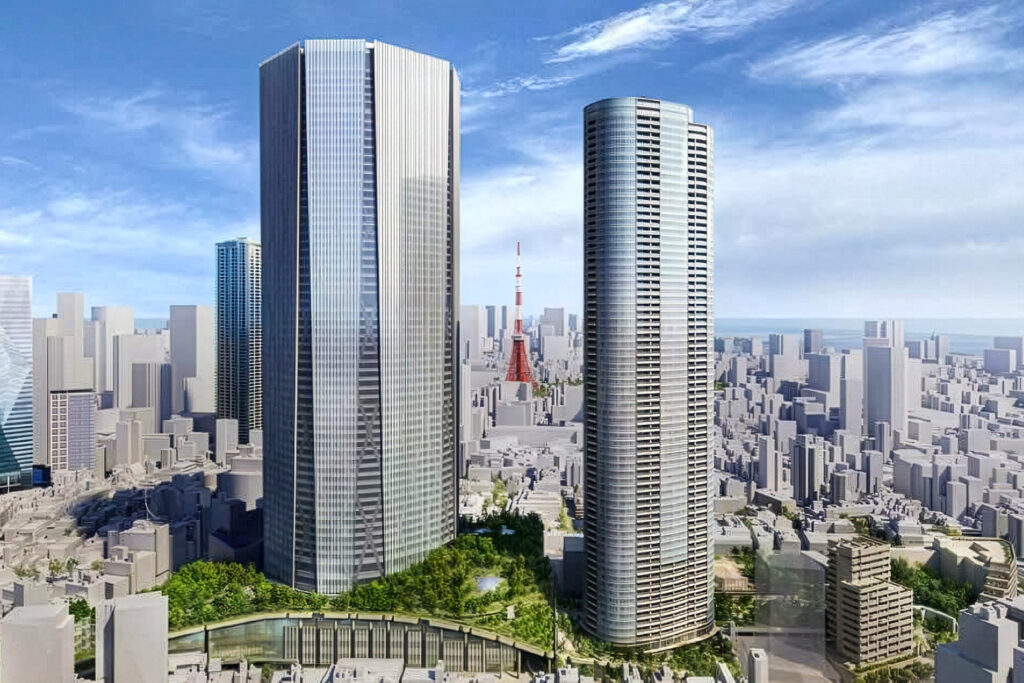
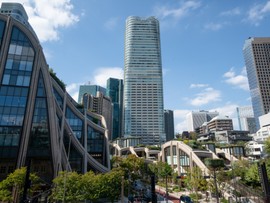
Several factors support central demand today. Low interest rates, ongoing urban redevelopment, and interest from overseas buyers have all played a role. Major infrastructure and mixed-use projects, such as Azabudai Hills, continue to reshape the city. As Tokyo changes, its central districts remain a consistent focus for people looking for long-term value rather than short-term gains.
How long do modern Japanese homes actually last?
Modern homes last considerably longer than the old 30-year figure suggests. Research from a MLIT study states that counts both standing and demolished homes estimates an average around 65 years. With regular maintenance, restoration, and retrofitting, even a wooden house can last 60 years or more. The shorter figures reflect a habit of replacement, not a hard limit on how long a building can stand.
Construction quality has improved a great deal. Until a few decades ago, the common approach was to rebuild after earthquakes rather than build to withstand them. Today, modern engineering and steel-reinforced concrete (SRC) allow tall buildings to perform well in earthquakes and last far longer. Maintenance matters too. Homes that are looked after, with roofs, fittings, and services kept in good order, hold up far better than those left to age.


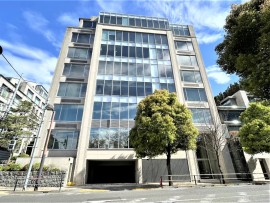
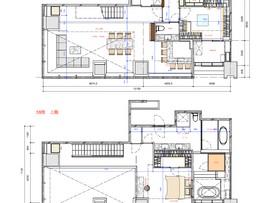
Attitudes are shifting as well. Demand for new homes has outpaced supply, and many younger buyers now renovate older properties instead of building from scratch. Housing Japan recently remodelled a condominium in Akasaka, updating a compartmentalised older layout into a modern, open living space suited to how people live today. Projects like this show how existing buildings can be brought up to current standards and given a longer life. They also reduce demolition waste, which makes renovation a more sustainable option as Japan rethinks its older housing stock.
What does the government data say, and how does Japan compare?
The government publishes “useful life” figures for buildings, used mainly for tax depreciation. These are accounting figures, not a measure of how long a building can physically stand. A reinforced-concrete home does not become unusable at 47 years, any more than a car stops running once it is fully depreciated. This distinction is a common source of the 30-year confusion. The current figures from the National Tax Agency for residential buildings are below.
| Construction type | Legal useful life (years) |
|---|---|
| Steel-reinforced concrete or reinforced concrete | 47 |
| Brick, stone or block | 38 |
| Steel frame (heavier than 4mm) | 34 |
| Steel frame (3–4mm) | 27 |
| Lightweight steel frame (3mm or under) | 19 |
| Wooden or wooden-frame mortar | 22 |
Source: National Tax Agency (国税庁), “Useful Life of Depreciable Assets” (JP only)
On the international comparison, MLIT data put the average age of a demolished home at 32.1 years in Japan, against 66.6 years in the United States and 80.6 years in the United Kingdom (2020 figures). It is important to read these as demolition-age figures rather than maximum lifespans. They differ partly because of building materials, climate, and regulations, and partly because of how often homes are replaced. As noted above, survival-based estimates that count standing homes place Japanese houses much closer to other countries.
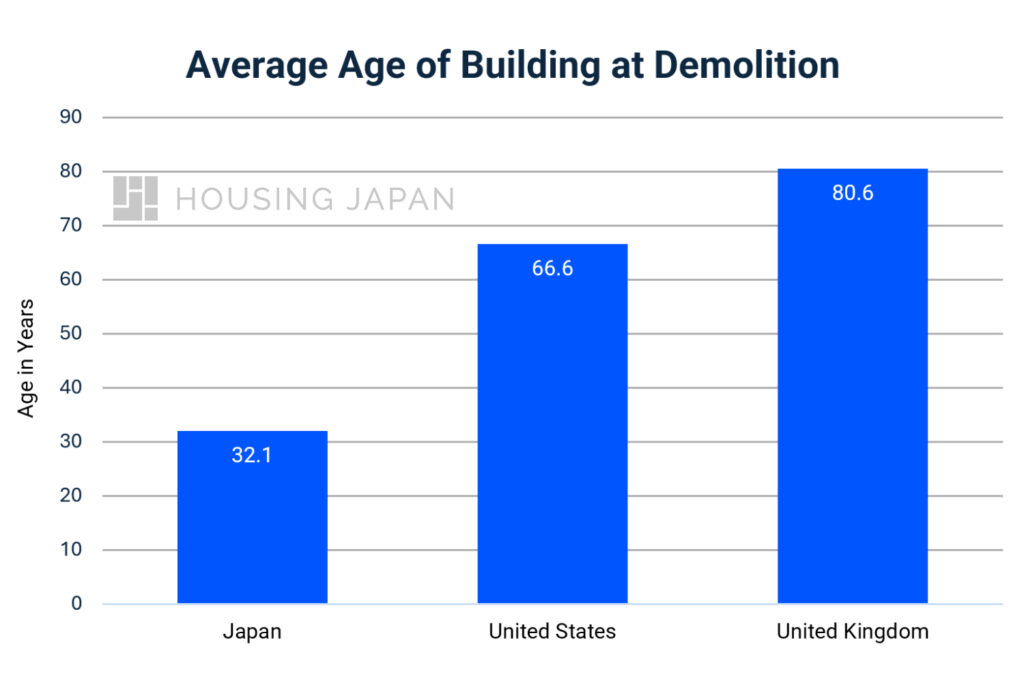
Ministry of Land, Infrastructure, Transport and Tourism (MLIT) — “Status of Japan’s Housing Stock” (我が国の住宅ストックをめぐる状況について), 2020: https://www.mlit.go.jp/policy/shingikai/content/001323215.pdf (JP only)
Should you buy an older or newer luxury home in Tokyo?
Start with location and land value. The history of land prices in an area tells you a great deal, and Housing Japan can provide this data from official sources. Central Tokyo has shown a long-term upward trend in land values, according to MLIT figures, which is why many buyers begin their search there.
Newly built homes are generally favoured by Japanese buyers, which can support demand when a property is later resold. Newer buildings also tend to offer better renovation potential and are built to current standards. This preference is one reason new developments hold their appeal, particularly in central districts.
If you are considering a second-hand home, two dates matter. A “Shin-taishin Kijun” building received its Construction Completion Certificate on or after 1 June 1981, meaning it meets the stricter 1981 earthquake-resistance standard. The Housing Quality Assurance Act, in force since 2000, introduced clearer measures for assessing the condition of a property and improved safeguards for wooden buildings. Both make it easier to judge an older home with confidence. It is also worth reviewing maintenance and renovation records, since a well-kept older home can be a sound choice.
Working with Housing Japan
At Housing Japan, we specialize in buying, selling, and managing luxury real estate in central Tokyo. We work with clients from around the world and focus on central Tokyo properties. We advise clients on properties that are right for them and matches their needs and investment goals. Our bilingual team can walk you through land-price history, building standards, and the condition of a specific property. To learn more, contact our team for a personalized consultation.

Q&A
How long do houses in Japan last? The commonly quoted figure of around 30 years measures the average age of homes at demolition, not their true lifespan. With regular maintenance and modern materials, many homes last 60 years or more. The number reflects a cultural habit of rebuilding rather than any limit on how long a house can stand.
Do houses in Japan depreciate? Yes. Across Japan, buildings generally depreciate over time, while the land holds its value and can rise in high-demand areas such as central Tokyo. This means most of a property’s long-term worth sits in the land. You can view luxury properties at Housing Japan to see current homes in central districts.
Why are older houses cheaper in Japan? Older houses cost less because the building tends to depreciate while the land holds most of the value. Many older homes also lack modern features and predate current earthquake-resistance standards. After several decades, a buyer is often paying mainly for the land, with the structure adding little to the overall price.
What is the lifespan of a building in Tokyo? It depends on construction. Reinforced-concrete buildings carry a legal useful life of 47 years for tax, while wooden homes carry 22 years. These are accounting figures, not physical limits. In practice, well-built, well-maintained buildings, including those meeting the 1981 seismic standard, can last far longer.
What is the average age of Japanese property at demolition? Government data puts the average age of a home at demolition at around 30 years, shorter than figures sometimes cited for the United States and the United Kingdom. This measures demolition age, not physical limit. Survival-based estimates that count standing homes place the figure around 65 years.
Are properties in central Tokyo different? Properties in central Tokyo tend to be newer than the national average, driven by steady demand for new developments and renovations. Land values inside the Yamanote Line loop have held up well over the long term, according to MLIT data, which supports the appeal of central districts for buyers.