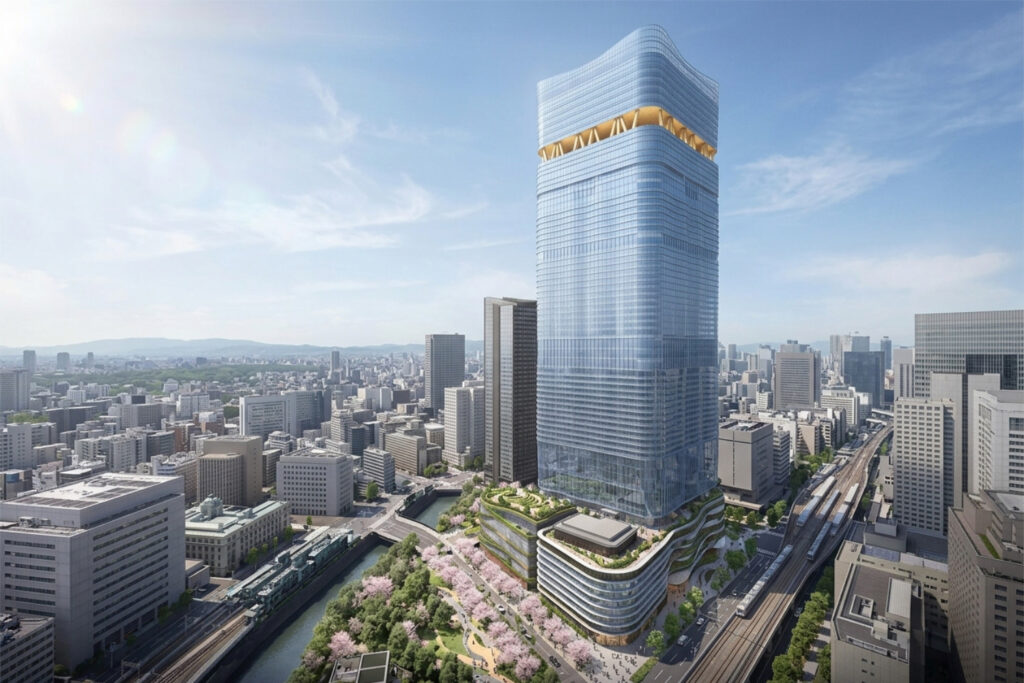
Nakano Station opens a new west ticket gate, north–south passage and station building at midday on 6 December 2026. Park City Nakano, an 807-home mixed-use block, opened in May 2026. The Nakano Sunplaza site has been reset, with Nakano City now targeting a new complex in the 2034 financial year. Land prices near the station rose again in 2026.
Key Facts
| Item | Detail |
|---|---|
| New west gate, north–south passage and bridge station building | Open from midday, Sunday 6 December 2026 |
| Atre Nakano station building | About 70 shops, opens Wednesday 9 December 2026 |
| Park City Nakano | 807 homes in two towers, completed 25 April 2026 |
| Nakano Sunplaza site | Demolition confirmed; new complex targeted for the 2034 financial year |
| Nakano ward land prices, commercial (1 January 2026) | Up 17.5 per cent, third among Tokyo’s 23 wards |
| JR Nakano Station use (2024 financial year) | 132,316 average daily boardings, 17th on the JR East network |
| Nakano ward population (2020 Census) | 344,880 residents in 208,093 households |
What is happening with Nakano’s redevelopment in 2026?
Nakano City is running a linked set of town-planning projects across roughly 110 hectares centred on Nakano Station. The ward began this work more than a decade ago, and several parts have now finished. The station itself is the piece that changes this December.
The plan covers Nakano 2-chome to 5-chome and part of 1-chome. It combines station rebuilding, new station plazas, pedestrian decks and separate private redevelopment blocks. Each part has its own timetable, so the area will keep changing into the 2030s.
When does Nakano Station’s new west entrance open?
The new north–south passage and bridge station building open at midday on Sunday 6 December 2026. Nakano City, JR East, Tokyo Metro and the Urban Renaissance Agency confirmed the date on 7 July 2026.
The passage runs about 80 metres and is 19 metres wide. It links Nakano 3-chome and Nakano 4-chome across the tracks, so people no longer need to walk round to Nakano-dori. The two exits are called Shin-Kitaguchi and Shin-Minamiguchi (Momozono-guchi).
A new west ticket gate sits on the second floor with seven ticket machines and eight gates. This should ease crowding at the existing north exit. Each platform gets a 15-person lift and up and down escalators, giving a step-free route from street to train. The concourse inside the gates adds accessible toilets and a baby care room.
The passage has a second job. In an emergency it becomes a third main evacuation route from south of the Chuo Line to the wide-area evacuation site around the ward office, alongside Nakano-dori and Momijiyama-dori.
Shops inside the gates open on the same day, with six units across about 414 sqm. The station building itself, Atre Nakano, opens three days later on 9 December 2026 with around 70 shops in roughly 7,300 sqm.
What is Park City Nakano?
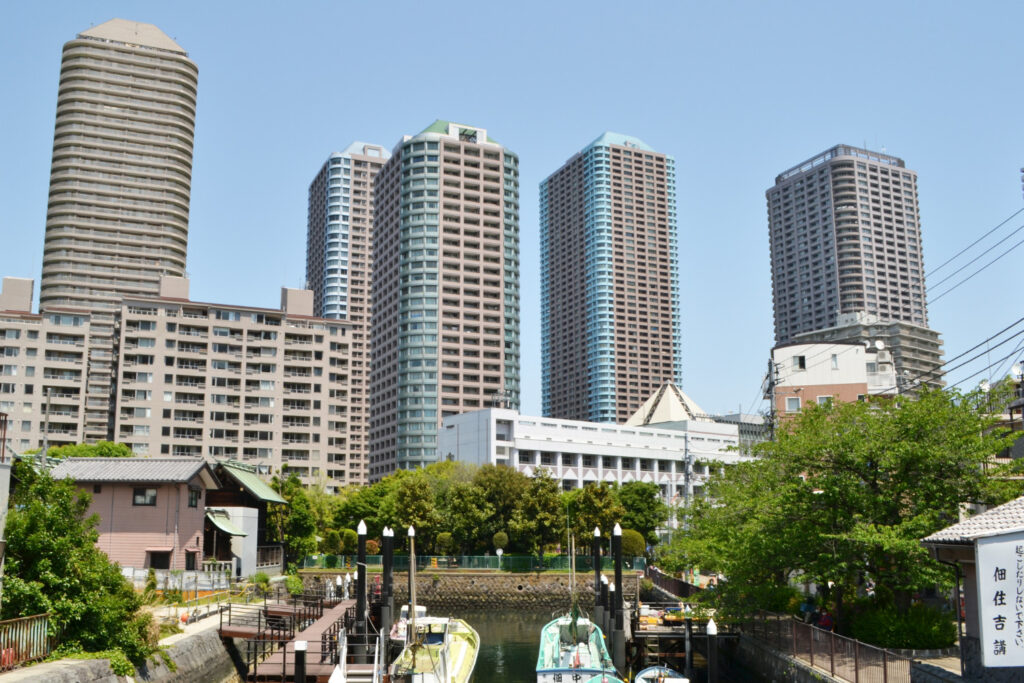
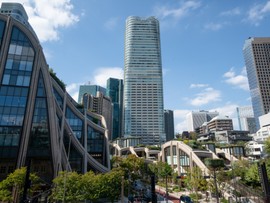
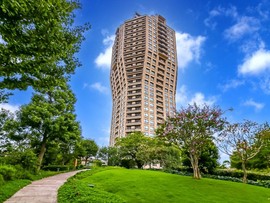
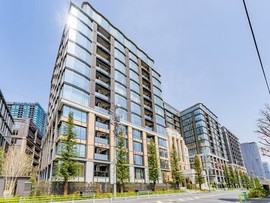
Park City Nakano is a mixed-use block north of the station that completed on 25 April 2026. Mitsui Fudosan Residential and Mitsui Fudosan developed it as part of the Kakoicho East district redevelopment association, and the retail and public spaces opened on 29 May 2026.
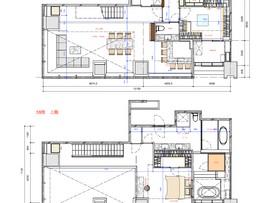
The site covers about 2.0 hectares. It holds two residential towers, The Tower Airs at 24 storeys and The Tower Breeze at 20 storeys, with 807 homes between them. Layouts run from a 30.65 sqm 1DK to a 125.12 sqm 4LDK across 105 plan types, which is a wide spread for a single scheme.
An 11-storey office building, Nakano M-SQUARE, sits closest to the station with floor plates of about 1,300 sqm. It reached completion fully let, with food, software and animation companies taking space. Eight shops occupy the lower floors, including a Summit supermarket and an electronics store.
The homes hold ZEH-M Oriented certification and the office holds ZEB Ready, both energy-efficiency standards. A pedestrian deck connecting the block directly to Nakano Station is planned for the 2029 financial year.

What was Nakano Sunplaza, and why does its shape matter?
Nakano Sunplaza opened on 1 June 1973 as the National Working Youth Hall. Nikken Sekkei designed it, with Shoji Hayashi (1928–2011) as chief architect. The Ministry of Labour commissioned it for young workers who had moved to Tokyo from the regions.
The triangle came from an disagreement the architects won. In 1969 the ministry asked Nikken Sekkei to fit three separate blocks onto a tight site: an auditorium, a hotel, and offices with sports facilities. The team argued instead for stacking all three into one volume, and won the client round.
The wedge shape then followed the evacuation plan. Areas drawing the biggest crowds sit lowest, so the auditorium fills the wide base and the hotel floors taper towards the top. Seen head-on, the building reads as an ordinary slab. From the side, it becomes a right-angled triangle. Stacking also produced something three separate blocks could not. A young worker on low pay could take an inexpensive hotel room around 80 metres up.
Sunplaza stacked a 2,222-seat hall, a hotel, a bowling alley and a swimming pool across 21 floors and about 92 metres. Artists toured the hall for 50 years, and it closed on 2 July 2023.
Residents have campaigned to keep the building. Nakano City ruled out refurbishment in March 2026, saying it never received drawings covering later alterations. The ward’s 2020 plan promised to carry over Sunplaza’s “DNA”: a hall for popular music, a design holding the memory of the original, and the name itself. That plan is now being revised.
Sunplaza belongs to the same post-war generation of Japanese buildings as the Metabolist and brutalist landmarks, we have covered elsewhere.
What happened to the Nakano Sunplaza redevelopment?
The original scheme collapsed and Nakano City has started again. A consortium led by Nomura Real Estate had planned a 60-storey tower on the combined Sunplaza and former ward office site. Estimated costs rose from ¥181 billion at the time of the 2021 agreement to more than ¥350 billion by September 2024. The group withdrew its application in October 2024, and the ward ended the agreement in 2025.
On 26 March 2026 the ward set out a new direction. A mixed-use complex with offices, homes, shops and a music hall will replace Sunplaza. The hall is now planned at 3,000 to 5,000 seats rather than 7,000. The ward is also considering a fixed-term leasehold structure instead of a conventional redevelopment scheme.
The revised project plan is due around February 2027. Nakano City then intends to select a new developer during the 2027 financial year, with completion targeted for the 2034 financial year. Sunplaza still stands in the meantime.
This matters for anyone reading about Nakano. The station works are funded, contracted and dated. The Sunplaza site is not, and its timetable may move again.
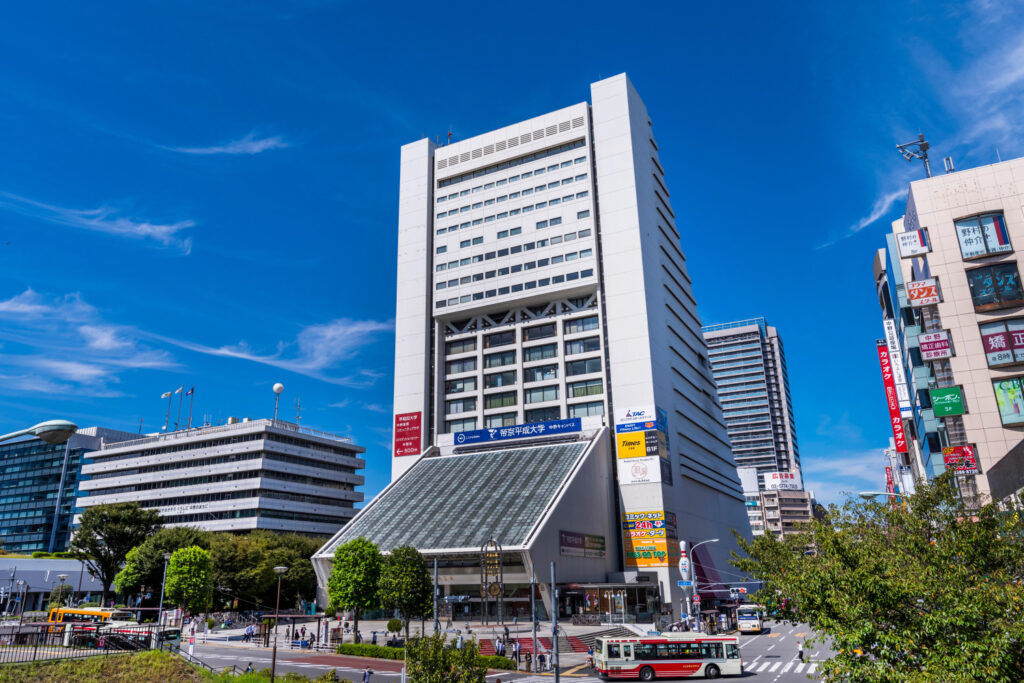
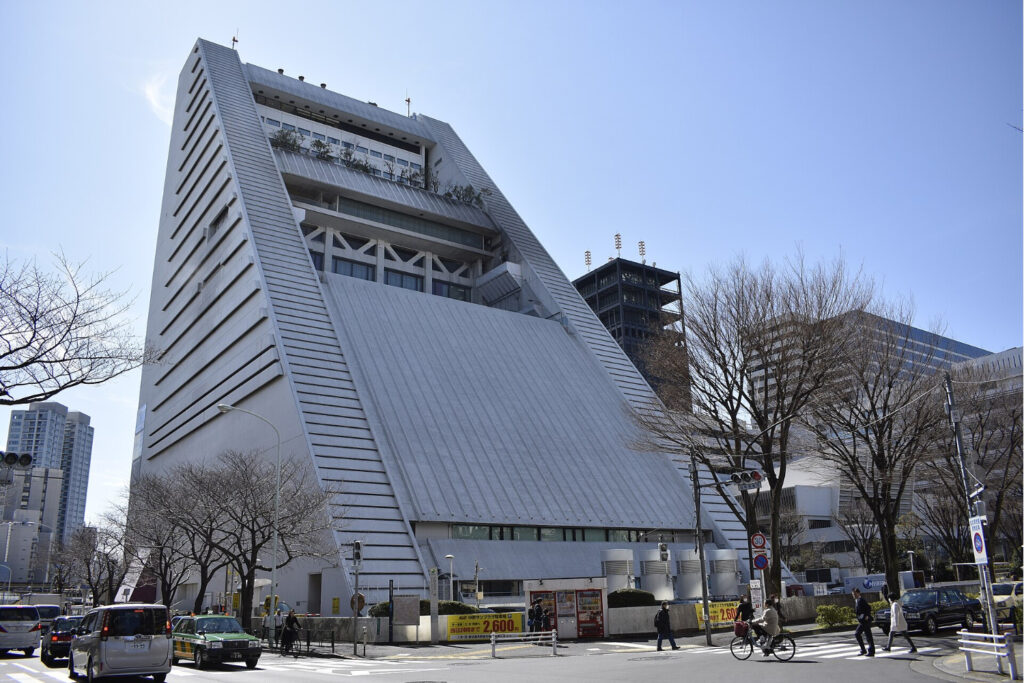
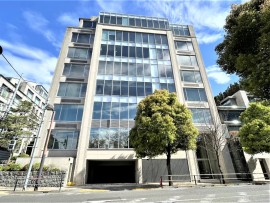
Second/right image: Nakano Sunplaza, March 2020. Photo by 江戸村のとくぞう (Edomura no Tokuzou), via Wikimedia Commons, licensed under CC BY-SA 4.0.
How have Nakano land prices changed?
Nakano ward recorded a 17.5 per cent rise in commercial land prices in the 2026 published land prices, measured at 1 January 2026. That was the third-highest figure among Tokyo’s 23 wards, behind Taito and Bunkyo, and up from 16.3 per cent a year earlier. The 23-ward average for commercial land was 13.8 per cent.
Two points are worth keeping straight. This figure covers commercial land only, which behaves differently from residential land. It also reflects station-area sites where redevelopment is concentrated, rather than the quieter residential streets further out.
Station use gives a second measure. JR Nakano handled an average of 132,316 boardings a day in the 2024 financial year, up 4.9 per cent on the previous year. That places it 17th across the whole JR East network.
How does Nakano compare with other Tokyo redevelopment areas?
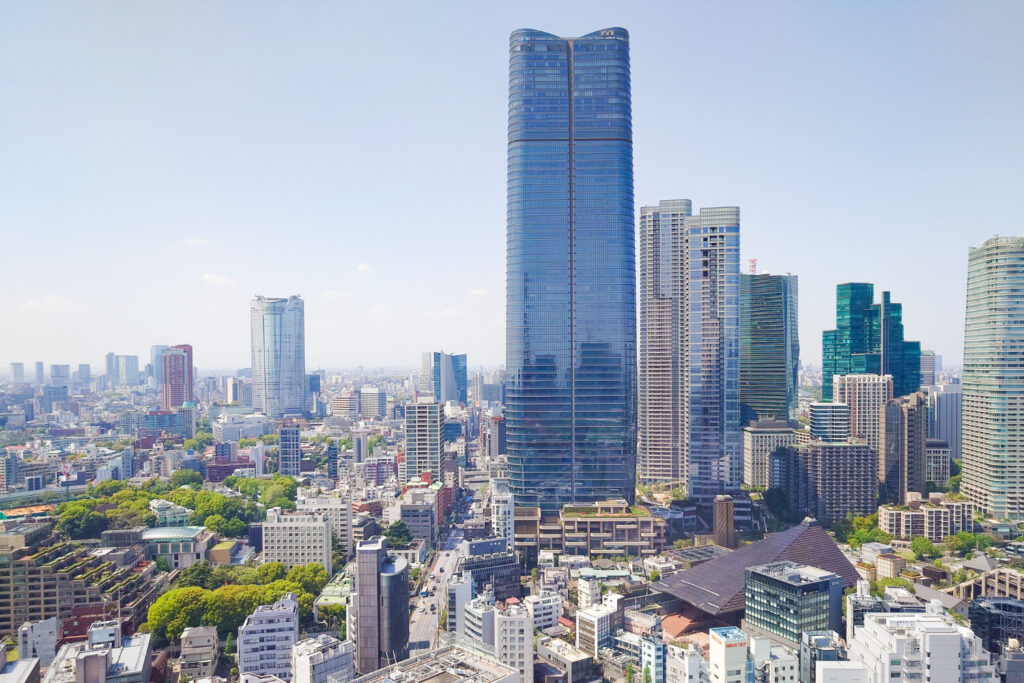
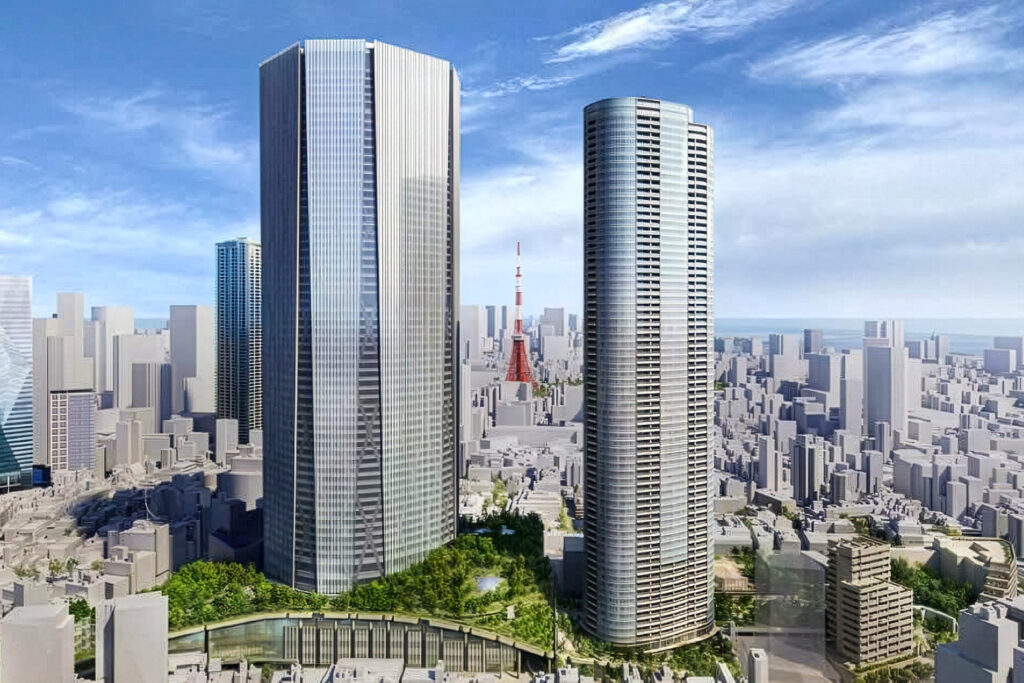
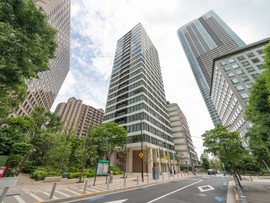
Large redevelopment can move land and property values around it, and Azabudai Hills gives the clearest recent record. Mori Building’s 8.1-hectare scheme in Minato was authorised in September 2017, began construction in August 2019 and opened on 24 November 2023. Housing Japan’s research tracked towers within walking distance of the site. Before authorisation those buildings moved broadly in line with the Minato ward average. Afterwards they separated from it, with several showing estimated values roughly two to three times higher between 2016 and 2025.
The mechanism is not complicated. Azabudai Hills added offices for around 20,000 workers, about 1,400 homes, roughly 150 shops and restaurants, a medical centre and an international school. Demand for nearby housing followed. The timing matters more than the totals: much of the movement happened between authorisation and opening, not after the doors opened. Our full analysis sets out the buildings and the year-by-year figures.
Nakano is a different kind of project. Azabudai Hills was one integrated development by one developer, built around a new destination. Nakano is a set of separate schemes by different developers across about 110 hectares, anchored on station capacity rather than a destination. The price tiers differ too. Minato sits at the top of Tokyo’s published land prices, while Park City Nakano’s 807 homes run from a 30.65 sqm one-bedroom to a 125.12 sqm four-bedroom.
The stages differ as well, and in both directions. Nakano’s station works open this December, so that part is nearly delivered rather than newly announced. The Sunplaza site sits at the other end, with no developer selected and a 2034 target.
Past performance does not predict future results, and every property decision should be made with professional advice. What the Azabudai record shows is that a single large project can shift a neighbourhood’s profile in a measurable way. Whether a different kind of project, delivered in pieces across fifteen years, produces a comparable pattern is not yet answerable.
What else has already been built?
Three earlier projects have finished and are worth knowing about.
The Nakano 2-chome redevelopment on the south side completed on 29 February 2024. Sumitomo Realty & Development delivered a 20-storey office building and the 37-storey Nakano Station Residence, which holds 396 rental homes. The block is branded Nakano South Terra.
Nakano City’s new ward office opened on 7 May 2024 at 4-11-19 Nakano. The 11-storey building holds ZEB Ready certification and includes a rooftop garden open to the public.
Further north, the Nakano Shiki no Machi district finished in 2012. It brought Meiji University’s Nakano campus, Teikyo Heisei University, offices and the 1.5-hectare Nakano Shiki no Mori Park to the former police academy site.
What is Nakano like to live in?
Nakano mixes dense old shopping streets with newer towers, and the contrast is the point. Nakano Broadway sits at the end of the Sun Mall arcade north of the station and remains a centre for manga, vintage watches and collectables. Around it, narrow lanes hold small izakaya and independent shops.
The transport is the practical draw. The Chuo Line reaches Shinjuku in about four minutes and Tokyo in around 15. The Tokyo Metro Tozai Line starts at Nakano and runs directly to Otemachi and Nihombashi, so many residents travel to the financial district without changing trains.
Housing here is mostly mid-rise, with a smaller supply of large family units than central wards such as Minato or Chiyoda. The recent towers have changed that balance a little, though most new stock is one and two-bedroom.

Contact us below to find your perfect home or investment property in Nakano
What comes next around Nakano Station?
| Period | Milestone |
|---|---|
| December 2026 | West gate, north–south passage and bridge station building open on the 6th; Atre Nakano opens on the 9th; parts of the Shiki no Machi and Kakoicho pedestrian decks open |
| 2028 financial year | South exit station plaza completed |
| 2029 financial year | New North Exit station plaza completed, including the deck link to Park City Nakano |
| 2034 financial year | Target completion for the new complex on the Nakano Sunplaza site |
Two further projects sit behind these dates. The Kakoicho West district, immediately west of Park City Nakano, is a residential redevelopment now in progress. The Nakano 4-chome West district, north-west of the Sunplaza site, remains at preparatory stage, with its association aiming for a city planning decision in March 2027 according to construction trade reporting.
Dates on projects of this size do move. The Sunplaza reversal shows how quickly a confirmed scheme can change when construction costs shift.
What Next?
Housing Japan has advised buyers, sellers and owners in central Tokyo residential property for over 25 years. Our bilingual team handles purchase, sale, leasing and property management, for homes and investment properties and every transaction is overseen by inhouse licensed 宅地建物取引士 staff.
Redevelopment changes how a neighbourhood works, but it changes it slowly and unevenly. If you are weighing up Nakano, or any Tokyo district where schemes are underway, we can talk you through what the timelines mean for the homes available now.
Frequently Asked Questions
When does the new Nakano Station west gate open?
The west ticket gate, bridge station building and north–south passage open at midday on Sunday 6 December 2026. Shops inside the gates open the same day. The Atre Nakano station building, with around 70 shops, opens on Wednesday 9 December 2026.
Nakano City, JR East, Tokyo Metro and the Urban Renaissance Agency announced the date jointly on 7 July 2026. The passage runs about 80 metres between Nakano 3-chome and 4-chome and is 19 metres wide.
Is Nakano Sunplaza being demolished?
Yes. Nakano City confirmed on 26 March 2026 that Sunplaza will be demolished rather than refurbished. A mixed-use complex including a 3,000 to 5,000 capacity music hall will replace it, targeted for the 2034 financial year.
The ward examined refurbishment but could not obtain reliable cost estimates, partly because drawings for past alterations were never transferred to it. A revised project plan is due around February 2027, followed by a developer tender.
How many redevelopment projects are running in Nakano?
Nakano City runs a linked programme of town-planning projects across roughly 110 hectares around Nakano Station. These include station rebuilding, three station plazas, pedestrian decks, and separate private redevelopment blocks in Nakano 2-chome, 3-chome and 4-chome.
Several have already finished, including Nakano South Terra in 2024, the new ward office in 2024 and Park City Nakano in 2026. Others run into the 2030s.
Have property values in Nakano gone up?
Published land prices for commercial land in Nakano ward rose 17.5 per cent in the year to 1 January 2026, the third-highest rate among Tokyo’s 23 wards. Residential land moved separately, and figures vary considerably between station-area sites and quieter streets.
Published land prices are a valuation benchmark set by the Ministry of Land, Infrastructure, Transport and Tourism, not a record of transaction prices. They should be read alongside actual market activity rather than on their own.
How long does it take to reach central Tokyo from Nakano?
Nakano sits about four minutes from Shinjuku on the JR Chuo Line and around 15 minutes from Tokyo Station. The Tokyo Metro Tozai Line starts at Nakano and runs directly to Otemachi and Nihombashi.
Journey times depend on service type and time of day. Chuo Line rapid services are faster than local Chuo-Sobu Line trains, which stop at every station.
Sources:
Nakano Station west entrance opening-Nakano City, JR East, Tokyo Metro and UR joint release, 7 July 2026:
Nakano Station area town planning (hub page covering all district projects)-Nakano City
Park City Nakano completion-Mitsui Fudosan and Mitsui Fudosan Residential, 27 April 2026
2026 published land prices for Tokyo-Tokyo Metropolitan Government Bureau of Finance
Nakano Sunplaza design and its triangular form-Nikken Sekkei corporate history