Tokyo Area Guide
Tokyo Neighborhood Guide
Where to Live in the City's Prime Areas
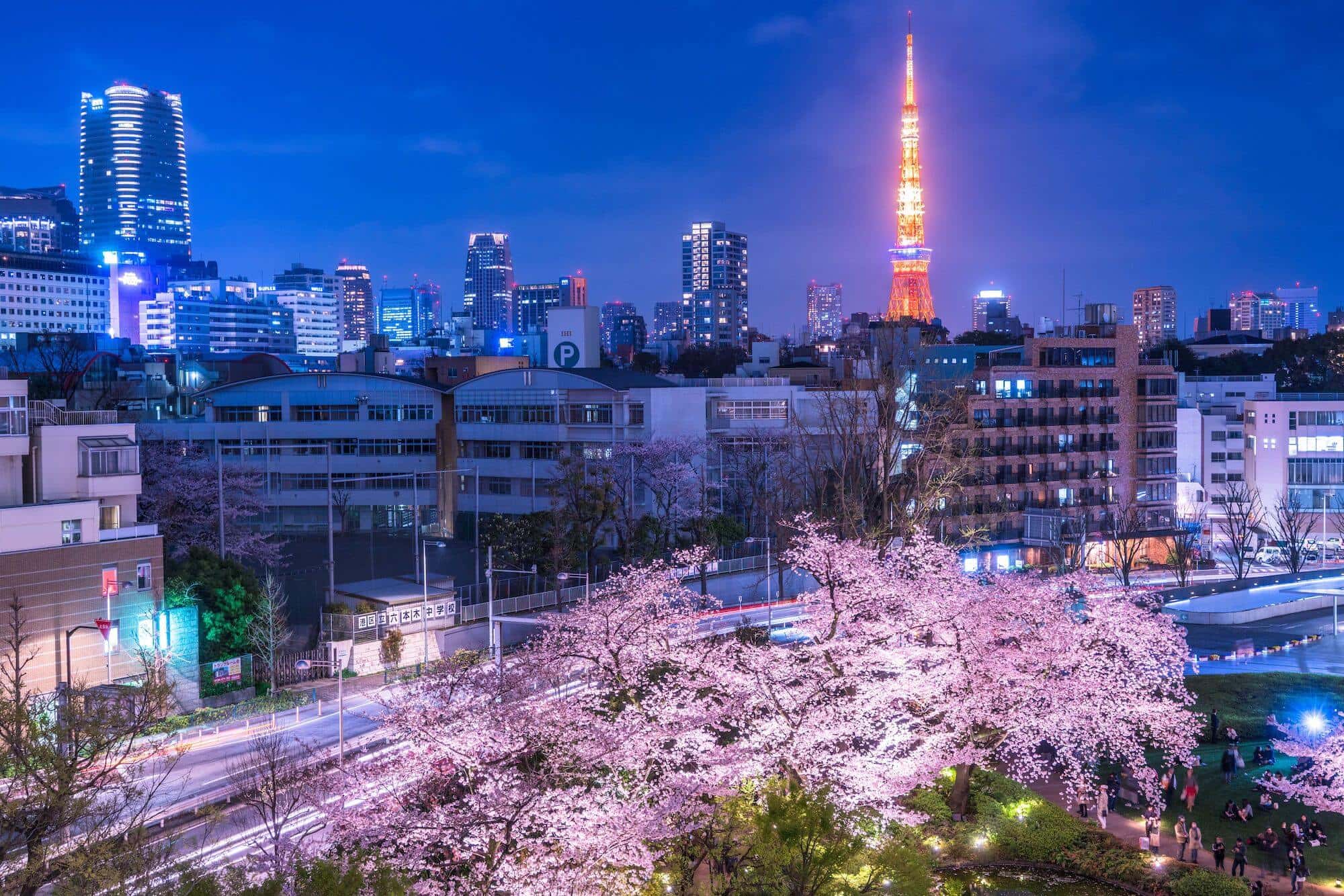
Tokyo's prime residential areas each have a distinct character, and the right one depends on how you want to live. Azabu, Hiroo and Mita suit international families and executives; Daikanyama, Nakameguro and Ebisu draw younger professionals; Roppongi, Akasaka and Toranomon offer central, high-rise living near the business core. Use the comparison below to narrow it down, then open any area's full guide.
Prime Areas at a Glance
← Scroll to see all details →
| Area | Ward | Character | Best for | Nearest station(s) | Listings |
|---|---|---|---|---|---|
| Akasaka | Minato | Central, business, dining | Executives, short commutes | Akasaka / Akasaka-mitsuke | View → |
| Aoyama | Minato | Triangle, fashion, refined | Design-conscious professionals | Omoteando / Gaienmae | View → |
| Azabu | Minato | Diplomatic, quiet, residential | International families, executives | Azabu-Juban | View → |
| Daikanyama | Shibuya | Boutique, relaxed, low-rise | International professionals, creatives | Daikanyama | View → |
| Den-en-chōfu | Ota | Suburban, green, low-rise | Families wanting space | Den-en-chofu | View → |
| Ebisu | Shibuya | Trendy, lively, well-connected | Young professionals | Ebisu | View → |
| Hiroo | Minato | Green, international, convenient | Families (intl. schools) | Hiroo | View → |
| Mita | Minato | Quiet, traditional, residential | Families wanting calm + accessibility | Mita / Tamachi | View → |
| Nakameguro | Meguro | Riverside, stylish, relaxed | Professionals, couples | Nakameguro | View → |
| Roppongi | Minato | Central, high-rise, cosmopolitan | Professionals wanting the core | Roppongi | View → |
| Shibuya | Shibuya | Busy, urban, energetic | City lifestyle professionals | Shibuya | View → |
| Shirokane | Minato | Exclusive, leafy, upscale | Established families, privacy | Takanawa / Shirokane | View → |
| Toranomon | Minato | Modern business hub, high-rise | Professionals, new-build buyers | Toranomon / Toranomon Hills | View → |
Akasaka
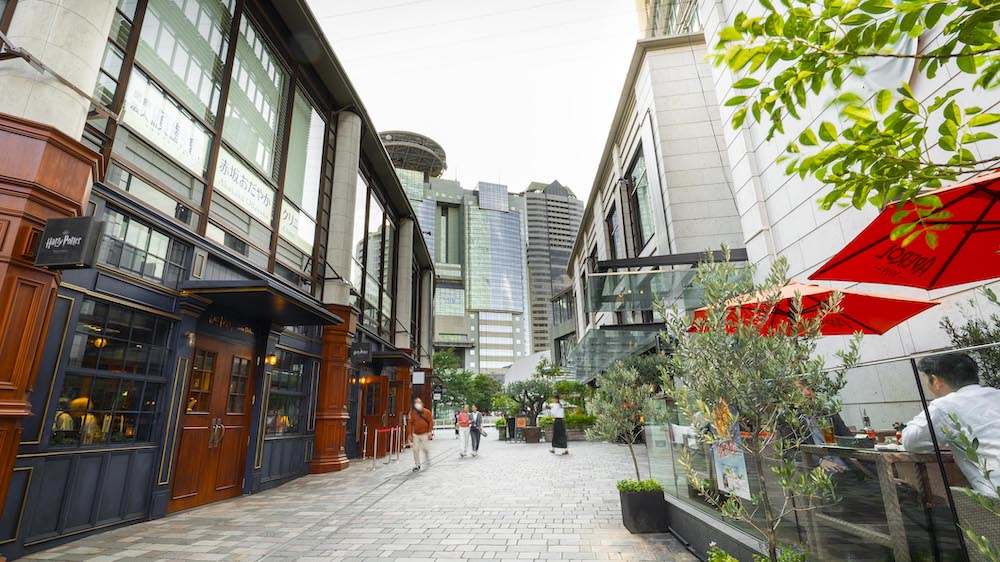
Akasaka pairs a serious business address with surprisingly green, quiet residential pockets, making it one of the most genuinely central places to live in Tokyo. Residents are largely executives, professionals and diplomatic staff who value being minutes from Nagatachō, the embassies and the CBD. The area is walkable to Akasaka and Akasaka-mitsuke stations (Chiyoda, Ginza and Marunouchi lines), fine dining, luxury hotels and the greenery around Hie Shrine. Housing is mostly mid- to high-rise apartments, with a steady supply of corporate and high-end rentals.
Aoyama
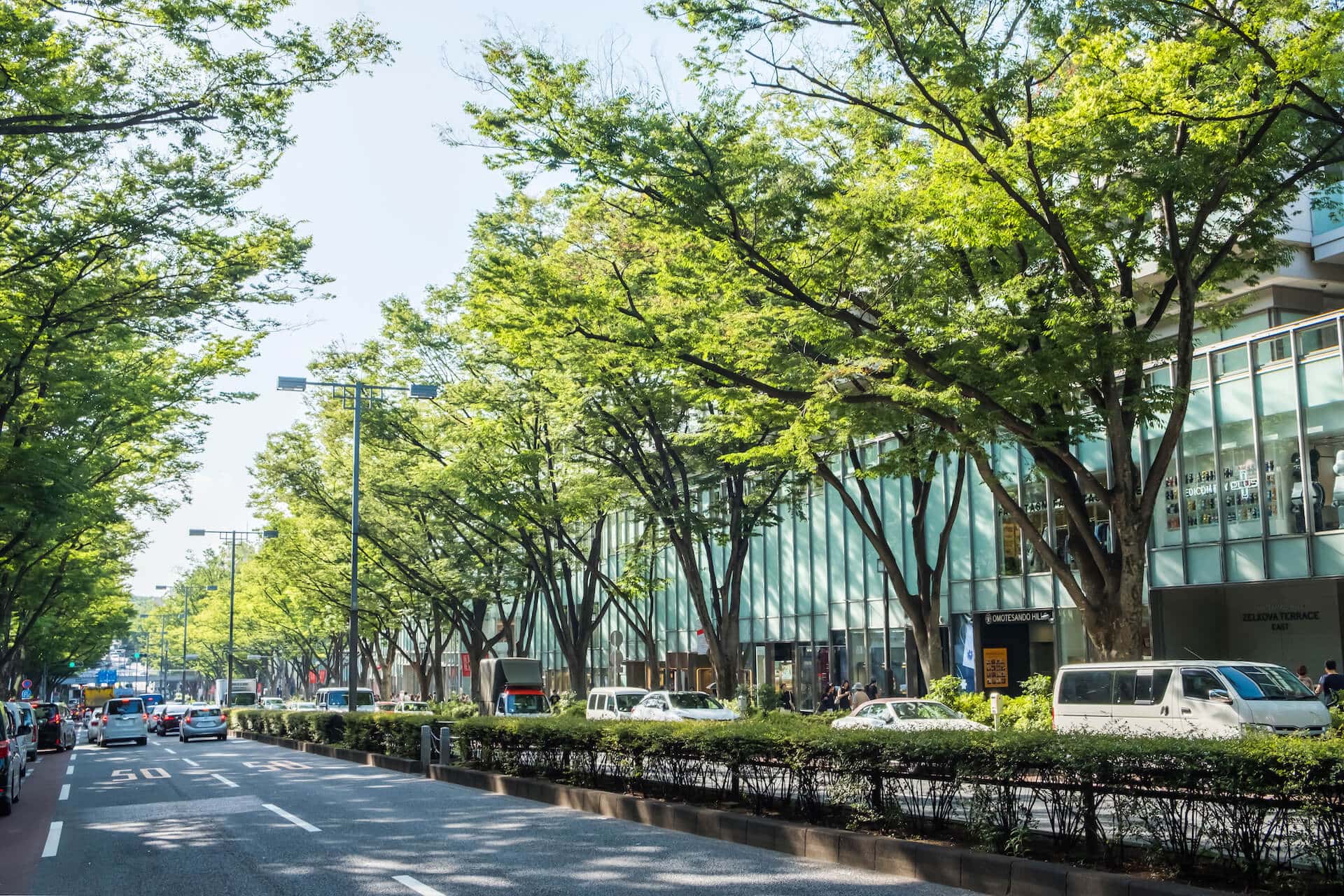
Aoyama is a polished, design-led district where high-end fashion and quiet residential streets sit side by side in the heart of Minato ward. It suits design-conscious professionals and affluent residents who want a prestigious address with a calm, low-key feel away from the main crowds. Within walking distance are the Omotesando boutiques, the Nezu Museum, Aoyama Cemetery's tree-lined paths and Omotesando and Gaienmae stations (Ginza, Hanzomon and Chiyoda lines). The market centers on high-grade designer apartments and architect-built residences, with limited supply keeping demand firm.
Azabu
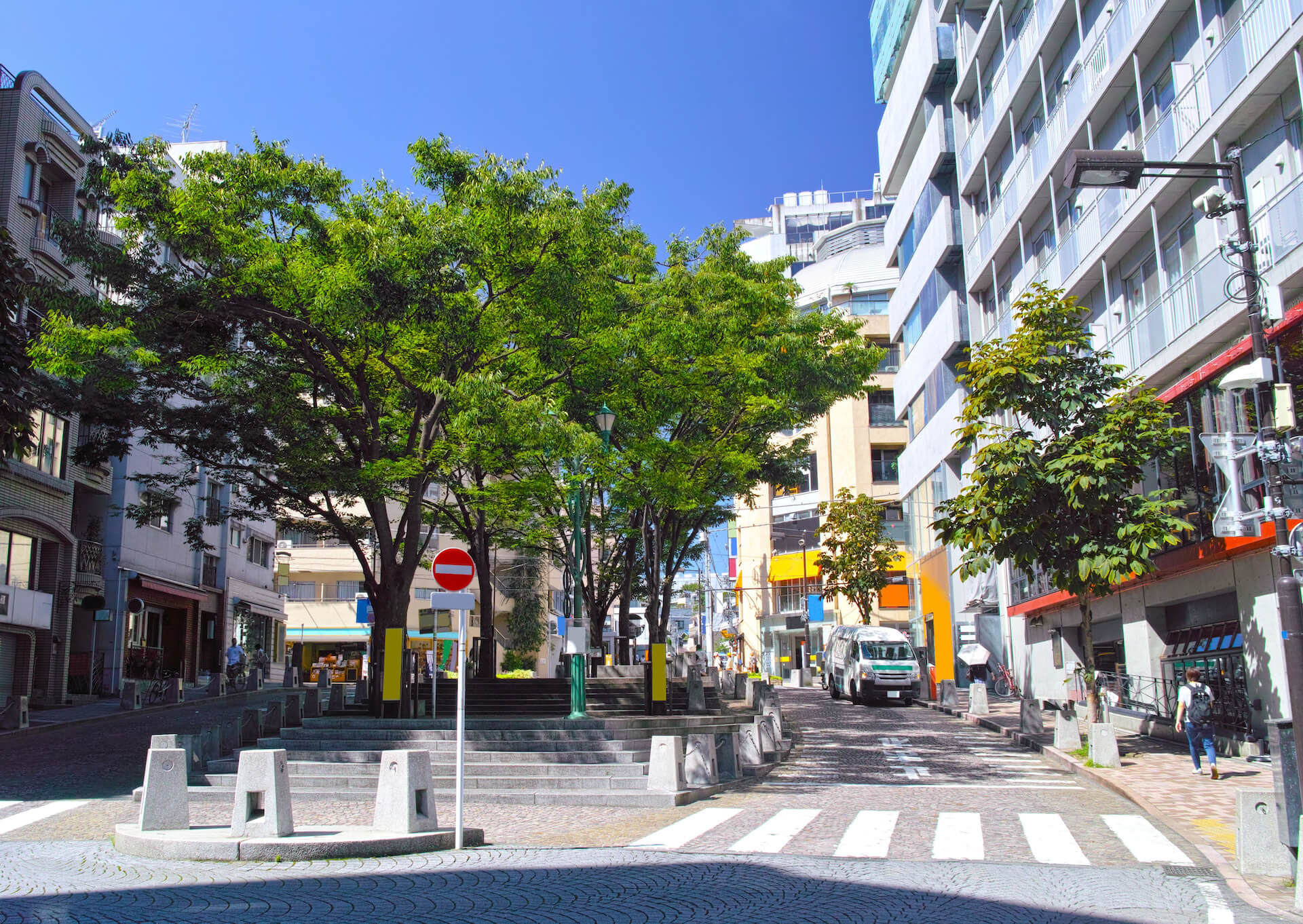
Azabu is Tokyo's most established diplomatic and residential enclave, quiet, exclusive streets a short walk from the city's commercial centers. It's long been home to international families, embassy staff and executives, supported by international schools, embassies and English-friendly services. Day to day, residents are walking distance from Azabu-Juban's shopping streets, supermarkets and the Namboku and Oedo lines at Azabu-Juban station. The market spans high-grade low-rise apartments, a limited stock of houses, and newer luxury condominiums, with consistently strong demand and limited supply.
Daikanyama
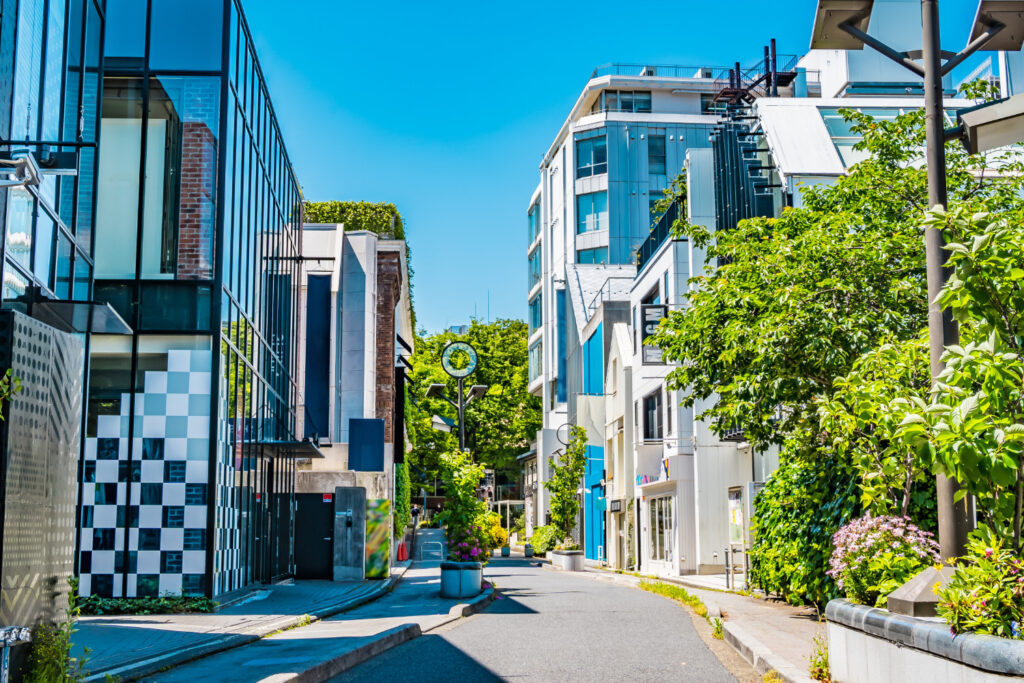
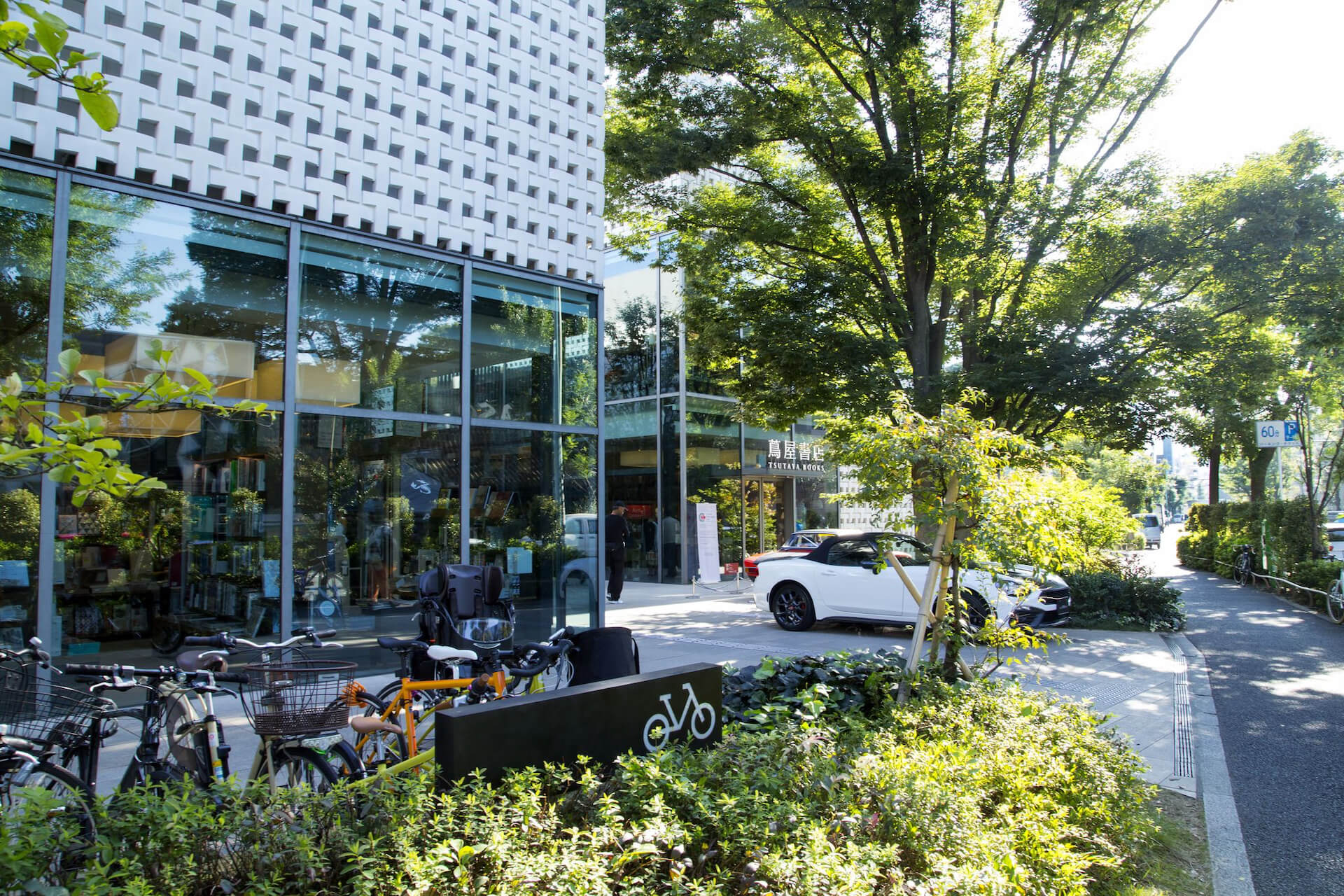
Daikanyama is a boutique, low-rise enclave with a relaxed, village-like pace just one stop from Shibuya. It draws younger professionals, creatives and couples who want style and walkability rather than high-rise scale. Day to day, residents are steps from Daikanyama T-Site, independent boutiques and cafés, and Daikanyama station (Tokyu Toyoko line). The market is dominated by stylish low- and mid-rise apartments and designer units, along with super exclusive luxury residences which command a premium per square meter given the limited stock.
Roppongi
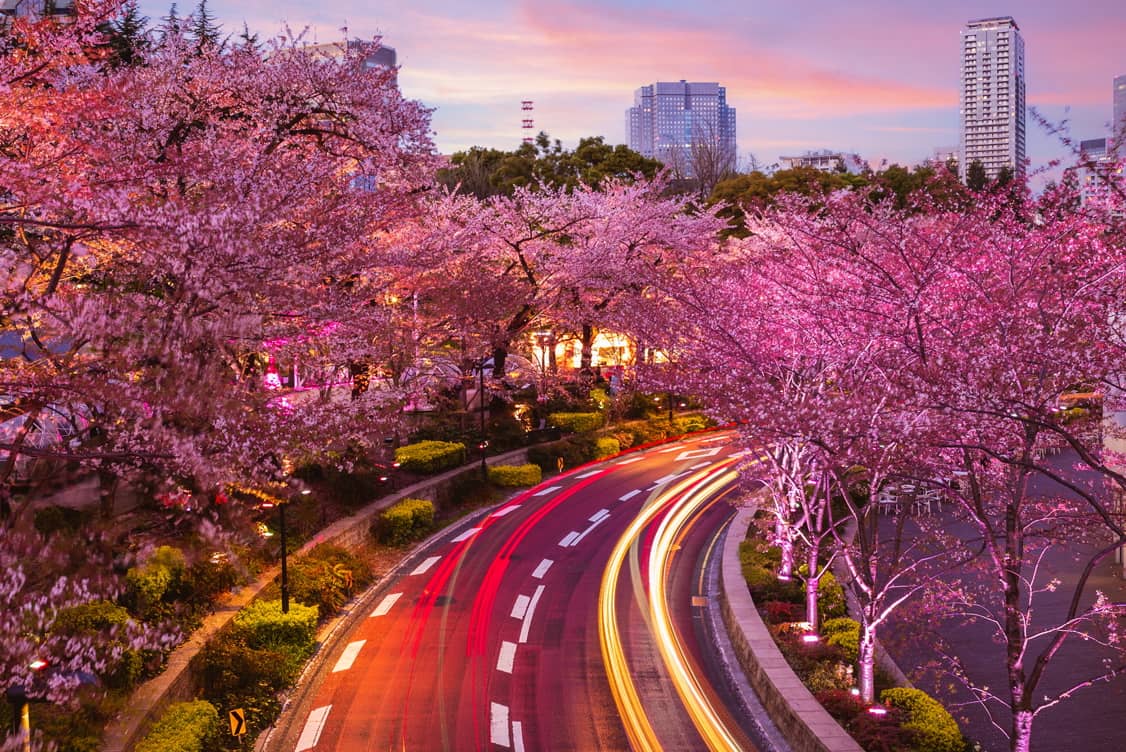
Roppongi is one of Tokyo's most cosmopolitan central districts, a mix of high-rise apartments, embassies, museums and international dining packed into a few walkable blocks of Minato ward. It draws a heavily international resident base, from finance professionals to diplomatic families, alongside locals who want a short commute to the business core. Within walking distance you'll find Roppongi Hills and Tokyo Midtown, the Mori Art Museum, international supermarkets and Roppongi station (Hibiya and Oedo lines). The market is dominated by modern high-rise condominiums, including landmark towers, with strong rental demand from corporate tenants.
Shibuya
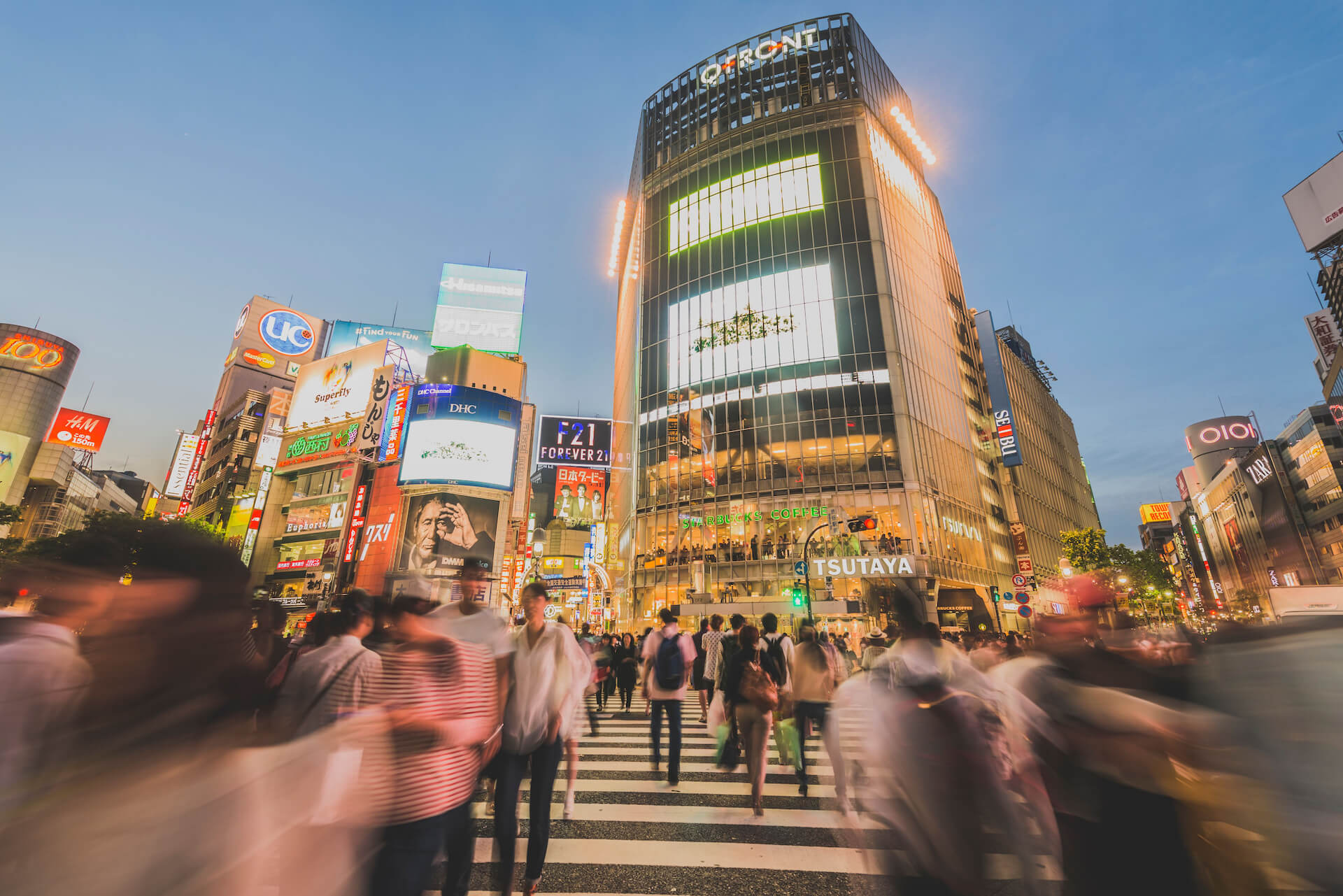
Shibuya is one of Tokyo's busiest transport hubs, but alongside the fast-paced urban core sits surprisingly quiet, exclusive residential pockets. It attracts younger professionals working in the surrounding tech, media and retail industries, as well as established residents drawn to its calmer enclaves. Everything is walkable: the scramble crossing, department stores, restaurants and Shibuya station, which connects the JR Yamanote, several metro lines and private railways into one of Tokyo's largest interchanges. Just minutes away, the leafy streets of Shoto sit near Yoyogi Park and Meiji Shrine, offering prestigious low-rise housing. The market spans compact high-rise units to luxury homes in these quieter streets.
Denenchofu
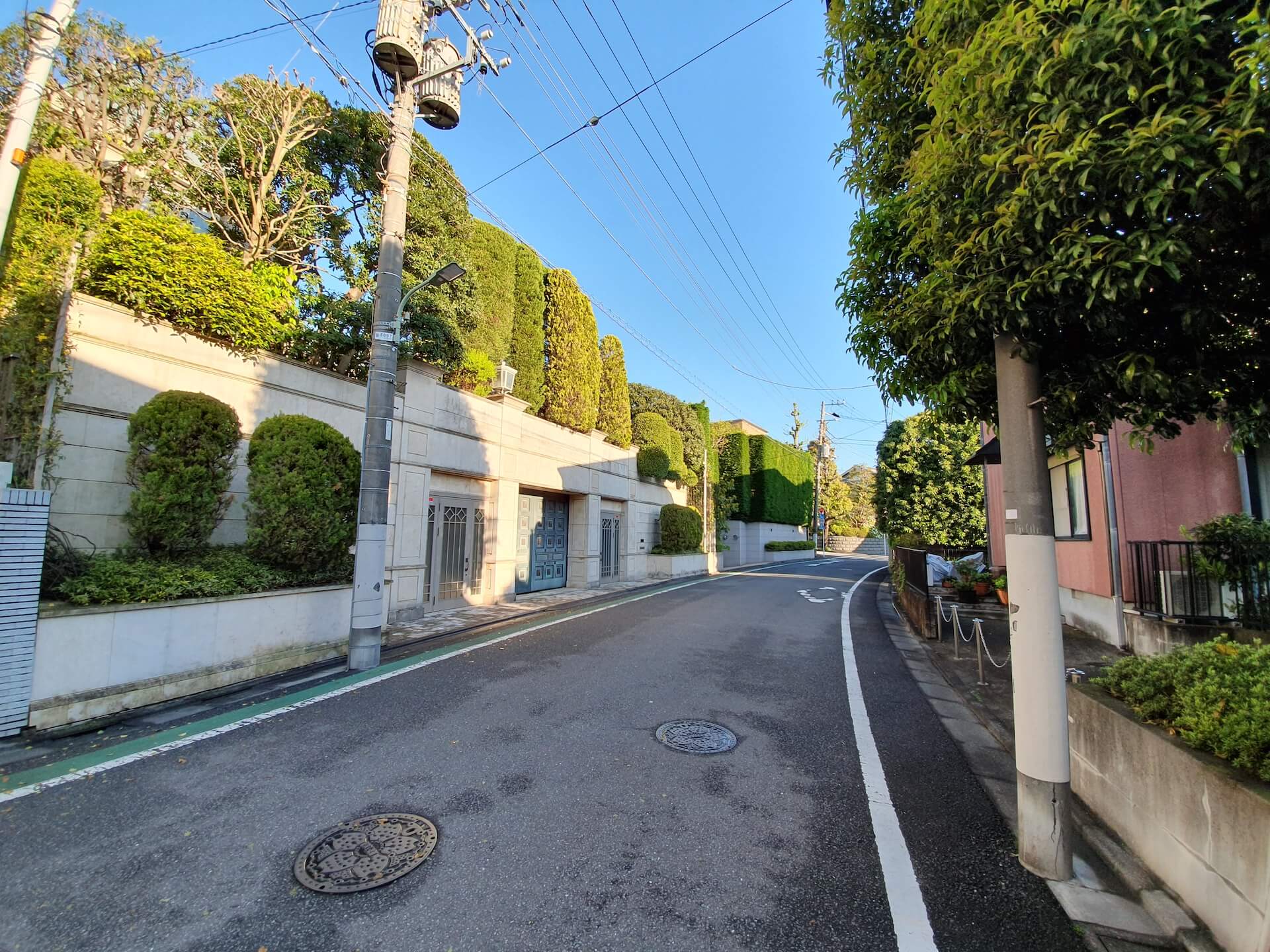
Den-en-chōfu is Tokyo's classic garden suburb, a green, low-rise residential district in Ota ward laid out around tree-lined radial streets. It has long been home to established families, executives and public figures who want space and privacy within reach of the center. The area is walkable to Den-en-chofu station (Tokyu Toyoko, Meguro and Oimachi lines), local parks and quiet shopping, roughly 15 minutes from Shibuya. The market is built around detached houses on larger plots, with building covenants that preserve the low-rise, leafy character.
Ebisu
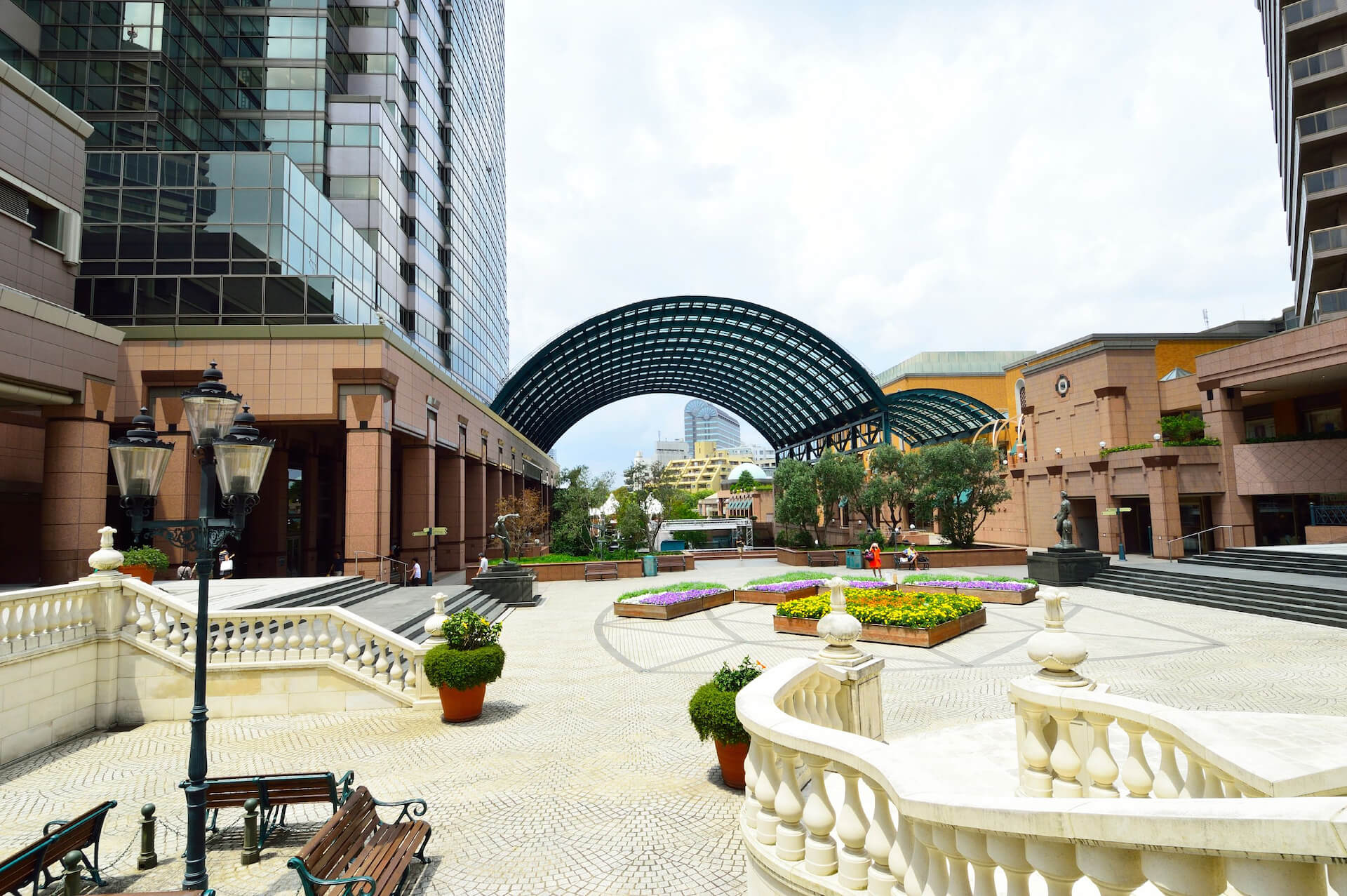
Ebisu is a trendy, lively district that balances excellent dining and nightlife with strong transport links and an easygoing feel. It's popular with young professionals and a growing expat community who want energy without the intensity of Shibuya next door. Within walking distance are Yebisu Garden Place, a dense mix of restaurants and bars, supermarkets and Ebisu station (JR Yamanote and Saikyo lines plus the Hibiya line). The market spans mid-rise apartments old and new, with consistently strong rental demand from professional tenants.
Hiroo
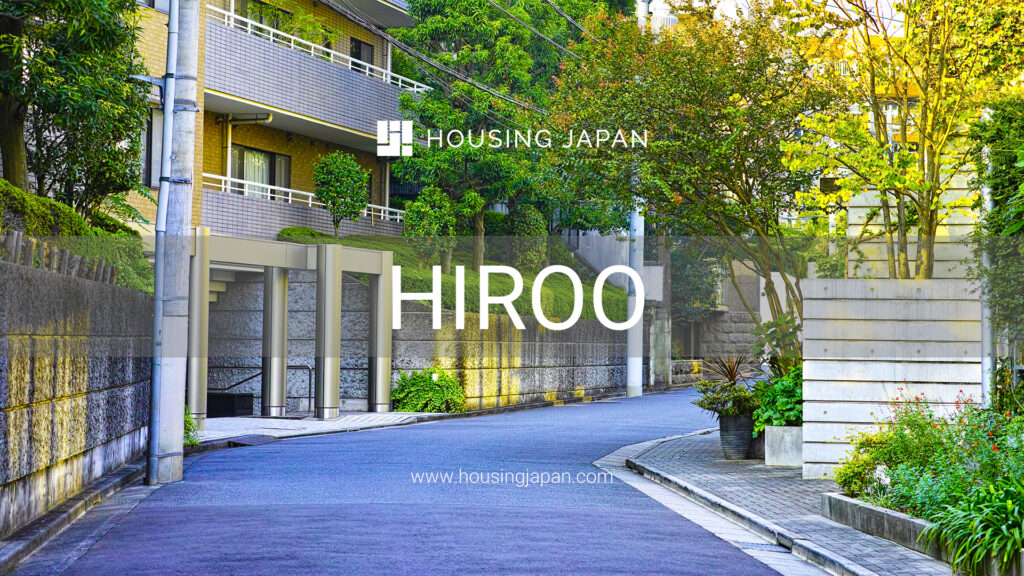
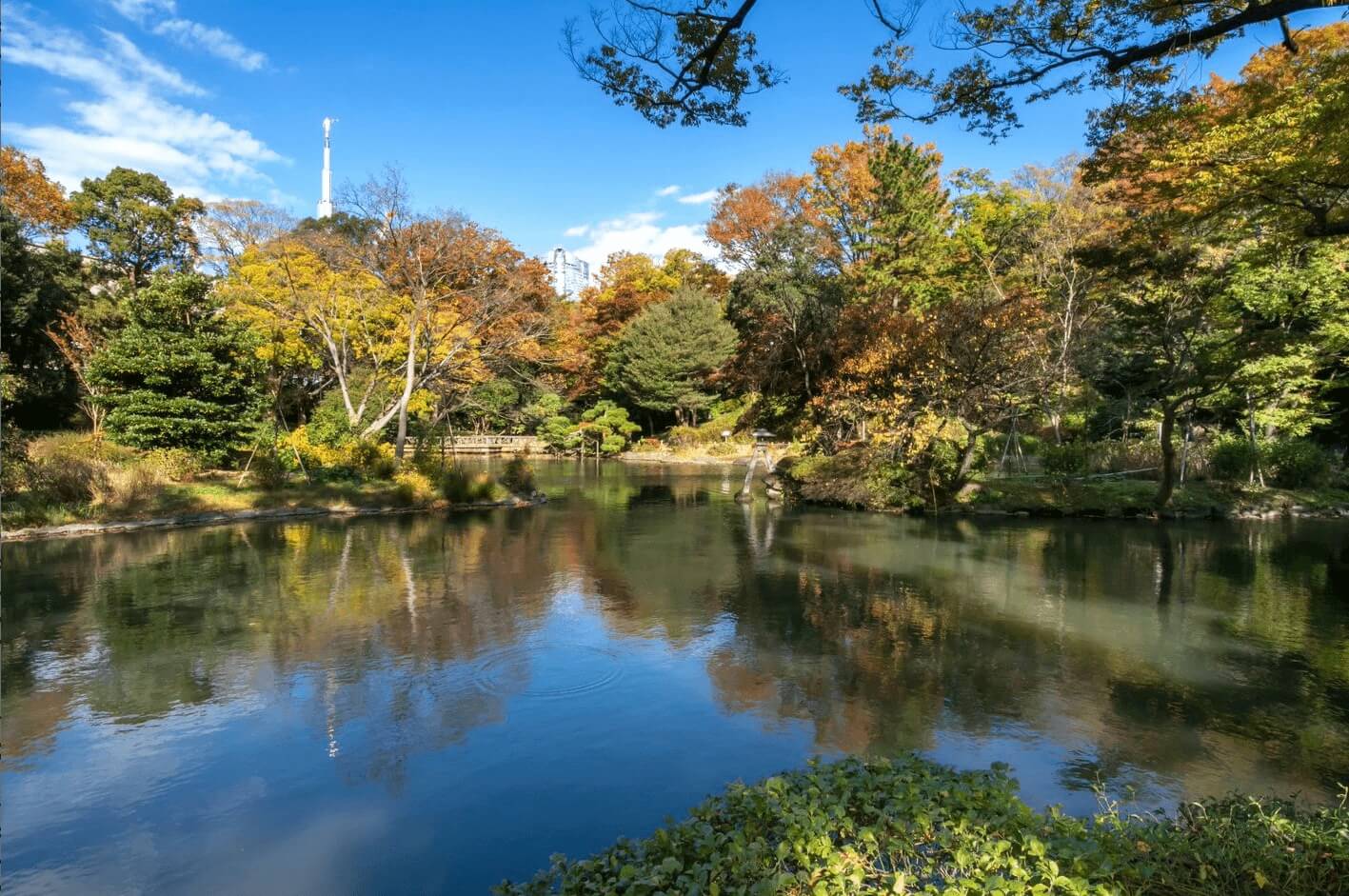
Hiroo is a green, international neighborhood in Minato ward, widely regarded as one of Tokyo's most family-friendly addresses. It's home to international families and diplomatic households, supported by international schools such as Sacred Heart and nearby services. Residents are walking distance from Hiroo station (Hibiya line), Arisugawa-no-miya Memorial Park, international supermarkets, an upscale shopping mall and the Japan Red Cross Hospital. The market is led by high-grade apartments, including landmark complexes like Hiroo Garden Hills, with a small, sought-after supply of houses.
Mita
Mita is a quiet, traditional residential area that is wrapped around Azabu and Shirokane, offering calm streets within easy reach of the center. It suits families and professionals who want a peaceful setting without sacrificing central access. The residential stretch from Takanawa to Mita is characterized by serene, often one-way streets and homes tucked away from the main roads, with Mita (Mita and Asakusa lines) and Tamachi stations nearby, plus Keio University. The market mixes established houses with newer condominiums, supported by ongoing redevelopment toward Tamachi.
Meguro
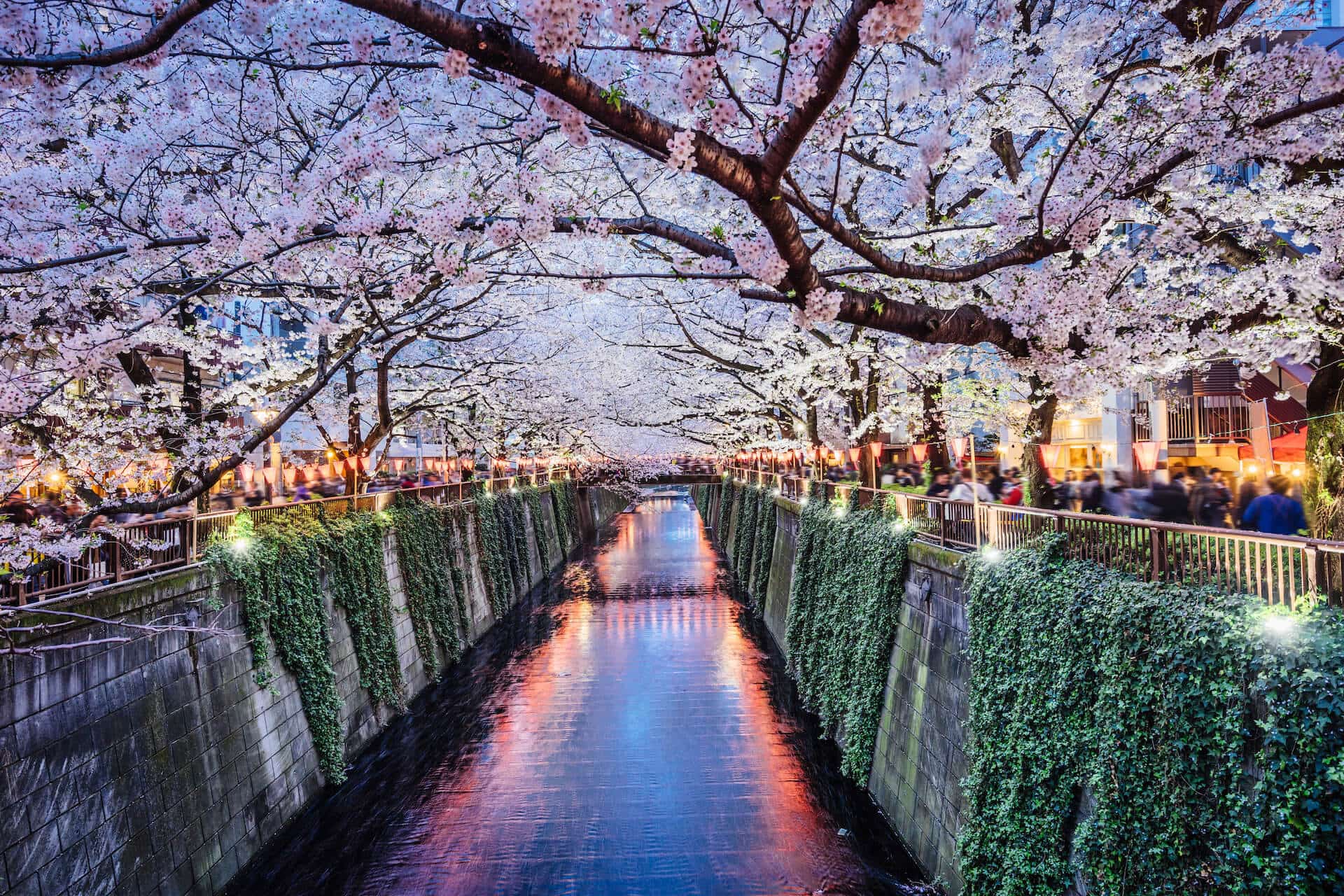
Nakameguro is a stylish, riverside neighborhood known for its relaxed pace and the cherry-blossom-lined Meguro River. It appeals to professionals, couples and creatives who want a refined, walkable area away from the busier hubs. Residents are steps from riverside boutiques, galleries, quaint cafés and bars, and Nakameguro station (Tokyu Toyoko and Hibiya lines). The market is built around stylish low- and mid-rise apartments, with riverside and well-connected units carrying premiums.
Shirokane
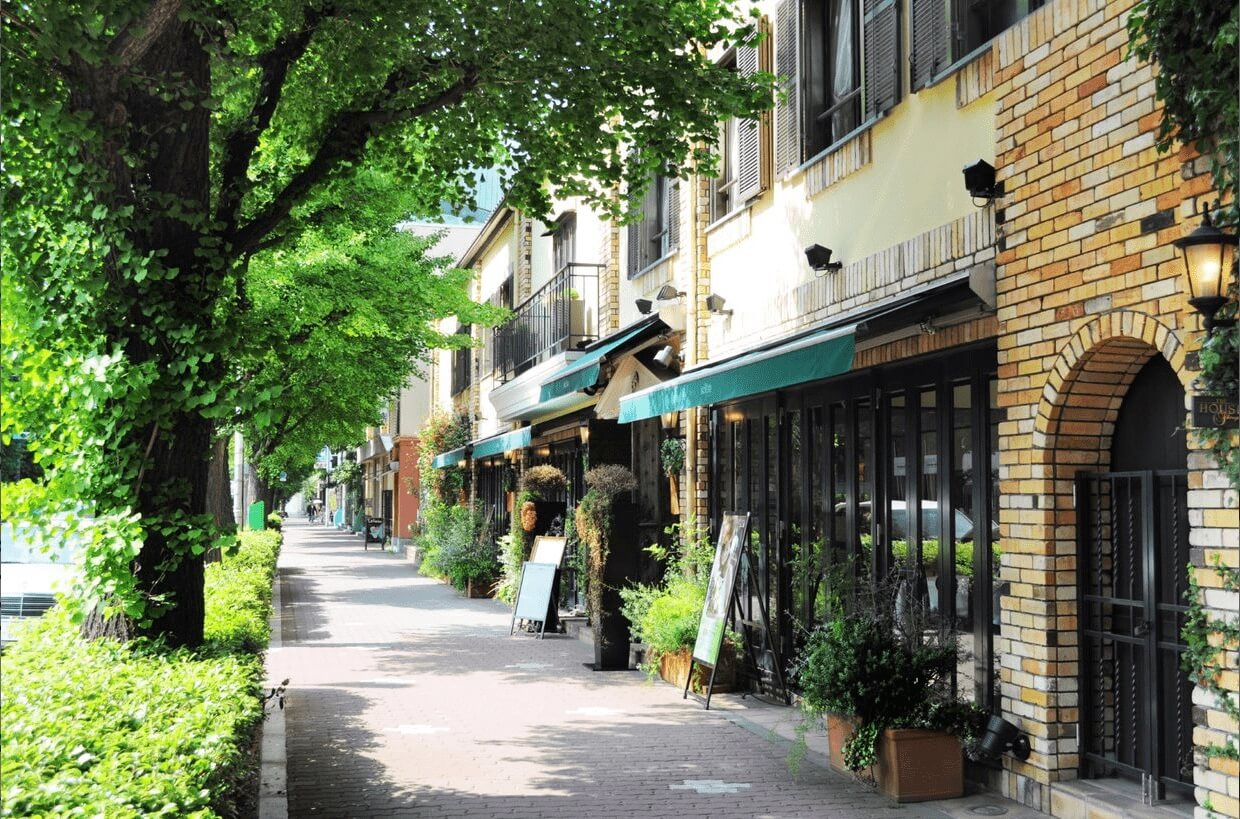
Shirokane is an exclusive, leafy district favored for its refined atmosphere and strong sense of privacy. It's home to an affluent, often long-established resident base who value serenity and discretion within central Tokyo. The tree-lined streets around "Platinum Street" offer luxury boutiques, galleries, temples and the Institute for Nature Study, with Shirokane-takanawa and Shirokanedai stations (Namboku and Mita lines) providing direct central access. The market is led by high-grade apartments alongside a limited number of private homes.
Toranomon
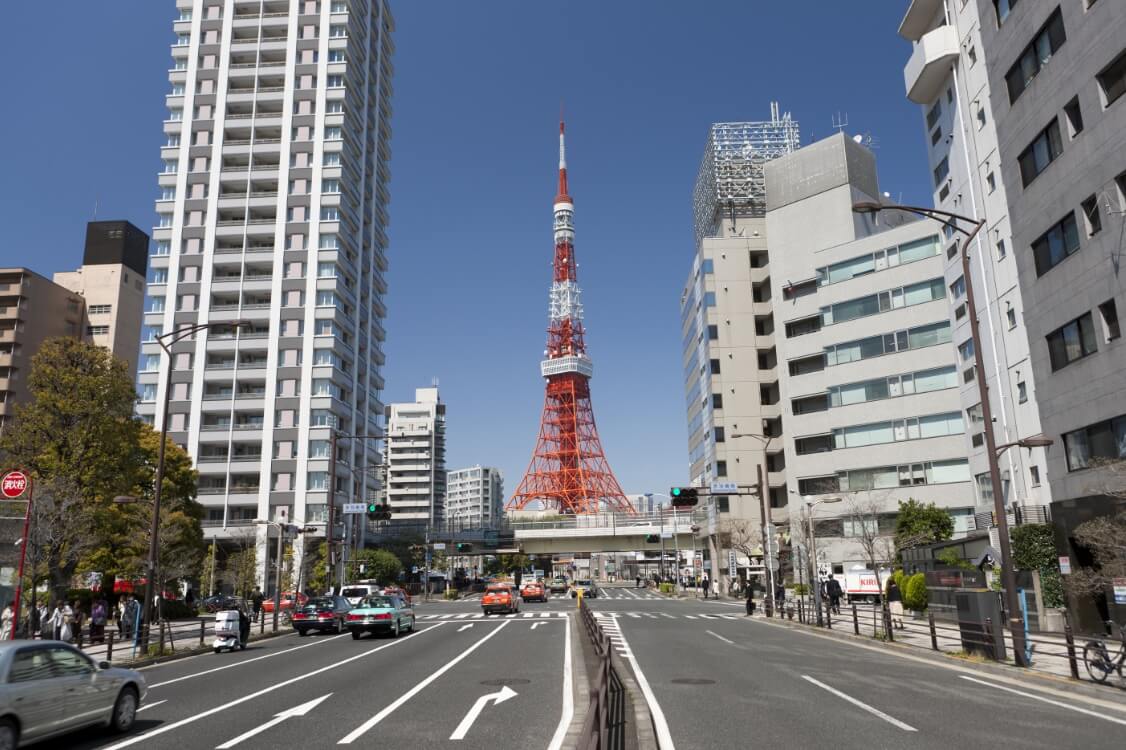
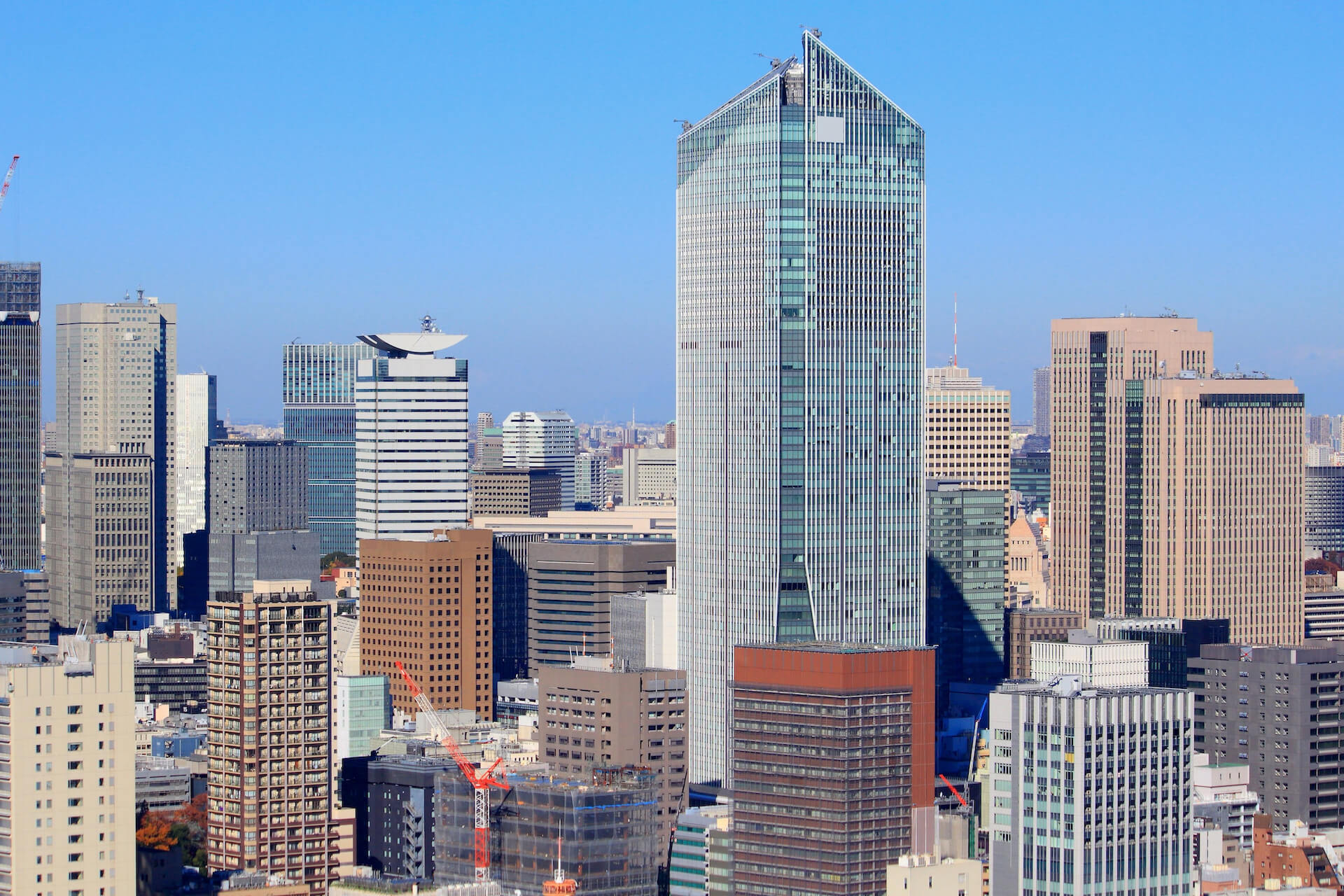
Toranomon has transformed from a government and business quarter into a modern, high-rise residential hub through large-scale redevelopment. It suits professionals and buyers drawn to new-build living at the edge of the business core. Residents are walking distance from Toranomon Hills, offices, hotels and dining, served by Toranomon station (Ginza line) and Toranomon Hills station (Hibiya line). The market is dominated by new luxury high-rise condominiums and branded residences, with strong corporate and investor demand.
FAQs
Most expatriates in central Tokyo settle in Minato ward—Azabu, Hiroo, Roppongi and Akasaka—for embassies, international schools and English-friendly services. Families lean toward Hiroo and Azabu; younger professionals toward Ebisu and Nakameguro.
Hiroo and Azabu are the most established family areas, with international schools (e.g. Sacred Heart, Nishimachi), parks and the Japan Red Cross Hospital nearby. Den-en-chōfu suits families wanting a greener, low-rise, suburban setting within reach of the centre.