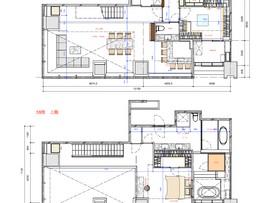
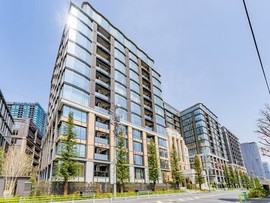
In central Tokyo, a detached house buys land ownership, private parking and a front door of your own, rather than simply more floor area. Buyers give up management fees and the deeper resale market a mansion enjoys, and get freehold land, the right to rebuild, and space measured in bedrooms, garages and gardens.
Why is space the real luxury when buying a detached house in Tokyo?
Because floor area is the least interesting way to measure it. What separates a house from an apartment in central Tokyo is what you are permitted to do with the land: build a garage, plant a garden, add a room, close your own front door without walking through a shared lobby. A detached house is what you buy to get that control.
However large the unit, a mansion limits what an owner can change. Walls cannot move without the management union’s sign-off, there is no private entrance, and none of the ground belongs to any single household. A detached house, or kodate, works differently. Buying one means buying the land underneath it, the air above it, and the right to decide what happens there, within the limits of zoning law.
So a 90 sqm mansion and a 90 sqm house are not the same purchase. One is a share in a building. The other is a plot of land with a house standing on it, and most of what follows comes back to that difference.
Kodate vs. mansion: what do you actually give up and gain?
A detached house means owning the land outright, paying no monthly management or repair reserve fees, and being free to rebuild. In exchange you give up the security cover, the maintenance someone else arranges, and the faster resale that a well-located mansion usually offers.
Mansion owners pay two recurring costs for as long as they hold the unit: kanrihi (管理費), the management fee, and shuzen tsumitatekin (修繕積立金), the repair reserve fund. These cover building upkeep, common-area cleaning and the large-scale repairs every building eventually needs. In Tokyo’s 23 wards the averages ran to ¥15,291 and ¥13,665 per unit per month in the 2025 financial year, or ¥28,957 a month combined, against a Tokyo region average of ¥27,805 (東日本レインズ REINS TOPIC, published 28 May 2026). Repair reserves rose 5.6 per cent year on year. A detached house carries no equivalent mandatory payment. The owner pays for roof repairs, exterior wall work and gutter clearing directly, on their own schedule, instead of into a shared pool. Larger units carry more. Across the premium central Tokyo apartments Housing Japan lists, combined monthly fees more can fall between ¥50,000 and ¥100,000 (Housing Japan internal listing data, August 2026).
What do you actually own with a kodate that you don’t own in a mansion?
A kodate buyer owns the land outright, as an asset separate from the house standing on it. A mansion owner holds a share of the land, tied to that building’s future and saleable only with the unit.
Under a kodate, the land can be sold, divided or built on independently of the house. Japanese tax law treats the two differently too: a building is a depreciating asset with a set useful life, while land is not depreciated at all. That separation is what makes rebuilding possible. Subject to zoning and the road-frontage rules covered below, a kodate owner can renovate or rebuild without a management association’s approval.
That does not make a mansion the wrong choice. Central Tokyo mansions typically come with concierge and security cover, no exterior maintenance burden and, because the buyer pool is deeper, a faster resale than a detached house in the same area. For many owners that is the right trade. Housing Japan’s overview of Tokyo’s luxury mansion market covers that side of the decision in more depth. What follows is for buyers who have weighed the trade and come down on the side of land.
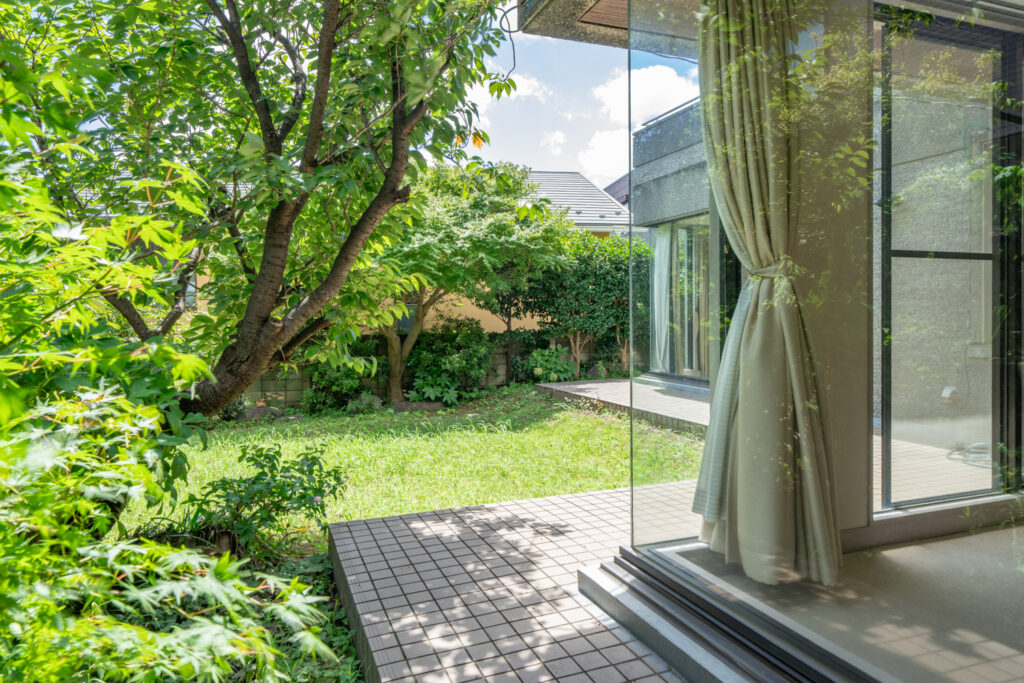
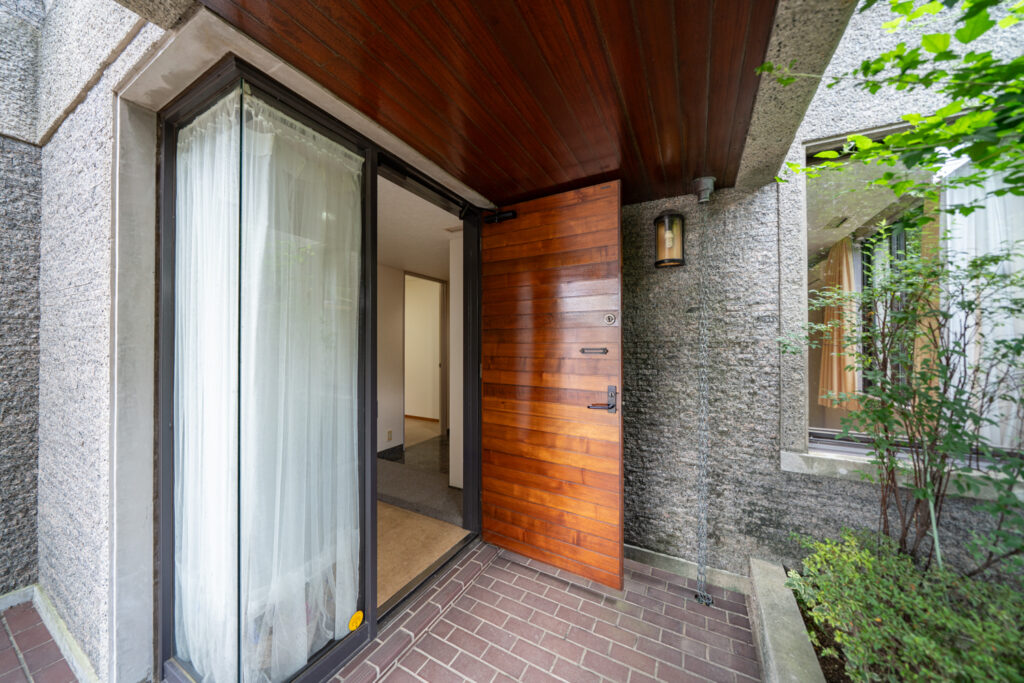
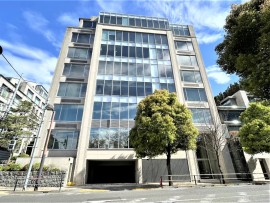
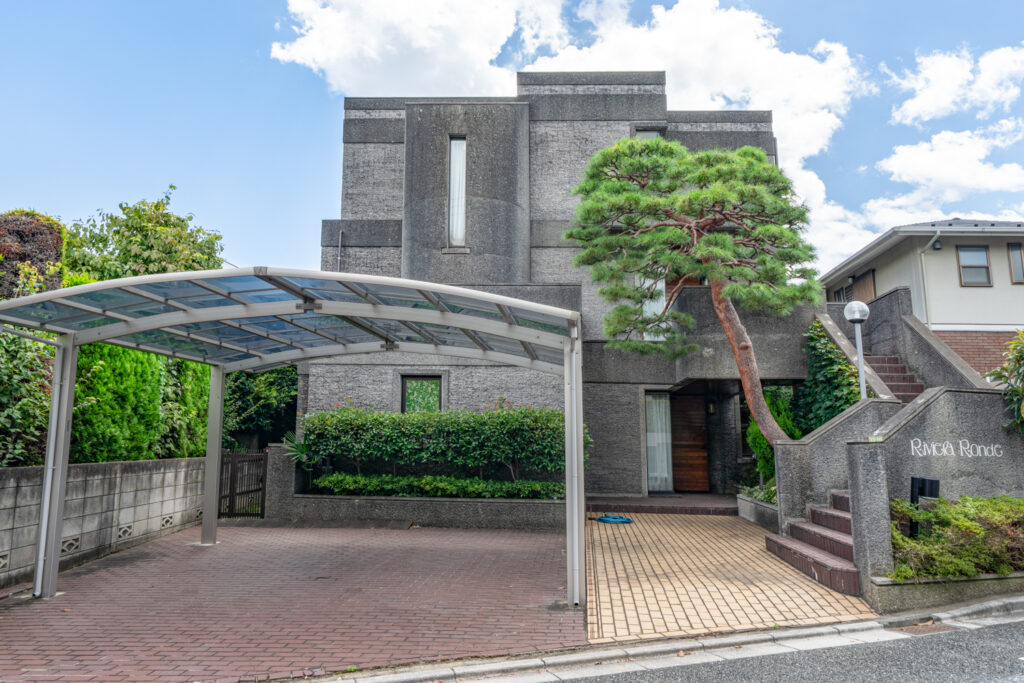
These images are from Detached House Riviera Rondo in Tokyo, exclusively for sale with Housing Japan, see the listing here
Why is private parking in central Tokyo the problem a detached house solves?
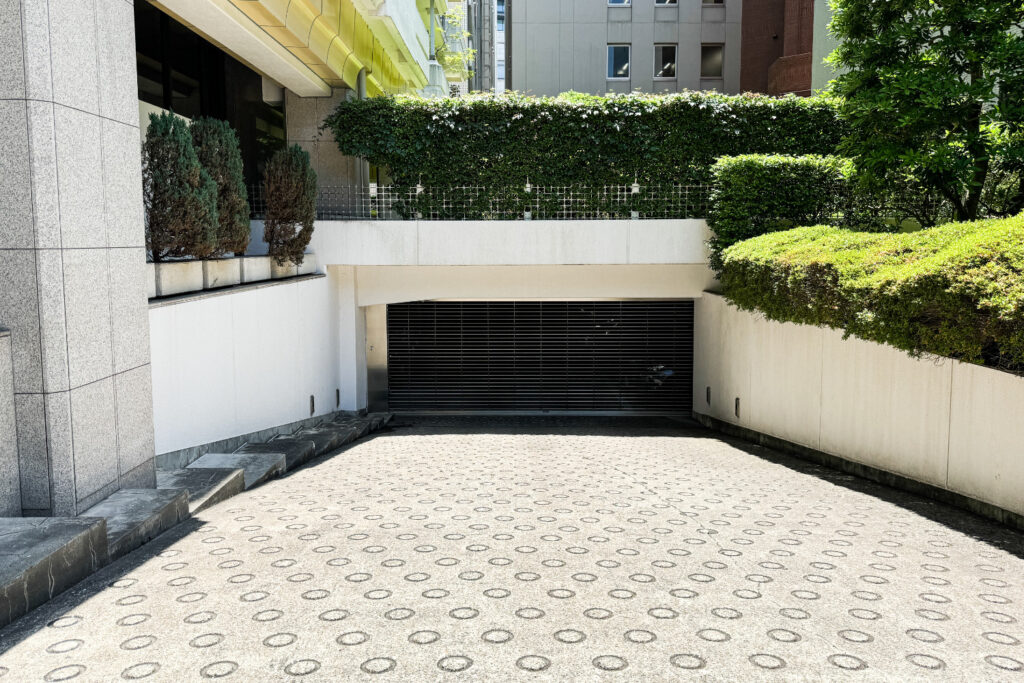
Tokyo requires new central-district condominiums to provide only one parking space for every 350 sqm of floor area, roughly one space for every three to four apartments, and that standard may soon fall further. A space in a mansion is allocated and rented. A deeded garage attached to a house is owned outright and comes with the title.
The reason central Tokyo mansions rarely offer one space per unit is regulatory. Under the Tokyo Metropolitan Parking Ordinance (東京都駐車場条例), a condominium above 2,000 sqm inside a designated parking district must provide one space for every 350 sqm of floor area in the 23 wards, and one for every 300 sqm in the Tama municipalities. A 20,000 sqm building in the wards therefore has to provide 58 spaces. If it holds 200 apartments, that is one space for every 3.4 households (Housing Japan Research calculation from the ordinance).
That minimum may fall further. On 8 June 2026 the Tokyo Metropolitan Government opened consultation on cutting the 23-ward standard to one space per 450 sqm, which would take the same building to 45 spaces. The survey behind the proposal, run from 2023 to 2025, found spare capacity in condominium car parks as car ownership stalls across Tokyo and declines in the 23 wards.
The ordinance applies only to designated parking districts, which are commercial and neighbourhood commercial zones. Low-rise residential pockets such as Shoto and parts of Moto-Azabu sit outside them.
How much does a parking space cost in a central Tokyo mansion?
Across five premium buildings Housing Japan lists in Minato-ku, Shibuya-ku and Chiyoda-ku, monthly resident parking ran from ¥30,000 to ¥70,000 in August 2026 (Housing Japan internal listing data). At the top of that range, one space costs more than twice the average combined management fee and repair reserve for an apartment in the 23 wards.
The obstacle is rarely finding a space, then. It is what the space costs and what the household holds at the end of it. ¥840,000 a year buys no equity in anything, and ten years of it comes to ¥8.4 million for a space that still belongs to someone else.
There is a legal dimension too. The shako shomei (車庫証明, garage certificate) is a prerequisite for registering a vehicle. Under Article 1 of the enforcement order to the Act on Securing of Space for Automobile Parking (自動車の保管場所の確保等に関する法律施行令), the space must sit within two kilometres of the registered address, measured as a straight line rather than along the road, and the owner must hold the right to use it. The local police station issues the certificate. Without a secured space, a car cannot be registered at all.
A deeded garage or driveway attached to a detached house removes that dependency. The space is owned real estate, tied permanently to the home, with nothing to renew and no waiting list to join.
Can you install an EV charger in a Tokyo mansion car park?
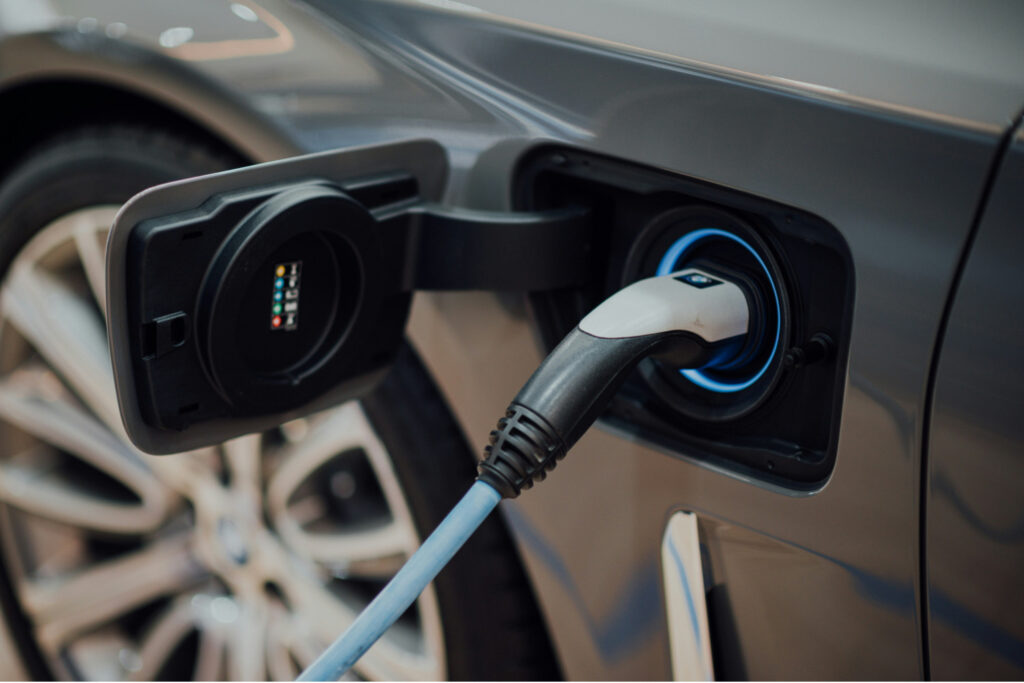
Usually not without complications. Only 5.7 per cent of Japanese condominium buildings had EV charging equipment installed at the time of the government’s most recent survey, against 90.7 per cent with none (国土交通省 令和5年度マンション総合調査, published June 2024). Installing a charger in a shared car park needs approval from the kanri kumiai (管理組合), the management association, and 81.8 per cent of associations already have written rules governing parking use. The Ministry of Economy, Trade and Industry has identified the two usual obstacles as the consensus required among owners in existing buildings and the cost and technical limits of fitting chargers to the mechanical stacker parking common in central Tokyo. A detached house with its own garage avoids both.
How much does a detached house in Tokyo actually cost, and which ward should you look in?
In July 2026 the average contracted price for a second-hand detached house was ¥74.94 million in Tokyo’s 23 wards, ¥43.38 million in the Tama area, and ¥39.33 million across the wider region of Tokyo, Saitama, Chiba and Kanagawa (REINS Market Watch, July 2026). Ward choice moves the number more than size or age does.
The headline price says less than the land figure sitting behind it. The average 23-ward transaction in July 2026 sat on 82.49 sqm of land, while the average Tama transaction sat on 142.79 sqm (REINS Market Watch, July 2026). Buyers in the wards pay 73 per cent more for 42 per cent less ground.
Land price is the reason. Under the government’s official land valuation for 1 January 2026, average residential land in Minato-ku was ¥3,013,700 per sqm and in Shibuya-ku ¥1,874,100, against a 23-ward average of ¥856,400 and figures of ¥410,800 in Adachi-ku and ¥387,500 in Katsushika-ku (国土交通省 令和8年地価公示, published via the Tokyo Metropolitan Government Bureau of Finance). Meguro-ku sat at ¥1,404,500 and Setagaya-ku at ¥779,900. Ward choice moves the budget by a multiple, not by a margin.
Within those wards, particular neighbourhoods sit above even the ward average. Hiroo, Moto-Azabu, Daikanyama and the Kamiyamacho and Shoto pocket of Shibuya-ku are examples, shaped by embassy-district status, park frontage and a long-standing scarcity of large land parcels.
In these areas, land value rather than the age or condition of the building drives most of the price. Mansion pricing works the other way round, with building age and the quality of management carrying more weight. So the useful question is which neighbourhood, then which plot, rather than what a house in Tokyo costs.
Can foreigners legally buy and rebuild a detached house in Tokyo?
Yes: foreign nationals can own both the land and the building under a detached house outright, with the same ownership rights as Japanese citizens and no residency or visa requirement. The bigger practical risks are financing as a non-resident and buying a lot that legally cannot be rebuilt.
Japan places no nationality or residency restriction on real estate ownership. Freehold land ownership is open to any buyer, whether they live in Japan or not. Ownership rights and financing reality are two different things, though. Mortgages on land-plus-building packages are generally harder for non-resident foreign buyers to secure than loans on a single condo unit, and the terms and down payment requirements on offer often differ from those available to residents or Japanese nationals. Many buyers in this segment purchase in cash or through private banking relationships rather than a conventional mortgage. Housing Japan’s guide to buying property in Tokyo as a foreign national covers the financing side in more detail.
The other major risk is legal rather than financial: 再建築不可 (saikenchiku fuka), non-rebuildable status. Article 43 of the Building Standards Act (建築基準法) requires a building site to abut a legally recognised road for at least two metres. Article 42 sets the width of such a road at four metres or more, rising to six metres in areas the local authority designates. A plot that fails those tests cannot be built on again once the existing structure is removed.
The risk concentrates in older, narrow or landlocked lots, common in some historic central Tokyo neighbourhoods where land was subdivided before the war. Akiya and countryside buying guides rarely go into it, since that content usually assumes renovation rather than a full rebuild and does not cover road-frontage law in any depth. This guide deals with prime land under existing or new-build homes in central Tokyo rather than distressed rural stock, and the same rules bite harder here because the plots are smaller and the lanes are narrower. Confirm road-frontage status and rebuild eligibility with a licensed surveyor or the local building department before buying anything you intend to renovate or replace.
Who is a detached house in central Tokyo actually right for?
This path suits buyers who have outgrown what a mansion can offer in bedrooms, storage and privacy: families needing multiple bedrooms, remote workers wanting a dedicated study, multi-generational households, and anyone who wants a private garage, EV charging or a garden more than walk-to-station convenience.
- Families needing multiple bedrooms and real storage capacity, beyond what mansion floor plans typically allocate
- Buyers who treat a private garage, driveway or EV charging point as non-negotiable
- Remote workers or executives wanting a separate home office or study rather than a repurposed bedroom
- Multi-generational households needing separated living zones, extra bathrooms or a semi-independent annex
- Buyers who value privacy, a private front door and land ownership over the ultra-central station proximity that mansions typically offer
This is usually a decision that arrives at a particular stage rather than a default first move. Most buyers enter central Tokyo through mansion living, and a house tends to make sense later, once the space, privacy or parking a mansion floor plan can offer has stopped being enough.
How does Housing Japan evaluate a detached house differently from a mansion listing?
Housing Japan has been helping clients buy and sell detached houses in central Tokyo for over 25 years, working with international buyers alongside licensed 宅地建物取引士 (takken shi), the professionals Japanese law requires to verify and explain property facts before a sale.
Not every property reaches a public listing: houses in these neighbourhoods are often sold quietly, and registered buyers tend to hear first. You can sign up to the Housing Japan newsletter for exclusive off-market listings, or request a free valuation if you already own a property in central Tokyo. To discuss specific neighbourhoods or plots, get in touch below.
FAQs
Can foreigners buy a detached house in Tokyo without permanent residency?
Yes. Japan imposes no nationality or residency requirement on real estate ownership. A foreign buyer can purchase and hold both the land and the building of a detached house outright, with the same legal ownership rights as a Japanese citizen. The main practical friction is financing rather than legal ownership: non-resident buyers typically find mortgages harder to secure than resident buyers or Japanese nationals, which is why many purchases in this segment are cash or private-banking-financed.
Is it harder to get a mortgage for a detached house than a condo in Tokyo?
Generally yes, particularly for non-resident foreign buyers. Lenders often view land-plus-building packages as more complex to underwrite than a single condo unit, and terms, down payment requirements and available lenders can differ meaningfully from those for mansion purchases. Engage a lender or private bank early rather than assuming condo-equivalent financing terms will be available.
What is 再建築不可 (non-rebuildable) and why does it matter?
再建築不可 (saikenchiku fuka) describes a plot that fails the road-access test in Article 43 of the Building Standards Act, which requires a site to abut a legally recognised road for at least two metres. The existing house cannot be rebuilt once removed. It commonly affects older, narrow or landlocked plots in central Tokyo neighbourhoods subdivided before the war. Verify road-frontage status with a surveyor or the ward building department before you buy.
Ward offices hold road designation maps showing which strips of tarmac qualify as roads under Article 42 and which do not. A private lane that looks like a road may not be one.
Why is private parking so difficult to get in central Tokyo mansions?
Because the rules require so few spaces. Tokyo’s parking ordinance obliges a central-district condominium to provide one space per 350 sqm of floor area in the 23 wards, roughly one space for every three to four spartments, and the Metropolitan Government opened consultation in June 2026 on reducing that to one per 450 sqm.
Securing a space is often possible. Holding it is a permanent expense. Across five premium buildings Housing Japan lists in Minato-ku, Shibuya-ku and Chiyoda-ku, resident parking ran from ¥30,000 to ¥70,000 a month in August 2026 (Housing Japan internal listing data). That is a rental for as long as the household keeps a car, on top of the management fee and repair reserve, with no ownership at the end of it. A deeded garage attached to a house is bought once and forms part of the title.
Can I install EV charging in my Tokyo mansion’s parking space?
Often it is difficult. Only 5.7 per cent of Japanese condominium buildings had EV charging installed at the time of the government’s most recent survey (国土交通省 令和5年度マンション総合調査, June 2024). Installation needs management association approval, and shared electrical capacity or disagreement over who pays holds many projects up.
The Ministry of Economy, Trade and Industry has singled out mechanical stacker parking, common in central Tokyo, as particularly hard and expensive to fit with chargers. For a buyer committed to an electric vehicle, a private garage is the more dependable route.
How much does a detached house cost in Tokyo’s 23 wards compared with the rest of the city?
In July 2026 the average contracted price for a second-hand detached house was ¥74.94 million in the 23 wards and ¥43.38 million in the Tama area (REINS Market Watch, July 2026). The 23-ward figure bought less land: 82.49 sqm on average, against 142.79 sqm in Tama.
Land value explains most of that gap. Official land valuations for 1 January 2026 put average residential land at ¥3,013,700 per sqm in Minato-ku and ¥387,500 in Katsushika-ku, a spread of nearly eight times inside the same 23 wards (国土交通省 令和8年地価公示). In neighbourhoods such as Hiroo, Moto-Azabu and Daikanyama, the plot rather than the house is what a buyer is mostly paying for.
About the authors

Maximilian Jacob is Research and Content Lead at Housing Japan K.K., a licensed real estate brokerage in Tokyo (Tokyo Governor (3) No. 98912) that has advised international buyers, sellers and tenants in central Tokyo since 2000. He researches the Tokyo prime residential market using primary Japanese sources, including Ministry of Land, Infrastructure, Transport and Tourism (MLIT) transaction and land price data, National Tax Agency (NTA) roadside land valuations, Bank of Japan policy statements and e-Stat national statistics. His work focuses on foreign buyer procedure, property taxation, non-resident financing, and the Minato, Shibuya and Chiyoda luxury markets.

Yudai Yamaguchi is Head of Sales and Head of Property Management at Housing Japan K.K. He has more than a decade of real estate experience across Japan and the United States, spanning development, sales operations, investment, acquisitions, leasing, construction and property management. He previously held management roles at the Open House Group in both countries, including General Manager of its Atlanta office, where he oversaw local real estate operations. He holds a bachelor’s degree in Liberal Arts from Waseda University and studied International Relations at the University of Washington.
Sources:
東日本不動産流通機構 (REINS), 月例速報 Market Watch サマリーレポート 2026年7月度
東日本不動産流通機構 (REINS), REINS TOPIC 首都圏中古マンションの管理費・修繕積立金(2025年度)
国土交通省, 令和8年地価公示
東京都財務局, 令和8年地価公示価格(東京都分)区市町村別用途別平均価格表
国土交通省, 令和5年度マンション総合調査結果
東京都都市整備局, 駐車施設の附置義務
建築基準法 (e-Gov 法令検索)
警視庁, 保管場所手続