Apartments for sale in Tokyo range from compact 1LDK units to large family residences across 23 wards, with Minato, Shibuya, Shinjuku and Chiyoda drawing the most international demand. Foreigners can buy with no ownership restrictions. Minato holds Japan’s most expensive residential land, and central-ward prices are set by the individual building rather than any citywide average.
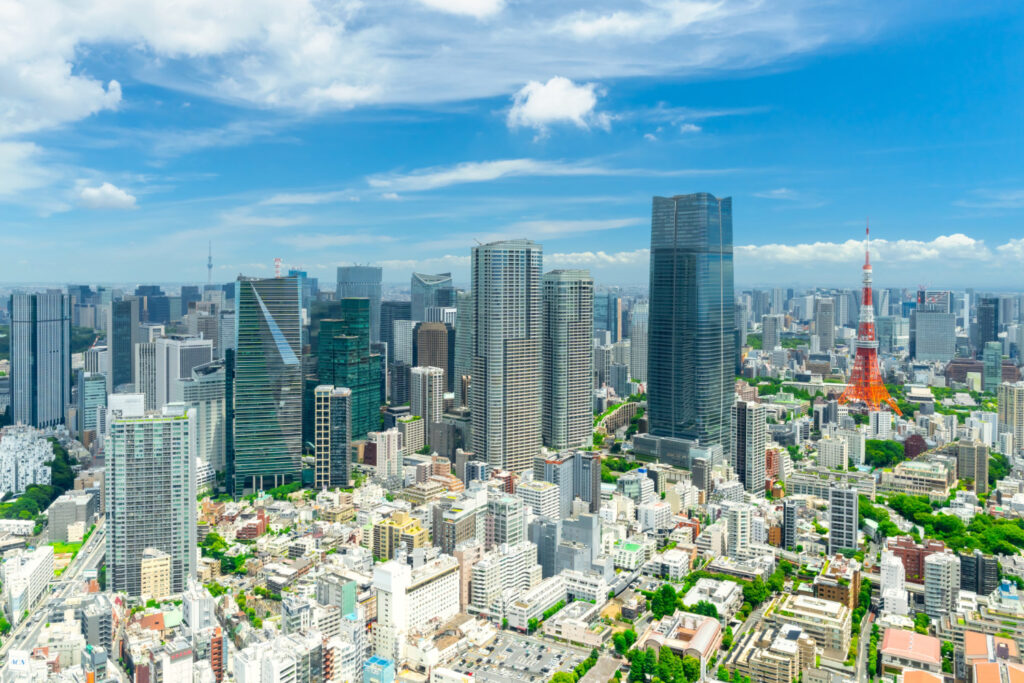
Finding the right apartment in Tokyo can feel overwhelming, and for foreigners searching for Tokyo apartments, understanding the market can seem challenging at first. The city has thousands of options spread across 23 different wards, each with its own character and benefits. Whether you’re looking to buy your first home in Tokyo or searching for an investment property, understanding what makes a great Tokyo apartment is the first step.
Tokyo Apartments at a Glance
- Tokyo has 23 wards, with Minato, Shibuya, Shinjuku, and Chiyoda among the most popular for international buyers
- Foreigners can buy property in Japan with no ownership restrictions
- Apartment sizes are measured in square metres (m²) or tatami mats (jo)
- Common layouts include 1LDK, 2LDK, and 3LDK (bedrooms plus living/dining/kitchen)
- Monthly ownership costs include management fees and reserve fund contributions
- Residential land across Tokyo rose 6.5% in the year to January 2026, a fifth consecutive annual increase (MLIT)
- Station proximity can significantly affects property values
- Minato Ward holds Japan’s most expensive residential land at ¥7,110,000 per square metre, the national top spot for nine consecutive years (MLIT)
This guide walks through five carefully selected apartments buildings that show the variety and quality available in Tokyo’s prime residential areas. These properties represent different neighbourhoods, styles, and price points, giving you a clear picture of what to expect when apartment hunting in Japan’s capital city.
Five Tokyo Apartments for Sale with Housing Japan
The following five buildings represent different approaches to Tokyo living, from a 99-unit low-rise on freehold land to a 1,002-unit garden estate. Like all the properties for sale with Housing Japan, they offer good location, style, and features.
All five sit in Minato Ward, and that is not a coincidence. Minato draws more international demand than any other Tokyo ward, and the reasons stack up: more than 80 embassies, the highest concentration of international schools in the city, and the business districts of Toranomon, Roppongi and Shiodome within a short commute. The ward also holds Japan’s most expensive residential land, at Akasaka 1-14-11, which reflects how consistently demand has outrun supply here. For buyers relocating from abroad, Minato usually offers the shortest path to English-language services, familiar amenities and a settled international community.
Ark Hills Sengokuyama Residence, Apartment in Minato
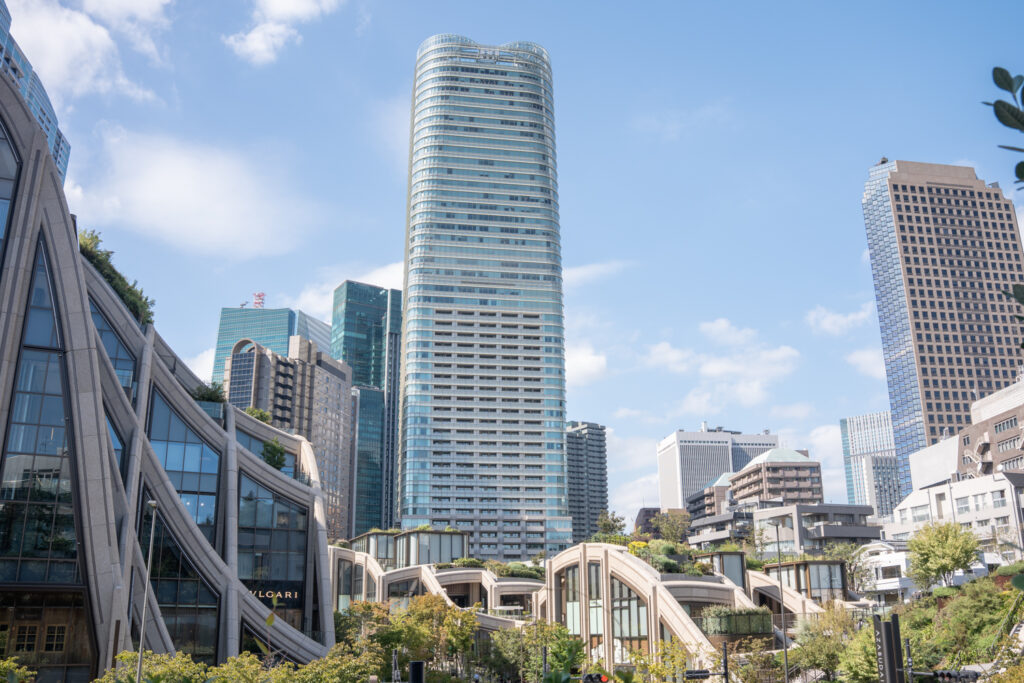
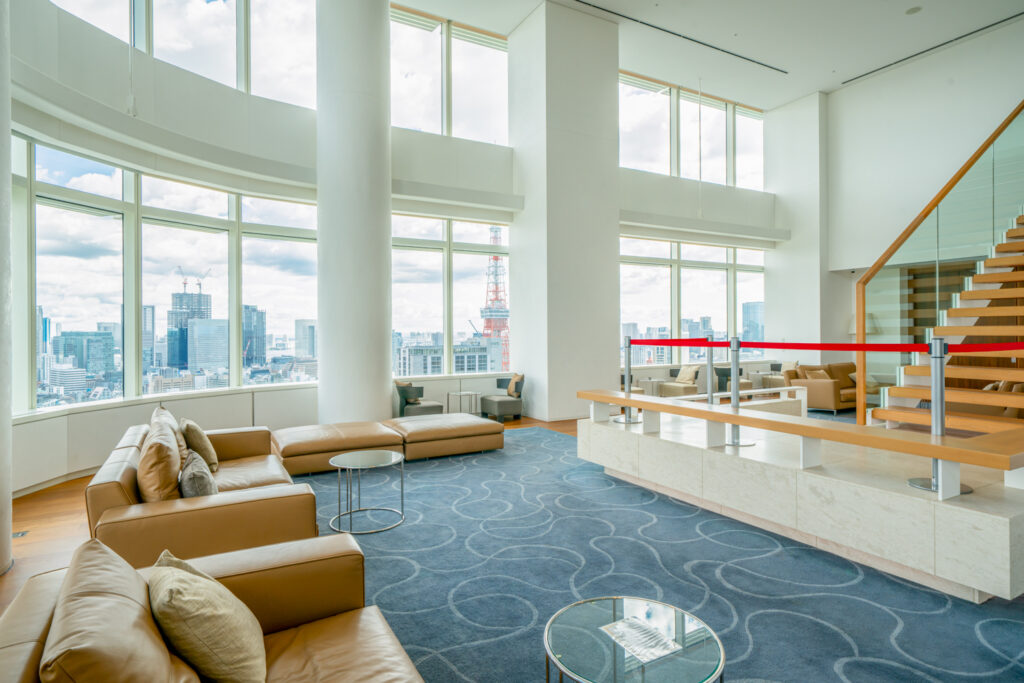
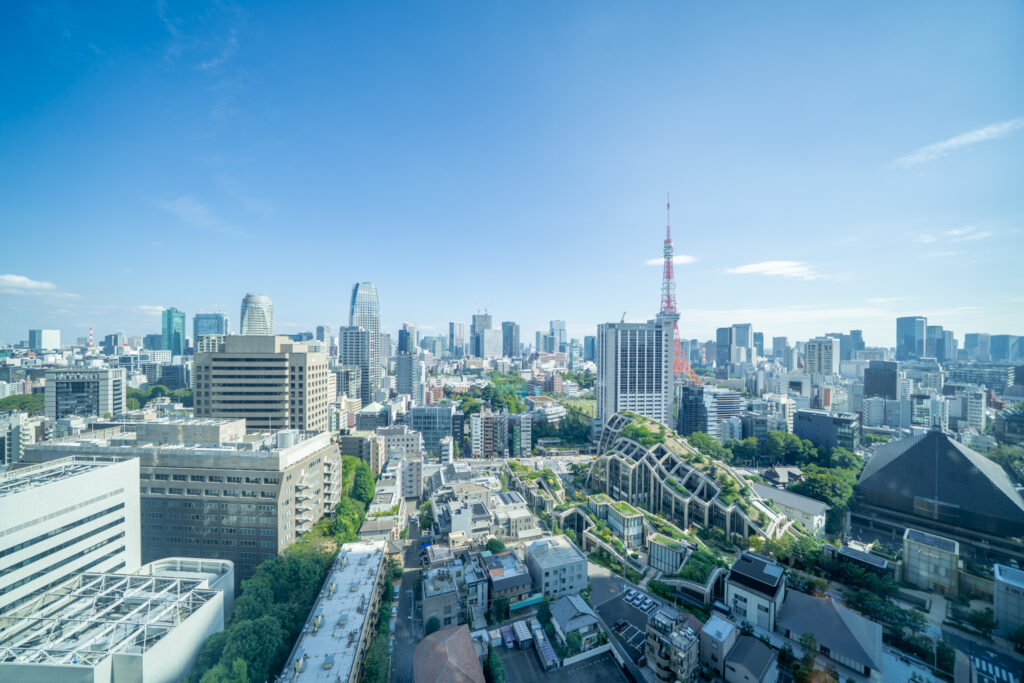
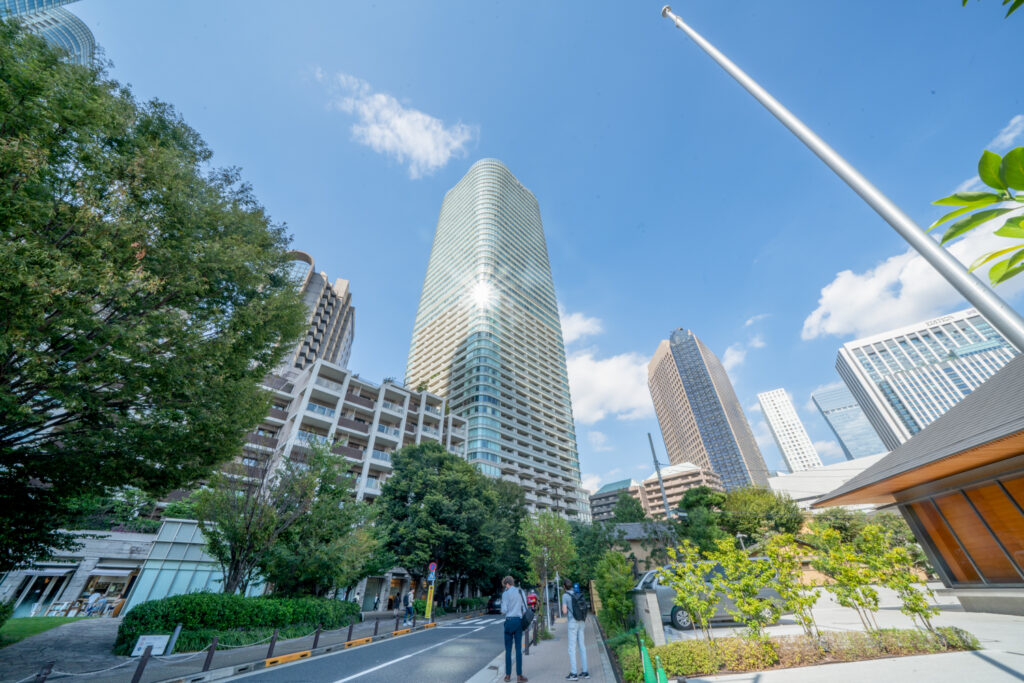
Ark Hills Sengokuyama Residence – Mori Building’s Vertical Garden City Address
- Location: 1-9-18 Roppongi, Minato Ward
- Size Range: Inquire for details | 1LDK to large family configurations
- Nearest Station: Roppongi-itchome Station (Namboku Line) – 4 min walk
- Building Year: 2012
- Floors: Residences on floors 3 to 24 of a 47-storey tower, 4 basement levels
- Building Type: Mixed-use tower with 243 residential units
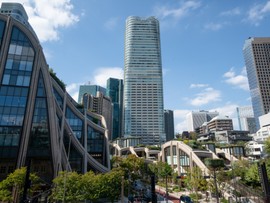
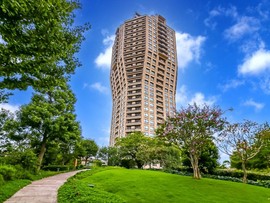
Ark Hills Sengokuyama Residence occupies floors 3 to 24 of Ark Hills Sengokuyama Mori Tower, a 207-metre building completed in August 2012 as part of the Toranomon–Roppongi District Class 1 Urban Redevelopment Project. Mori Building led the development, Irie Miyake Architects & Engineers handled the design, and Obayashi Corporation built it. The tower sits on a site of roughly 2.0 hectares with a green coverage rate of 45.24%, and offices occupy floors 25 to 47 above the homes. The scheme took 24 years from the first redevelopment study meetings to completion, and the residential floors form part of Mori Building’s MORI LIVING portfolio.
The building is a four-minute walk from Roppongi-itchome Station on the Tokyo Metro Namboku Line and roughly six minutes from Kamiyacho Station on the Hibiya Line. Azabudai Hills, which opened next door in 2023, added shops, restaurants and a British School in Tokyo campus within a few minutes on foot. The site itself includes an open plaza of around 3,000m² on its western side and a further 1,000m² space to the south, with escalators and lifts built into the walkways to bridge the ten-metre height difference across the hillside. A restaurant, café, convenience store and nursery all sit within the grounds, which means everyday errands rarely require leaving the site.
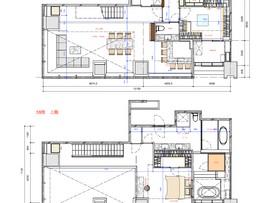
Homes are mainly two- and three-bedroom layouts, with some units running to five bedrooms and balconies four metres wide. Residents have a front desk with English-language service, guest suites and a view lounge on the 25th floor, and membership access to Hills Spa Sengokuyama. The 1,400m² spa was designed by Casappo & Associates and holds a 20-metre three-lane pool, a microbubble bath, a fitness gym facing Tokyo Tower, a private studio and a beauty salon. The building also carries emergency power supply, disaster preparedness storage and an emergency-use lift.
Ideal for: Executives and diplomats working in the Toranomon and Roppongi business districts, families who want Azabudai Hills amenities within walking distance, and buyers looking for Mori Building management with on-site spa, childcare and retail.
Mita Garden Hills, Apartments in Minato
Mita Garden Hills – Mitsui and Mitsubishi’s Seven-Building Garden Estate
- Location: 1-102-1 Mita, Minato Ward
- Size Range: Approx. 29m² to over 370m² | 1R to 4LDK configurations
- Nearest Station: Azabu-juban Station (Namboku & Oedo Lines) – 5 min walk
- Building Year: 2025
- Floors: Up to 14 storeys above ground, 2 basement levels
- Building Type: Seven-building garden estate with 1,002 residential units
- 5 residential buildings: Mita Garden Hills Park Mansion, North Hill, East Hill, South Hill and West Hill.
Check out this dedicated article on Mita Garden Hills: Tokyo’s New Luxury Standard in Azabu if interested.
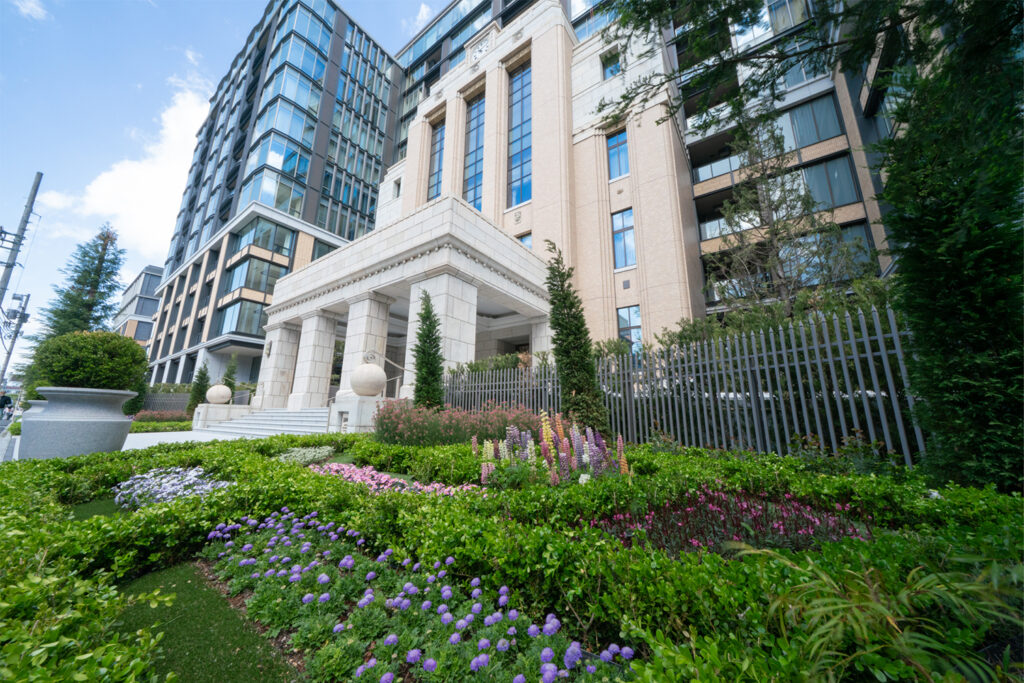
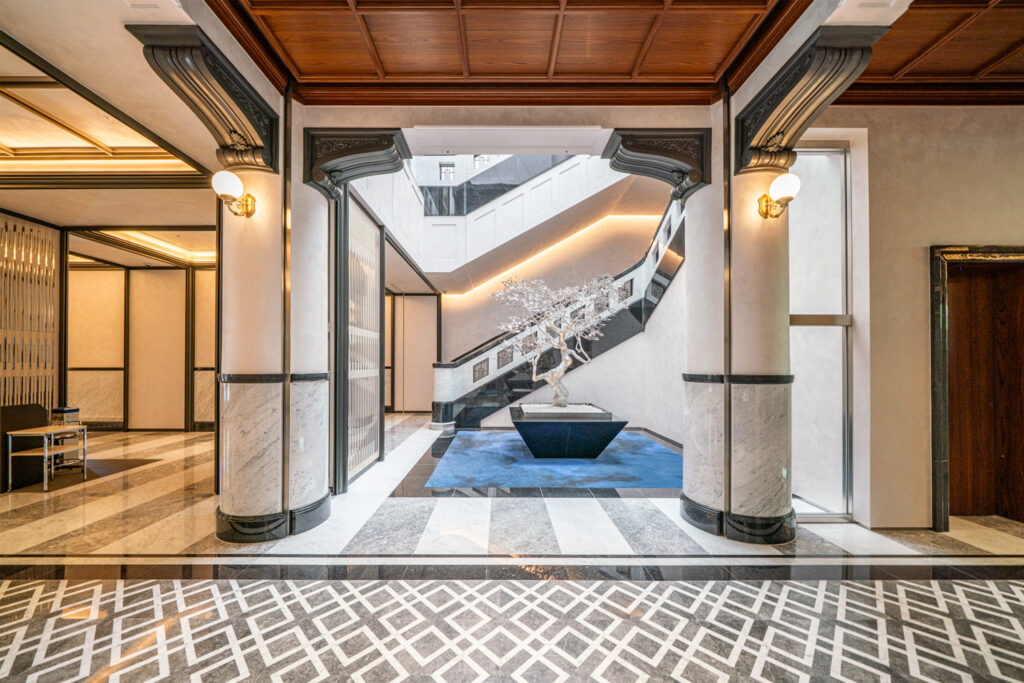
Mita Garden Hills was completed in March 2025 on the former site of the Ministry of Communications Postal Life Insurance Bureau building, a 1929 structure in Mita 1-chome. Mitsui Fudosan Residential and Mitsubishi Estate Residence developed it jointly, their first Garden Hills project together in Tokyo since Hiroo Garden Hills was completed in 1987, 38 years earlier. Taisei Corporation handled design and construction. Hoshino Architects, the Tokyo practice behind Tokyo Midtown Hibiya, led the main design, while London-based Hopkins Architects took on the façade in its first Japanese residential project. Parts of the original building have been preserved and restored into the new scheme, including the stairwell, stained glass, exterior tile cladding and the south-side official entrance.
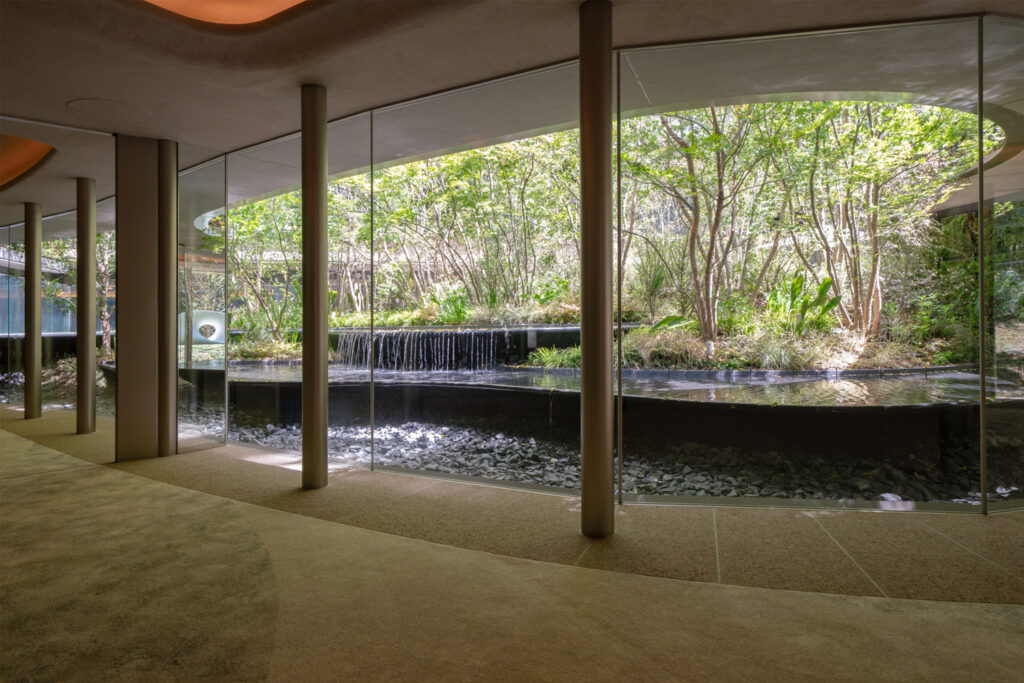
The 25,246.57m² site holds seven residential buildings: Park Mansion at the centre, surrounded by North Hill, South Hill, East Hill, West Hill, Centre Hill and the Villas. All rise to a maximum of 14 storeys, with parking placed underground so the ground plane stays open. Around 7,700m² of the site is landscaped, built around a central garden reserved for residents and planted with more than 130 varieties, including trees retained from the original grounds. Roughly 500 tonnes of rainwater a year is collected and used for irrigation. The land sits in a type two residential area and a type one educational district, and the southern boundary looks across to the Tsunamachi Mitsui Club, the Mitsui Group’s reception hall.
Azabu-juban Station on the Tokyo Metro Namboku and Toei Oedo Lines is a five-minute walk, and Shibakoen Station on the Toei Mita Line is about ten. The Australian and Italian Embassies are close neighbours, and the shops and restaurants of Azabu-juban sit a few minutes further on foot. Homes run from compact one-room layouts of around 29m² to residences of more than 370m², so the estate covers single occupiers, couples and larger families within one address.
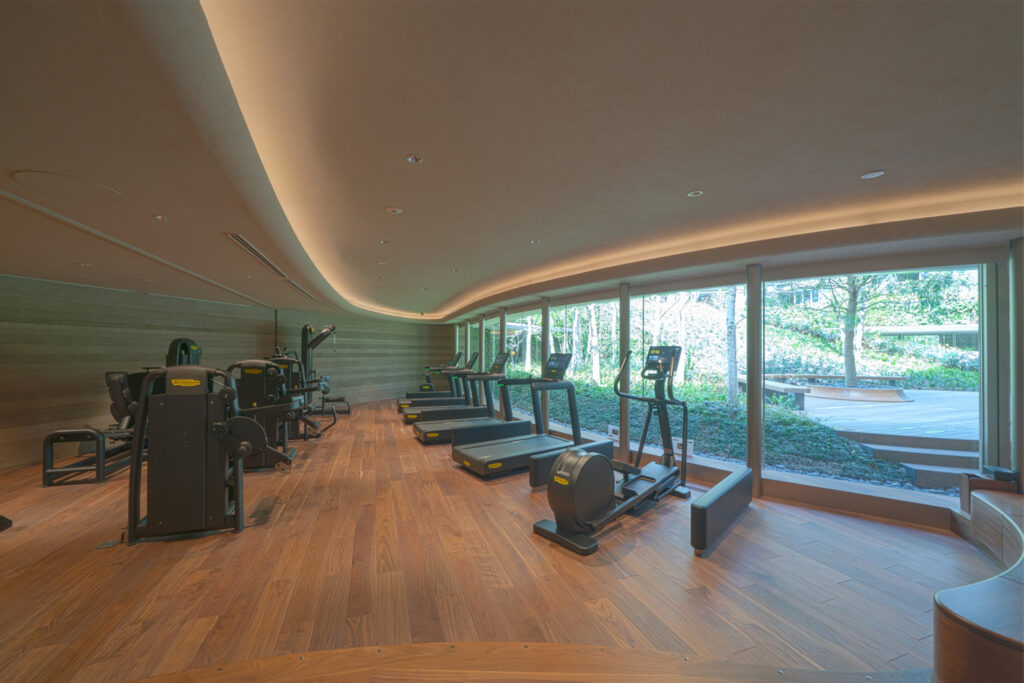
Shared facilities are spread across the buildings and include a workspace, gym, golf lounge, sauna and hot stone spa, theatre room, music room, café lounge, bar and an on-site restaurant. Concierge service runs in partnership with the Imperial Hotel, which also staffs the bar lounge, alongside valet, butler, porter and door services. Every one of the 1,002 units holds ZEH Oriented certification, achieved through low-e double glazing, thicker external wall insulation and high-efficiency fittings. On-site generation comes from a 250kW Bloom Energy Japan fuel cell, the first installed in a Japanese condominium, and a 200kW solar array. For emergencies, a 1,500kVA dual-fuel gas turbine supplies lighting, hot water, lifts, water pumps and security across common areas and every home, and the estate stores emergency food and water for all residents for roughly three days.
Ideal for: Families who want ground-level garden space rather than tower living, international executives working across Minato Ward’s embassy and business districts, and buyers prioritising energy performance and disaster resilience alongside hotel-standard services.
See apartments for sale with Housing Japan in Mita Garden Hills North Hill, East Hill, South Hill and West Hill.
World Tower Residence, Apartment in Minato
World Tower Residence – Deck-Connected Tower at Hamamatsucho Station
- Location: 2-3-9 Hamamatsucho, Minato Ward
Size Range: Approx. 40m² to 148m² | 1LDK to 3LDK configurations
Nearest Station: Hamamatsucho Station (JR Yamanote & Keihin-Tohoku Lines) – 2 min walk, deck-connected
Building Year: 2024
Floors: 46 storeys above ground, 2 basement levels
Building Type: Vibration-controlled tower with 389 residential units
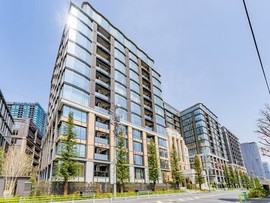
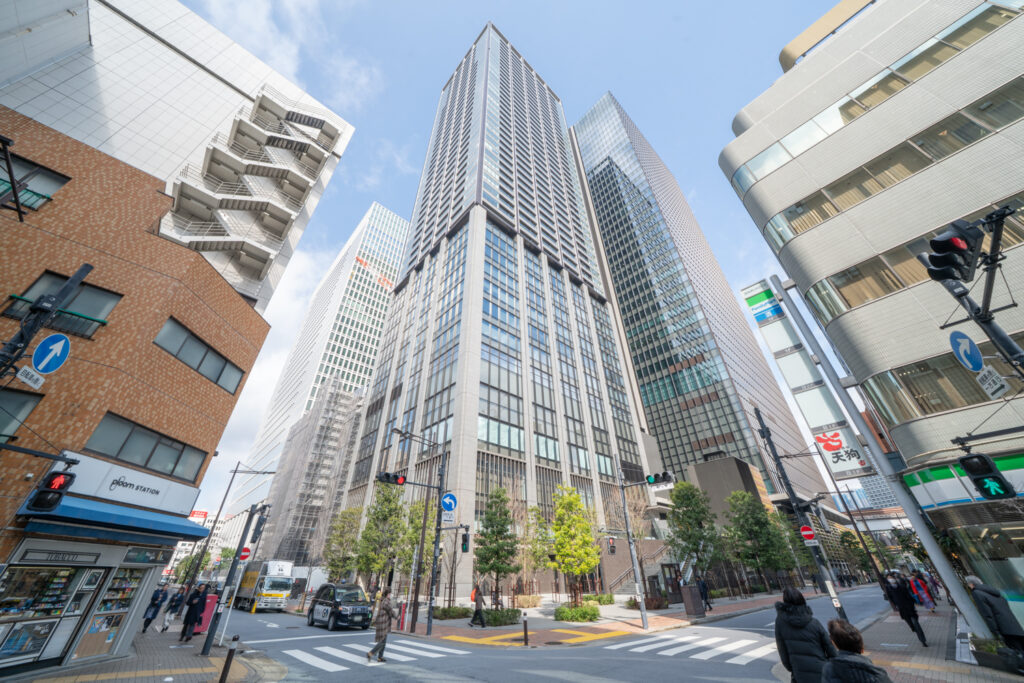
World Tower Residence was completed in November 2024 as the residential element of the Hamamatsucho 2-chome District Type 1 Urban Redevelopment Project. The site previously held the original World Trade centre Building, which opened in 1970 as Japan’s tallest building at the time and closed in 2021 for rebuilding. Kajima Corporation constructed the tower, with World Trade centre Building Inc., Kajima, Mitsui Fudosan Residential, Mitsubishi Estate Residence and Tokyo Tatemono as project partners. The building reaches around 181 metres, uses a steel-reinforced concrete structure with vibration control to reduce sway during earthquakes, and sits on a site of 5,888.55m². First residents moved in from March 2025.
A pedestrian deck connects the building directly to Hamamatsucho Station, a two-minute walk on the JR Yamanote and Keihin-Tohoku Lines. Monorail Hamamatsucho Station is three minutes away, putting Haneda Airport within roughly 20 minutes, and Daimon Station on the Toei Oedo and Asakusa Lines is four minutes on foot. Kyu Shiba Rikyu Garden and Shiba Park sit close by, along with Shiba Daijingu shrine and Tokyo Tower. The wider redevelopment runs to 2027 and will add office, retail and a Minato City arts hall, with a Raffles Tokyo hotel announced for the upper floors of the new main tower.
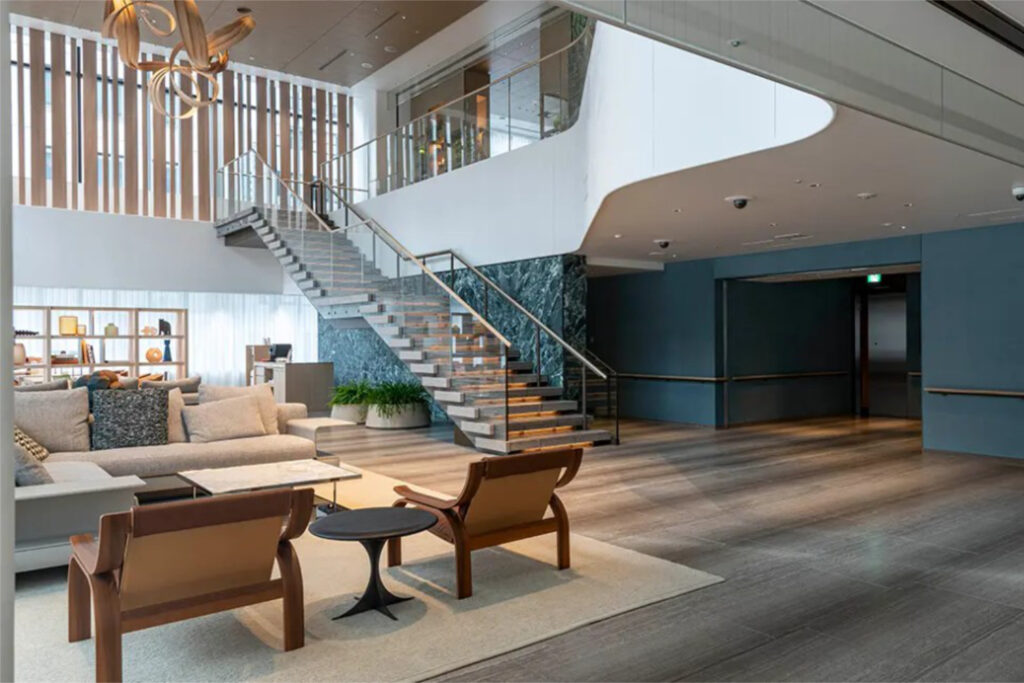
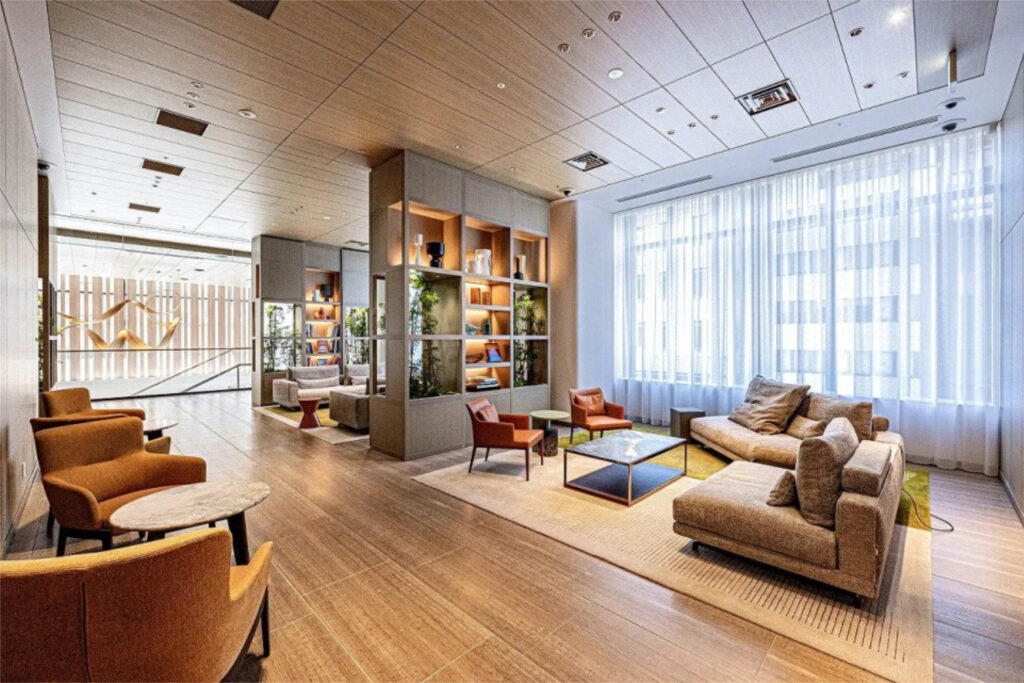
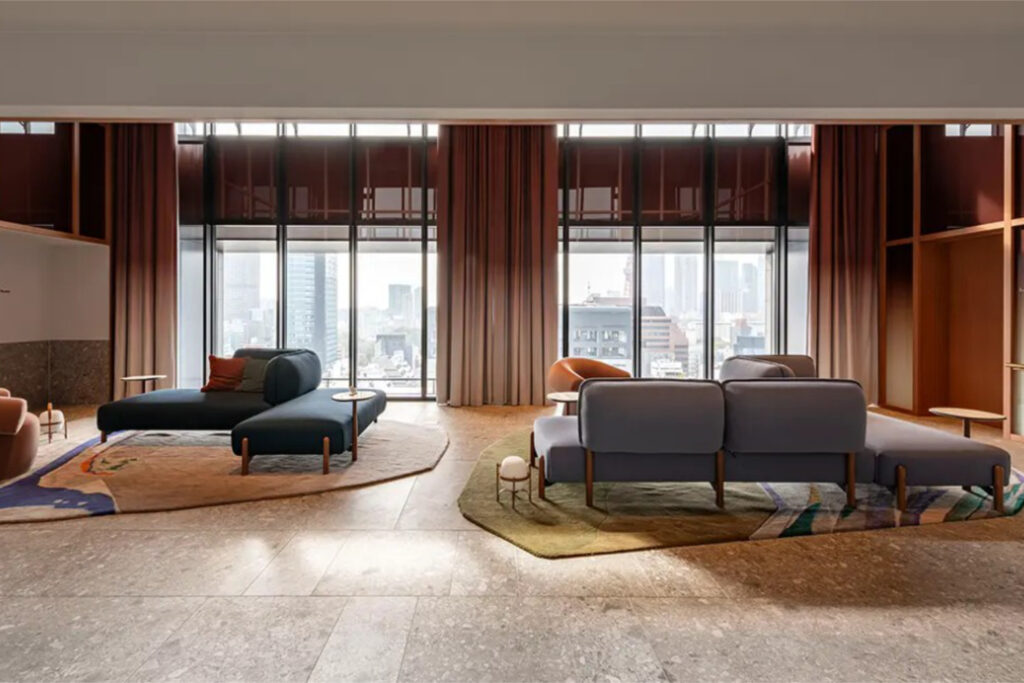
Floor plans run from 1LDK units of around 40m² to 3LDK homes of approximately 148m². Shared amenities include a café lounge, coworking space, executive dining room, communication lounge, party room, bar, fitness room, golf lounge and guest rooms. Homes come with floor heating, dishwashers, disposers, video intercoms and separate bath and toilet facilities, and refuse rooms sit on every floor. The building has a front desk, a security system and permits pets.
Ideal for: Frequent international travellers who value monorail access to Haneda, professionals working across Shiodome, Shimbashi and Toranomon, and buyers who want a new-build tower with direct station connection.
City Tower Azabujuban, Apartment in Minato
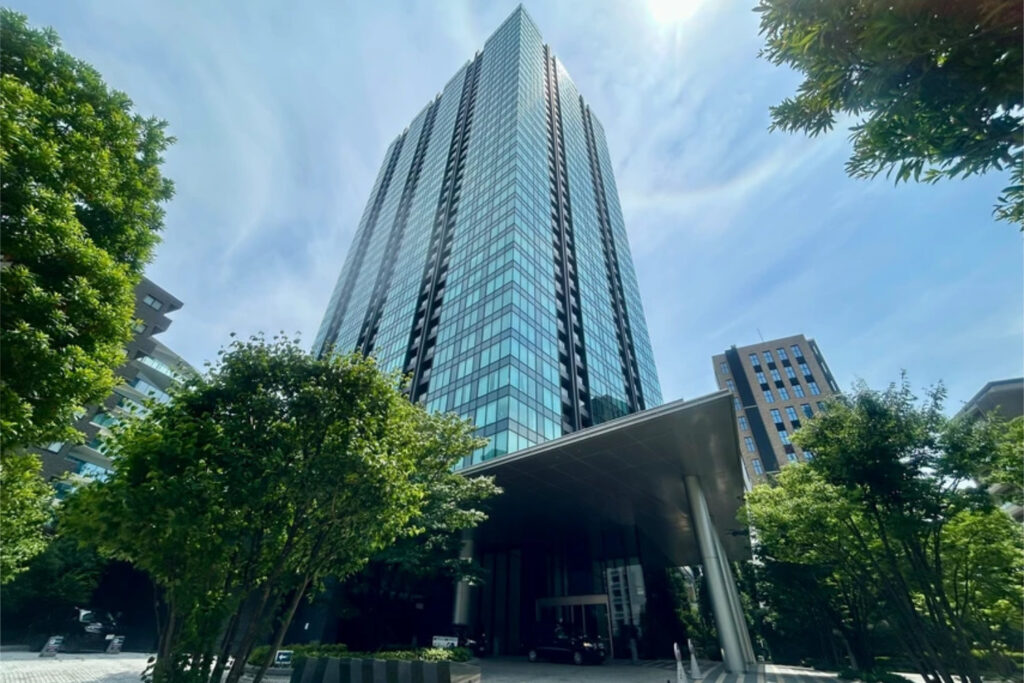
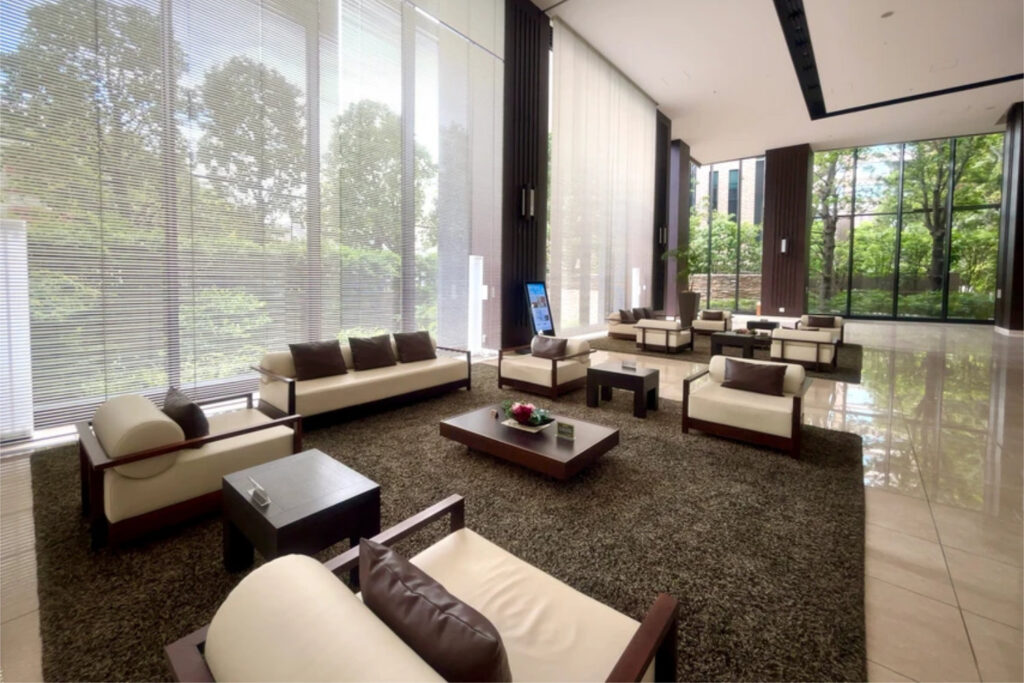
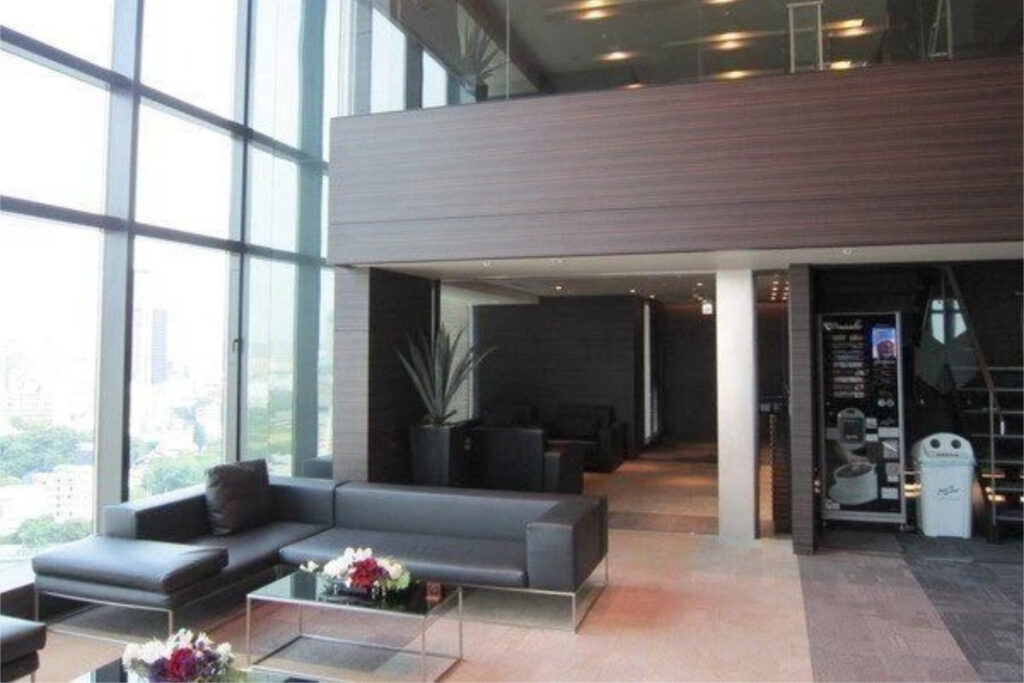
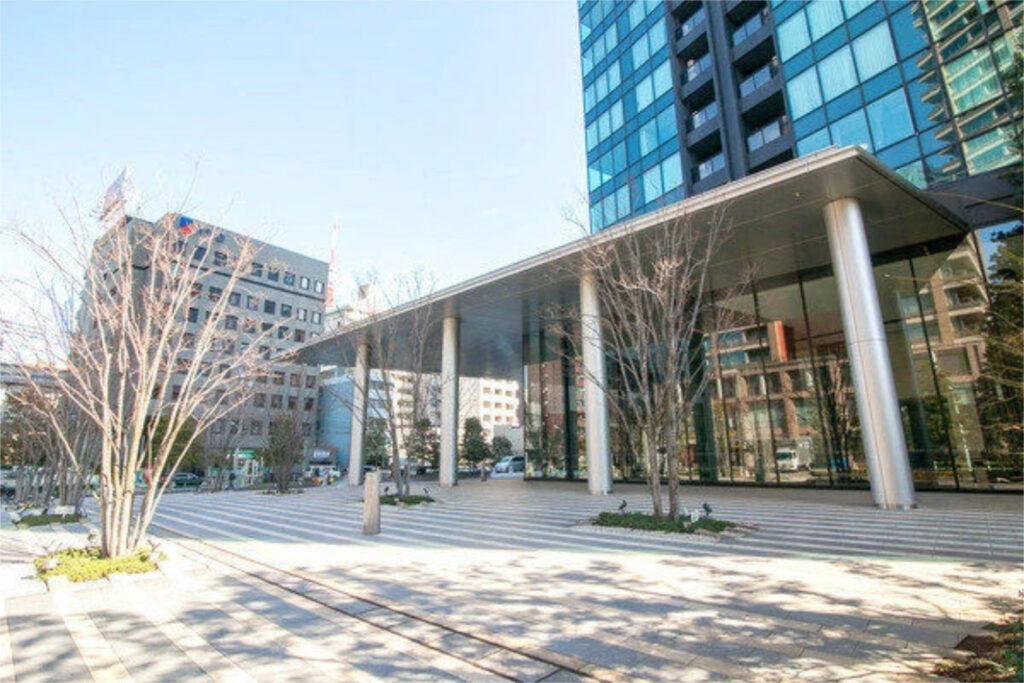
City Tower Azabu Juban – Ultra High-Rise Tower Living in Azabu
- Location: Mita, Minato Ward
- Size Range: Inquire for details | Multiple configurations available (small 1 bed units to multiple floor luxury condos)
- Nearest Station: Azabu-juban Station (Namboku & Oedo Lines) – 4 min walk
- Building Year: 2009 | Floors: 38 storeys
- Building Type: Damping structure tower mansion with 502 units
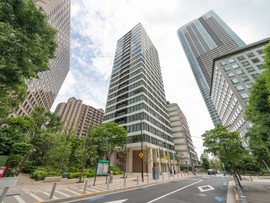
City Tower Azabu Juban rises 129 metres above central Minato Ward, standing as a landmark in the Mita Koyamacho redevelopment area. Developed by Sumitomo Realty & Development and constructed by Shimizu and Okumura Construction, this 38-story tower features a damping structure that reduces movement during earthquakes. Located just four minutes from Azabu-juban Station on both the Tokyo Metro Namboku Line and Toei Oedo Line, the tower offers strong transport links throughout Tokyo. The building faces the Australian and Italian embassies on its southern side, surrounded by green space that creates a pleasant residential setting.
Residents enter through a grand lounge with a 7-metre-high ceiling that sets an immediate tone of quality. Common facilities include a sky lounge on the 24th and 25th floors with panoramic views and a counter bar, guest rooms on the third floor, and a community hall and kids room on the basement level. Concierge service operates from 8am to 10pm, while 24-hour on-site management ensures security around the clock. Residences feature floor-to-ceiling glass windows that maximise city views, with some north-east facing apartments offering sightlines to Tokyo Tower. Interior finishes include floor heating, bathroom dryers, and dishwashers, while the building’s pet-friendly policy makes it suitable for families with companion animals.
Ideal for: International professionals working in central Tokyo, families seeking Minato Ward living near embassies and international amenities, and investors looking for tower properties in well-connected Azabu-area locations.
The Westminster Roppongi, Apartment in Minato
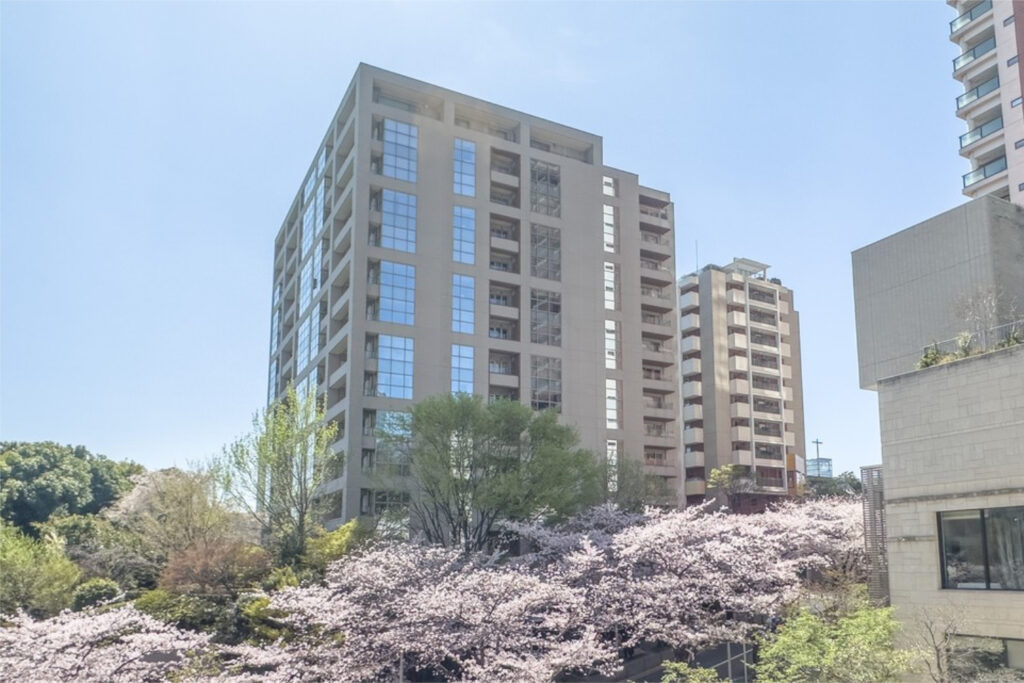
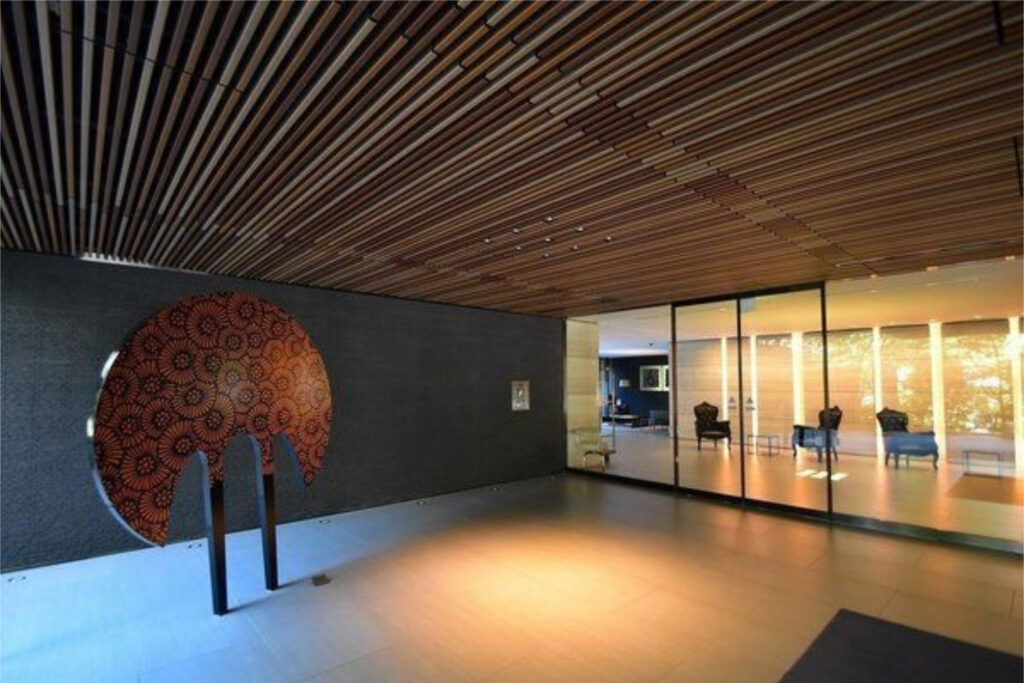
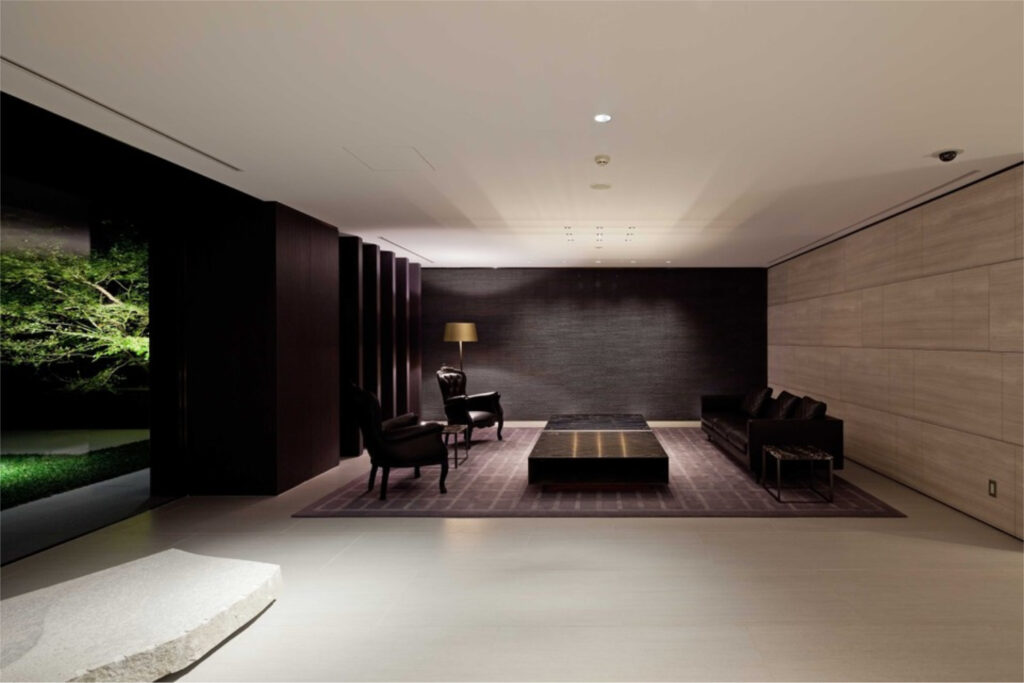
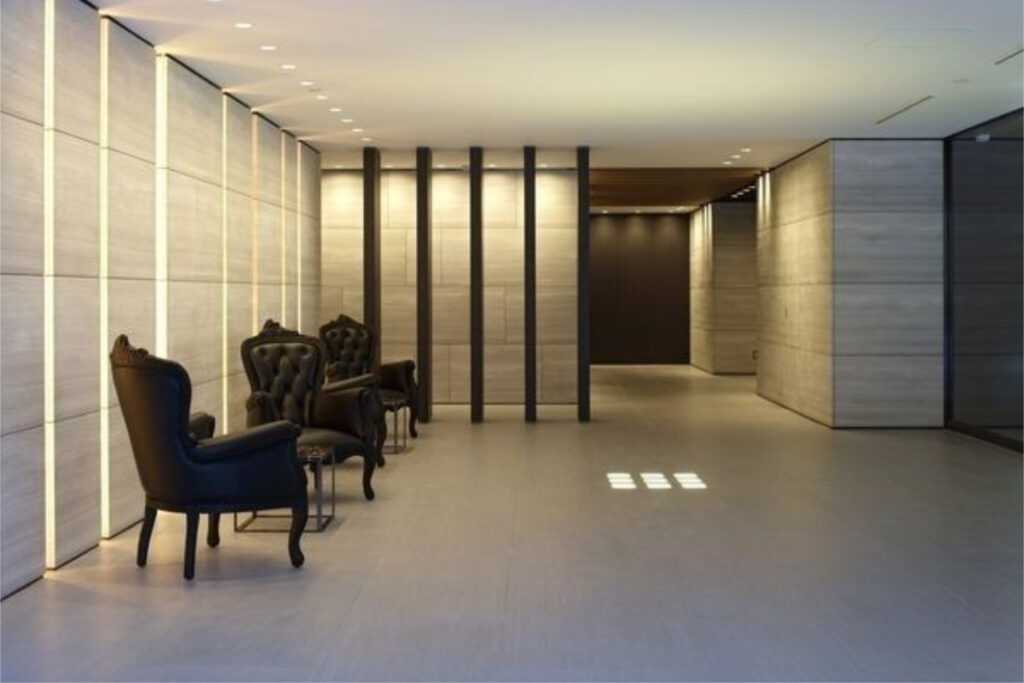
The Westminster Roppongi – Grosvenor’s Award-Winning Roppongi Refurbishment
- Location: 6-16-11 Roppongi, Minato Ward
- Size Range: Inquire for details | One- to three-bedroom layouts
- Nearest Station: Azabu-juban Station (Namboku & Oedo Lines) – 7 min walk
- Building Year: 2003
- Floors: 14 storeys above ground, 1 basement level
- Building Type: Low-rise condominium with 99 units on freehold land
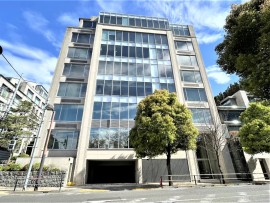
The Westminster Roppongi was completed in 2003 as a rental building named Roppongi Arents, opening the same year as neighbouring Roppongi Hills. British property group Grosvenor later acquired it and refurbished the shared areas, working with architects Paul Davis + Partners alongside Atelier Ikebuchi, artist Noritaka Tatehana, stone sculptor Masatoshi Izumi and gardener Toemon Sano. The project won Gold in the Best Refurbished Building category at the MIPIM Asia Awards 2015, having earlier received a five-star Residential Renovation/Redevelopment award at the Asia Pacific Property Awards. Refurbishing rather than demolishing an existing residential building remains unusual in Tokyo, where full rebuilds are the norm.
The building stands on the Sakurazaka slope directly beside Roppongi Hills, on a site of 4,439.67m² held as freehold land. Azabu-juban Station on the Namboku and Oedo Lines is a seven-minute walk, Roppongi Station on the Hibiya and Oedo Lines around eight minutes, and Nogizaka Station on the Chiyoda Line roughly sixteen. The position sits between the activity of Roppongi and the quieter residential streets of Motoazabu, with Mori Building handling management. Roppongi Hills’ shops, cinema and Mori Art Museum are a few minutes on foot.
Common areas centre on a residents’ lounge and a modern-style Japanese garden, with 24-hour concierge service in English, porter service and hotel-style internal corridors. Refuse rooms sit on each floor and parking is available on site, along with a fitness gym; membership access to Hills Spa facilities is offered at additional cost. Homes feature island kitchens, walk-in closets to both bedrooms in larger layouts, floor heating, large balconies and generous storage and display space, and the building permits pets.
Ideal for: Buyers who want freehold land in central Roppongi, design-led households drawn to British and Japanese craft detailing, and families wanting Roppongi Hills amenities without tower-block living.
Comparison table
| Building | Completed | Storeys | Units | Nearest station |
|---|---|---|---|---|
| The Westminster Roppongi | 2003 | 14 | 99 | Azabu-juban, 7 min |
| City Tower Azabujuban | 2009 | 38 | 502 | Azabu-juban, 4 min |
| Ark Hills Sengokuyama Residence | 2012 | 47 (homes on 3–24) | 243 | Roppongi-itchome, 4 min |
| World Tower Residence | 2024 | 46 | 389 | Hamamatsucho, 2 min |
| Mita Garden Hills | 2025 | Up to 14 | 1,002 | Azabu-juban, 5 min |
How Much Do Apartments for Sale in Tokyo Cost?
Apartment prices in Tokyo are set by ward, building, size and floor rather than by any single citywide average. The central wards command a clear premium, and published land values show the scale of it.
The most expensive residential land in Japan sits in Minato Ward, at Akasaka 1-14-11, valued at ¥7,110,000 per square metre as of 1 January 2026 by the Ministry of Land, Infrastructure, Transport and Tourism. That point rose 20.5% in a single year and has held the national top spot for nine consecutive years. Residential land across Tokyo as a whole rose 6.5% over the same period, a fifth consecutive annual increase, against a national residential figure of 2.1%.
Four things then move the price of any individual apartment. Ward comes first, and the gap between the central wards and the outer ones is wide. Size comes second, since central-ward family residences of 100m² and above occupy a different bracket from the compact units that dominate citywide statistics. Building age and developer come third, with recent work by Mori Building, Mitsui Fudosan and Mitsubishi Estate commanding a premium over older stock. Floor level and outlook come fourth, and in a tower the difference between a low floor and an upper corner unit with a Tokyo Tower view can be substantial.
Station access underpins all four. Every building in this guide sits within seven minutes of a station on at least two lines, and in central Tokyo that proximity is priced in.
What Makes a Good Tokyo Apartment?
A good Tokyo apartment combines three things: proximity to a major station on multiple lines, build quality that meets Japan’s strict earthquake codes, and efficient interior layout. Location near central wards like Minato, Shibuya, Shinjuku, or Chiyoda also tends to support stronger long-term value.
When searching for a Japanese apartment, several factors matter more than in other markets. Tokyo apartments differ from housing in many other global cities. Space comes at a premium here, but developers have become experts at making the most of every square metre. Modern Tokyo apartments focus on efficient layouts, quality materials, and access to transportation.
Location matters more in Tokyo than almost anywhere else. Being near a station on multiple train lines changes your daily life. It affects your commute time, access to shopping, and even the value of your property over time. The wards of Minato, Shibuya, Shinjuku, and Chiyoda consistently rank among the most connected areas in the city.
Build quality is another key factor. Japan’s strict earthquake codes mean buildings here use advanced engineering and materials. Newer developments often include features like seismic isolation systems, which help protect residents during earthquakes. These safety features add real value beyond just peace of mind.
Which Tokyo Wards Are Popular for Apartments?
Minato, Shibuya, Shinjuku, and Chiyoda are the four central wards most popular with foreign apartment buyers in Tokyo. Each has its own character: Minato for embassies and international living, Shibuya for design and culture, Shinjuku for transport access, and Chiyoda for proximity to business districts.
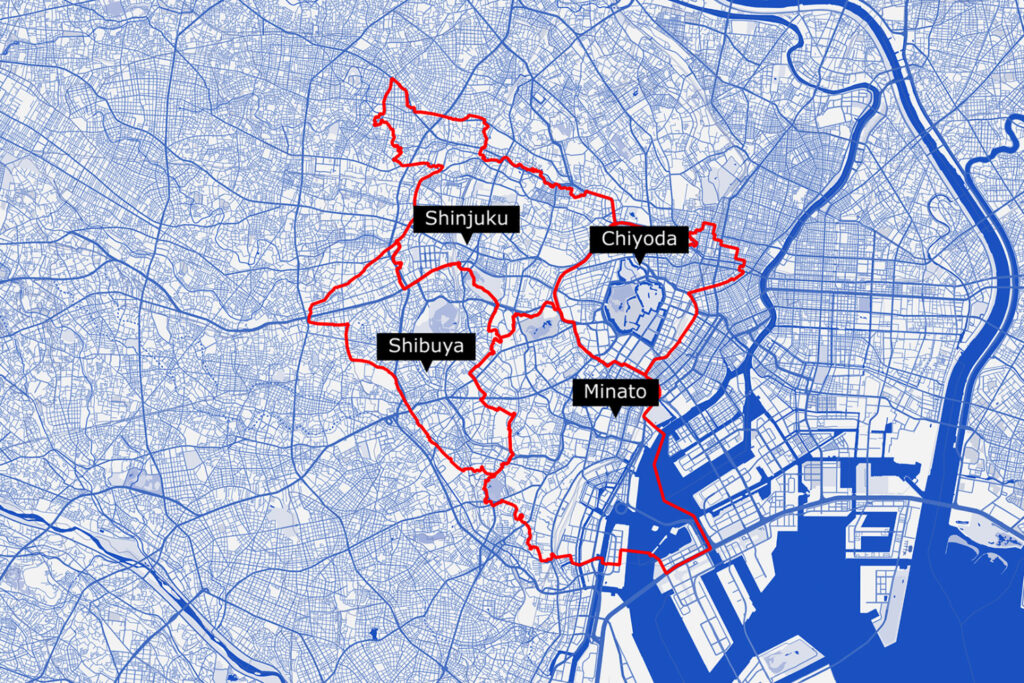
For foreigners looking at Tokyo real estate, these four wards offer the most accessible services and international communities. The central Tokyo wards each have distinct personalities. Knowing these differences helps narrow your search.
Minato Ward stretches along Tokyo Bay and includes neighbourhoods like Roppongi, Azabu, and Shirokane. This ward attracts international residents due to its embassies, international schools, and foreign-friendly services. Properties here often have strong rental demand from expatriates and business professionals. The ward blends modern high-rises with quieter residential streets.
Shibuya Ward centres on one of Tokyo’s most famous districts. Beyond the busy scramble crossing and shopping areas, Shibuya includes peaceful residential neighbourhoods like Hiroo and Ebisu. These areas offer easy access to central Tokyo while maintaining more relaxed, local atmospheres. Families and young professionals both find good options here.
Shinjuku Ward contains Tokyo’s busiest train station and the city government offices. The ward has both commercial and residential zones. Western Shinjuku features modern towers and parks, while eastern areas near Shinjuku Station offer urban convenience. Despite the busy image, quiet residential pockets exist throughout the ward.
Chiyoda Ward sits at Tokyo’s centre and includes the Imperial Palace grounds. This ward has fewer residential buildings than others, but those that exist often occupy valuable locations near business districts. Properties here attract professionals who want minimal commute times and access to Tokyo’s financial centres.
What Features Should You Look for in a Tokyo Apartment?
Key features in a modern Tokyo apartment include efficient LDK layouts, natural light from corner or south-facing units, modern conveniences like floor heating and delivery boxes, and security features like auto-lock entrances. Layout terms like 1LDK or 2LDK refer to the number of bedrooms plus a combined living/dining/kitchen area.

Today’s Tokyo apartments incorporate features that improve daily life. Understanding these elements helps you know what to look for.
Efficient layouts maximise usable space. Japanese apartments measure rooms in “jo” (tatami mat units) or square metres. A 2LDK apartment has two bedrooms plus a living/dining/kitchen area. Modern designs minimize hallway space and create flexible rooms that serve multiple purposes.
Natural light matters in Tokyo’s dense urban environment. Corner units and higher floors typically offer better light and views. South-facing units receive more sun throughout the day. These orientation factors affect both liveability and resale value.
Modern conveniences are standard in recent construction. Floor heating, advanced air conditioning systems, and high-speed internet connections come installed. Many buildings also include delivery boxes that accept packages when you’re away, solving a common challenge for working residents.
Security features have improved significantly. Auto-lock entrances, security cameras, and intercoms with video screens provide peace of mind. Some buildings employ 24-hour concierge or security staff. These features particularly appeal to families and international residents.
How Do You Choose the Right Tokyo Apartment?
Choosing the right Tokyo apartment starts with defining your non-negotiables: required station access, minimum size, building age, and budget. Working with experienced agents who serve international clients helps you understand building management, neighbourhood character, and long-term value beyond what listings show.
Your Japanese apartment search will move faster once you define these priorities. Choosing the right Tokyo apartment involves balancing many factors. Location, size, price, and features all matter, but personal priorities determine which elements matter most.
Start by defining your non-negotiables. Do you need proximity to a specific train line for your commute? Do you require minimum square metres for your family size? Does building age matter for your comfort and maintenance concerns? Clear priorities focus your search and save time.
Working with experienced real estate professionals makes a significant difference. Agents familiar with serving international clients understand the challenges foreign buyers face. They can explain building management styles, neighbourhood characteristics, and long-term value considerations that aren’t obvious from listings alone. Housing Japan has supported individuals seeking to buy real estate in Tokyo for 25 years, offering both on-market and exclusive off-market property access to help clients find the right apartment.
What Should Foreigners Know About Owning a Tokyo Apartment?
Foreigners face no ownership restrictions when buying a Tokyo apartment and have the same rights as Japanese citizens. Owners pay monthly management fees and reserve fund contributions on top of the purchase, plus annual fixed asset tax. Many international owners also use property management companies for tenants when living abroad.

Owning a Tokyo apartment involves ongoing responsibilities beyond the initial purchase. Building management fees cover common area maintenance, cleaning, security, and administration. Reserve fund contributions pay for future major repairs and building improvements. These monthly costs typically vary based on building size, amenities, and age.
Central Tokyo’s real estate market has shown stability and growth over the last 5 to 10 years. Properties in well-connected areas with good management typically hold value well over time. The city’s ongoing population in central areas and limited land supply support long-term demand.
Many buyers view Tokyo apartments as both homes and investments. Some owners rent out their properties when living abroad, using property management companies, like that offered by Housing Japan, to handle tenant relations and maintenance. Properties near international schools or business districts often attract stable, long-term tenants.
How Should You Evaluate a Tokyo Apartment?
The properties in this guide represent different approaches to Tokyo living rather than a ranked selection. Each has distinct characteristics based on location, building age, size, and amenities. Buyers will find similar variety across Tokyo’s central wards.
When evaluating any Tokyo apartment, consider factors like distance to stations, building management quality, construction standards, and neighbourhood characteristics. What works well for one buyer may not suit another. The examples here show how these factors combine differently across properties, helping you understand what to look for in your own search.
How Do You Start Your Tokyo Apartment Search?
Start your Tokyo apartment search by exploring different neighbourhoods, defining your priorities, and connecting with a real estate professional experienced with international buyers. Visit properties in person where possible to understand layout, light, and surrounding atmosphere.
Finding your Tokyo apartment requires research, planning, and expert guidance. Start by exploring different neighbourhoods to understand what appeals to you. Connect with real estate professionals, such as Housing Japan, who work with international buyers to navigate the process effectively.
Consider your long-term goals when evaluating properties. An apartment that works for you today should still meet your needs in five or ten years. Tokyo offers apartment options across many price ranges and neighbourhoods. The key is finding the right match for your specific situation.
Q&As
Can foreigners buy apartments in Tokyo?
Yes, Japan places no restrictions on foreign ownership of property. Non-residents and residents alike can purchase apartments in Tokyo with the same rights as Japanese citizens. The process involves working with a licensed real estate agent, and most transactions are completed within two to three months. Read this article on buying a house in Japan as an expat.
How much does a Tokyo apartment cost?
Prices depend on the ward, building, floor and size rather than any single average. Central Tokyo sits well above the wider market: Minato Ward holds Japan’s most expensive residential land, valued at ¥7,110,000 per square metre in January 2026. Contact Housing Japan for current pricing on specific properties.
What does LDK mean in Japanese apartment listings?
LDK stands for Living, Dining, and Kitchen combined into one open space. A 2LDK apartment has two separate bedrooms plus an open living/dining/kitchen area. This notation helps buyers understand the layout without needing to see floor plans. Read this article for more information on Tokyo Apartment Layouts.
What ongoing costs come with owning a Tokyo apartment?
Owners pay monthly management fees (covering building maintenance and security) and reserve fund contributions (for future repairs). These prices can range depending on building size and amenities. Annual fixed asset tax also applies to all property owners in Japan.
Which Tokyo wards are most popular with foreign buyers?
Minato, Shibuya, Shinjuku, and Chiyoda are the four central wards most popular with international buyers. Minato leads for embassies and international schools, Shibuya offers design-led neighbourhoods like Hiroo, Shinjuku provides transport access, and Chiyoda places residents near business and government districts.
How do I search for apartments in Tokyo as a foreigner?
Working with a real estate agency experienced in serving international clients simplifies the process. Housing Japan provides English-language support and access to both listed and off-market properties across Tokyo’s central wards.
About the authors

Maximilian Jacob is Research and Content Lead at Housing Japan K.K., a licensed real estate brokerage in Tokyo (Tokyo Governor (3) No. 98912) that has advised international buyers, sellers and tenants in central Tokyo since 2000. He researches the Tokyo prime residential market using primary Japanese sources, including Ministry of Land, Infrastructure, Transport and Tourism (MLIT) transaction and land price data, National Tax Agency (NTA) roadside land valuations, Bank of Japan policy statements and e-Stat national statistics. His work focuses on foreign buyer procedure, property taxation, non-resident financing, and the Minato, Shibuya and Chiyoda luxury markets.

Yudai Yamaguchi is Head of Sales and Head of Property Management at Housing Japan K.K. He has more than a decade of real estate experience across Japan and the United States, spanning development, sales operations, investment, acquisitions, leasing, construction and property management. He previously held management roles at the Open House Group in both countries, including General Manager of its Atlanta office, where he oversaw local real estate operations. He holds a bachelor’s degree in Liberal Arts from Waseda University and studied International Relations at the University of Washington.
Sources:
Ministry of Land, Infrastructure, Transport and Tourism, Land Price Publication 2026
Mori Building, ARK Hills Sengokuyama Mori Tower
Mitsui Fudosan, Mita Garden Hills